Gardening Made Simple.

Are you looking for a simple way to grow fresh, crunchy carrots right at home? Growing Carrots in Tubs makes it easy to enjoy healthy harvests even in small spaces, giving you full control over soil, watering, and care.
Whether you have limited space or just want to enjoy gardening without a big garden, tub gardening makes it easy and fun. Imagine picking sweet, vibrant carrots straight from your own container—no digging or bending over a large garden bed.
You’ll discover everything you need to know to start growing healthy carrots in tubs, so you can enjoy homegrown goodness all season long. Keep reading, and you’ll be surprised how simple and rewarding it can be!
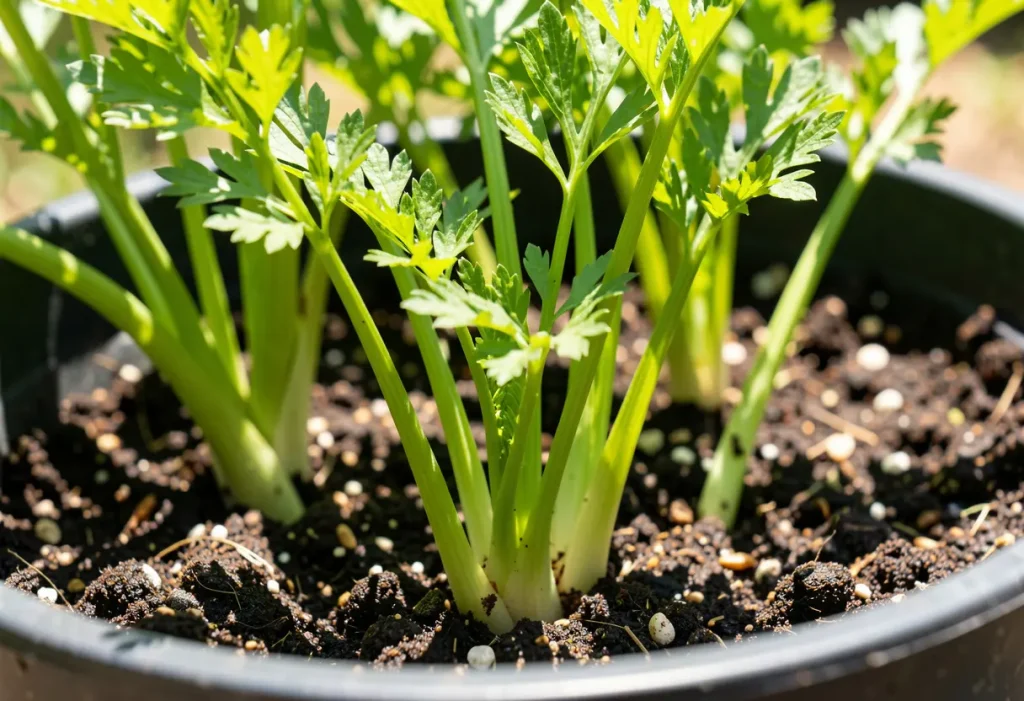
Choosing the right container is important for growing healthy carrots in tubs. The right tub helps carrots grow straight and strong. Carrots need enough space for their roots to develop well. The container must also keep soil moist but not soggy. Picking the correct tub helps prevent common problems like root crowding and poor drainage. Consider size, material, and drainage to give carrots the best start.
Carrots need deep soil for their roots. A container should be at least 12 inches deep. Wider tubs allow more carrots to grow together. Avoid shallow containers because roots may grow crooked. Choose a tub that holds enough soil to keep moisture steady. This helps carrots grow long and straight.
Plastic tubs are light and easy to move. They also retain moisture well. Clay or terracotta pots look nice but dry out fast. Wood containers offer good insulation for roots. Avoid metal tubs because they get too hot or cold. Pick a material that fits your garden’s weather and your care routine.
Good drainage prevents water from pooling around roots. Make sure the tub has holes at the bottom. Add small stones or gravel before soil to improve drainage. Check drainage holes regularly to keep them clear. Proper drainage stops root rot and keeps carrots healthy.
Selecting the right carrot variety is key for growing in tubs. Not all carrots grow well in confined spaces. Some types need deeper soil than others. Choosing the right kind helps you get healthy, tasty carrots. It also makes growing easier and more fun. Understanding which varieties suit tub gardening improves your success.
Short and round carrots work best in tubs. Varieties like 'Little Finger' and 'Thumbelina' fit well in small spaces. These carrots grow well in shallow soil. They do not need deep roots to develop. Nantes types also do well because of their sweet flavor and smooth texture. Choose carrots that stay small and compact for tub growing.
Early maturing carrots grow faster and harvest sooner. They suit gardeners who want quick results. Varieties like 'Early Nantes' mature in about 50 days. Late maturing types take longer but often taste sweeter. They need more time to grow fully. Choose early types for fast harvests. Pick late types for richer flavor and bigger roots.
Preparing the soil mix is the first step to growing healthy carrots in tubs. Carrots need loose, soft soil that drains well. This helps roots grow straight and strong. You must choose the right soil and add nutrients for the best results.
Carrots grow best in soil that is light and sandy. Clay or heavy soil stops roots from growing well. Use a mix of potting soil and sand for good drainage. The soil should be loose to let air reach the roots. Avoid soil with stones or lumps that block root growth.
Nutrients keep carrots healthy and tasty. Mix compost into the soil before planting. Compost adds natural nutrients and improves soil texture. Avoid too much nitrogen; it makes leaves grow more than roots. Use balanced fertilizer or organic options to feed carrots evenly.
Planting carrot seeds in tubs is a simple way to grow fresh carrots at home. Tubs give carrots enough space to grow deep and straight. Proper planting is key for healthy roots and good harvests.
Use fresh, good-quality seeds. Prepare the tub with loose soil. Keep soil moist for better seed germination.
Sow carrot seeds thinly to avoid crowding. Sprinkle seeds evenly over the soil surface. Lightly cover seeds with a thin layer of soil. Press soil gently to keep seeds in place. Water the tub gently to prevent washing away seeds.
Plant seeds about ¼ inch deep for best growth. Space seeds about 1 to 2 inches apart. Proper spacing helps roots develop well without competition. Thin seedlings once they sprout to keep space between plants. Thin to about 2 to 3 inches apart for healthy carrots.
Watering and moisture control play a big role in growing healthy carrots in tubs. Carrots need soil that is neither too dry nor too wet. Finding the right balance helps roots grow long and sweet. Tubs dry out faster than garden soil, so careful watering matters.
Carrots need steady moisture to grow well. Check soil daily by touching the top layer. It should feel damp, not wet or dry. Water lightly but often to keep soil moist. Deep watering helps roots grow strong and deep. Use a watering can with a fine spout to avoid washing seeds away. Mulch on top keeps soil from drying too fast.
Too much water harms carrots by causing root rot. Overwatered soil stays soggy and blocks air from roots. Watch for yellow leaves or soft roots as signs of overwatering. Ensure tubs have good drainage holes to let extra water escape. Water only when the top inch of soil feels dry. Proper drainage and careful watering stop water buildup.
Growing carrots in tubs requires attention to sunlight and temperature. Both factors affect how well carrots develop. Proper sunlight helps carrots grow strong and sweet. The right temperature keeps them healthy and prevents problems.
Carrots need full sunlight for the best growth. Aim for at least six hours of direct sunlight daily. Place tubs where they get morning sun or afternoon sun. Avoid spots with heavy shade or only indirect light. Bright light helps carrots develop good color and flavor.
Carrots grow best in cool to mild temperatures. The ideal range is 55°F to 75°F (13°C to 24°C). Hot weather can cause carrots to become bitter or grow poorly. Cold temperatures below 40°F (4°C) slow growth but do not kill carrots. Keep tubs in areas with steady temperatures for consistent growth.
Fertilizing carrots in tubs helps grow strong, healthy roots. Carrots need good nutrients to develop sweet, crunchy roots. Without proper fertilizing, roots may turn small or misshapen. Feeding the soil regularly supports steady growth and bright color. The right fertilizer and timing make a big difference in your carrot crop.
Choose fertilizers rich in phosphorus and potassium. These elements promote root growth and improve taste. Avoid too much nitrogen, which creates leafy tops but weak roots. Organic options like compost or bone meal work well. Balanced slow-release fertilizers also provide steady nutrients over time. Use fertilizers labeled for root vegetables for best results.
Fertilize carrots about every three to four weeks. Start feeding two weeks after sowing seeds. Apply fertilizer carefully around the base, not on leaves. Water the soil after applying to help nutrients soak in. Over-fertilizing can harm roots, so follow package instructions. Regular feeding keeps carrots growing deep and thick.
Managing pests and diseases is key to growing healthy carrots in tubs. Small spaces like tubs can sometimes attract pests more quickly. Diseases can spread fast in moist, crowded conditions. Knowing how to spot problems early helps keep your plants strong.
Carrots in tubs often face root-knot nematodes. These tiny worms cause twisted, stunted roots. Carrot flies are another problem. They lay eggs near carrot tops. Larvae damage the roots underground. Fungal diseases like powdery mildew appear as white spots on leaves. Overwatering can cause root rot, making carrots soft and mushy.
Use companion plants like onions or garlic to repel carrot flies. Handpick pests such as aphids and caterpillars. Spray plants with a mixture of water and mild soap to remove insects. Keep the soil dry on the surface to avoid fungus. Introduce beneficial insects like ladybugs to eat harmful pests. Rotate crops or change tub locations each season. This stops pests from settling in one place.
Harvesting carrots grown in tubs requires care and attention. Proper timing and technique help keep carrots fresh and tasty. This section shares simple tips to make your harvest successful.
Carrots are ready to harvest about 70 to 80 days after planting. Check the top of the root that peeks above the soil. It should be about 1/2 to 3/4 inch wide. The color of the carrot top is bright and vibrant. Leaves also start to look healthy and full. If the carrots stay too long, they may become tough and woody.
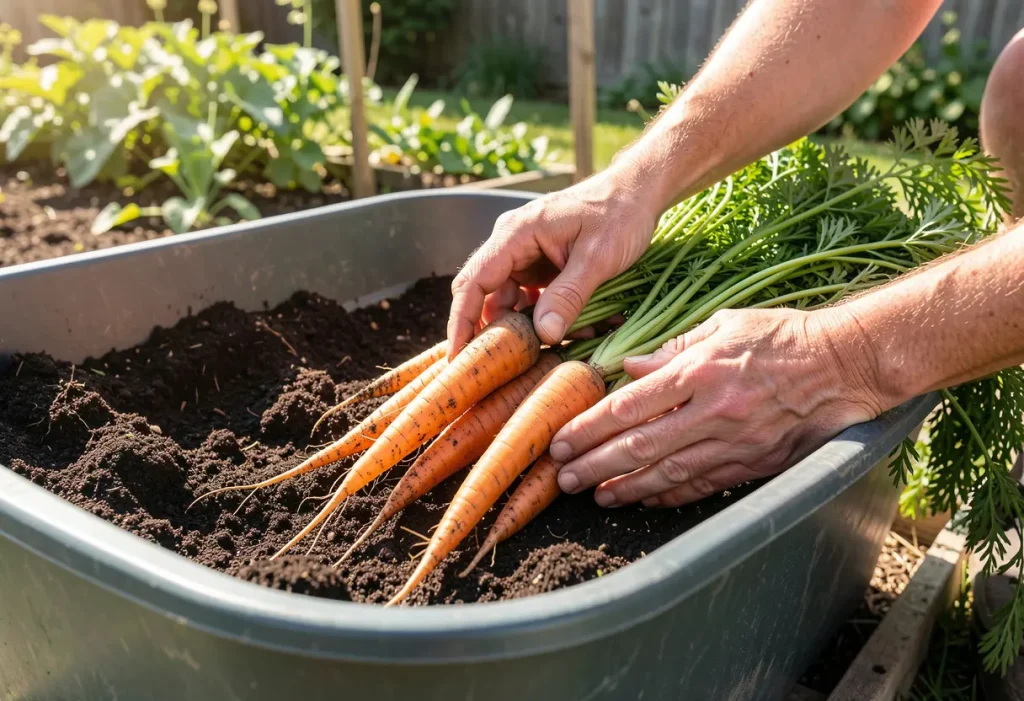
Loosen the soil around the tub carefully using a small hand fork. Pull carrots gently by the base of the leaves. Do not pull hard to avoid breaking the root. Shake off the soil softly. Cut off the green tops to keep carrots fresh longer. Store carrots in a cool, dry place after harvesting.
Growing carrots in tubs allows gardeners to enjoy fresh produce beyond the normal season. Extending the growing season means more carrots to harvest and less waiting time. This approach helps you get the most from your garden space. Small changes can lead to longer harvests and better yields.
Using covers or small greenhouses protects carrots from cold weather. Covers keep frost away and keep the soil warm. Clear plastic tunnels work well for tubs. They trap heat and help seeds sprout faster. Greenhouses provide a controlled space with steady temperatures. This means carrots grow even when it is cold outside. You can start planting earlier in spring and keep harvesting later in fall. Covers and greenhouses also protect plants from wind and heavy rain.
Succession planting means planting carrots in stages. Plant a small batch every two weeks. This gives you fresh carrots all season long. Start with early varieties in cool spring weather. Then plant more in mid-season and late season. This keeps your tubs full and productive. Succession planting reduces waste and makes use of space. It also helps avoid a big harvest all at once. Plan your planting schedule to fit your climate and tub size.
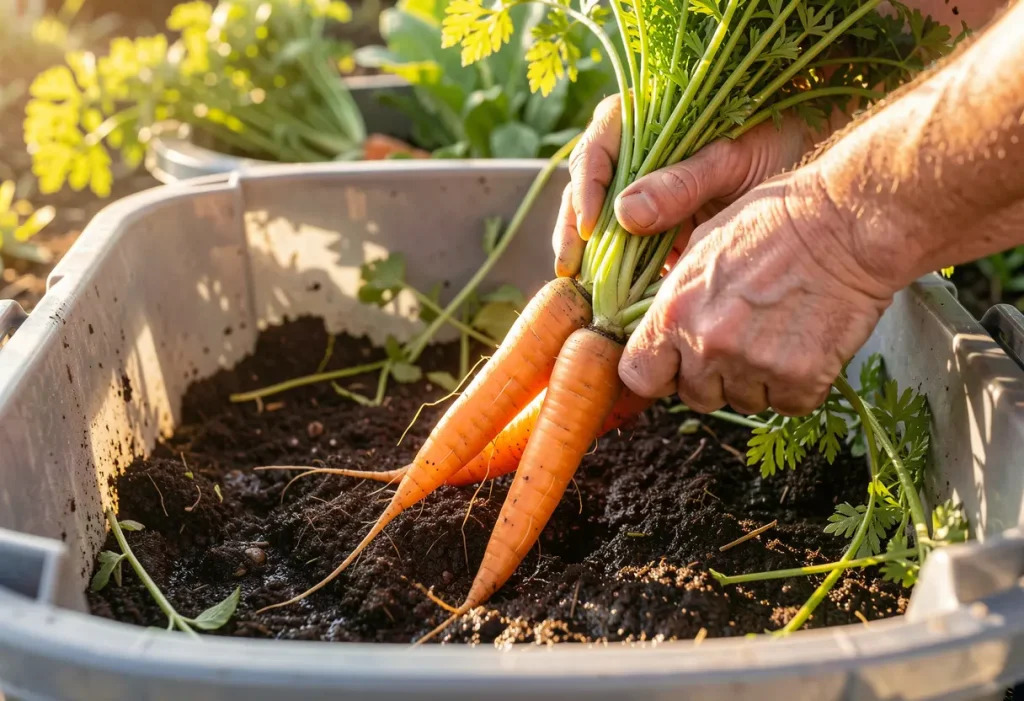
A tub at least 12 inches deep helps carrots grow straight and healthy.
Water carrots regularly to keep soil moist but not soggy for best growth.
Loose, sandy, and well-drained soil helps carrots grow easily in tubs.
Carrots typically take 60 to 80 days to mature in tub containers.
Yes, many carrot types grow well in tubs; choose shorter varieties for best results.
Growing carrots in tubs is simple and rewarding. You can control soil and water easily. Tubs save space and keep pests away. Regular care helps carrots grow sweet and crunchy. Anyone can try this, even with little garden space. Just plant, water, and watch them grow.
Your fresh carrots will taste better than store-bought. Give it a try and enjoy homegrown vegetables. Gardening in tubs brings joy and fresh food right to your doorstep.