Gardening Made Simple.

Have you ever thought about growing your own garlic from seed? Growing Garlic from Seed might sound tricky, but it’s easier than you think—and the rewards of fresh, homegrown garlic are absolutely worth it.
Imagine harvesting fresh, flavorful garlic right from your garden, knowing exactly how it was grown. Whether you’re new to gardening or looking to try something different, this guide will show you simple steps to get started. Keep reading, and soon you’ll be on your way to enjoying homegrown garlic that adds a special touch to every meal.

Choosing the right garlic seeds is the first step to a healthy crop. Good seeds lead to strong plants and better garlic bulbs. Garlic grows from cloves, but these cloves act like seeds for new plants. Picking quality seeds means choosing the right type and size. It also means finding seeds free from disease. Healthy seeds grow faster and resist pests better.
There are two main types of garlic: hardneck and softneck. Hardneck garlic has a stiff stalk and strong flavor. It grows well in cold climates. Softneck garlic has softer stems and stores longer. It suits warmer areas. Within these types, many varieties exist. Some have big cloves, others have many small ones. Choose a type that fits your climate and cooking style.
Buy seeds from trusted garden centers or seed catalogs. Local nurseries often offer varieties suited for your area. Online seed stores can provide rare types. Check for fresh, firm cloves without spots. Avoid seeds from grocery stores; they may carry diseases. Certified seed suppliers usually guarantee healthy garlic cloves.
Pick the biggest cloves for planting. Larger cloves grow into bigger bulbs. Avoid small or damaged cloves. Look for firm, dry cloves without mold. Separate cloves from the bulb carefully before planting. Store seeds in a cool, dry place until ready to plant. This keeps them fresh and ready to sprout.
Preparing the soil is the first step to growing healthy garlic from seed. Good soil helps garlic roots grow strong. It also gives the plant the nutrients it needs to develop bulbs. Spend time to get the soil ready before planting garlic seeds.
Garlic grows best in loose, well-drained soil. Heavy clay or waterlogged soil can harm the bulbs. The soil should allow air and water to reach the roots easily. Raised beds or mounds can improve drainage in poor soils. Good soil structure helps garlic roots spread and absorb nutrients.
Add organic matter like compost or well-rotted manure to the soil. This improves soil texture and adds nutrients. Mix the compost into the top 6 to 8 inches of soil. Avoid fresh manure, as it can burn young plants. Fertile soil boosts garlic growth and bulb size.
Garlic prefers slightly acidic to neutral soil. Aim for a pH between 6.0 and 7.0. Test soil pH before planting. Use lime to raise pH if soil is too acidic. Use sulfur to lower pH if soil is too alkaline. Proper pH helps garlic absorb nutrients efficiently.
Planting garlic seeds is the first step to grow strong, healthy garlic bulbs. Proper planting helps garlic develop well and produce a good harvest. Understanding the right time, depth, and technique is important for best results.
Garlic seeds need careful attention during planting. This section explains how to plant garlic seeds successfully.
Plant garlic seeds in early fall or late winter. This timing allows the seeds to start growing before winter. The cold helps garlic develop strong roots. Avoid planting in hot or dry seasons. The soil should be cool but not frozen.
Plant garlic seeds about 1 to 2 inches deep. This protects seeds from birds and weather. Space each seed 4 to 6 inches apart. Give garlic enough room to grow large bulbs. Rows should be 12 inches apart for easy care and harvest.
Use a garden trowel to dig small holes for seeds. Place one seed in each hole with the pointed end up. Cover the seed gently with soil. Press the soil lightly to remove air pockets. Water the area right after planting to keep soil moist.

Caring for garlic plants is simple but important. Healthy care helps garlic grow big and strong. Proper water, food, and soil cover make a big difference. Follow easy steps to keep garlic happy throughout the season.
Garlic needs regular watering. Keep soil moist but not wet. Water deeply once or twice a week. Avoid watering leaves to stop disease. Reduce water as garlic nears harvest time. This helps bulbs dry and last longer.
Feed garlic with balanced fertilizer early in growth. Use fertilizer high in nitrogen for green leaves. Apply again after shoots appear, about four weeks later. Stop feeding when bulbs start to form. Too much fertilizer can cause soft bulbs.
Mulch protects garlic soil and roots. Use straw or leaves to cover plants. Mulch keeps moisture steady and stops weeds. It also keeps soil temperature even. Remove mulch in spring for new growth to shine.
Managing pests and diseases is key to growing healthy garlic from seed. Garlic plants face threats from bugs and infections. These problems can slow growth and reduce yield. Knowing how to spot pests and stop diseases helps keep plants strong. Use safe methods to protect your crop without harming the environment.
Garlic attracts several pests. Onion maggots lay eggs near garlic roots. Their larvae eat the bulbs and roots. Thrips suck plant juices, causing silver spots on leaves. Nematodes attack roots and bulbs, leading to poor growth. Watch for these pests early. Check leaves and soil regularly. Catching pests early helps control them better.
Healthy soil stops many diseases. Rotate garlic with other crops yearly. Avoid planting garlic in the same spot twice. Use well-drained soil to prevent root rot. Remove dead leaves and plant debris to reduce disease spread. Water plants at the base, not overhead, to keep leaves dry. Clean tools and hands before handling plants.
Natural methods help fight pests and diseases safely. Sprinkle neem oil on leaves to repel insects. Use insecticidal soap for soft-bodied pests like thrips. Plant garlic near marigolds to deter nematodes naturally. Introduce ladybugs and lacewings to eat harmful insects. Apply compost tea to boost plant immunity. These simple remedies protect garlic without chemicals.
Harvesting and storing garlic correctly ensures the best flavor and longest shelf life. Knowing when to pick and how to store garlic keeps it fresh for months. Careful handling during these stages protects your hard work and taste.
Garlic is ready to harvest when the lower leaves turn brown. Leave some green leaves on top for better storage. The bulbs should feel firm and full under the soil. Avoid waiting too long; bulbs may split or rot.
Use a garden fork or shovel to loosen soil around the bulbs. Gently lift the bulbs without damaging them. Brush off excess dirt but do not wash the bulbs. Handle garlic by the bulbs, not the stems, to avoid breakage.
Dry garlic in a warm, airy place for two to three weeks. Hang bulbs in bundles or spread them on a mesh screen. Keep garlic out of direct sunlight and away from moisture. After curing, trim roots and cut stems close to the bulb.
Store garlic in a cool, dark place with good air circulation. Use mesh bags, paper bags, or open containers. Avoid plastic bags; they trap moisture and cause mold. Proper storage keeps garlic fresh for six months or more.
Growing garlic from seed can be rewarding but sometimes plants face problems. Knowing how to fix these issues helps your garlic grow strong. This section covers common problems and easy ways to solve them.
Leaves turn yellow due to lack of nutrients or too much water. Garlic needs well-drained soil and enough sunlight. Check soil moisture; overwatering can cause leaf yellowing. Add balanced fertilizer to feed the plant. Remove yellow leaves to keep the plant healthy.
Small bulbs often result from crowded planting or poor soil. Plant garlic cloves with enough space between them. Use loose, rich soil with good drainage. Avoid digging or disturbing bulbs while growing. Feeding garlic with phosphorus helps bulbs grow bigger and stronger.
Mold grows in wet, crowded, or poorly ventilated areas. Keep garlic plants spaced well apart for air flow. Water plants at the base, not on leaves. Remove any moldy parts quickly to stop spread. Use natural fungicides if mold persists to protect your garlic.

Growing garlic from seed is a rewarding process. Increasing your garlic yield takes care and smart planning. Small changes in your gardening routine can lead to bigger harvests.
Focus on soil health, plant partners, and sunlight. These tips will help your garlic grow stronger and produce more bulbs.
Rotate garlic with other crops each year. Avoid planting garlic in the same spot repeatedly. This reduces pests and diseases in the soil. Good rotation improves soil nutrients and structure. It keeps the ground healthy for future garlic crops.
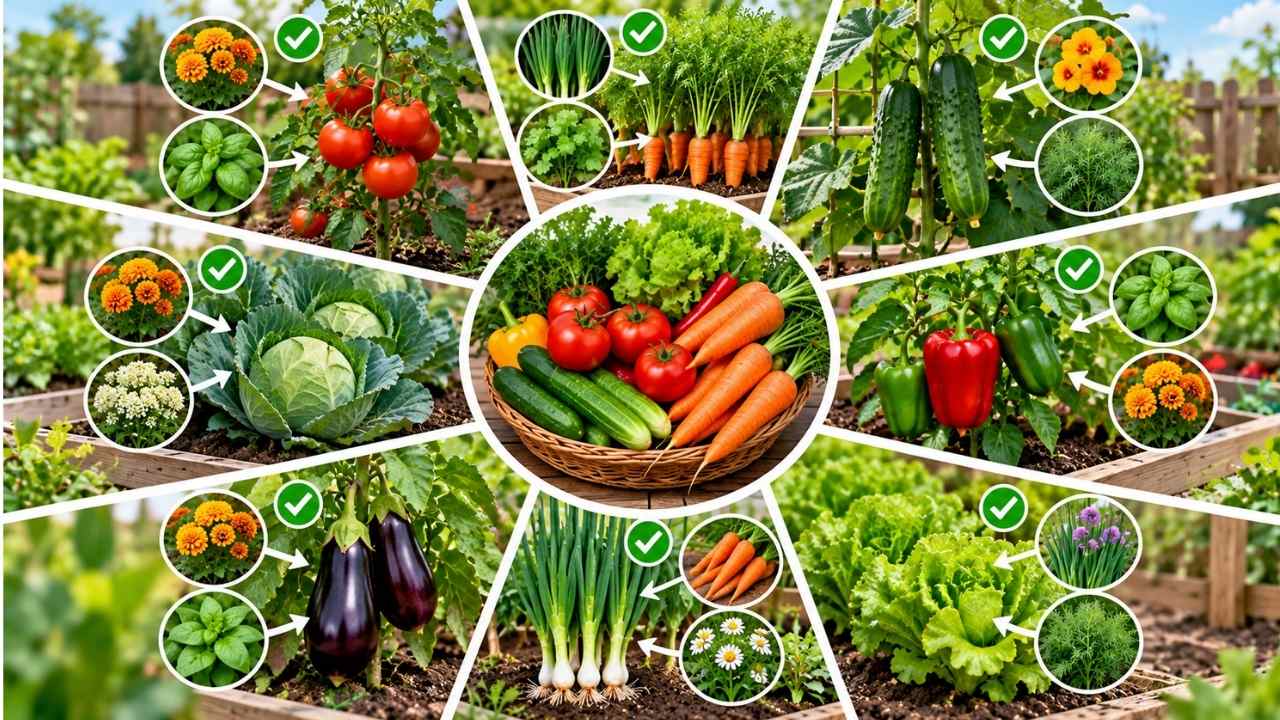
Plant garlic near helpful companion plants. Herbs like chamomile and parsley boost garlic growth. They attract beneficial insects and repel pests. Avoid planting garlic near beans or peas. These plants can stunt garlic’s growth. Use companions wisely to protect and nourish your garlic.
Garlic needs full sun to grow well. Choose a spot that gets at least six hours of sunlight daily. Sunlight helps garlic produce large, healthy bulbs. Avoid shady areas or places with tall plants nearby. Keep the garlic patch open and bright for best results.
Garlic from seed usually takes 6 to 9 months to fully grow and be ready for harvest.
Loose, well-drained soil with good organic matter is ideal for planting garlic seeds.
Water garlic seeds regularly to keep soil moist but not soggy, about once a week.
Yes, garlic can grow indoors if placed in a sunny spot with good air circulation.
Plant garlic seeds in early fall or late winter for the best growth results.
Growing garlic from seed takes patience but brings great rewards. Planting seeds in good soil helps bulbs grow strong. Water regularly and give sunlight for best results. Watch your garlic grow through each season with care. Harvest time brings fresh, tasty garlic to your kitchen.
Start small and enjoy the simple joy of gardening. Garlic growing is a fun way to connect with nature. Try it yourself and see how garlic thrives.