Gardening Made Simple.

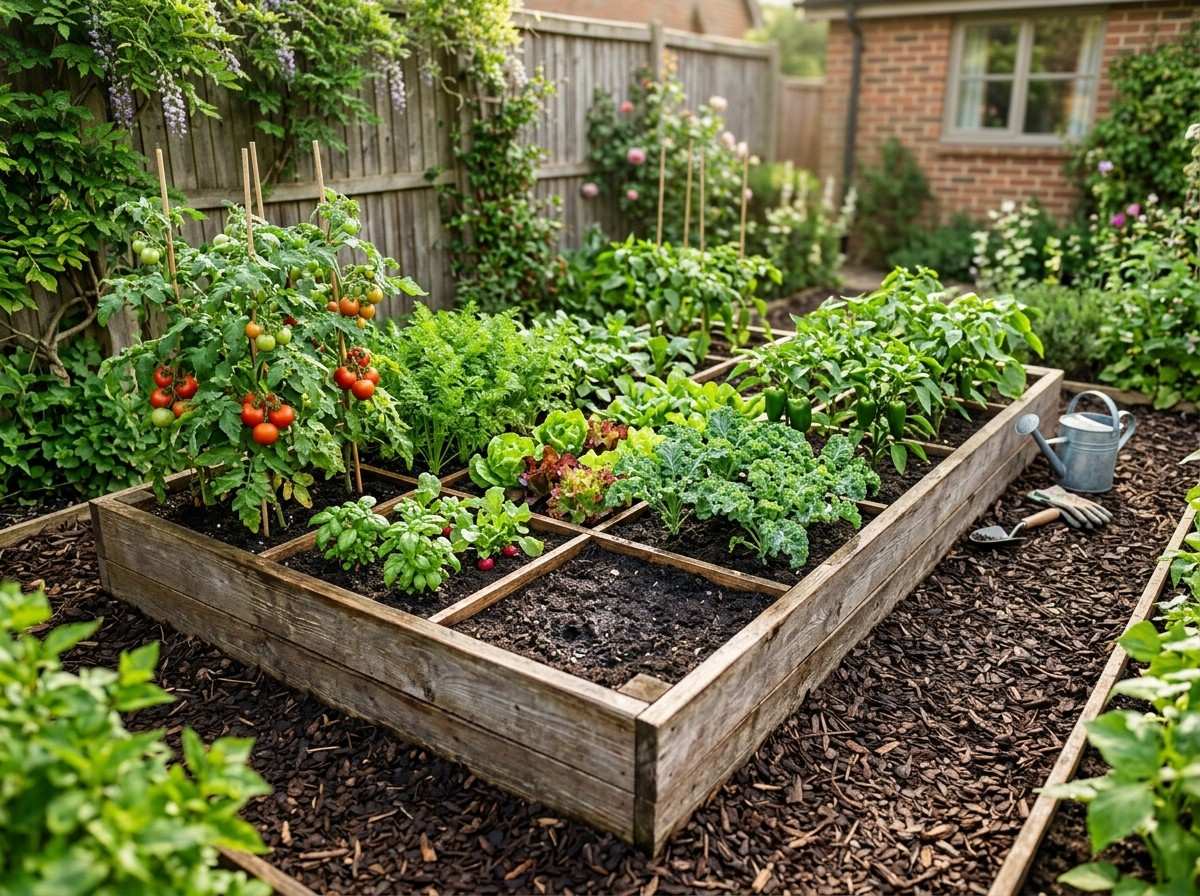
Are you looking to add fresh, vibrant greens to your home garden but short on space? Growing Swiss chard in pots could be the perfect solution, allowing you to enjoy healthy, nutrient-rich greens even in small or limited spaces.
This colorful, nutrient-packed vegetable is easy to grow, even if you don’t have a backyard. Imagine picking crisp, healthy leaves right from your balcony or windowsill whenever you want. You’ll discover simple tips and tricks to help your Swiss chard thrive in containers, so you can enjoy fresh greens all season long.
Ready to turn your small space into a mini garden full of life? Let’s dive in!
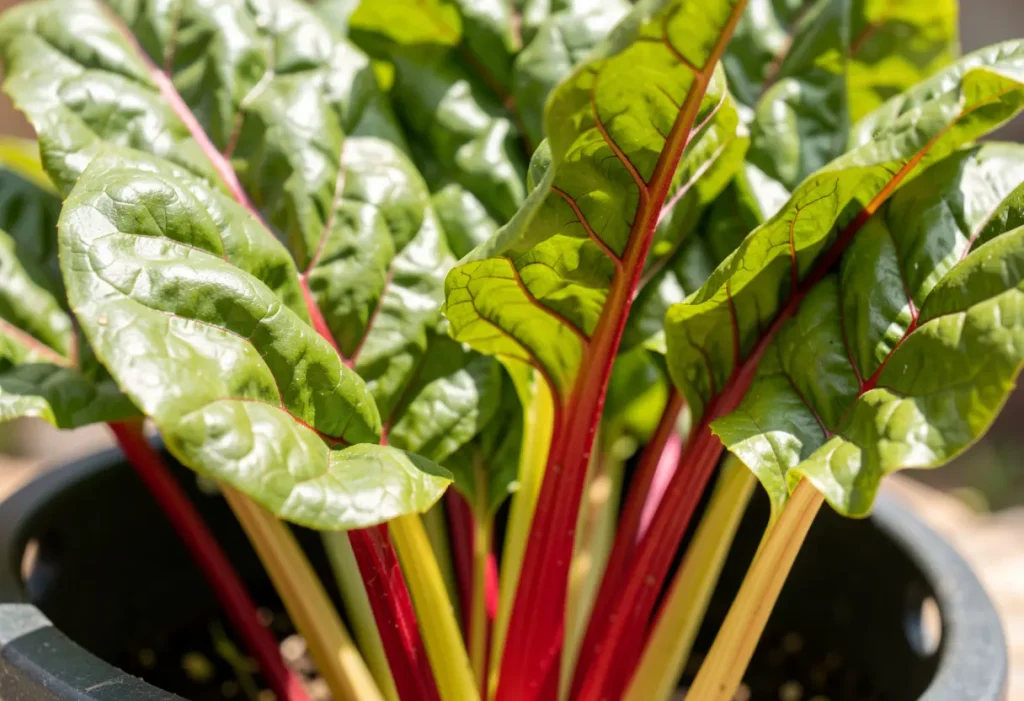
Choosing the right pot is key to growing healthy Swiss chard in pots. The pot affects how the plant grows and stays healthy. It must hold enough soil and allow roots to spread well. Picking the right pot size and material helps your Swiss chard thrive. Drainage is also very important to keep roots safe from water. A good pot supports strong growth and tasty leaves.
Swiss chard needs space for roots to grow. Choose a pot at least 12 inches deep. A wider pot helps the plant get enough nutrients. Clay, plastic, or ceramic pots all work well. Clay pots breathe better but dry out faster. Plastic pots hold moisture longer and are lighter. Pick a pot that fits your space and watering habits.
Drainage holes prevent water from sitting at the bottom. Standing water can cause root rot and kill the plant. Make sure your pot has several holes for water to escape. Add a layer of small stones or broken pots at the bottom. This helps water flow and keeps roots healthy. Good drainage keeps Swiss chard happy and growing strong.
Choosing the right soil is key for growing Swiss chard in pots. Good soil helps the plant get enough water and nutrients. Poor soil can stunt growth and reduce leaf quality. Swiss chard needs loose, rich soil that drains well but keeps moisture.
Use a potting mix that holds nutrients and air well. A mix of peat moss, compost, and perlite works great. Compost adds nutrients and improves soil texture. Perlite helps with drainage, so roots don't stay too wet. Avoid garden soil alone; it can be too heavy for pots.
Swiss chard grows best in soil with a pH between 6.0 and 7.0. This range allows plants to absorb nutrients easily. Test your soil's pH before planting. Add lime to raise pH if soil is too acidic. Use sulfur to lower pH if soil is too alkaline. Proper pH ensures strong, healthy growth.
Planting Swiss chard in pots is simple and rewarding. This leafy green grows well in containers. It needs space, sunlight, and good soil. Starting with healthy plants helps you enjoy fresh leaves all season.
Choose a pot that holds at least 8 inches of soil. Use a well-draining potting mix rich in organic matter. Water regularly but avoid soggy soil. Now, let's explore how to start Swiss chard from seeds and transplant seedlings.
Sow Swiss chard seeds directly in your pot. Plant seeds about ½ inch deep in moist soil. Space seeds 2 inches apart to give them room to grow. Keep the soil moist until seeds sprout, usually in 7 to 14 days. Thin seedlings to 4 inches apart once they grow a few leaves. This helps each plant get enough nutrients and light.
Buy seedlings from a nursery or start seeds indoors. Harden off seedlings by placing them outside for a few hours daily. This helps them adjust to outdoor conditions. Transplant seedlings into pots with rich, moist soil. Space plants 4 to 6 inches apart. Water well after planting to reduce transplant shock. Keep pots in a sunny spot for best growth.
Watering Swiss chard in pots requires careful attention. Proper watering helps the plant grow strong and healthy. The right amount of water keeps the soil moist but not soggy. Understanding how to water your Swiss chard is key to a good harvest.
Swiss chard needs soil that stays evenly moist. Water the plant whenever the top inch of soil feels dry. Use your finger to check moisture levels. Consistent watering prevents stress and keeps leaves fresh. Avoid letting the soil dry out completely between waterings. Small, frequent watering works best in pots.
Too much water can harm Swiss chard roots. Overwatering causes root rot and yellow leaves. Ensure pots have good drainage holes to let excess water escape. Water slowly to allow soil to absorb moisture. Stop watering if you see water pooling at the pot’s base. Wait until the soil starts to dry slightly before watering again.
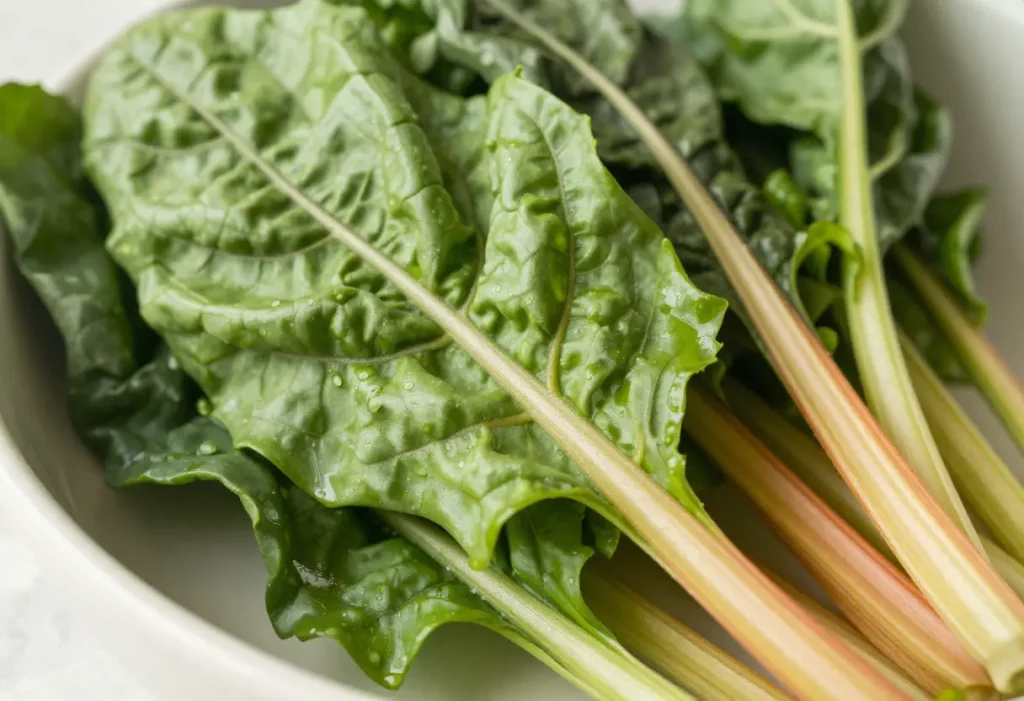
Swiss chard needs the right amount of sunlight to grow healthy in pots. Sunlight helps the leaves stay green and strong. Too little light makes the plant weak. Too much sun can burn the leaves. Knowing the sunlight needs helps you place your pots in the best spot.
Swiss chard grows best in full sun. It needs about 6 hours of sunlight each day. Morning sun is gentle and good for the plant. Afternoon sun can be very hot but still okay if the plant gets some shade. If you live in a very hot place, partial shade works well. The plant stays fresh and does not dry out quickly.
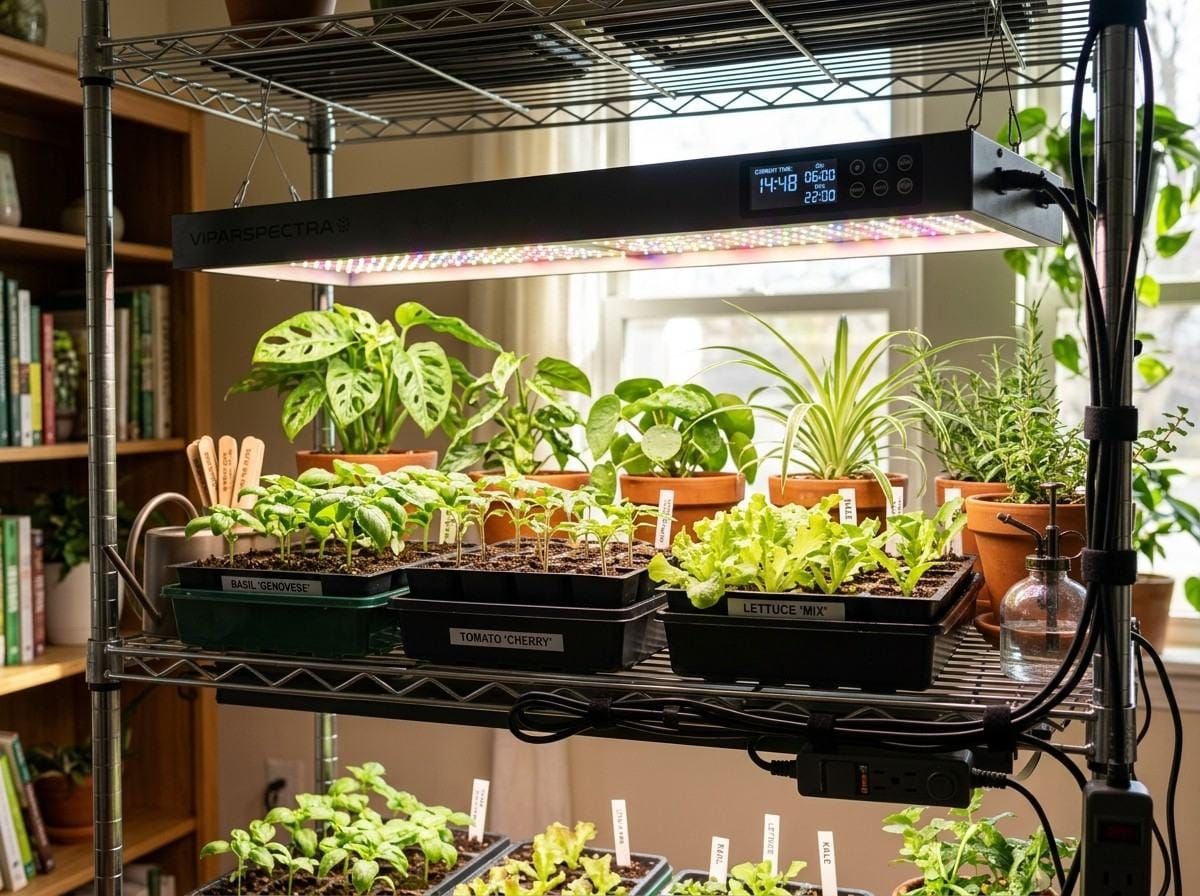
Indoor plants need extra care with light. Place your pot near a bright window that gets sunlight. South-facing windows usually give the most light. If natural light is weak, use grow lights. Keep lights on for 12 to 14 hours daily. Move the pot often so all sides get light. Watch for pale leaves; they mean not enough light.
Fertilizing Swiss chard in pots helps the plants grow strong and healthy. It gives essential nutrients that soil alone may not provide. Good fertilizing leads to big, colorful leaves and better flavor. Understanding what fertilizer to use and how often to apply it supports your plant’s growth.
Swiss chard needs balanced nutrients. Look for fertilizers with equal parts nitrogen, phosphorus, and potassium. A 10-10-10 or 14-14-14 fertilizer works well. Organic options like compost or fish emulsion also feed the plants gently. Avoid fertilizers with too much nitrogen. Excess nitrogen causes lots of leaves but fewer stems.
Feed Swiss chard every 3 to 4 weeks during the growing season. Use a liquid fertilizer for quick nutrient uptake. Follow package directions to avoid overfeeding. Water the plants before and after applying fertilizer. This prevents root burn and helps nutrients soak in. Stop fertilizing a few weeks before harvest. This ensures tasty, safe leaves for your kitchen.
Growing Swiss chard in pots is rewarding but comes with pest and disease challenges. Pests and diseases can harm your plants and reduce your harvest. Controlling these problems early helps keep your Swiss chard healthy and productive. Understanding common issues and natural prevention is key to success in container gardening.
Aphids often attack Swiss chard leaves, sucking sap and weakening plants. Leaf miners tunnel inside leaves, leaving white trails that damage leaf tissue. Fungal diseases like downy mildew cause yellow spots and fuzzy growth on leaves. Root rot can occur if pots have poor drainage and soil stays too wet. Spider mites create tiny webs and cause leaf discoloration.
Use neem oil spray to control aphids and spider mites safely. Introduce ladybugs or lacewings, natural predators that eat harmful insects. Keep plants well spaced for good air flow to reduce fungal growth. Water at the base to avoid wetting leaves and prevent mildew. Check plants regularly for early signs of pests or disease. Remove damaged leaves to stop problems from spreading.
Harvesting Swiss chard from pots is simple and rewarding. Proper harvesting helps your plant grow strong and produce more leaves. Follow these tips to know the right time to pick and how to keep your chard healthy.
Pick Swiss chard leaves when they are young and tender. Leaves usually grow large enough to harvest in about 4 to 6 weeks. Choose the outer leaves first. Leave the inner leaves to keep growing. Avoid cutting all leaves at once. This keeps the plant alive and growing.
Cut leaves carefully using clean scissors or garden shears. Trim near the base but not too close to the stem. Water your plant regularly after harvesting. Fertilize every few weeks to support new growth. Keep the pot in a sunny spot to help leaves grow fast. Regular picking encourages the plant to produce more leaves.
Growing Swiss chard in pots can bring fresh, healthy greens to your home. Sometimes, problems arise that affect your plant’s health. Knowing how to spot and fix these issues helps your chard grow strong and vibrant. Below are common problems and easy ways to address them.
Yellow leaves often mean your Swiss chard lacks nutrients. This usually happens if the soil is poor or old. Use a balanced, water-soluble fertilizer every two weeks. Check watering habits too. Too much or too little water can cause yellowing. Make sure your pot has good drainage. Remove yellow leaves to keep the plant healthy.
Wilting shows your Swiss chard is stressed. It may not get enough water or could be too hot. Water the plant deeply, but avoid soggy soil. Place the pot in a spot with partial shade during hot days. Stunted growth can also come from pests or root issues. Look under leaves for insects. Treat pests with mild insect soap. If roots look crowded, repot the plant into a larger container.
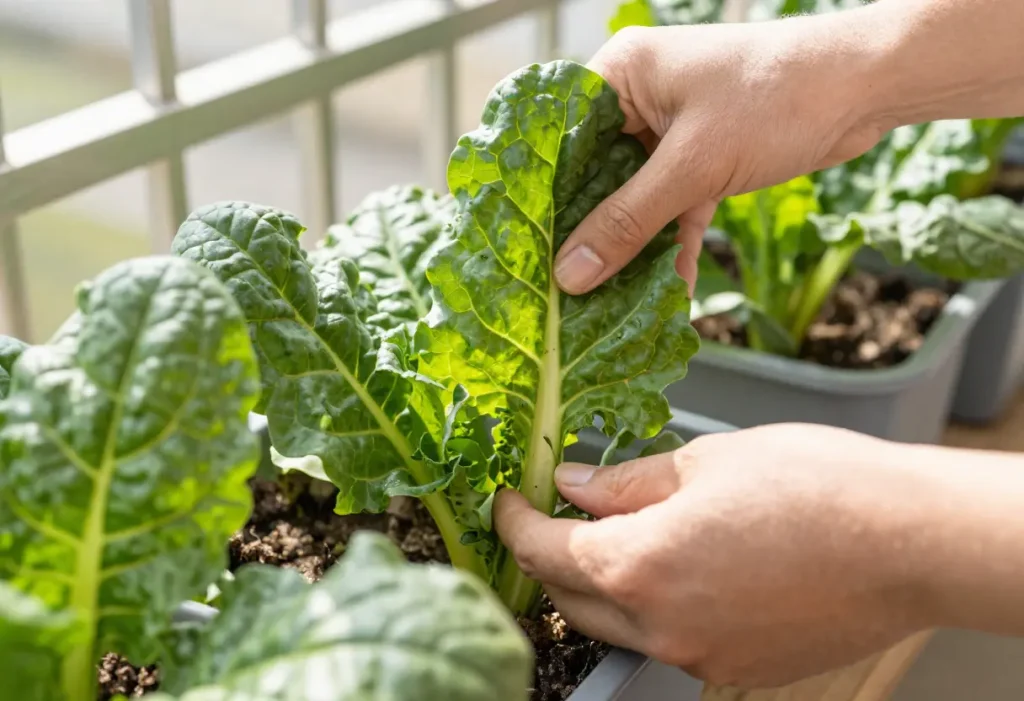
Swiss chard grows best with 4 to 6 hours of sunlight daily. Too much direct sun can cause leaf burn. Partial shade helps in hot climates.
Use well-draining, nutrient-rich potting soil for healthy growth. Adding compost boosts soil fertility and moisture retention. Avoid heavy or clay soils.
Water Swiss chard when the top inch of soil feels dry. Keep soil moist but not soggy to prevent root rot. Frequent watering is needed during hot weather.
Choose a pot at least 12 inches deep and wide. This size allows roots to grow and prevents drying out. Bigger pots hold more soil and moisture.
Yes, Swiss chard can grow indoors with enough light. Place the pot near a sunny window or use grow lights. Indoor plants need good air flow to stay healthy.
Growing Swiss chard in pots brings fresh greens to small spaces. You can enjoy healthy leaves all season long. Choose a sunny spot and water regularly. Use good soil and feed your plants well. Watch them grow fast and pick leaves often.
Pots let you move plants as needed. Swiss chard adds color and nutrition to meals. Start your container garden today and enjoy fresh harvests. Simple steps lead to great results. Gardening in pots feels rewarding and fun. Give it a try!