Gardening Made Simple.

If you love fresh basil in your cooking, you probably want your plants to grow big and healthy. But How Much Sun Does Basil Need to truly thrive? Understanding the right amount of sunlight helps you grow stronger plants, fuller leaves, and more flavorful harvests all season long.
Giving your basil the right amount of sunlight can make all the difference between a handful of leaves and a flourishing herb garden. You’ll discover exactly how to care for your basil with the perfect sun exposure, so you can enjoy vibrant, flavorful leaves all season long.
Keep reading—you’re just a few steps away from becoming a basil-growing pro!

Basil needs the right amount of sunlight to grow well. Too little sun can make it weak. Too much sun can cause damage. Knowing how much sun basil needs helps you grow a healthy plant.
Sunlight affects basil’s color, taste, and growth speed. Understanding these basics is key to good care. Let’s explore how sunlight impacts basil plants.
Basil grows best with 6 to 8 hours of sun daily. Morning sun is gentle and very helpful. Avoid harsh afternoon sun in hot climates. Partial shade can protect basil from burning. Bright, indirect light works well indoors.
Leaves turning brown or crispy means sun damage. Wilting during the hottest hours is a warning. Pale or yellow leaves show too much light. Scorched spots on leaves appear from strong sun. Move basil to a shadier spot if needed.
More sun helps basil grow faster and fuller. Lack of light slows growth and makes stems weak. Basil with enough sun has deep green leaves. Plants in low light may become leggy. Balanced sunlight keeps basil healthy and strong.
Choosing the right location is key to growing healthy basil. Basil needs enough sunlight to grow strong and flavorful. Too little light can make the plant weak. Too much direct sun can cause leaves to burn. Picking the best spot helps the basil thrive and stay green.
Consider where your basil will get the best balance of light and shade. Both indoor and outdoor spaces can work well if you plan carefully. Understanding how much sun your basil needs will guide your location choice.
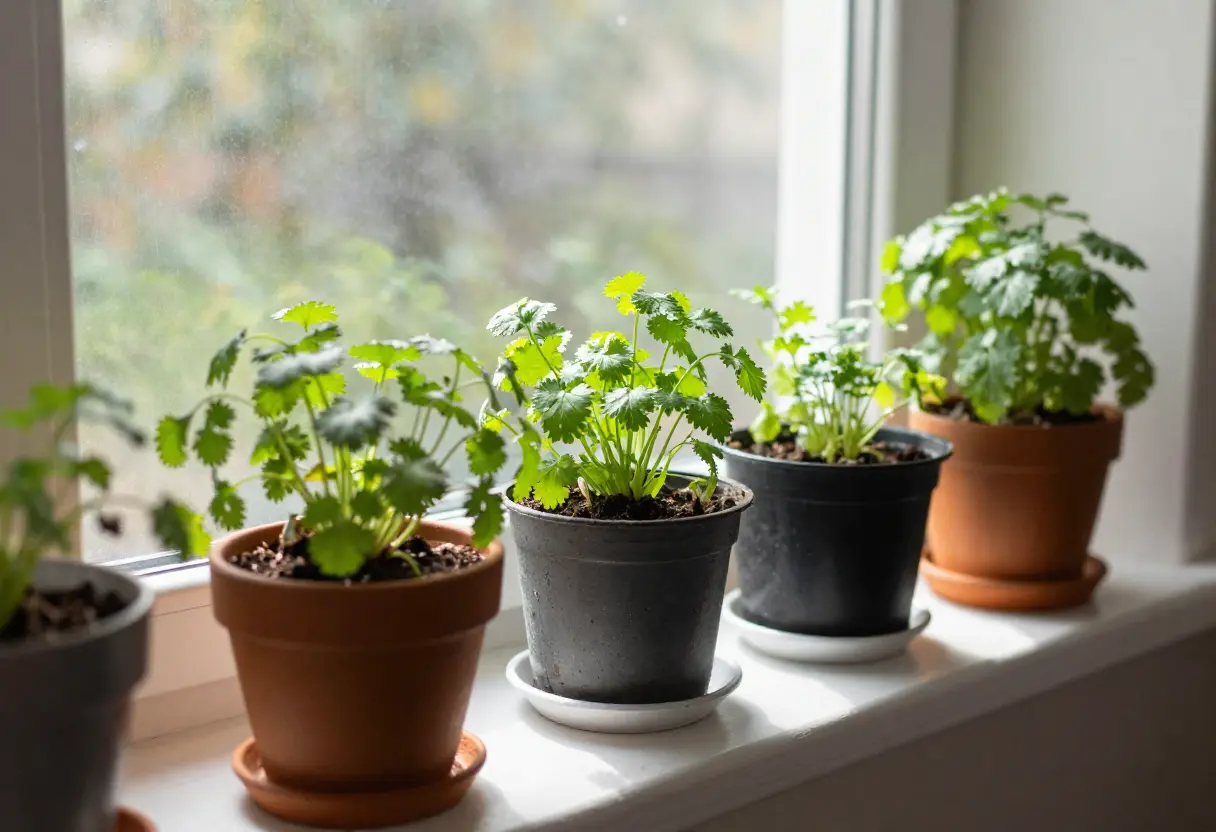
Place basil near a window that gets at least six hours of sunlight. South-facing windows usually provide the best light. East- or west-facing windows can work if the light is strong enough. Avoid spots with direct afternoon sun through glass, which can be too hot. Rotate the plant often to help all sides get light.
Choose a spot with morning sun and some afternoon shade. Basil likes about six hours of sunlight daily. Too much hot sun can dry out the leaves. Plant basil in well-drained soil to avoid waterlogging. Space plants so air can move freely to prevent disease.
Grow lights are helpful when natural light is limited. Use full-spectrum LED lights for the best results. Keep lights on for 12 to 16 hours a day to mimic daylight. Place lights 6 to 12 inches above the basil leaves. Turn lights off at night to give the plant rest.

Basil needs sunlight to grow strong, but too much sun can harm it. Finding the right balance between sun and shade helps basil stay healthy. This balance depends on the weather and the type of basil you have.
Too much sun can dry out the leaves, while too little sun can slow growth. Knowing how to give basil the right amount of sun and shade will improve its flavor and size.
Partial shade helps protect basil from harsh sunlight. It keeps the leaves cooler and stops them from drying out. Basil in partial shade grows with tender, bright green leaves. This setting is good for hot summer days.
Leaf burn happens when basil gets too much direct sun. Leaves turn brown and crispy. To avoid this, plant basil where it gets morning sun and afternoon shade. This schedule limits the strongest sunlight. Check leaves often for signs of burn.
In hot climates, basil needs more shade to stay fresh. In cooler areas, basil enjoys full sun. Adjust sun exposure based on local weather. Move pots to shaded spots in heat waves. Outdoor gardens may need shade cloth or nearby plants for cover.
Basil needs sunlight to grow well. The amount of sun changes with seasons. This affects how much light basil gets daily. Knowing these changes helps keep basil healthy year-round.
Plants react to sunlight shifts. Basil is no different. Adjusting care to seasons is key. Let’s explore how summer and winter affect basil’s sunlight needs.
Summer days are long and hot. Basil can get too much sun. Leaves may burn under strong light. Too much heat dries the soil fast. Basil needs some shade during peak hours. Watering often helps keep basil fresh. Watch for leaf yellowing or crisp edges. Move pots to cooler spots if needed.
Winter days are short and dull. Basil gets less natural sunlight now. Indoor growing becomes a good choice. Place basil near a south-facing window. Use grow lights if sunlight is weak. Keep basil away from cold drafts. Maintain room temperature above 50°F (10°C). These steps help basil survive winter well.
Change basil care with each season. Adjust watering to match sunlight levels. Monitor leaf color and growth speed. Move basil to sunnier spots in spring. Provide shade or ventilation in summer. Bring plants indoors before frost arrives. Regular checks keep basil thriving every season.
Basil's flavor depends a lot on sunlight. The amount of sun a basil plant receives changes how strong and fresh its taste is. Sunlight helps basil make oils that give it aroma and flavor. Growing basil in different light conditions results in distinct taste profiles. Understanding this helps you grow basil with the best flavor for your dishes.
Sunlight boosts the production of essential oils in basil leaves. These oils are what give basil its sweet and spicy smell. More sun means more oils and a stronger aroma. Basil grown in shade has fewer oils and a milder scent. The smell is a good hint of how flavorful the basil will be.
Basil grown in full sun tastes sharper and more intense. It has a peppery and fresh flavor that brightens food. Basil grown in shade tastes softer and less bold. The difference comes from how much sunlight the plant gets. Sunlight helps the plant build up more flavor compounds.
Harvest basil early in the day for the best flavor. The oils are most potent after the morning sun. Waiting until later can cause the flavor to weaken. Sunlight during the day helps build these oils, so timing matters. Picking basil at the right time keeps the flavor fresh and strong.

Basil needs about 6 to 8 hours of direct sunlight each day. This helps it grow strong and healthy. Too little sun makes the leaves weak and pale.
Yes, basil can grow in partial shade but grows slower. It prefers sunny spots but can survive with 4 to 5 hours of light. Less sun means less flavor in the leaves.
Too much sun can cause basil leaves to dry out or burn. It may wilt or turn brown on the edges. Watering well and some afternoon shade can help protect it.
Morning sun is gentler and ideal for basil growth. Afternoon sun is hotter and may stress the plant. A mix of both often works best for healthy basil.
Basil that lacks sun will have pale, small leaves and weak stems. It may grow tall but leggy, reaching for light. Moving it to a sunnier spot usually helps.
Basil grows best with plenty of sunlight each day. Aim for at least six hours of direct sun. Too little sun makes basil weak and slow to grow. Too much heat can cause the leaves to burn. Find a sunny, warm spot for your basil plant.
Water it regularly but avoid soggy soil. Healthy basil needs sun, water, and good care. Watch your plant closely and adjust its spot if needed. With the right sun, your basil will thrive and taste fresh. Growing basil can be simple and rewarding.