Gardening Made Simple.
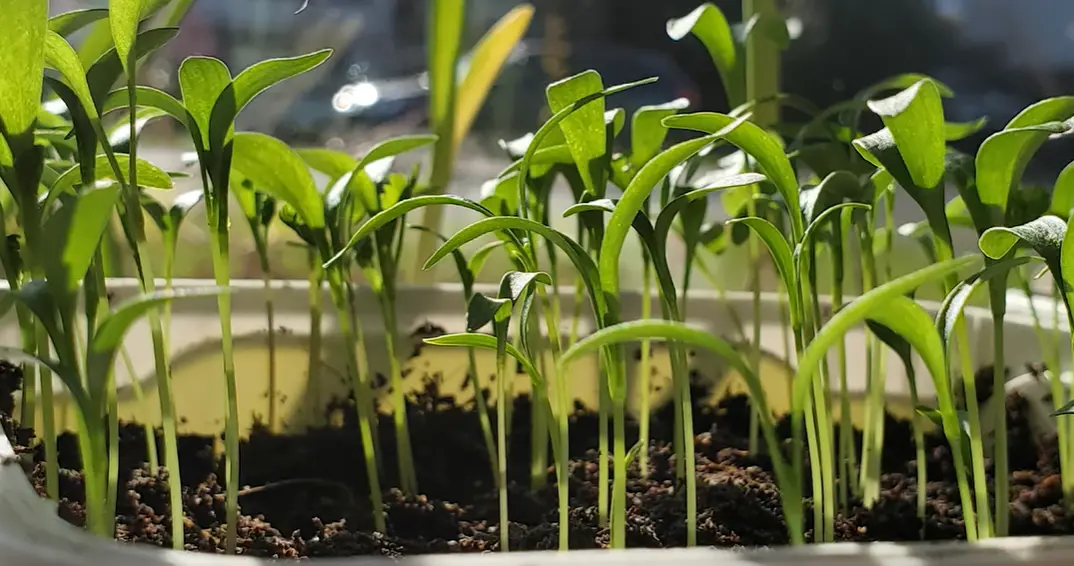
Are you ready to add fresh, vibrant flavor to your meals? How to Grow Cilantro at home is easier than you think, letting you enjoy bright, zesty, and flavorful herbs straight from your garden.
Imagine snipping fresh leaves right from your garden or windowsill whenever you need them. In this guide, you’ll discover simple steps to grow cilantro successfully, avoid common mistakes, and keep your plants thriving. Keep reading, and soon you’ll enjoy a steady supply of this amazing herb that makes every dish better.
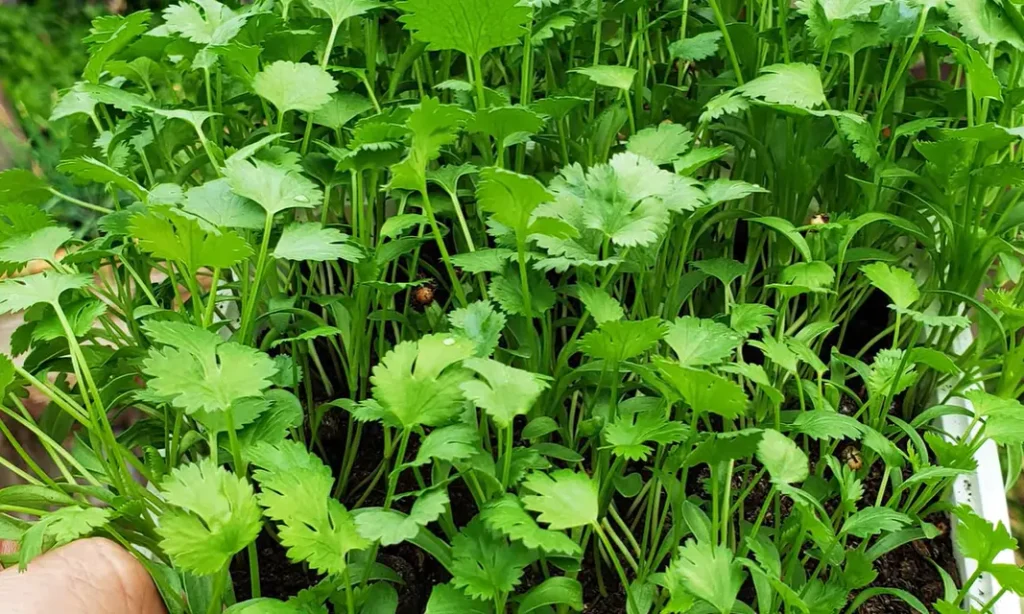
Choosing the right cilantro variety is important for a successful garden. Different types of cilantro have unique flavors and growing habits. Selecting the best variety helps you enjoy fresh, tasty leaves all season.
Some varieties grow faster, while others handle heat better. Knowing these traits makes your garden thrive. Let’s explore popular cilantro types to find the perfect match for your needs.
Classic cilantro is the most common variety. It has a strong, fresh flavor and grows quickly. This type suits most climates and is great for beginners.
Slow-bolting cilantro stays green longer in warm weather. It produces leaves without flowering too fast. This type works well if you want fresh leaves for weeks.
Leafy varieties have larger leaves and a milder taste. They are ideal for salads and garnishes. These types often grow bushier, giving more harvest per plant.
Heat-tolerant cilantro grows well in hot climates. It resists early flowering and stays fresh under sun. This variety keeps your garden green even in warm months.
Growing cilantro starts with the right soil and location. Good soil and a proper spot help cilantro grow healthy and strong. Cilantro prefers certain soil types and sunlight to thrive. Choosing the best soil and place is key for a rich harvest.
Cilantro grows best in loose, well-drained soil. Sandy loam or loamy soil works well. Soil should hold moisture but not stay soggy. Rich soil with organic matter helps cilantro roots spread.
The ideal soil pH for cilantro is between 6.2 and 6.8. Slightly acidic to neutral soil helps plants absorb nutrients. Test soil pH before planting to ensure good growth.
Cilantro needs full sun for at least 4 to 5 hours daily. Morning sun is best, especially in hot climates. Partial shade works well in very hot areas to prevent wilting.
Choose a spot with good air circulation to avoid mold. Avoid places near tall plants that block sunlight. A raised bed or container helps with drainage and soil control.
Planting cilantro seeds is the first step to growing fresh, flavorful cilantro at home. It is a simple process but requires some care. Proper planting ensures healthy growth and a good harvest. Start with good soil and fresh seeds for the best results.
Cilantro grows best in cool weather. Plant seeds in early spring or fall. Avoid hot summer months, as cilantro bolts quickly in heat. Choose a time when the soil is moist but not wet. This helps seeds sprout faster.
Plant cilantro seeds about ¼ to ½ inch deep. Cover lightly with soil. Space seeds 6 to 8 inches apart. This gives plants room to grow. Crowding causes poor air flow and weak plants. Thin seedlings if they grow too close together.
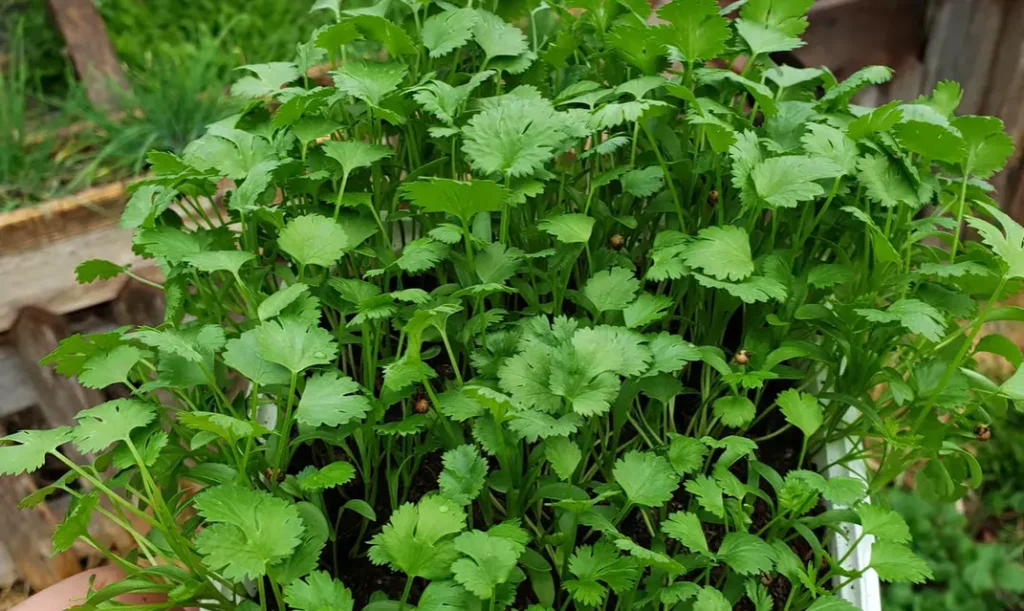
Proper watering and fertilizing play key roles in growing healthy cilantro. Both help the plant absorb nutrients and stay strong. Water keeps the soil moist and supports leaf growth. Fertilizers add important minerals that cilantro needs to grow fast and flavorful.
Cilantro needs consistent moisture but dislikes soggy soil. Water the plant about twice a week. Check the top inch of soil. If it feels dry, it is time to water. During hot weather, increase watering to keep the soil damp. Avoid letting water sit around the roots. Good drainage helps prevent root rot and disease.
Use a balanced fertilizer with equal parts nitrogen, phosphorus, and potassium. This mix supports leaf growth and root health. A liquid fertilizer works well for cilantro and feeds plants quickly. Apply fertilizer every three to four weeks for steady growth. Organic options, like compost or fish emulsion, also boost soil nutrients naturally.
Cilantro needs the right sunlight and temperature to grow well. These two factors affect its taste, leaf size, and how fast it grows. Proper care helps keep the plant healthy and fresh for longer.
Cilantro grows best with 4 to 6 hours of sunlight daily. Too much sun can make the leaves bitter. Too little sun slows down growth. Morning sun is gentle and ideal for cilantro.
Use shade cloth or plant near taller plants. This blocks strong afternoon sun. It keeps the soil moist and cool. Cilantro prefers cooler, shaded spots in hot climates.
Cilantro grows best between 50°F and 85°F (10°C to 29°C). Temperatures above 85°F cause the plant to bolt quickly. Bolting means it flowers and stops producing leaves.
Water cilantro regularly during hot days. Mulch the soil to keep it cool. Move pots to shaded areas if temperatures rise too high.
Growing healthy cilantro means keeping pests and diseases away. Pests can eat the leaves, and diseases can stunt growth. Taking steps to prevent these problems helps your cilantro thrive. Early care saves time and effort later. Keep your plants strong and clean for best results.
Aphids are small insects that suck plant juices. They cause leaves to curl and yellow. Look for tiny green or black bugs on leaves. Whiteflies also attack cilantro. They fly around when disturbed and leave sticky residue. Spider mites are tiny and hard to see. They cause speckled leaves and webbing on plants.
Handpick pests or spray plants with water to remove them. Use insecticidal soap for tough infestations. Avoid harsh chemicals that harm beneficial insects. Encourage ladybugs and lacewings, natural pest enemies.
Cilantro can suffer from fungal diseases like powdery mildew. This disease shows as white powder on leaves. Leaf spot causes dark spots and weakens plants. Good air circulation reduces disease risks. Avoid overhead watering to keep leaves dry.
Remove and destroy infected leaves quickly. Use disease-resistant cilantro varieties if available. Rotate crops yearly to prevent soil-borne diseases. Healthy soil and proper watering keep plants strong.
Harvesting cilantro at the right time and in the right way makes a big difference. Freshly picked cilantro has the best flavor and aroma. Knowing when and how to harvest helps keep the plant healthy. It also ensures more leaves grow back for future use.
Pick cilantro leaves before the plant flowers. Leaves taste strongest just before flowering starts. Usually, this happens about 3 to 4 weeks after planting. Harvest early in the morning for the freshest flavor. If you wait too long, the leaves become bitter. Watch for bright green leaves that look healthy and fresh.
Use sharp scissors or garden shears to cut cilantro. Cut the outer leaves first, near the base of the stem. Leave the inner leaves to grow for later harvests. Avoid pulling the plant from the soil. This allows the plant to keep growing new leaves. Harvest gently to avoid damaging the plant.
Extending the growing season helps you enjoy fresh cilantro for longer. Cilantro grows best in cool weather. Warm temperatures make it bolt quickly. You can use some smart methods to keep cilantro thriving beyond normal seasons. These methods include planting at different times and growing indoors.
Succession planting means sowing cilantro seeds every two to three weeks. This ensures fresh plants grow continuously. When one batch finishes, another is ready to harvest. Plant seeds in small rows or containers. Keep soil moist and well-drained. This method spreads out the harvest over many weeks. You avoid a large harvest all at once. Succession planting works well in early spring and fall. It helps you avoid heat stress on the plants.
Growing cilantro indoors lets you control temperature and light. Use a pot with good drainage and fill it with quality potting soil. Place the pot near a sunny window or under grow lights. Cilantro needs at least four to six hours of light daily. Water regularly but avoid soggy soil. Indoor cilantro grows slower but stays fresh longer. Rotate the pot to keep plants growing evenly. Indoor growing is perfect for winter months or hot summers. It provides fresh leaves year-round without weather problems.
Saving cilantro seeds helps you grow new plants next season. It saves money and keeps your garden healthy. Collecting seeds is simple and rewarding. You get fresh cilantro year after year.
Seeds store the plant’s traits. Saving them means you keep the same flavor and quality. Proper seed saving also ensures better germination and strong plants.
Pick healthy plants for seed saving. Look for strong stems and vibrant leaves. Avoid plants with disease or pests. Choose plants that show good growth and flavor.
Let cilantro flower and produce seeds. Wait until seed heads turn brown and dry. Cut seed heads carefully with scissors. Collect seeds in a paper bag for drying.
Remove seeds from seed heads by rubbing gently. Separate seeds from chaff by blowing lightly. Store seeds in a cool, dry place. Use airtight containers or envelopes for storage.
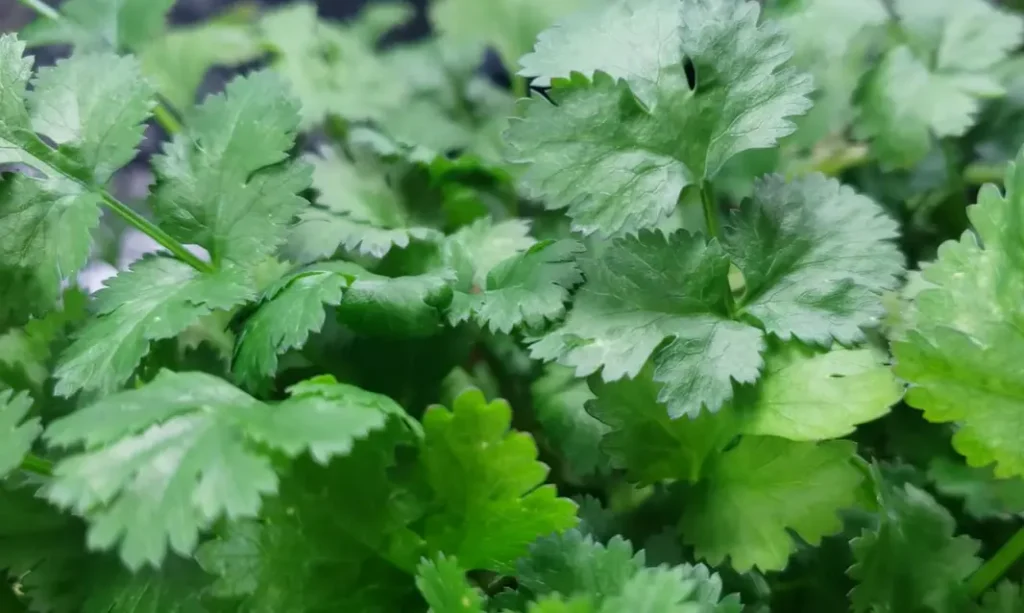
Cilantro seeds usually sprout in 7 to 10 days. Full growth occurs in about 3 to 4 weeks. Quick and easy for fresh herbs.
Cilantro grows best in well-drained, loamy soil. The soil should be rich in organic matter. Keep it moist but not soggy.
Water cilantro regularly to keep the soil slightly moist. Avoid overwatering to prevent root rot. A good rule: water when top inch feels dry.
Cilantro can grow indoors with enough sunlight. Place it near a sunny window for 4-5 hours daily. Indoor growing is great for fresh herbs year-round.
Keep cilantro cool and water it consistently to slow bolting. Plant in partial shade during hot weather. Harvest leaves early to enjoy fresh taste longer.
Growing cilantro can be simple and rewarding. Choose a sunny spot with good soil. Water regularly but avoid soggy ground. Harvest leaves often to keep plants healthy. Watch for pests and remove them quickly. Fresh cilantro adds great flavor to many dishes.
Enjoy the process and fresh herbs at home. Start today and see how easy it can be. Your kitchen will thank you!