Gardening Made Simple.
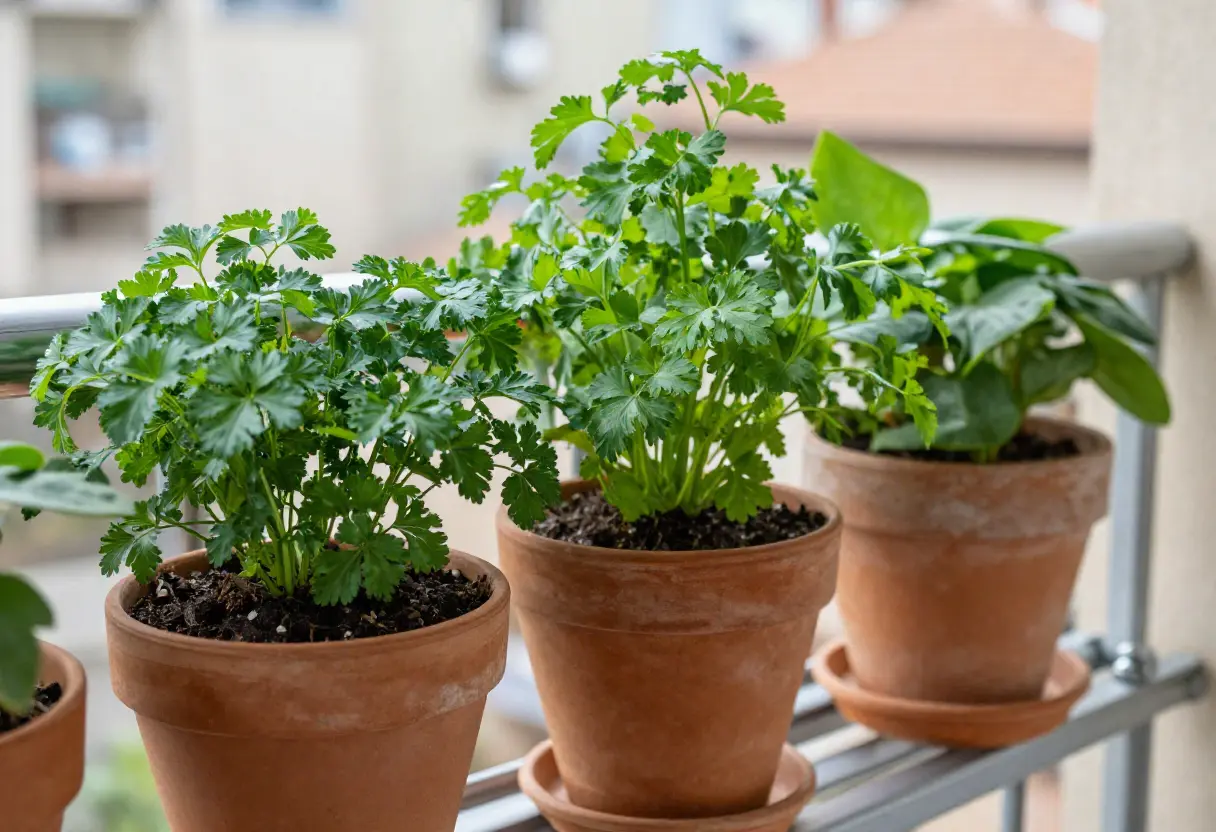
Want fresh parsley right at your fingertips? Growing parsley in pots is easier than you think, even if you don’t have a big garden. Learning How to Grow Parsley in Pots will help you enjoy fresh, flavorful herbs at home with minimal effort.
Imagine snipping vibrant green leaves whenever you need them for your meals. This simple step can boost your cooking and add a fresh touch to your dishes. Keep reading, and you’ll discover easy tips to help your parsley thrive in pots, whether you’re a beginner or have tried growing herbs before.
Your kitchen garden starts here!
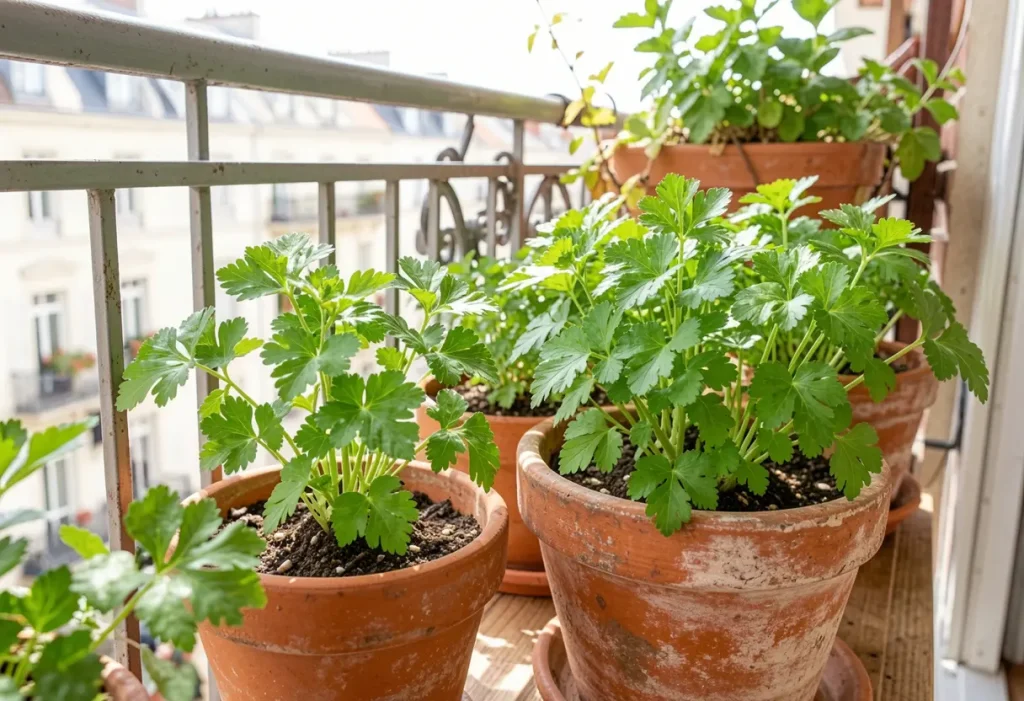
Choosing the right pot for growing parsley is important. The pot affects how well the plant grows and stays healthy. Picking the right size and type can help parsley get enough space, air, and water. These factors make a big difference in growing strong parsley plants at home.
Parsley needs enough room for roots to spread. A pot about 8 to 10 inches deep works well. Too small pots can stop growth and cause stress. Larger pots hold more soil and water, which helps parsley stay hydrated longer.
Material matters too. Clay pots are porous and let air reach roots. This can keep soil from staying too wet. Plastic pots hold water longer but can make soil wet if drainage is poor. Choose a pot that suits your watering habits and space.
Good drainage is key for parsley health. Pots must have holes at the bottom. These holes let extra water escape. Standing water can cause root rot and kill the plant.
If your pot has no holes, add some or use it only with care. Place a layer of small stones or gravel at the bottom. This helps water flow out and keeps roots dry. Proper drainage helps parsley grow strong and fresh.
Selecting quality parsley seeds or seedlings is the first step for a healthy plant. Good seeds or seedlings ensure strong growth and rich flavor. It helps avoid common problems like weak plants or slow growth. Choosing the right type of parsley also matters for your cooking and garden style.
Flat-leaf parsley has broad, flat leaves. It offers a stronger flavor and is easier to chop. Chefs often prefer it for cooking. Curly parsley has ruffled, curly leaves. It looks bright and decorative. Its taste is milder and less intense. Both types grow well in pots. Choose based on your taste and use.
Seedlings save time and effort compared to seeds. They start growing faster once planted in pots. Seedlings are easier for beginners to handle. They reduce the risk of failure during germination. Healthy seedlings give a clear idea of plant health. Choose strong, green seedlings without damage or spots.
Preparing the soil is the first step to growing healthy parsley in pots. Good soil helps the plant get enough water, air, and nutrients. It also supports strong root growth. Taking time to prepare the soil well makes a big difference in the plant’s growth and flavor.
Parsley grows best in loose, well-draining soil. Heavy or clay soils hold too much water and can cause root rot. Use potting mix designed for herbs or vegetables. This type of soil stays light and drains well.
Parsley prefers soil with a pH between 6.0 and 7.0. This range means the soil is slightly acidic to neutral. Test your soil’s pH with a simple kit. Adjust pH by adding lime to raise it or sulfur to lower it.
Parsley needs soil rich in nutrients to grow lush leaves. Mix compost or aged manure into the potting soil before planting. These add organic matter and improve soil fertility.
Use a balanced, slow-release fertilizer to feed parsley every few weeks. Look for one with equal amounts of nitrogen, phosphorus, and potassium. Avoid overfeeding, which can harm the plant.
Planting parsley in pots is a great way to grow fresh herbs at home. It allows control over soil and sunlight. Parsley grows well in containers with good drainage and rich soil. You can start from seeds or seedlings depending on your preference.
Choose a pot at least 8 inches deep with drainage holes. Fill it with a light, well-draining potting mix. Sprinkle parsley seeds thinly on the surface. Cover seeds lightly with about 1/4 inch of soil. Water gently to moisten the soil. Keep the pot in a warm spot with indirect sunlight. Maintain soil moisture but avoid waterlogging. Seeds usually sprout in 2 to 4 weeks. Thin seedlings to avoid overcrowding once they grow.
Start parsley seeds indoors in small trays or pots. Transplant seedlings when they have 2 to 3 sets of true leaves. Choose a pot with good drainage and fill it with quality potting mix. Dig small holes to place each seedling carefully. Space seedlings about 6 to 8 inches apart. Water the soil well after planting. Place the pot in a spot with 4 to 6 hours of sunlight daily. Keep soil moist but not soaked. Transplanted parsley grows stronger with proper care.
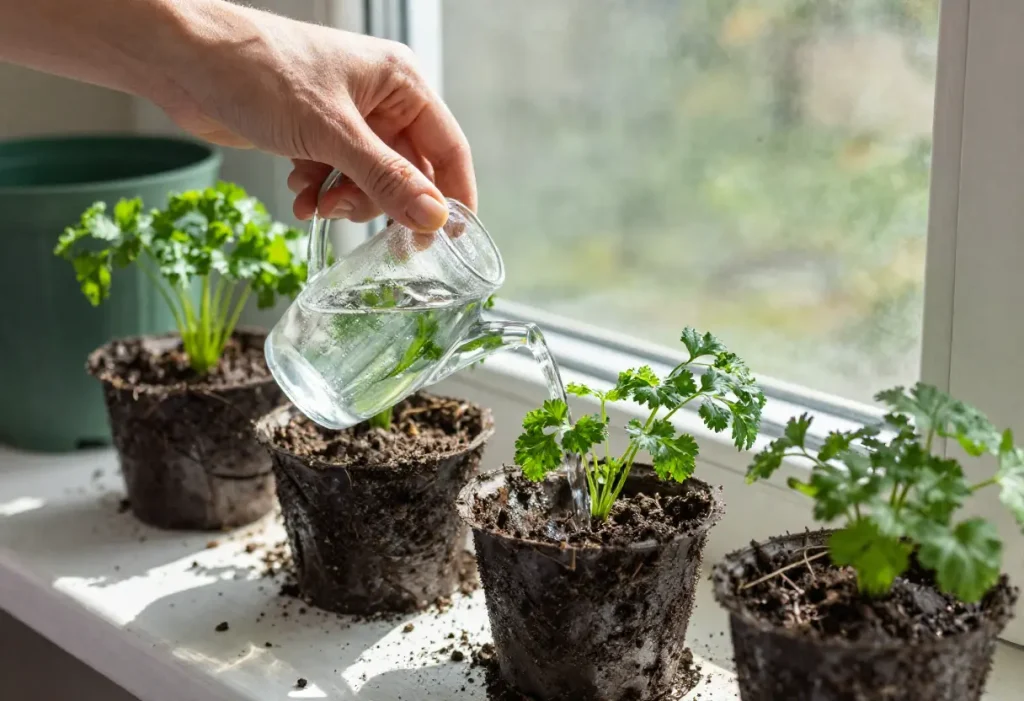
Watering parsley in pots needs care and attention. Proper watering helps the plant grow healthy and strong. Parsley likes moist soil, but too much water can harm it. Understanding the right watering techniques ensures your parsley thrives in its container.
Water parsley when the top inch of soil feels dry. Usually, watering every two to three days works well. During hot weather, check soil moisture daily. Give enough water to soak the soil deeply. This encourages roots to grow well and reach for water.
Too much water causes root rot and weak plants. Make sure the pot has drainage holes to let excess water out. Empty any water collected in the saucer under the pot. Signs of overwatering include yellow leaves and a mushy stem. Water only when the soil is not wet to the touch.
Sunlight and placement play a big role in growing healthy parsley in pots. Parsley needs enough light to grow green and fresh. Too little light makes it weak and leggy. Too much light, especially hot afternoon sun, can dry it out quickly. Choosing the right spot helps the plant thrive and stay strong.
Parsley grows best with 4 to 6 hours of sunlight each day. Morning sun is gentle and perfect. Afternoon sun can be too strong and burn the leaves. If your area is very hot, a spot with some shade in the afternoon works well. Bright, indirect light also helps parsley grow indoors.
Outdoor parsley usually gets enough natural sunlight. Place pots on a balcony or patio with morning sun. Keep pots away from harsh midday sun. Indoor parsley needs a bright window with plenty of light. South-facing windows are often the best choice. Use grow lights if natural light is limited.
Fertilizing parsley is key to growing healthy plants in pots. Parsley needs nutrients to grow strong leaves and roots. Without proper feeding, the plant may become weak and produce fewer leaves. The right fertilizer helps parsley stay green and fresh. It also supports steady growth throughout the season.
Use balanced fertilizers with equal parts nitrogen, phosphorus, and potassium. Nitrogen helps leaves grow lush and green. Phosphorus supports root development. Potassium strengthens the plant’s overall health. Organic options like compost or fish emulsion work well. Liquid fertilizers are easy to apply and absorb quickly. Slow-release granules provide nutrients over time. Choose a fertilizer labeled for herbs or leafy greens.
Feed parsley every 3 to 4 weeks during the growing season. Start fertilizing a few weeks after planting. Avoid overfeeding to prevent leaf burn or weak growth. Water the plant before applying fertilizer to protect roots. Reduce feeding in winter when growth slows. Monitor the plant’s color and size to adjust feeding. Healthy, dark green leaves show the right nutrient balance.
Pruning and harvesting parsley grown in pots helps keep the plant healthy and productive. Regular cutting encourages fresh growth and prevents the plant from becoming leggy. Proper care during these stages ensures a steady supply of flavorful leaves.
Cut parsley stems near the base to promote new shoots. Trim outer leaves first, allowing the inner ones to grow. Avoid cutting more than one-third of the plant at once. This helps the plant recover faster and grow bushier. Remove any yellow or dead leaves to keep the plant healthy.
Harvest parsley in the morning for the best flavor. Use clean scissors or garden shears to cut stems. Pick leaves from the outside of the plant first. Leave the inner growth untouched for continuous harvests. Regular harvesting encourages the plant to produce more leaves. Avoid pulling the stems to prevent root damage.
Growing parsley in pots is rewarding, but pests and diseases can harm your plants. Managing these problems early keeps your parsley healthy. Spotting issues on time helps you act fast. Use safe methods to protect your plants without chemicals.
Parsley in pots faces several pests and diseases. Aphids are tiny bugs that suck plant juices. They cause leaves to curl and turn yellow. Spider mites create tiny webs and leave spots on leaves. Whiteflies are small white insects that fly off when disturbed. Fungal diseases like powdery mildew cover leaves with white powder. Root rot happens when soil stays too wet, making roots black and soft.
Use natural ways to control pests and diseases on parsley. Spray plants with water to wash off aphids and whiteflies. Introduce ladybugs; they eat aphids naturally. Neem oil spray controls many pests without harming plants. Mix baking soda and water to fight powdery mildew. Avoid overwatering to prevent root rot. Remove affected leaves to stop disease spread.
Growing parsley in pots is easy and rewarding. To enjoy fresh leaves all year, follow some simple tips. Caring for parsley changes with the seasons. Small steps can keep your plant healthy and productive. This section covers key ways to grow parsley year-round.
Parsley needs more water in hot months. Water the plant when the soil feels dry. In winter, reduce watering to avoid root rot. Place pots in a sunny spot during fall and spring. In summer, provide some shade to protect leaves. Move pots indoors during cold weather. Keep parsley away from drafts and frost.
Harvest parsley leaves regularly to encourage new growth. Pick outer leaves first, leaving inner stems intact. Trim the plant lightly every few weeks. Use sharp scissors to avoid damage. Fertilize with a balanced liquid feed once a month. Repot parsley if roots outgrow the pot. Fresh soil helps the plant stay strong and productive.
Parsley needs about 4 to 6 hours of sunlight daily. Place pots in a bright spot but avoid harsh midday sun.
Use well-draining, fertile soil rich in organic matter. A good potting mix with compost works well for parsley growth.
Water parsley regularly to keep soil moist but not soggy. Check soil daily and water when the top feels dry.
Yes, parsley grows well indoors with enough light. Use a sunny window or grow light for best results.
Inspect plants often for aphids or mites. Use natural sprays or wash leaves gently to keep pests away.
Growing parsley in pots is simple and rewarding. Choose a sunny spot and good soil. Water regularly but avoid overwatering. Trim leaves often to encourage fresh growth. Watch for pests and remove them quickly. With care, your parsley will stay healthy and tasty.
Fresh herbs at your fingertips. Enjoy the process and the flavor it brings to your meals. Keep your pots clean and plants happy for best results. Parsley adds color and taste to any dish. Start small, and you will soon see great growth.