Gardening Made Simple.

How to Grow Radishes in Pots lets you enjoy fresh, crisp, peppery radishes without needing a big garden. Growing your own radishes on a balcony, patio, or windowsill is simple and rewarding, giving you flavorful harvests in just a few weeks with the right container, soil, and care.
With just a few simple steps, you can easily grow radishes in pots, even if space is limited. Imagine picking vibrant, crunchy radishes straight from your container—freshness and flavor at your fingertips. Ready to discover how? Keep reading, and you’ll learn everything you need to know to start growing radishes successfully in pots today.
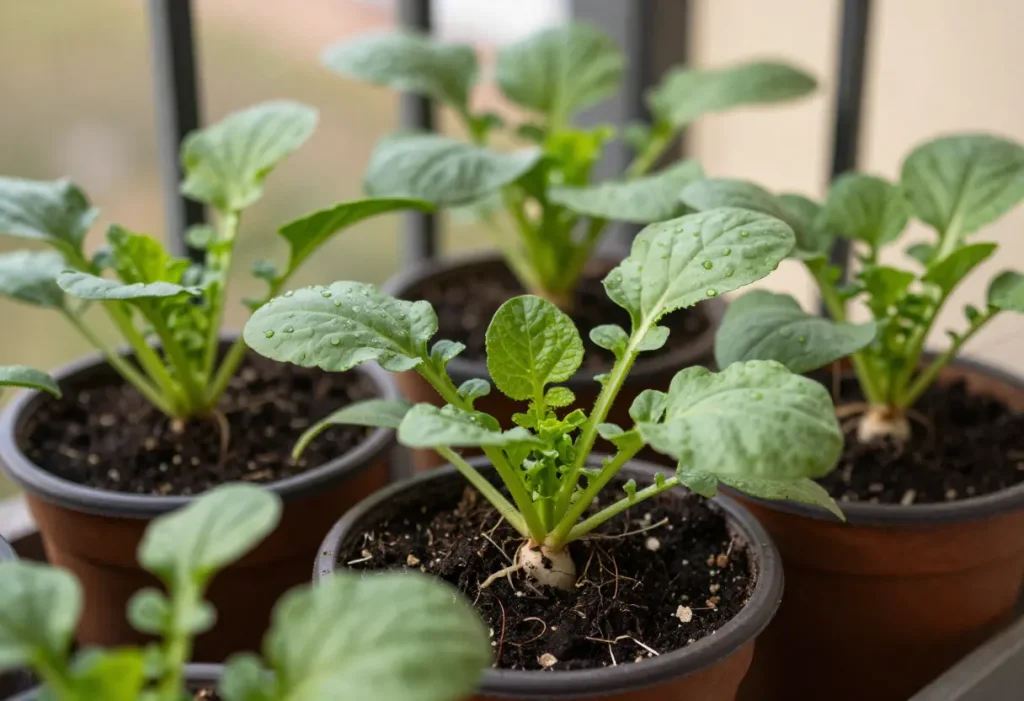
Choosing the right pot is key to growing healthy radishes. The pot affects root growth, water retention, and air flow. Pick a pot that fits radishes’ needs for best results. Consider size, material, and drainage to help radishes thrive in pots.
Radishes need space to grow underground. Choose a pot at least 6 inches deep. Wider pots allow more radishes to grow together. Small pots limit root growth and cause misshaped radishes. A pot 8-12 inches wide works well for several radishes.
Pots come in plastic, clay, ceramic, and metal. Plastic pots are light and hold moisture well. Clay pots breathe better but dry out faster. Ceramic pots look nice but may be heavy. Metal pots heat up quickly and can harm roots. Pick material based on your climate and watering habits.
Drainage holes prevent water from pooling at the bottom. Standing water can cause root rot and kill radishes. Make sure your pot has several drainage holes. Use a saucer to catch extra water and protect surfaces. Good drainage keeps roots healthy and radishes crisp.
Selecting the right radish variety is important for success in growing radishes in pots. Different types grow at different speeds and offer various flavors and colors. Choosing the right variety helps you enjoy fresh radishes faster and with more taste.
Fast-growing radishes are perfect for pots. They mature quickly, often in 20 to 30 days. Varieties like Cherry Belle and French Breakfast are popular. These radishes give quick results and fit well in small containers.
Fast-growing radishes need less space and care. They allow you to harvest multiple crops in one season. This keeps your pot garden busy and productive.
Radishes come in many colors: red, white, pink, and purple. The color adds beauty to your garden and your plate. Flavor varies from mild and sweet to sharp and spicy.
Choose a flavor that suits your taste. Mild radishes like White Icicle are gentle and crisp. Spicy types like Black Spanish offer a stronger bite. Mixing colors and flavors makes your pot garden more fun and tasty.
Preparing the soil mix is a key step to grow radishes in pots. Good soil helps radishes grow fast and stay healthy. Radishes need soil that drains well but also holds some moisture. The right soil mix gives radish roots space to grow big and strong.
Use loose, light soil for radishes in pots. A mix of potting soil and sand works well. Sand improves drainage and prevents waterlogging. Add some peat moss or coconut coir to keep soil moist. Avoid heavy clay soils that stay wet and block roots.
Radishes need nutrients to grow quickly. Mix in slow-release fertilizer or organic compost before planting. Compost adds natural nutrients and improves soil texture. Avoid too much nitrogen, which can make leaves grow but stunt roots. Balanced nutrients help radishes develop crisp, tasty roots.
Radishes prefer slightly acidic to neutral soil. Aim for a pH between 6.0 and 7.0. Test soil with a simple pH kit. If soil is too acidic, add lime to raise pH. If soil is too alkaline, add sulfur to lower pH. Proper pH ensures radishes absorb nutrients well.
Planting radish seeds in pots is simple and rewarding. Radishes grow quickly and need only basic care. Starting with the right planting method helps your radishes develop strong roots and crisp texture. Follow these steps to plant your seeds successfully.
Space radish seeds about 1 inch apart. This gives each plant room to grow without crowding. Plant the seeds ½ inch deep in the soil. Too deep can slow germination; too shallow can dry out the seeds. Cover lightly with soil and press gently to keep moisture in.
Fill your pot with loose, well-draining soil. Water the soil before planting to make it moist but not soggy. Drop one seed at each planting spot. Cover the seeds with soil and water lightly. Keep the soil moist until the seeds sprout. Thin seedlings if they grow too close to keep space for healthy growth.
Radishes need the right water and light to grow well in pots. Water keeps the soil soft for roots to grow. Light helps radishes produce energy for healthy growth. Both must be balanced for best results.
Keep the soil evenly moist, not soggy. Water radishes daily during dry weather. Check soil by touching it; it should feel damp. Avoid letting soil dry out completely. Use a watering can with a fine spout to avoid washing away seeds.
Radishes need at least 6 hours of sunlight each day. Place pots in a bright, sunny spot. Morning sunlight is best for cooler growth. Avoid deep shade, which slows growth and weakens radishes. Rotate pots occasionally to ensure even light exposure.
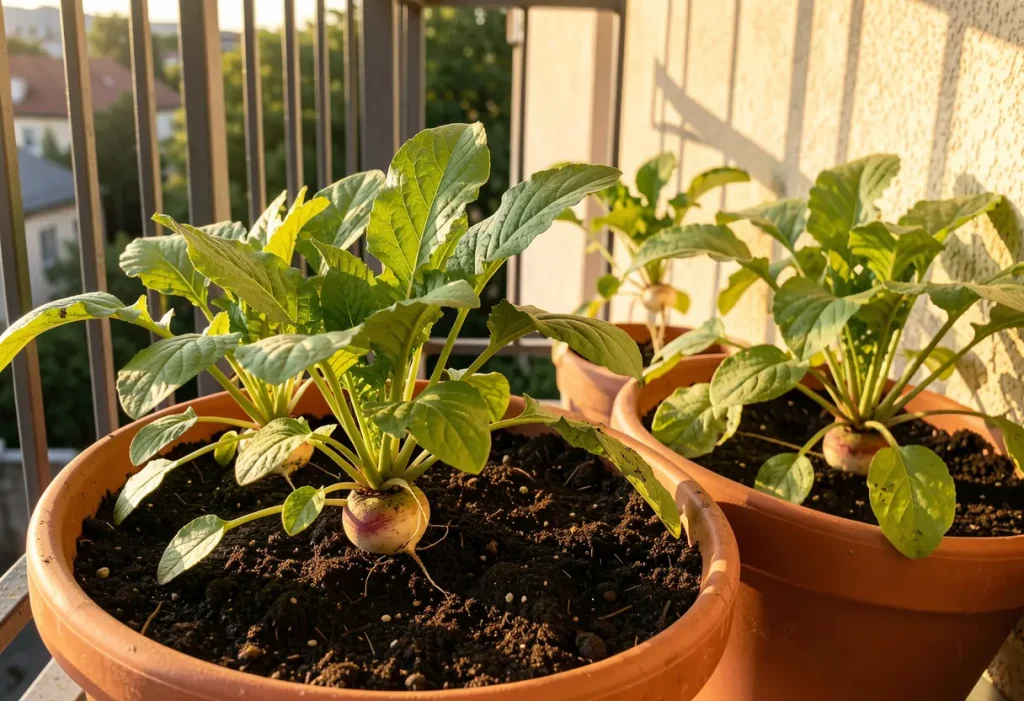
Maintaining healthy growth is key to a good radish harvest in pots. Radishes need the right care from the start. This care keeps plants strong and helps roots grow well. Simple steps make a big difference. Focus on two main areas: thinning seedlings and controlling pests and diseases. Both help your radishes grow fast and healthy.
Thinning seedlings means removing extra plants. Thin radishes when they have two sets of leaves. Keep the strongest seedlings and pull out the weak ones. Give each radish enough space to grow. Space should be about 2 inches apart. Crowded plants compete for water and nutrients. Thinning helps roots get bigger and tastier. It also stops plants from growing tall and weak.
Pests and diseases can harm radishes quickly. Check plants daily for small bugs or spots on leaves. Remove bugs by hand or spray water to wash them off. Use natural sprays like neem oil for pests. Avoid chemical pesticides on edible plants. Keep pots clean and remove dead leaves. Good airflow helps stop mold and fungus. Healthy plants resist pests and diseases better. Act fast when you see any problems.
Harvesting radishes is an exciting part of growing them in pots. It shows the effort you put into gardening. Knowing when and how to pick radishes helps keep their flavor fresh and crisp. This section guides you through the signs of readiness and the best harvesting techniques.
Radishes grow fast, usually ready in 3 to 4 weeks. Check the size of the radish root above the soil. It should be about 1 inch wide. The leaves will look fresh and green. If they start to yellow or wilt, harvest immediately. Small radishes taste mild and crunchy. Large ones may become tough and bitter.
Loosen the soil gently around the radish with your fingers. Hold the base of the leaves and pull the radish straight up. Avoid twisting to prevent damage. Use a small garden fork if the soil is hard. Brush off excess dirt but keep roots moist. Harvest in the morning for the best flavor and texture.
Growing radishes in pots can sometimes bring small problems. These issues can stop your radishes from growing well. Knowing how to fix common problems helps you get better radishes. This section guides you through simple ways to solve common radish problems.
Bolting means radishes grow tall and flower too soon. This makes roots tough and bitter. High temperatures cause bolting fast. Keep pots in a cool, shaded spot to slow bolting. Water radishes regularly to avoid stress. Plant radishes early in spring or late summer. Choose fast-growing radish varieties to reduce bolting risk.
Small or woody roots feel hard and taste bad. This happens if radishes stay too long in the soil. Harvest radishes as soon as they reach size. Use loose, well-drained soil to help roots grow big. Avoid too much fertilizer; it can cause tough roots. Thin seedlings early to give space for large roots.
Growing radishes in pots can be easy and fun. Follow simple tips to get the best results. Proper care helps radishes grow fast and taste fresh. Small steps make a big difference in your harvest.
Soil, water, and light need attention. Plant radishes in loose soil that drains well. Keep the soil moist but not wet. Radishes like full sun for at least six hours a day.
Plant radish seeds every two weeks. This keeps a steady supply of fresh radishes. Pots with new seeds will grow while older plants finish. Succession planting saves space and gives continuous harvest.
Use small pots or seed trays for quick sprouting. Thin seedlings early to avoid crowding. Thinner plants grow bigger radishes. Repeat planting until summer ends for best results.
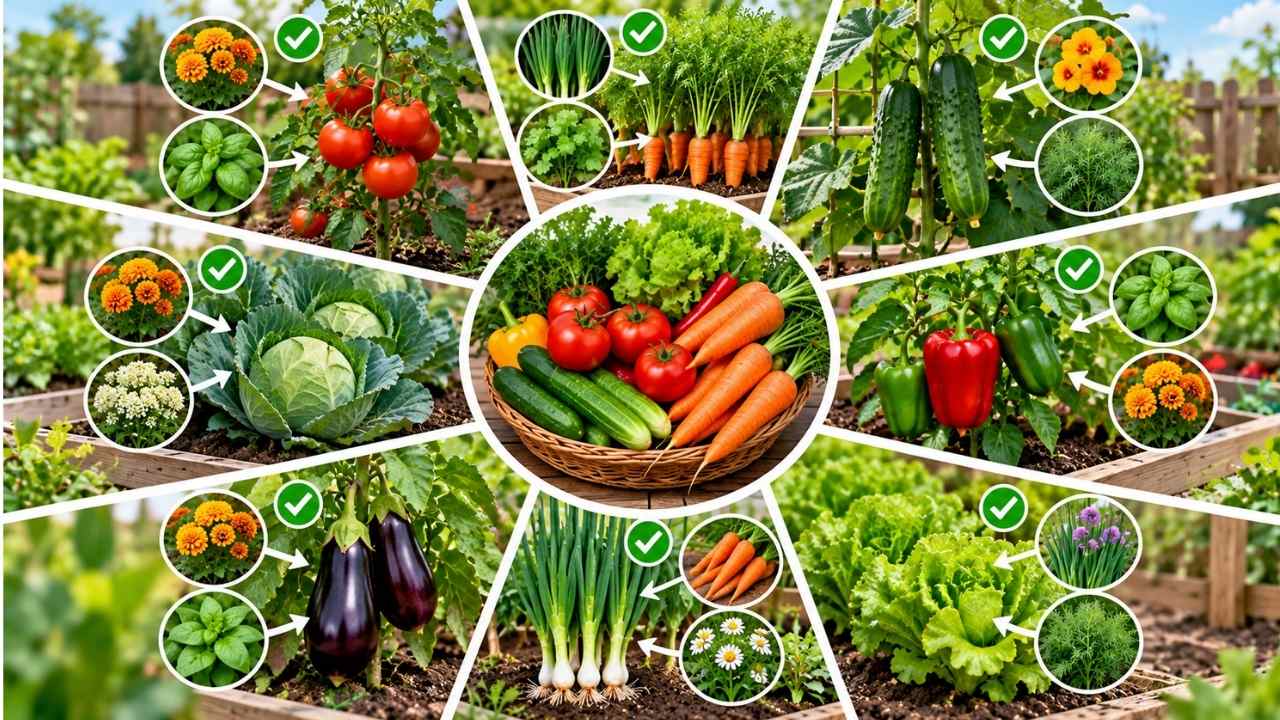
Radishes grow well near many vegetables. Plant them beside carrots, lettuce, or spinach. Radishes help break up soil, making roots loose. This benefits other plants around them.
Avoid planting radishes near potatoes. They can attract pests that harm each other. Use herbs like chives or mint nearby. These herbs keep pests away without chemicals.
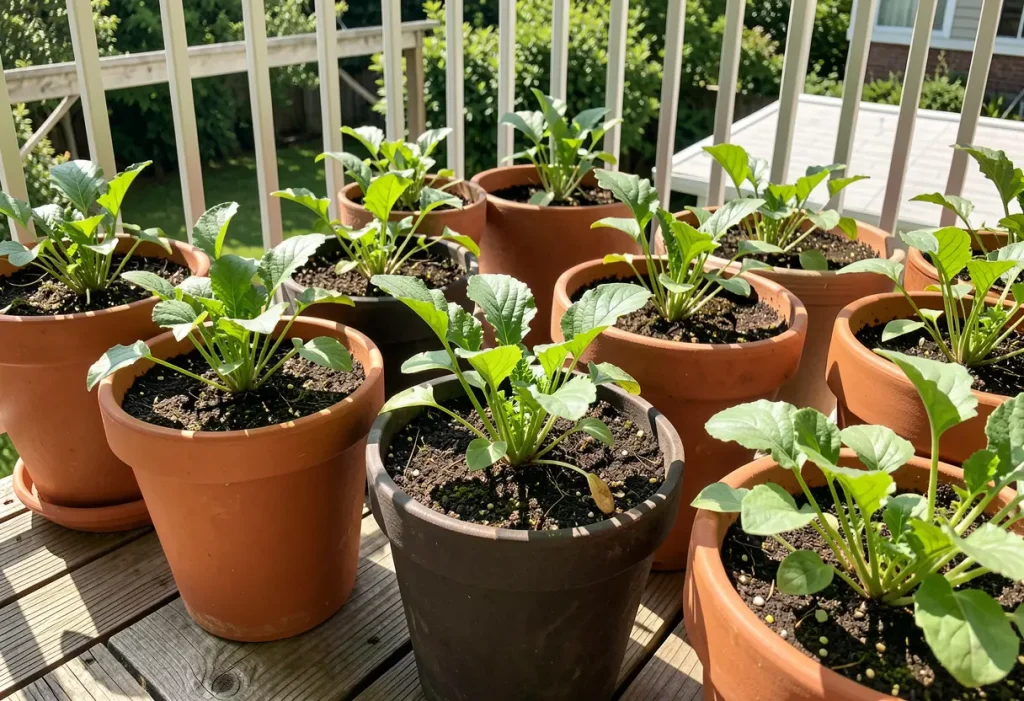
Radishes need about 6 hours of sunlight daily to grow well in pots. Place your pot in a sunny spot for best results.
Use loose, well-draining soil with good organic matter for healthy radishes. Avoid heavy clay soil that holds too much water.
Water radishes regularly to keep the soil moist but not soggy. Check the soil daily and water when the top feels dry.
Radishes usually take 3 to 4 weeks to mature in pots. Harvest them once the roots are about 1 inch wide for best taste.
Yes, radishes grow well in small pots at least 6 inches deep. Choose containers with drainage holes to avoid waterlogging and root rot.
Growing radishes in pots is simple and fun. Choose the right pot and soil. Water regularly but avoid overwatering. Place pots where radishes get enough sunlight. Watch them grow quickly, often ready in just a few weeks. Enjoy fresh, crunchy radishes from your own space.
Small effort, great results. Give it a try and add fresh radishes to your meals. Gardening can be easy, even in small places. Happy planting!