Gardening Made Simple.

How to Keep a Basil Plant Alive is a common question for home gardeners. You love fresh basil on your pasta, salads, and sandwiches, but keeping a basil plant alive can feel tricky if you’re not sure what it needs. With the right care, light, water, and pruning, your basil can stay healthy and productive for months.
What if your basil could stay green, healthy, and ready to use all year round? Imagine having a thriving plant on your windowsill that brings flavor and freshness to every meal. In this guide, you’ll discover simple, effective tips to care for your basil like a pro.
Ready to turn your basil into a kitchen hero? Keep reading to unlock the secrets that will keep your plant alive and flourishing.
Choosing the right basil variety is key to keeping your plant healthy. Different types of basil suit different climates and uses. Picking the right one helps your plant grow strong and produce fresh leaves.
Basil varieties vary in taste, size, and care needs. Some are sweet and mild, while others have a spicy or lemony flavor. Knowing these differences makes it easier to pick the right basil for your kitchen and garden.
Sweet basil is the most common type. It has a mild, sweet flavor. This variety grows well indoors and outdoors. It prefers warm weather and plenty of sunlight. Sweet basil is perfect for cooking and fresh salads.
Thai basil has a spicy, anise-like flavor. It stays smaller than sweet basil. This type loves heat and humidity. It is great in Asian dishes and stir-fries. Thai basil adds a unique taste to your meals.
Genovese basil has large, soft leaves. It has a strong, sweet aroma. This variety is famous for making pesto sauce. It grows best in warm, sunny spots. Genovese basil needs regular watering to stay fresh.
Lemon basil offers a bright citrus flavor. It has smaller, light green leaves. This type likes warm weather and good drainage. Lemon basil is great for teas and summer dishes. Its fresh scent lifts many recipes.
Basil plants need the right conditions to grow strong and healthy. Ideal planting conditions help basil thrive. Good soil and the right location matter most. These factors affect how well your basil grows and how long it lives.
Basil prefers soil that drains well. Avoid soil that holds too much water. Choose soil that feels light and crumbly. A mix with compost or organic matter works best. This type of soil gives basil enough nutrients. It also keeps the roots from rotting.
Basil loves sunlight. It needs at least six hours of sun daily. A sunny windowsill or a garden spot works well. Make sure the location has good air flow. Avoid places that are too windy or shady. Warm spots help basil grow faster and taste better.
Water plays a key role in keeping basil plants healthy. Too much or too little water can harm the plant’s growth. Understanding proper watering techniques helps the basil thrive and stay green. This section explains how often to water basil and how to spot watering problems early.
Basil needs water regularly but not constantly. Water the plant when the top inch of soil feels dry. Check the soil every two to three days. In hot weather, basil may need watering daily. In cooler or humid conditions, water less often. The goal is moist soil, not soggy.
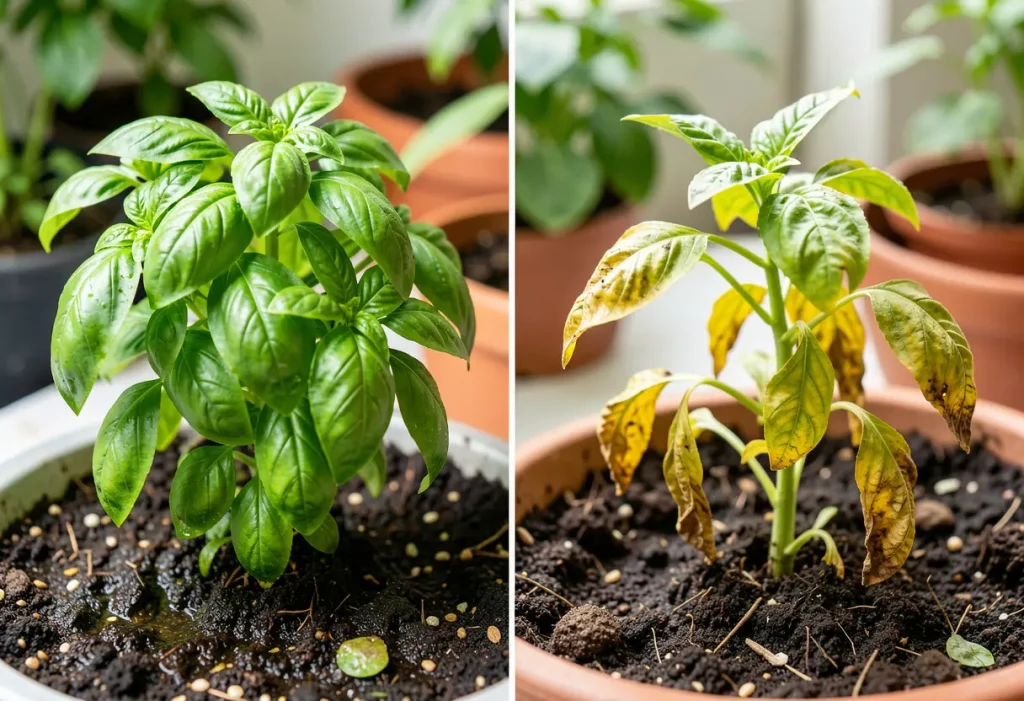
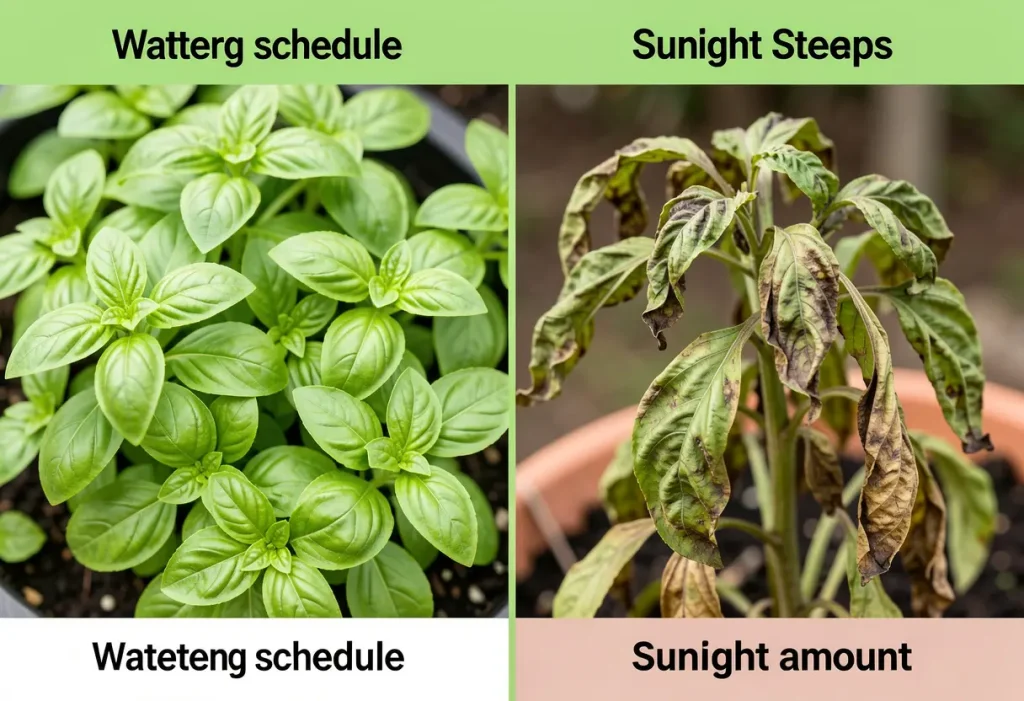
Overwatered basil shows yellow leaves and soft stems. The soil may smell moldy or wet. Leaves can fall off easily. Underwatered basil has dry, brown leaf edges. The plant looks wilted and weak. Soil feels dry deep down. Spotting these signs helps fix watering before serious damage.
Feeding your basil plant is key for healthy growth and fresh leaves. It needs nutrients to stay strong and vibrant. Proper feeding helps basil grow lush and flavorful.
Pick a balanced fertilizer with equal parts nitrogen, phosphorus, and potassium. Organic options like compost or fish emulsion work well. Avoid fertilizers with too much nitrogen; it can cause leafy growth but weak flavor. Liquid fertilizers absorb quickly and give fast results. Slow-release fertilizers feed the plant over time for steady growth.
Feed basil every two to four weeks during the growing season. Too much fertilizer can harm the plant. Use a weaker solution to avoid burning roots. Stop feeding in winter when growth slows. Regular feeding keeps basil healthy and flavorful all season long.
Pruning and harvesting are key to keeping your basil plant healthy. Proper care helps the plant grow strong and produce fresh leaves. Knowing when and how to trim the plant keeps it bushy and full. Harvesting leaves the right way encourages more growth. This section shares simple tips for pruning and harvesting basil.
Cut the top leaves regularly to help basil grow fuller. Snip just above a leaf pair or node. This triggers new branches from the cut points. Avoid cutting more than one-third of the plant at once. Trim any flower buds as soon as they appear. Flowers take energy away from leaf growth. Keep the plant tidy by removing old or yellow leaves. This method encourages a thick, bushy basil plant.
Pick basil leaves early in the day when they hold the most flavor. Choose larger leaves first to allow smaller ones room to grow. Use sharp scissors or your fingers to pinch leaves gently. Take leaves from the top and sides to keep the plant balanced. Avoid stripping too many leaves at once to prevent stress. Harvest often to promote continuous leaf production. Fresh leaves taste best and keep your basil plant lively.
Keeping a basil plant healthy means watching out for pests and diseases. These can damage leaves and stop your plant from growing well. Early spotting helps keep your basil strong and tasty.
Aphids are tiny bugs that suck the sap from basil leaves. They cause leaves to curl and turn yellow. Whiteflies are small, white insects that fly around the plant. They also feed on the sap and weaken the plant. Spider mites are hard to see but leave tiny webs on leaves. These pests cause spots and dry patches on the leaves.
Spray basil with a mix of water and mild soap to remove pests. Neem oil is a natural spray that stops bugs from growing. Planting basil near garlic or marigold helps keep pests away. Handpick bigger bugs and drop them in soapy water. Keep the basil leaves dry to avoid fungal diseases. Good air flow also helps stop mold and mildew.
Seasonal changes affect basil plants a lot. Basil loves warm weather and sunlight. When seasons shift, especially toward cooler months, basil needs extra care. Protecting basil from cold and adjusting its environment helps it survive longer. Moving basil indoors or using simple outdoor methods can keep it healthy through different seasons.
Basil is sensitive to cold and frost. Bring outdoor basil inside before temperatures drop below 50°F (10°C). Cover basil with a cloth or frost blanket if kept outside. Place it in a sunny spot to get enough light. Avoid watering too much during cool weather. Wet soil and cold can cause root rot. Trim dead leaves to keep the plant strong.
Choose a bright window with at least six hours of sunlight daily. Use a pot with drainage holes to prevent water buildup. Water basil when the top soil feels dry but not soaked. Keep room temperature between 65°F and 75°F (18°C to 24°C). Use a small fan for air circulation to stop mold. Rotate the pot weekly for even sunlight on all sides.
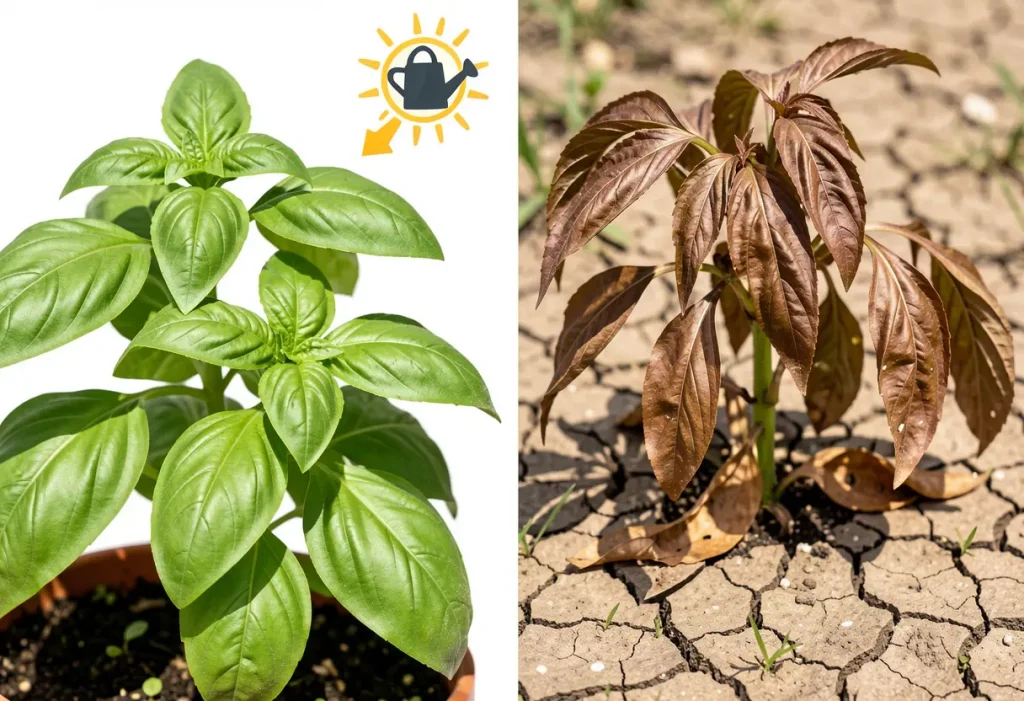
Basil needs regular watering but not too much. Water it when the top soil feels dry to touch.
Basil grows best with 6 to 8 hours of sunlight daily. A sunny windowsill or outdoor spot works well.
Keep soil moist but not soggy and avoid direct hot afternoon sun. Good air circulation helps too.
Yes, basil can grow indoors if it gets enough light and warmth. A sunny window or grow light is best.
Pinch off the top leaves regularly to encourage bushy growth. Remove flowers early to keep leaves fresh.
Growing basil can be simple and fun. Water your plant just enough to keep soil moist. Give it plenty of sunlight every day. Trim the leaves often to help new growth. Watch for pests and remove them quickly. With these easy steps, your basil will stay healthy and fresh.
Enjoy adding fresh leaves to your meals anytime. Keep caring for your plant, and it will thrive. A happy basil plant means tasty dishes and fresh herbs all year.