Gardening Made Simple.

Are you ready to grow fresh, fragrant basil right in your own home? How to Plant Basil Seeds Indoors is easier than you might think, and it gives you a constant supply of this flavorful herb for your cooking. With the right containers, soil, and light, your indoor basil can thrive year-round.
Imagine snipping fresh basil leaves whenever you want, without running to the store. In this guide, you’ll learn simple, step-by-step tips to help your basil seeds sprout quickly and grow strong. Keep reading, and soon you’ll enjoy the satisfaction of nurturing your very own indoor herb garden.
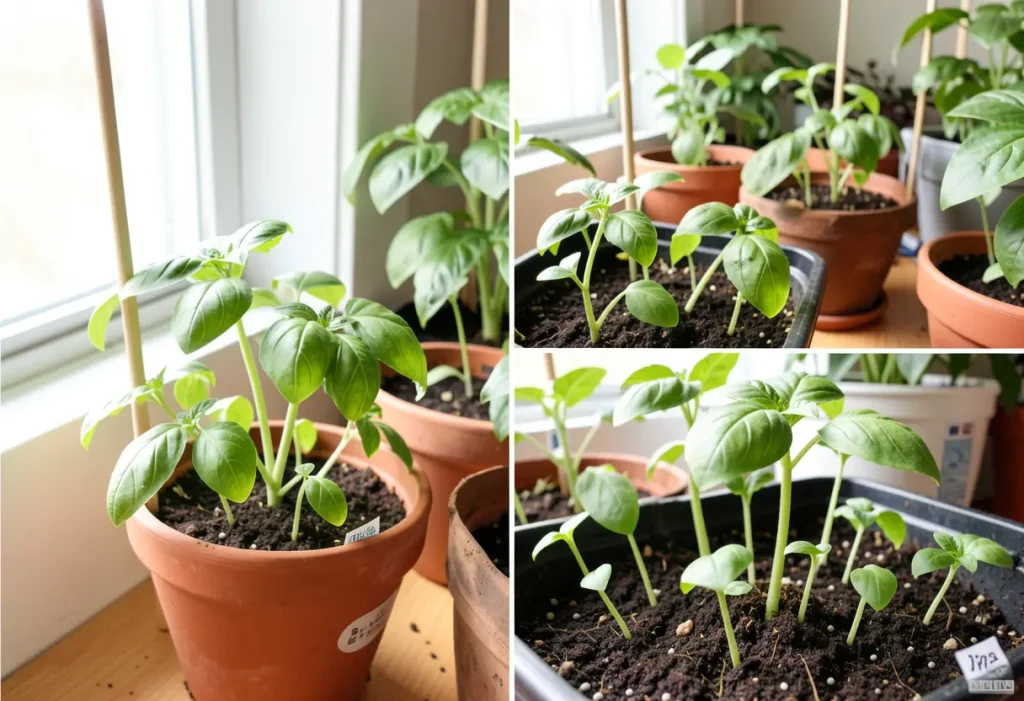
Choosing the right basil seeds is key to growing healthy plants indoors. Different types of basil offer unique flavors and uses. Picking good quality seeds ensures strong seedlings and better growth.
Start by exploring popular basil varieties. Understand their taste and growth habits. Then find reliable sources to buy fresh seeds. This helps your indoor garden thrive.
Sweet basil is the classic choice for cooking. It has a mild, sweet flavor.
Genovese basil is a type of sweet basil. It is often used in Italian dishes.
Thai basil has a spicy, licorice-like taste. It works well in Asian recipes.
Lemon basil offers a citrusy aroma. It adds a fresh twist to salads and teas.
Purple basil has a strong flavor and dark leaves. It adds color to your garden.
Buy seeds from trusted garden centers. They usually offer fresh and tested seeds.
Online seed shops provide a wide variety of basil types. Check customer reviews before buying.
Look for organic seeds to avoid chemicals. Organic seeds support healthier plant growth.
Avoid old or damaged seed packets. Old seeds may not germinate well.
Choose seeds labeled for indoor planting. These seeds are suitable for container growth.
Preparing for planting basil seeds indoors sets the stage for healthy growth. Proper preparation helps seeds sprout well and plants thrive. Focus on choosing the right containers and soil mix. These two elements affect seedling health and ease of care.
Choose containers with drainage holes to avoid water buildup. Small pots or seed trays work best for basil seeds. Containers should be at least 3 inches deep. This depth supports root growth. Use lightweight containers for easy moving. Clean containers prevent disease and pests. Avoid containers that hold too much water.
Pick a light, well-draining soil mix for basil seeds. A mix with peat, perlite, or vermiculite is ideal. Avoid heavy garden soil that may retain too much water. The soil should be loose to allow roots to spread. Use seed-starting mix for better germination. Keep the soil moist but not soggy. Good soil improves air circulation around roots.
Planting basil seeds indoors is simple and rewarding. It lets you enjoy fresh basil all year. Start with good seed preparation and soil choice. This helps the seeds grow strong. Follow easy steps for the best results.
Plant basil seeds about 1/4 inch deep. Too deep can stop seeds from sprouting. Keep the soil loose and light for easy root growth. Space seeds at least 2 inches apart. This gives each plant room to grow. Crowded seeds lead to weak plants.
Water basil seeds gently after planting. Use a spray bottle or light watering can. Keep soil moist but not soaked. Too much water can cause seeds to rot. Check soil daily and water when dry. Proper watering helps seeds sprout quickly.
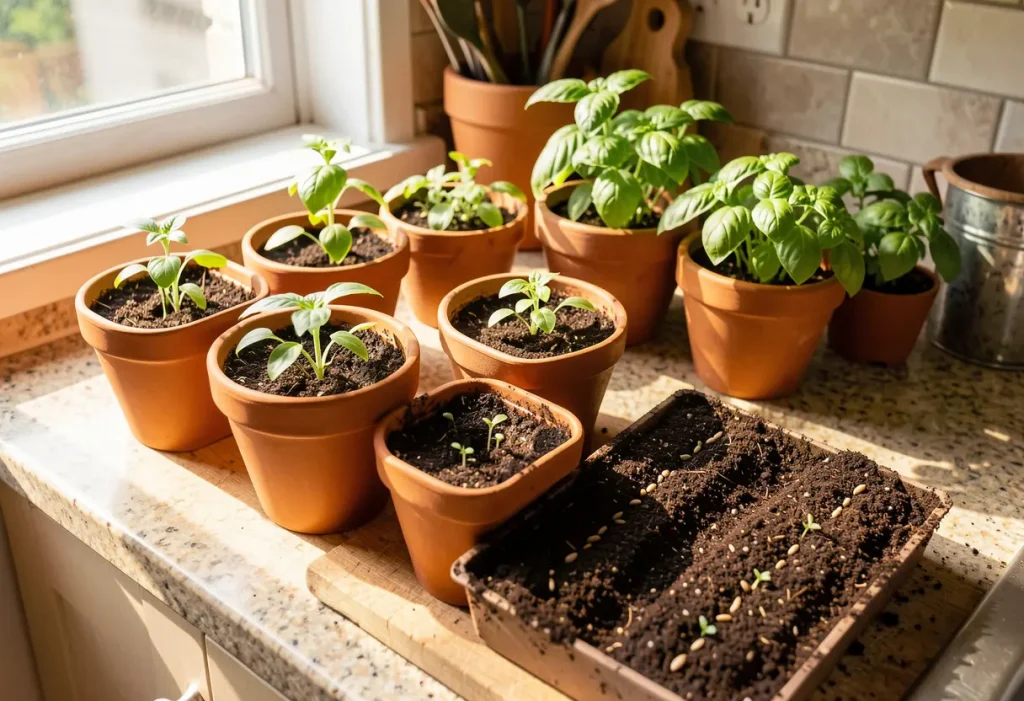
Creating ideal growing conditions is key to starting basil seeds indoors successfully. Basil needs the right light, temperature, and humidity to sprout and grow strong. Small changes in these factors make a big difference in seed germination and plant health.
Setting up a good environment helps basil seeds grow faster. It also keeps young plants healthy and ready for transplanting.
Basil seeds need plenty of light to grow well. Place the seed tray near a sunny window that gets at least 6 hours of direct sunlight daily. South-facing windows work best for basil.
If natural light is limited, use a grow light. Keep the light on for 12 to 16 hours each day. Position the light 2 to 3 inches above the seedlings to avoid stretching.
Warmth helps basil seeds sprout quickly. Keep the indoor temperature between 70°F and 75°F (21°C to 24°C). Avoid cold drafts and sudden temperature drops.
Basil prefers moderate humidity. Use a humidity dome or cover the seed tray with plastic wrap to keep moisture in. Remove the cover once seedlings emerge to prevent mold growth.
Caring for basil seedlings is an important step in growing healthy plants. These young plants need the right care to grow strong and produce fresh leaves. Proper attention helps prevent diseases and encourages good growth. Start by giving them enough light and water, but avoid overwatering. Watch the seedlings closely as they grow and adjust care as needed.
Thinning means removing extra seedlings to give space for others. Crowded seedlings compete for light, water, and nutrients. Wait until the seedlings have two sets of leaves before thinning. Use small scissors to cut weaker seedlings at the soil line. Leaving the strongest seedlings helps them grow bigger and healthier. Thin seedlings carefully to avoid disturbing roots.
Basil seedlings need nutrients for good growth. Use a balanced, water-soluble fertilizer to feed the plants. Dilute fertilizer to half the strength recommended on the package. Apply fertilizer every two weeks to avoid burning the young plants. Avoid over-fertilizing, which can harm seedlings and reduce flavor. Healthy seedlings develop strong stems and vibrant leaves with proper feeding.
Planting basil seeds indoors can be rewarding, but some common problems might appear. Recognizing these issues early helps keep your plants healthy. Here are simple ways to fix common problems when growing basil inside.
Mold often grows on the soil surface if it stays too wet. Avoid overwatering to prevent mold. Good air circulation helps keep mold away. Use a spray bottle to water gently.
Damping off is a fungal disease that kills seedlings quickly. It happens in overly moist, crowded soil. Plant seeds with enough space and water moderately. Remove any seedlings that look weak or sick to stop spread.
Indoor basil can attract pests like aphids and spider mites. Check leaves regularly for tiny bugs or sticky spots. Wipe leaves with a soft cloth dipped in soapy water to remove pests.
Use natural pest controls such as neem oil spray if bugs persist. Keep the growing area clean and remove fallen leaves. Healthy plants resist pests better and grow stronger.
Transplanting and harvesting are important steps for growing healthy basil plants. Moving your basil from indoors to outdoors needs care. Proper harvesting helps keep the plant fresh and flavorful. Follow these tips to get the best basil from your seeds.
Wait until the basil seedlings have two to three sets of true leaves. The outdoor temperature should stay above 50°F (10°C). Choose a sunny spot with well-drained soil. Harden off the plants by exposing them to outdoor conditions for a few hours daily. Do this for about a week. This helps the seedlings adjust to the new environment. Plant basil outdoors after the last frost date in your area.
Harvest basil leaves in the morning after the dew dries. Pinch off leaves from the top to encourage bushy growth. Avoid cutting more than one-third of the plant at once. Remove flower buds to keep leaves tasting fresh. Regular harvesting helps the plant produce more leaves. Use sharp scissors to avoid damaging the stems. Fresh basil tastes best when used soon after picking.
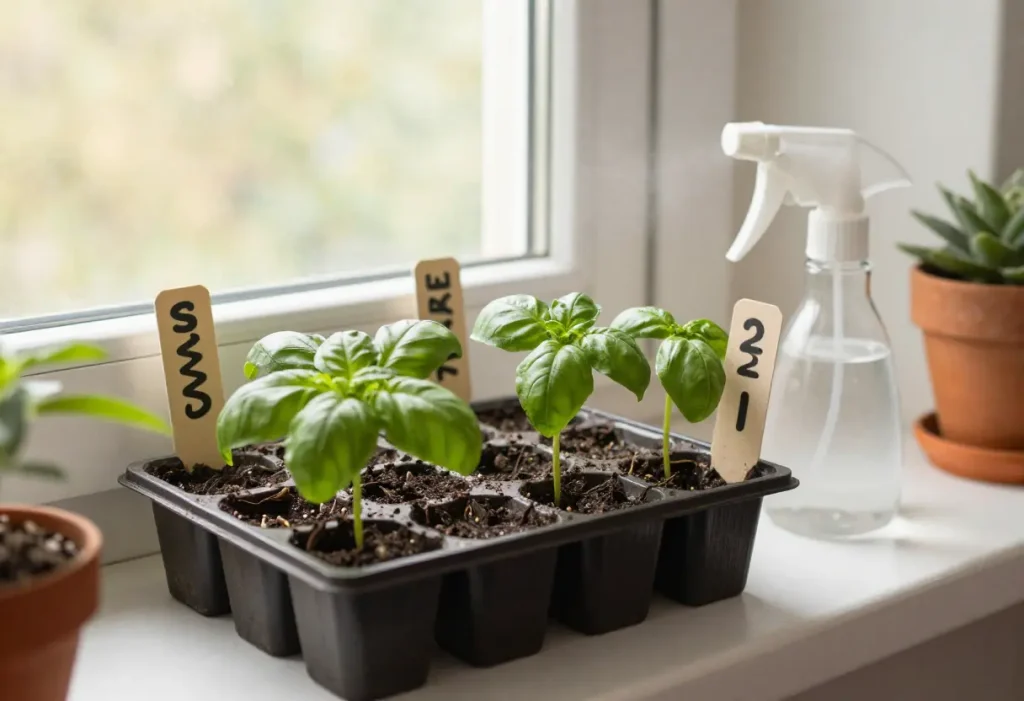
Basil seeds usually sprout in 5 to 10 days indoors. Keep the soil moist and warm for best results. Light helps seedlings grow strong.
Use light, well-draining potting soil for basil seeds. Avoid heavy or clay soils that hold too much water. A mix with compost works well.
Basil plants need 6 to 8 hours of sunlight daily. Place them near a sunny window or use grow lights. Good light keeps leaves healthy.
Water basil seedlings when the top inch of soil feels dry. Avoid overwatering to prevent root rot. Keep soil moist but not soggy.
Yes, basil can grow indoors year-round with enough light and warmth. Maintain temperatures between 65-75°F for best growth. Regular trimming helps keep plants healthy.
Planting basil seeds indoors is simple and rewarding. Start with good soil and place the seeds in a sunny spot. Keep the soil moist but not wet. Watch the tiny seedlings grow day by day. You can enjoy fresh basil all year.
Growing herbs at home saves money and tastes better. Try it yourself and enjoy the fresh flavor in your meals. Small steps lead to great results. Happy planting!