Gardening Made Simple.

Are you ready to grow fresh, fragrant basil right at home? Planting basil seeds is easier than you think, and with just a little care, you can enjoy a steady supply of this flavorful herb. Learning How to Plant Basil Seeds ensures healthy germination, strong growth, and lush, aromatic leaves for your kitchen all season long.
Imagine adding that fresh, vibrant taste to your meals anytime you want. In this guide, you’ll discover simple steps to plant basil seeds successfully, avoid common mistakes, and watch your garden thrive. Keep reading, and you’ll be on your way to growing your own basil in no time!
Choosing the right basil seeds is the first step to a healthy plant. Different types of basil have unique flavors and uses. Picking the right seeds helps you enjoy fresh basil that suits your taste and cooking style.
Seed quality matters. Good seeds grow faster and stronger. Poor seeds may not sprout or grow well. Knowing where to find quality seeds saves time and effort.
Sweet basil is the most common type. It has a classic, mild flavor. It works well in many dishes like pasta and salads.
Thai basil has a spicy, anise-like taste. It adds a unique touch to Asian recipes. It has purple stems and leaves.
Lemon basil smells fresh and citrusy. It brightens soups and fish dishes. It is less common but very tasty.
Genovese basil is famous for making pesto. It has large, soft leaves and a strong aroma. It grows well in warm climates.
Choose seeds from trusted garden centers or nurseries. They usually offer fresh and tested seeds. Check the packaging for the harvest date.
Online seed stores provide a wide selection of basil types. Look for sellers with good reviews and clear product details. Always buy seeds labeled for your climate zone.
Farmers’ markets can be a good place to find local seeds. These seeds often grow well in your area. Ask the seller about the seed’s origin and growth tips.
Preparing the soil is the first step to grow healthy basil plants. The right soil helps seeds sprout quickly and grow strong. Good soil holds water but also drains well. It gives the seeds the air and nutrients they need. Start by checking the soil type and its condition. Then, add nutrients to make it rich and fertile. This foundation supports basil growth from seed to harvest.
Basil prefers loose, well-draining soil. Sandy loam or loamy soil works best. Avoid heavy clay soils that hold too much water. Basil roots need air to breathe. The soil pH should be between 6.0 and 7.5. This range is slightly acidic to neutral. It helps basil absorb nutrients easily. Test the soil pH with a simple kit. Adjust it by adding lime to raise pH or sulfur to lower it.
Healthy soil needs organic matter. Mix compost or aged manure into the soil. These materials improve texture and add nutrients. Basil likes nitrogen but also needs phosphorus and potassium. Use a balanced fertilizer to feed the plants. Avoid too much nitrogen. It can cause leafy growth but fewer flowers and seeds. Work the nutrients into the soil before planting. This gives basil a strong start.
Sowing basil seeds is the first step to growing healthy plants. Proper seed planting helps seeds sprout quickly. It also ensures strong seedlings that grow well.
Planting seeds with care sets a good start for your basil garden. Follow simple steps for the best results.
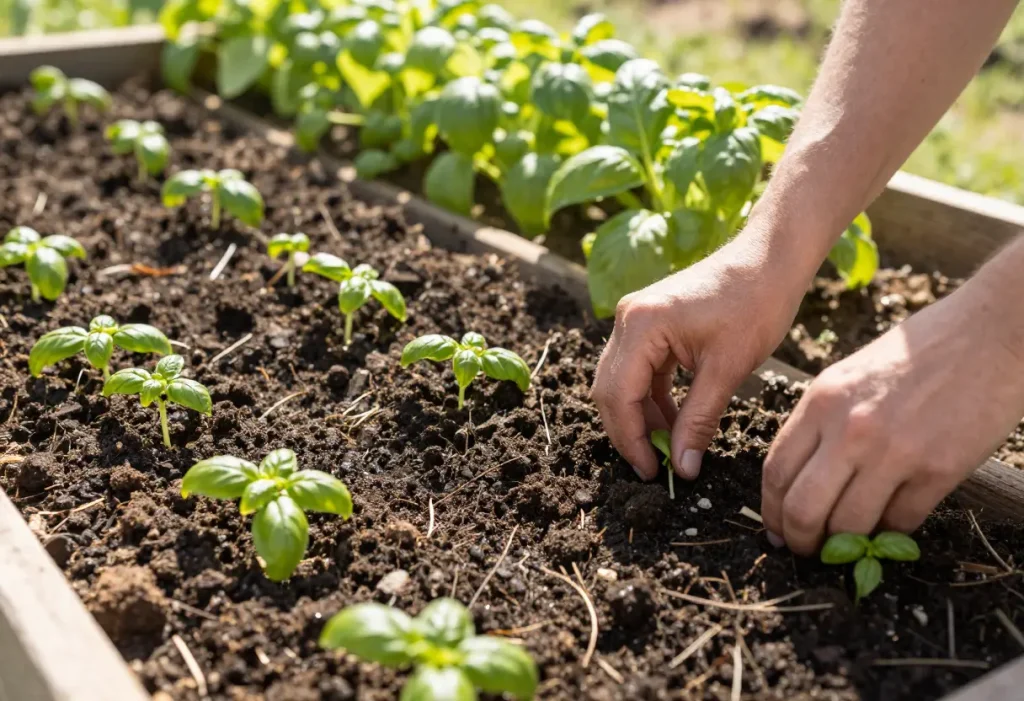
Space basil seeds about 1 to 2 inches apart. This gives each seed room to grow. Crowded seeds compete for water and sunlight. Proper spacing helps air move around plants. It reduces the risk of diseases.
Plant basil seeds just below the soil surface. About 1/4 inch deep works well. Too deep, and seeds may not sprout. Too shallow, seeds can dry out quickly. Cover seeds lightly with soil. Keep soil moist for best growth.
Watering basil seeds correctly helps them grow strong and healthy. Too much water can cause seed rot. Too little water stops germination. This section explains how to give basil seeds the right amount of water.
Basil seeds need a moist environment to sprout. Water the soil lightly right after planting. Use a spray bottle or gentle watering can. Keep the soil damp, not soaked. Check the soil every day. Mist again if the top feels dry. Avoid heavy watering to stop seeds from washing away.
Once basil seeds sprout, water regularly to keep soil moist. Water when the top inch of soil feels dry. Early morning is the best time to water. Avoid watering leaves to prevent mold. Use a watering can with a narrow spout for control. Adjust watering frequency based on weather and soil type.
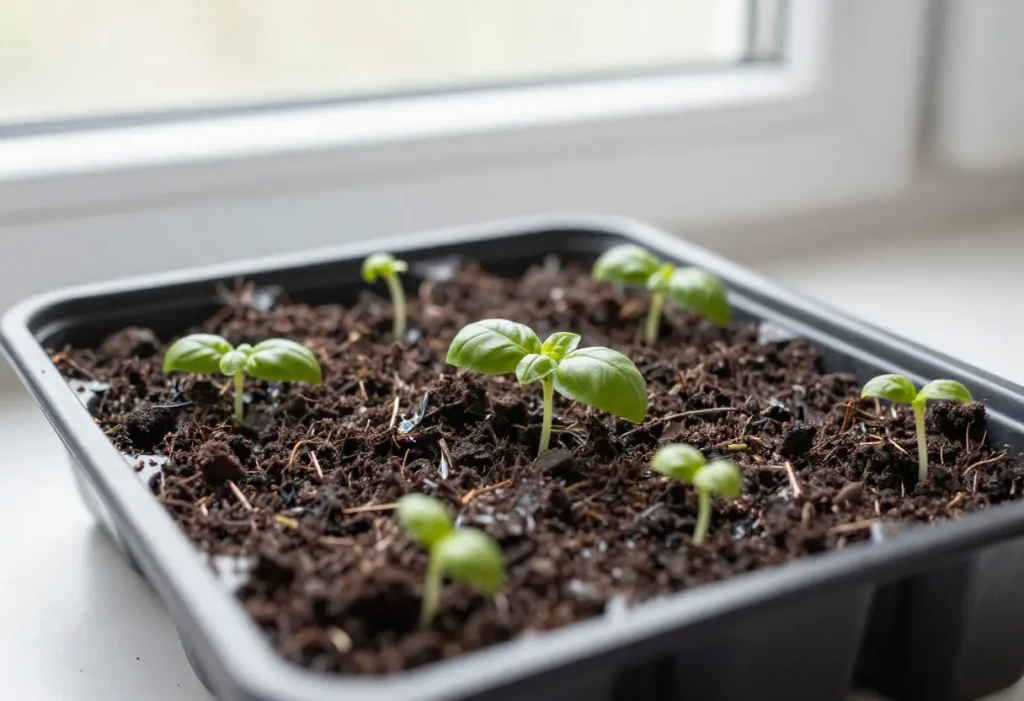
Light and temperature are key factors for growing healthy basil plants. Basil seeds need the right amount of sunlight and warmth to sprout and grow strong. Both elements affect how fast the seeds germinate and how lush the plants become. Understanding these needs helps you grow basil with ease.
Basil thrives best in full sunlight. It needs at least 6 hours of direct sun every day. More sun means more energy for the plant. This helps the leaves develop a rich flavor and vibrant green color. Place your seeds or seedlings in a sunny spot, like a south-facing window or garden area. Avoid shady locations as they can cause weak growth.
Basil seeds germinate well between 70°F and 85°F (21°C to 29°C). Below 50°F (10°C), the seeds will not sprout. Cold temperatures slow down growth and can damage young plants. Warm soil encourages quick germination and strong roots. Keep your basil away from cold drafts and frost. A warm environment keeps your basil healthy and productive.
Thinning seedlings is an important step in growing healthy basil plants. It means removing some young plants so the others have more space to grow strong. Crowded seedlings can compete for water, light, and nutrients. Thinning helps each basil seedling get enough resources to thrive.
Thin basil seedlings when they grow their first set of true leaves. These leaves look different from the first tiny seed leaves. Usually, this happens about 10 to 14 days after planting seeds. Wait until seedlings are big enough to handle without damage. Avoid thinning too early or too late.
Use small scissors or your fingers to remove weaker seedlings. Cut or pinch them at soil level to avoid disturbing roots of remaining plants. Leave the strongest seedlings spaced about 2 to 3 inches apart. This spacing allows good air flow and room to grow. Water seedlings gently after thinning to reduce stress.
Fertilizing basil plants helps them grow strong and healthy. It gives the soil nutrients that basil needs. Good fertilizer improves leaf size and flavor. Healthy basil plants resist pests and diseases better.
Use a balanced fertilizer with equal parts nitrogen, phosphorus, and potassium. Organic options like compost or fish emulsion work well. Slow-release fertilizers provide steady nutrition over time. Avoid high nitrogen fertilizers; they can reduce leaf flavor.
Fertilize basil every 4 to 6 weeks during the growing season. Too much fertilizer can harm the plant. Water the soil before applying fertilizer to avoid root burn. Stop fertilizing a few weeks before harvest for better taste.
Growing basil from seeds is rewarding but comes with challenges. Pests and diseases can harm young plants. Proper care helps keep basil healthy and strong. Early detection is key to control problems fast. Use safe and natural methods to protect your herbs.
Aphids often attack basil leaves, sucking plant juices. Whiteflies and spider mites also cause damage. Fungal diseases like downy mildew cause yellow spots. Leaf spot creates dark patches on leaves. Root rot happens if soil stays too wet. These problems stunt growth and reduce harvest.
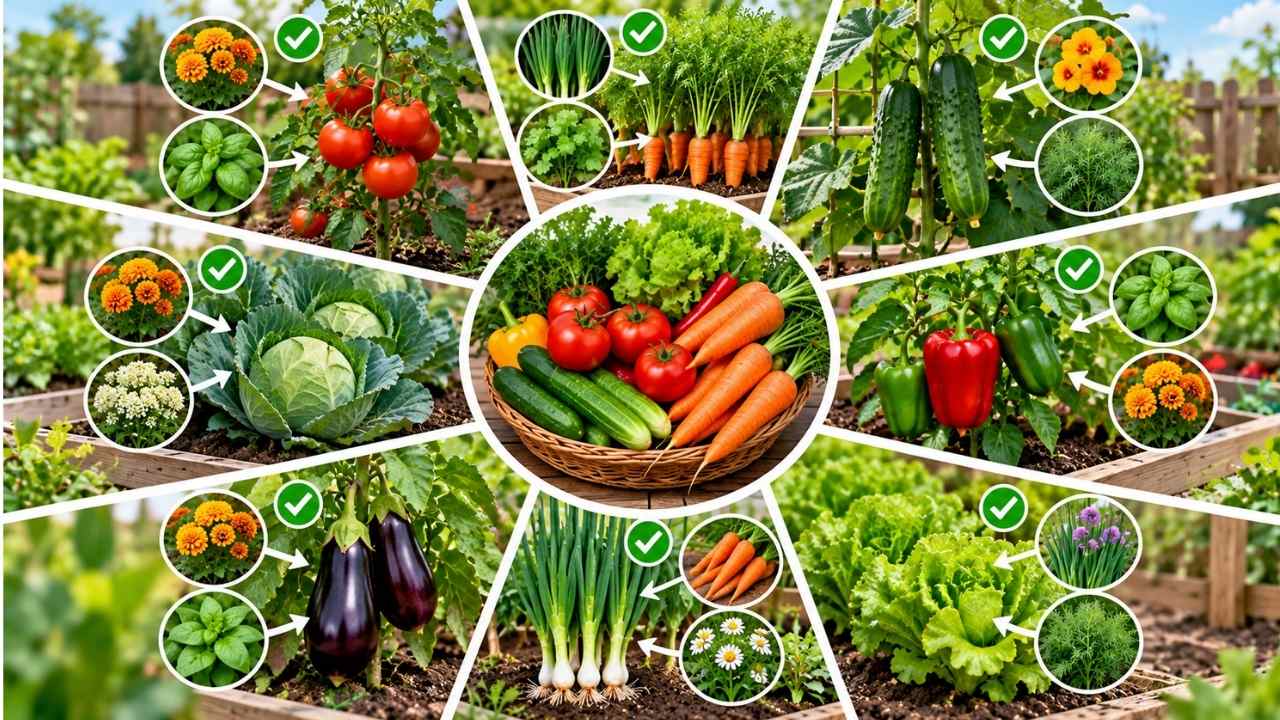
Spray basil with water to wash off pests. Use neem oil or insecticidal soap for bugs. Plant marigolds nearby to repel harmful insects. Remove infected leaves to stop disease spread. Ensure good air flow around plants to prevent fungi. Water basil early in the day to dry soil fast.
Harvesting basil is a key step to enjoy fresh, flavorful leaves. Picking basil at the right time keeps the plant healthy. It also helps the plant grow more leaves. Knowing when and how to harvest ensures the best taste and aroma.
Basil leaves are ready to pick when they look full and green. The plant should have at least 6 to 8 leaves. Leaves near the top of the stem are best for harvesting. Avoid picking leaves that are yellow or wilted. Fresh, bright green leaves have the strongest flavor.
Use clean scissors or pinch the stem with your fingers. Cut just above a leaf node or where two leaves meet the stem. This encourages new growth below the cut. Avoid removing more than one-third of the plant at once. Harvest regularly to keep the plant producing fresh leaves.
To keep your basil plant healthy and productive, you need to care for it beyond planting. Continuous growth helps you enjoy fresh basil leaves for a longer time. Simple habits make a big difference in how your plant grows.
Focus on pruning and regrowing techniques. These methods keep the plant full and ready for harvest again and again. They also encourage strong stems and more leaves.
Cut the top leaves regularly to help basil grow thick. Pinch off the leaves just above a pair of leaves or a node. This action tells the plant to grow side branches. More branches mean more leaves to pick. Avoid cutting more than one-third of the plant at a time. Use clean scissors to prevent disease. Regular pruning keeps the plant bushy and healthy.
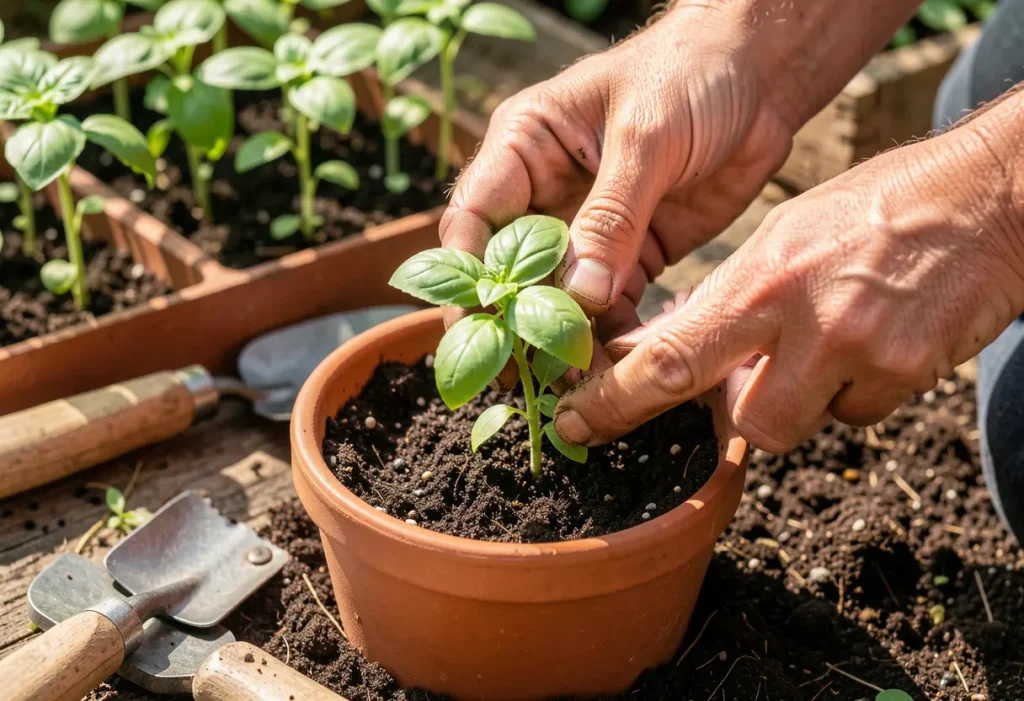
Take a cutting from a healthy basil stem. Remove the lower leaves and place the cutting in water. Change the water every few days to keep it fresh. Roots will start to grow in about one to two weeks. Once roots are strong, plant the cutting in soil. This way, you get a new basil plant without buying seeds. Regrowing saves money and keeps basil growing year-round.
Basil seeds usually sprout in 5 to 10 days. Keep the soil moist and warm for best results.
Use well-draining, nutrient-rich soil with a pH between 6 and 7. This helps basil grow healthy and strong.
Basil seeds need 6 to 8 hours of sunlight daily. Place them in a sunny spot or near a window.
Water basil seedlings lightly every day to keep the soil moist. Avoid overwatering to prevent root rot.
Yes, starting basil seeds indoors 4 to 6 weeks before transplanting is ideal. It helps seedlings grow strong before moving outside.
Planting basil seeds is simple and rewarding. Start with good soil and enough sunlight. Water the seeds gently but often. Watch for sprouts in about a week. Thin the plants to give room to grow. Regular care helps basil thrive and stay healthy.
Fresh basil adds flavor to many dishes. Growing your own saves money and tastes better. Try planting basil seeds today and enjoy fresh herbs at home.