Gardening Made Simple.

Are you ready to grow fresh, crisp lettuce right in your own garden? Learning How to Plant Lettuce Seeds is easier than you might think, and the rewards are both delicious and healthy.
Whether you’re a beginner or have some gardening experience, this guide will help you get started quickly and confidently. By following simple steps, you’ll soon enjoy homegrown lettuce that tastes better than store-bought. Let’s dive in and discover how you can turn tiny seeds into a thriving, leafy harvest you’ll be proud of.
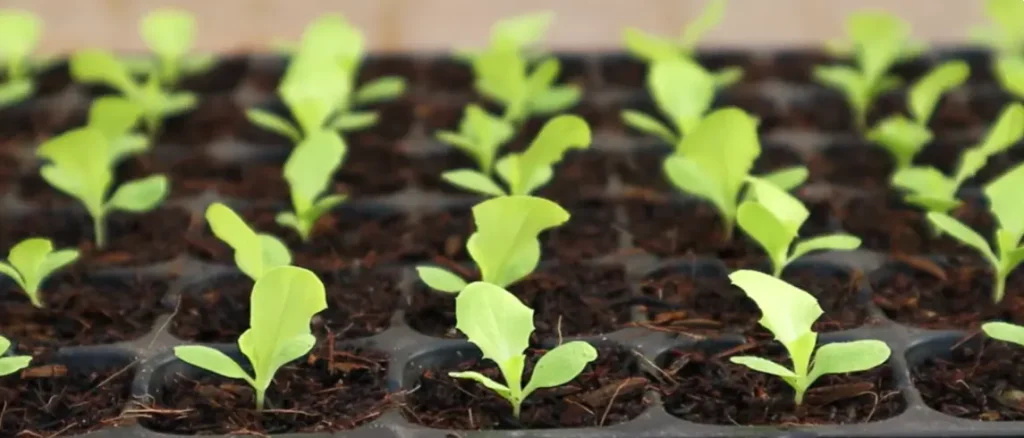
Choosing the right lettuce variety is key to a healthy and tasty garden. Different types grow in different ways. Some thrive in cooler weather, while others handle warmth better. Knowing your options helps you pick the best seeds for your space and climate.
Lettuce comes in many leaf types. Loose-leaf lettuce has soft, tender leaves. It grows quickly and can be harvested leaf by leaf. Butterhead lettuce forms soft, round heads with a mild flavor. Crisphead, like iceberg, grows tight, crunchy heads. Romaine has tall, sturdy leaves and a slightly bitter taste. Growth habits differ too. Some types grow fast, ready in 30 days. Others take longer but store well.
Choose easy varieties for your first planting. Loose-leaf types like 'Black Seeded Simpson' grow fast and resist heat. Butterhead varieties such as 'Buttercrunch' are forgiving and taste great. Romaine like 'Parris Island Cos' stands up to heat and pests. These lettuces grow well in many climates and need little care. Start with these to enjoy fresh lettuce quickly.
Preparing the soil is the first step to growing healthy lettuce. Good soil helps lettuce seeds sprout and grow strong. The right soil keeps water, air, and nutrients balanced. Let’s look at how to prepare your soil for planting lettuce seeds.
Lettuce grows best in loose, well-drained soil. A mix of sand, silt, and clay creates good soil texture. This mix holds moisture but drains well to avoid soggy roots. The soil pH should be between 6.0 and 7.0. This range allows lettuce to absorb nutrients easily. Test your soil pH with a simple kit from a garden store. Adjust the pH by adding lime to raise it or sulfur to lower it.
Good drainage stops water from pooling around roots. Add organic matter like compost or aged manure to improve drainage. Organic matter also adds nutrients to the soil. Mix it well into the top 6 inches of soil. Avoid heavy clay soils or fix them by adding sand and organic matter. Fertile soil helps lettuce grow fast and stay healthy. Use balanced fertilizer with nitrogen, phosphorus, and potassium. Spread it evenly before planting and water it in lightly.
Selecting the right location to plant lettuce seeds is very important. The spot affects how well your lettuce grows. Good placement helps the plants get enough light, air, and space. These factors lead to healthy, fresh lettuce leaves.
Lettuce grows best with plenty of sunlight. Choose a place that gets about 6 hours of sun each day. Morning sun is ideal because it is gentle and warms the soil. Avoid spots with harsh afternoon sun, which can make lettuce bitter.
Partial shade works well in hot climates. It helps keep the leaves cool and prevents wilting. Make sure the area does not have deep shade. Too little light slows growth and makes plants weak.
Plant lettuce seeds with enough space between them. Leave about 6 to 12 inches apart, depending on the variety. Proper spacing lets each plant grow big and strong without crowding.
Good air flow around plants stops mold and diseases. Avoid tight corners or places blocked by walls and fences. Open areas with gentle breezes keep leaves dry and healthy. This helps lettuce grow fresh and crisp.
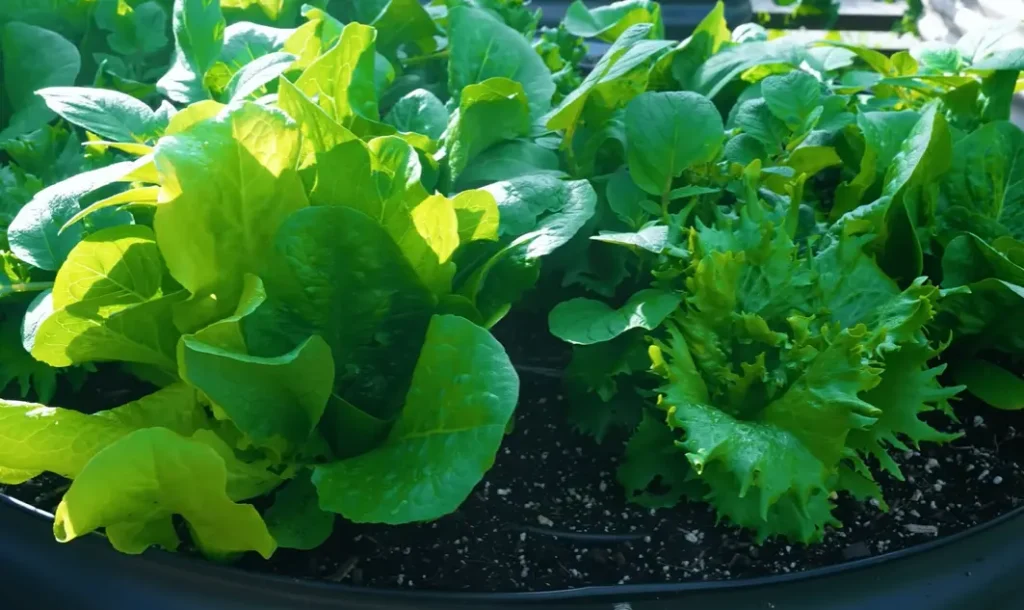
Planting lettuce seeds is the first step to a fresh, healthy garden. Lettuce grows best in cool weather and needs careful planting. Proper seed depth and spacing help the plants grow strong and healthy. Timing also affects how well your lettuce will develop.
Plant lettuce seeds about 1/4 inch deep. This small depth lets seeds get enough sunlight and moisture. Space seeds about 1 inch apart. Thin seedlings later to 6-12 inches apart. This spacing allows enough room for leaves to grow wide. Proper spacing stops plants from crowding each other. Crowded plants grow weak and may get diseases.
Plant lettuce seeds in early spring or late summer. Lettuce prefers cool weather to grow best. Avoid planting in hot weather, which makes lettuce bitter. In mild climates, sow seeds every 2 weeks for a constant harvest. This way, you enjoy fresh lettuce for a longer time.
Watering and moisture control are key to growing healthy lettuce plants. Lettuce seeds need consistent moisture to sprout and grow strong. Too little water can stop growth. Too much water can cause seeds to rot. Finding the right balance helps lettuce thrive.
Water lettuce seeds gently right after planting. Keep the soil moist but not soggy. Water lightly every day or every other day. Adjust based on weather and soil type. In hot weather, water more often. In cool weather, water less. Small, frequent watering is best for young seeds.
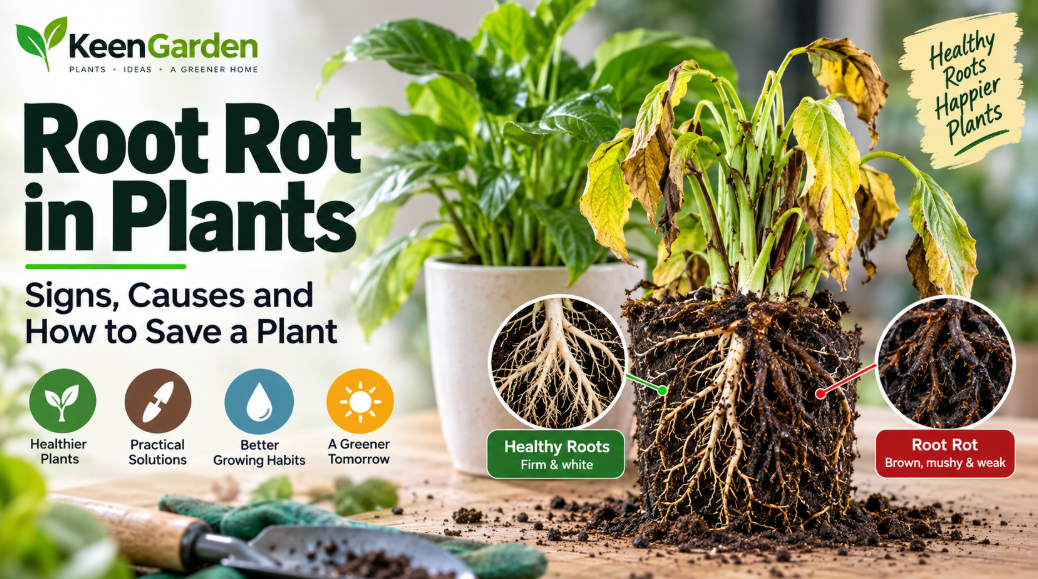
Too much water harms lettuce seeds and plants. Overwatering causes root rot and weak growth. Avoid puddles or standing water in the soil. Let the top layer of soil dry slightly before watering again. Use pots or beds with good drainage. Proper drainage stops water from sitting around roots.
Thinning seedlings is a key step after planting lettuce seeds. It means removing some small plants to give space to others. This helps lettuce grow strong and healthy. Crowded seedlings compete for light, water, and nutrients. Thinning makes sure each plant has enough room to grow big leaves.
Thin lettuce seedlings when they grow two or three leaves. This usually happens 2 to 3 weeks after planting. Use small scissors or pinch seedlings at soil level. Remove the weaker or smallest plants. Leave the strongest seedlings about 4 to 6 inches apart. This distance helps roots spread well and leaves grow wide.
Thinning reduces overcrowding. This lowers the chance of disease and mold. Air can flow better between plants. Plants get more sunlight and nutrients. Stronger seedlings become healthy lettuce heads. Thinned lettuce grows faster and tastes better. It also makes harvesting easier and cleaner.
Protecting lettuce plants from pests and diseases keeps them healthy and strong. Healthy plants grow better and give a good harvest. Small problems can become big if not stopped early. Watch your lettuce often for any signs of pests or sickness. Early action saves your garden.
Aphids are small insects that suck juice from leaves. They cause leaves to curl and turn yellow. Slugs and snails eat holes in leaves, leaving slimy trails. Leaf miners burrow inside leaves, making white lines. Cutworms chew young plants at the base. These pests harm lettuce and slow its growth.
Use neem oil spray to keep aphids away. Handpick slugs and snails during the evening. Sprinkle crushed eggshells or diatomaceous earth around plants. These stop soft-bodied pests without chemicals. Plant marigolds nearby to repel harmful insects. Attract ladybugs and lacewings; they eat aphids. Keep your garden clean and remove dead leaves. Healthy soil and good air flow reduce disease risk.
Harvesting lettuce is an exciting part of growing your own food. Picking lettuce at the right time ensures the best taste and texture. Freshly harvested lettuce adds crispness and nutrition to your meals. Knowing when and how to harvest helps you enjoy your garden's rewards fully.
Lettuce is ready to harvest when the leaves look full and healthy. The head should feel firm but not hard. Leaves must have a bright green color without yellow spots. For loose-leaf types, pick leaves when they reach 3 to 4 inches long. Avoid letting lettuce bolt, or grow tall flower stalks, as it turns bitter.
Use clean scissors or garden shears to cut lettuce leaves. Cut outer leaves first, leaving the center to keep growing. For head lettuce, cut the whole head at the base near the soil. Harvest early in the morning for the freshest flavor. Handle leaves gently to avoid bruising. Store lettuce in a cool, moist place after harvesting.
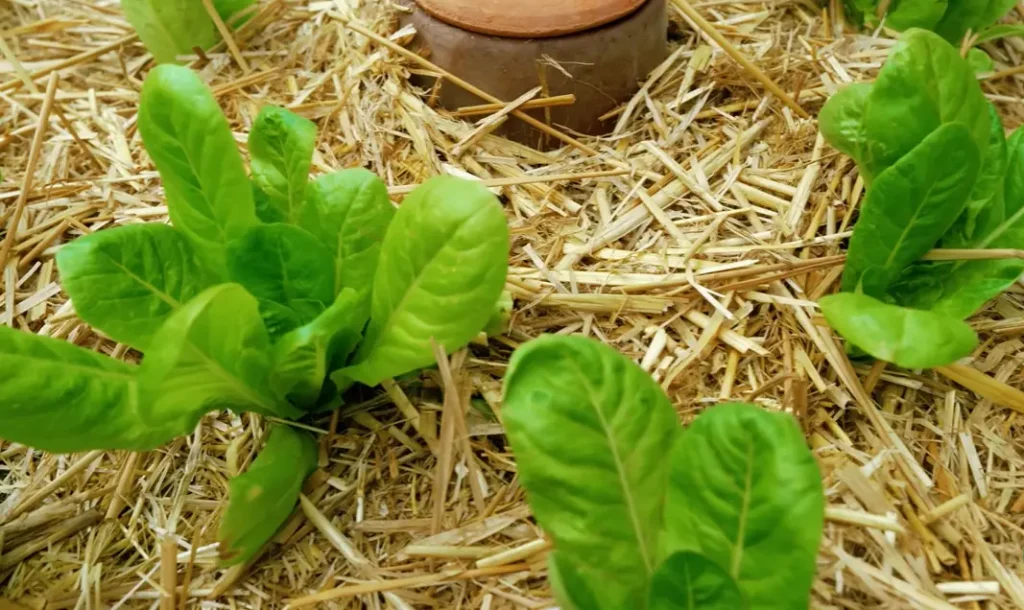
Plant lettuce seeds about 1/4 inch deep in loose soil. This depth helps seeds get enough moisture to sprout.
Lettuce grows best in well-drained, fertile soil rich in organic matter. Keep the soil moist but not soggy.
Water lettuce seeds gently every day to keep soil moist. Avoid overwatering to prevent seed rotting.
Lettuce seeds usually sprout in 7 to 10 days. Warm soil speeds up germination.
Yes, start lettuce seeds indoors 3 to 4 weeks before outdoor planting. This helps young plants grow strong before transplanting.
Planting lettuce seeds is simple and rewarding. Choose good soil and keep it moist. Sow seeds shallow and give them space. Watch for sprouts and thin them carefully. Lettuce grows best in cool weather. Water regularly but avoid waterlogging. Harvest leaves when they look fresh and green.
Growing your own lettuce brings fresh taste to meals. Start small and enjoy the process. Gardening can be relaxing and fun for everyone. Try planting lettuce seeds today and see the results!