Gardening Made Simple.
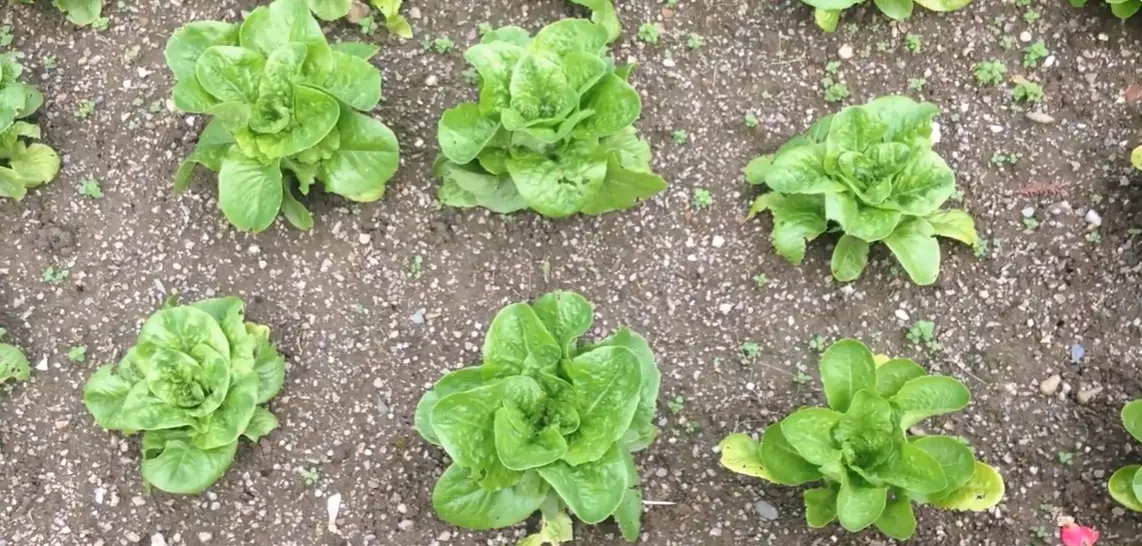
Are you eager to enjoy fresh, crisp lettuce from your garden but unsure exactly when to pick the leaves? When to Harvest Lettuce is important to know because the right timing ensures sweet, tender leaves instead of bitter, tough ones.
If you want to get the most flavor and nutrition from your lettuce, knowing the perfect moment to harvest is key. Keep reading, and you’ll discover simple tips that help you pick your lettuce leaves at just the right time—so every bite feels like a garden-fresh delight.
Knowing when to harvest lettuce is key to enjoying fresh, tasty greens. Lettuce does not wait long to reach its best stage. Watch the plant closely for signs it is ready to pick. These signs help you get the best flavor and texture from your lettuce.
Leaves should have a bright, vibrant green color. Avoid leaves that look yellow or dull. The texture must be crisp and firm. Soft or wilted leaves mean the lettuce is past its prime.
Leaves grow to about 4 to 6 inches long before harvest. They should look full but not too big. Thin or small leaves need more time. Large, floppy leaves might be bitter or tough.
For head lettuce, check if the head feels tight and firm. A loose head means it needs more growth. The lettuce head should look round and dense. Hard heads can be a sign of over-maturity.

Harvesting different types of lettuce requires some care. Each variety grows and matures in its own way. Understanding when to pick each type helps keep leaves fresh and tasty. Some lettuces grow loose leaves, while others form tight heads. Knowing the right time to harvest avoids bitterness and tough textures.
Leaf lettuce grows loose leaves without forming a head. Pick outer leaves when they reach 4 to 6 inches. Harvesting leaves regularly encourages new growth. Pick leaves early in the morning for the best taste. Avoid waiting too long, or leaves get bitter and tough.
Butterhead lettuce forms soft, loose heads. Harvest the whole head when it feels firm but still soft. Leaves should be tender and slightly curled. Cut the head at the base with a sharp knife. Picking just before full maturity gives the best flavor and texture.
Romaine lettuce forms tall, firm heads with crunchy leaves. Harvest when the head is about 6 to 8 inches tall. Check that leaves are bright green and crisp. Cut the entire head at the base. Avoid waiting too long to prevent bitterness and toughness.
Crisphead lettuce, also called iceberg, forms very tight heads. Wait until the head feels dense and firm. The size should be about the size of a softball or larger. Cut the head at the base with a sharp knife. Harvest just before the head splits open for best crunch.
Harvesting lettuce leaves at the right time of day affects their taste and freshness. Picking leaves at the best time keeps them crisp and full of flavor. The time you choose impacts how long lettuce stays fresh after harvest.
Early morning is the ideal time to harvest lettuce leaves. Leaves have the most water content after cool, damp nights. This makes them juicy and crunchy. Cooler temperatures slow down leaf wilting. Morning-harvested lettuce tastes fresher and stays fresh longer.
Harvesting lettuce later in the day risks heat stress. Hot temperatures cause leaves to wilt quickly. Heat reduces the sweet, mild flavor of lettuce. Leaves picked in the afternoon may become soft and limp fast. Avoid midday heat to keep lettuce crisp and tasty.
Harvesting lettuce leaves properly helps keep your plants healthy and productive. Using the right tools and techniques makes the process easier and cleaner. This section covers the best tools and methods for picking lettuce leaves.
Sharp scissors or garden shears cut lettuce leaves cleanly. Dull tools can crush the leaves and damage the plant. Clean cuts also reduce the risk of disease. Always sanitize your tools before and after use. This keeps your lettuce safe and healthy.
Cutting leaves is better than pulling. Pulling can tear the plant and harm roots. Cut leaves close to the base but avoid cutting the main stem. This allows the plant to keep growing new leaves. Cutting also prevents dirt from sticking to the leaves.

Extending the harvest period of lettuce leaves helps you enjoy fresh greens longer. Proper techniques can keep the plants producing new leaves. This means more salads and less waste from your garden. Let’s explore ways to stretch your lettuce harvest effectively.
Pick the outer leaves first. Leave the inner leaves to grow. This method lets the plant keep making new leaves. Harvest only a few leaves at a time. Avoid cutting the whole plant at once. This keeps lettuce healthy and productive for weeks.
After harvesting, water the plants well. Use a balanced fertilizer to support growth. Remove any damaged or yellow leaves quickly. Keep lettuce in partial shade to prevent heat stress. These steps help lettuce grow fresh leaves fast. You get more harvests from the same plants.
Harvesting lettuce leaves at the right time is important for fresh taste and healthy plants. Many gardeners make mistakes that reduce their harvest or harm the lettuce. Knowing what to avoid helps you get the best results from your garden.
Picking lettuce leaves too soon means they are small and less tasty. Leaves may be bitter or thin. Wait until leaves grow bigger but stay tender. Early harvest can slow plant growth and reduce total yield.
Leaving lettuce too long makes leaves tough and bitter. Older leaves may turn yellow or get slimy. Overripe lettuce loses flavor and nutrition. Harvest leaves before they get too old for best quality.
Pulling or cutting leaves carelessly can hurt the plant. Avoid tearing leaves or cutting too close to the stem. Use sharp scissors and cut outer leaves only. Damaged plants grow slower and can get diseases easily.
Storing lettuce after harvest keeps it fresh and crisp longer. Proper storage helps maintain its flavor and texture. Handling lettuce carefully is important to avoid wilting and spoilage. Follow simple steps to clean, dry, and store lettuce properly.
Rinse lettuce leaves gently under cool water. Remove dirt and any insects carefully. Avoid soaking lettuce too long to keep it fresh. Use a salad spinner or pat leaves dry with a clean towel. Dry leaves prevent rot and keep lettuce crisp.
Store lettuce in the refrigerator to slow down wilting. Keep it in a plastic bag or container with holes for airflow. Use paper towels to absorb extra moisture inside storage bags. Avoid storing lettuce near fruits that release ethylene gas. This gas can cause leaves to spoil faster.
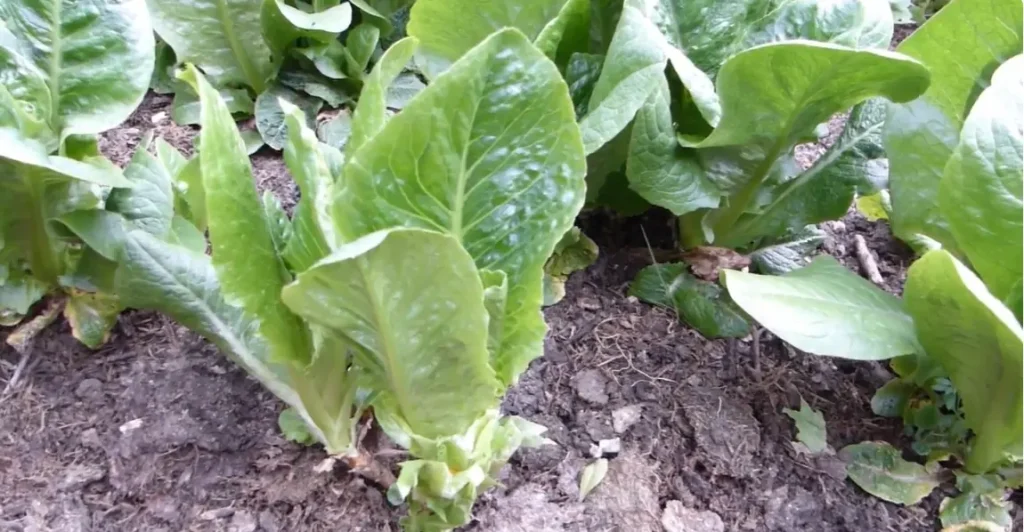
Lettuce leaves are best picked when they are young and tender. This is usually 30 to 60 days after planting. Picking early ensures a sweeter taste and crisp texture.
Leaves are ready when they reach about 4 to 6 inches long. They should look fresh, bright, and full. Avoid leaves that are yellow or wilted.
Yes, you can harvest lettuce leaves several times. Pick the outer leaves first and leave the center to grow. This method is called "cut and come again. "
Morning is the best time to harvest lettuce leaves. The leaves hold more moisture and taste fresher. Avoid picking during hot afternoon hours to prevent wilting.
Store harvested lettuce leaves in a cool, dry place. Wrap them in a damp paper towel inside a plastic bag. Keep them in the refrigerator to stay fresh longer.
Harvest lettuce leaves when they look full and healthy. Pick outer leaves first to help the plant grow more. Avoid waiting too long to prevent bitterness. Fresh leaves taste better and have more nutrients. Regular harvesting keeps your lettuce producing well.
Watch the size and color of the leaves closely. Enjoy your garden’s fresh and crisp greens often. Simple care leads to a happy, productive lettuce patch.