Gardening Made Simple.

Planting Basil in Containers is one of the easiest and most rewarding ways to enjoy fresh, fragrant herbs at home. Are you ready to bring aromatic basil right to your doorstep? With the right pot, soil, and care, you can grow healthy basil plants year-round and enjoy flavorful leaves for cooking whenever you need them.
Whether you have a small balcony, a sunny windowsill, or just a little space outside, growing basil in pots lets you control its environment and keep it thriving. Imagine snipping fresh leaves for your favorite dishes whenever you want—no more last-minute trips to the store.
You’ll discover simple tips to help your basil flourish in containers, so you can enjoy the freshest flavor with minimal effort. Keep reading to unlock the secrets of container basil gardening and turn your space into a green oasis!
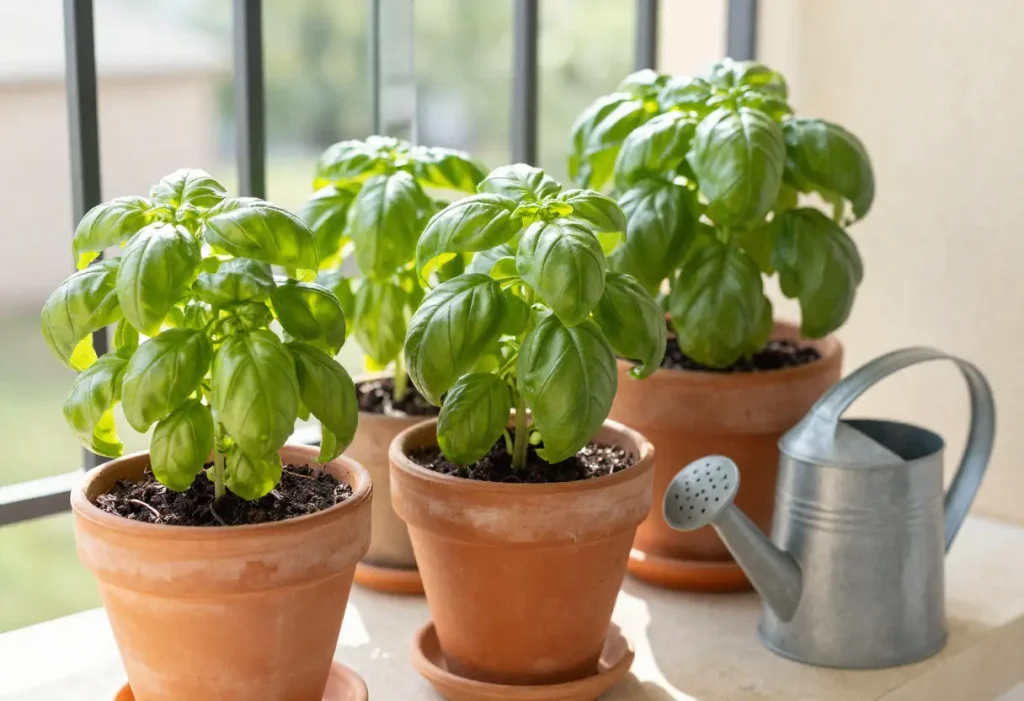
Choosing the right container is key for growing healthy basil plants. The container affects root growth, water retention, and plant health. Picking the best size and material ensures your basil thrives in its space.
Select a container at least 8 to 12 inches wide. Basil needs enough room for roots to spread. Too small a pot can stunt growth and reduce flavor.
Clay pots are popular. They breathe well and prevent overwatering. Plastic pots hold moisture longer but can cause root rot if not watched. Choose a container that suits your watering habits and climate.
Drainage holes are a must. They stop water from pooling at the bottom. Standing water leads to root rot and kills basil plants fast.
If your container lacks holes, drill some yourself. A well-drained pot helps roots get oxygen and prevents soil from getting soggy. Good drainage means healthy, fragrant basil leaves.
Choosing the right basil variety is key to successful container gardening. Different types of basil vary in size, flavor, and growth habits. Picking the best one helps you enjoy fresh herbs all season. Below are some popular types and their distinct qualities.
Sweet basil is the most common choice for containers. It has large, bright green leaves and a mild, sweet flavor. It grows well in pots and produces many leaves.
Thai basil has a spicy, anise-like taste. Its purple stems and flowers add color to your garden. This variety stays compact, perfect for small containers.
Genovese basil is famous for making pesto. It has broad leaves and a strong aroma. It grows upright and fits nicely in medium pots.
Lemon basil offers a fresh citrus scent. Its smaller leaves work well in salads and teas. This type stays bushy and manageable in containers.
Sweet basil has a gentle, classic flavor. It grows quickly and needs plenty of sunlight. Regular trimming encourages bushy growth.
Thai basil’s flavor is bold and spicy. It prefers warm temperatures and lots of light. This type grows slower but lasts longer.
Genovese basil tastes rich and slightly sweet. It grows tall and needs space to spread. Pinch the flower buds to keep leaves growing.
Lemon basil has a bright, tangy flavor. It grows compact and dense. It tolerates some shade better than other types.
Growing basil in containers needs careful soil and planting choices. Good soil and proper planting help basil grow healthy and strong. This section explains how to pick the right soil and plant basil well in containers.
Basil grows best in soil that drains well. Use potting mix made for herbs or vegetables. A mix of peat moss, perlite, and compost works great. Avoid heavy garden soil; it holds too much water. The soil should feel light and crumbly. This lets roots get air and prevents root rot.
Plant basil seeds about 1/4 inch deep in the soil. Cover seeds lightly with soil. Keep soil moist but not soaked until seeds sprout. Space basil plants 6 to 8 inches apart in the container. Crowded plants may not grow well. Give each plant room to get sunlight and air.
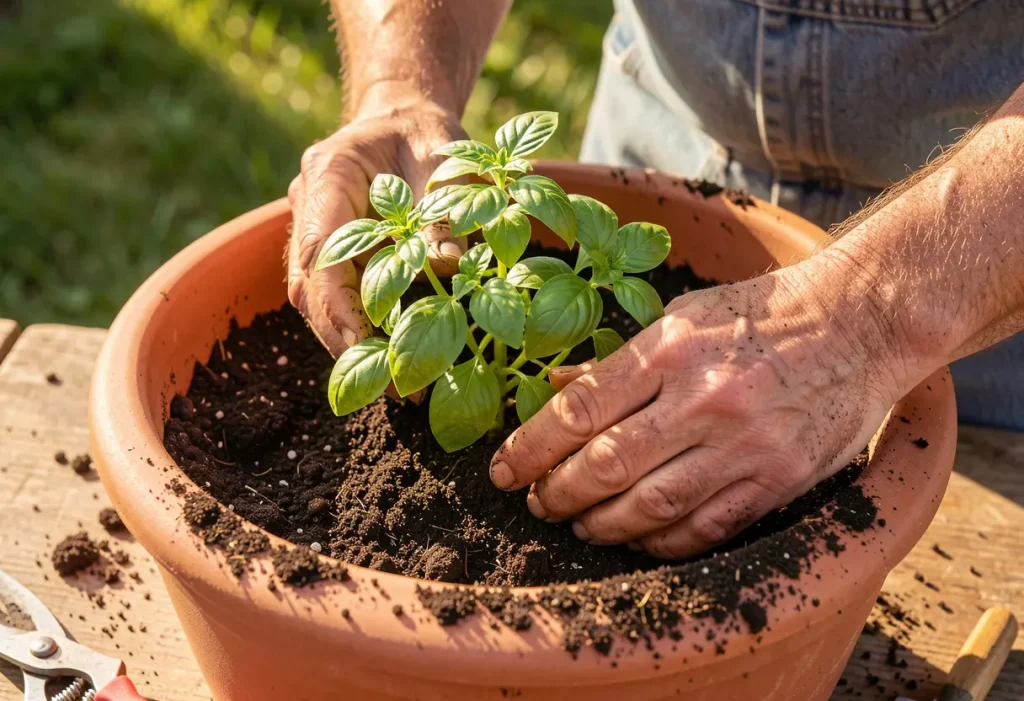
Watering and feeding are key to healthy basil in containers. Proper care helps basil grow strong and flavorful. Both water and nutrients need balance. Too much or too little can harm your plant.
Basil in containers dries out faster than in the ground. Check soil daily by touching the top inch. Water when soil feels dry. Water deeply to moisten the entire root zone. Avoid overwatering; soggy soil causes root rot. Morning watering is best. It lets leaves dry before night.
Basil benefits from light feeding during growth. Use a balanced, water-soluble fertilizer every two weeks. Choose one with equal nitrogen, phosphorus, and potassium. Organic options like fish emulsion or compost tea also work well. Avoid overfeeding; too much fertilizer can harm basil. Follow package instructions carefully for best results.
Basil is a popular herb that thrives in the right sunlight and temperature. Growing it in containers allows control over these factors. Understanding basil’s needs helps it grow healthy and strong.
Sunlight and warmth are crucial for basil. They affect leaf flavor and plant growth. The right balance keeps basil vibrant and full of aroma.
Basil needs plenty of sunlight each day. Aim for at least six hours of direct sun. Place containers in a bright spot like a south-facing window or patio.
Too little light makes basil weak and leggy. Leaves may lose their rich green color. Bright light keeps leaves thick and flavorful.
Basil grows best between 70°F and 85°F (21°C to 29°C). Temperatures below 50°F (10°C) can slow growth or damage the plant. Avoid cold drafts or sudden temperature drops.
High heat above 90°F (32°C) may stress basil. Provide shade or move containers indoors during hot days. Warm, steady temperatures support steady growth and fresh leaves.
Pruning and harvesting basil in containers keeps the plant healthy and productive. Regular care helps the basil grow strong and full. Cutting the leaves correctly boosts new growth and flavor. Harvesting at the right time ensures fresh, tasty leaves for cooking.
Trim the basil above a leaf node to promote branching. Pinch or cut the top leaves to stop tall, leggy stems. This encourages the plant to grow wider and fuller. Remove flowers as soon as they appear to focus energy on leaf growth. A bushy basil plant offers more leaves to harvest.
Pick basil leaves early in the morning for the best flavor. Choose leaves that are bright green and healthy-looking. Avoid harvesting more than one-third of the plant at a time. Use clean scissors or fingers to snip leaves gently. Frequent harvesting keeps the plant producing fresh leaves longer.
Pest and disease management is key to growing healthy basil in containers. Pests and diseases can quickly damage basil leaves and stunt growth. Good care and attention help keep your plants strong and vibrant. Regular checks make it easier to catch problems early. Healthy basil plants resist pests and diseases better.
Aphids are small insects that suck sap from basil leaves. They cause leaves to curl and turn yellow. Spider mites create tiny webs and leave spots on leaves. Whiteflies are small white bugs that fly around the plant. Fungal diseases like downy mildew cause yellow spots and fuzzy growth. Root rot can happen if the soil stays too wet.
Spray basil with water to wash off aphids and whiteflies. Use neem oil or insecticidal soap to control insects safely. Introduce ladybugs to your garden as they eat aphids. Remove any infected leaves to stop disease spread. Avoid overwatering to prevent root rot and mildew. Keep good air flow around plants by spacing containers properly.
Basil is a warm-weather herb that struggles with cold temperatures. Overwintering basil means keeping it alive through the cold months. This way, you can enjoy fresh leaves well into winter and beyond. Container planting makes it easier to move basil indoors. With the right care, basil can thrive inside your home during winter.
Place your basil in a bright spot with plenty of sunlight. A south-facing window works best. Basil needs at least six hours of light daily. If natural light is low, use a grow light. Keep the soil moist but not soggy. Water only when the top inch feels dry. Avoid drafts and cold windowsills. Maintain indoor temperatures between 65 and 75 degrees Fahrenheit. Trim the plant regularly to encourage new growth. Remove any yellow or dead leaves promptly.
Bringing basil indoors extends its growing season by months. You can also use a small heater in the room to keep it warm. Feeding basil with a balanced liquid fertilizer every two weeks helps. Prune the plant to prevent it from getting leggy. Pinch off flower buds to keep the leaves tasty. Rotate the pot weekly for even light exposure. This prevents the plant from leaning to one side. With these simple steps, your basil stays productive throughout winter.
Pick a container with good drainage holes and at least 8-12 inches deep. This helps basil roots grow well and prevents waterlogging.
Use light, well-draining potting mix rich in organic matter. Avoid heavy garden soil that holds too much water.
Water basil when the top inch of soil feels dry. Usually, this means watering every 2-3 days, but check often.
Place containers in a spot that gets 6-8 hours of sunlight daily. Basil loves warmth and bright light.
Yes, basil grows well indoors with enough light and warmth. Use grow lights if sunlight is limited.
Growing basil in containers is simple and rewarding. You can enjoy fresh leaves right at home. Just give your plants enough sunlight and water. Choose a pot with good drainage to keep roots healthy. Regular trimming helps basil grow bushy and strong.
This way, you always have fresh herbs for cooking. Small space? No problem. Containers fit balconies, patios, or windowsills. Start your basil journey today and enjoy its flavor in every meal. Easy, fun, and fresh. What more could you want?