Gardening Made Simple.

Have you noticed tiny black bugs crawling on your plants? Those little invaders are often spider mites—small but mighty pests that can quickly damage your green friends. Dealing with Spider Mite Tiny Black Bugs on Plants early can help protect your plants and prevent serious damage.
If you want to keep your plants healthy and thriving, it’s crucial to spot these pests early and know how to get rid of them. You’ll discover simple ways to identify spider mites, understand the harm they cause, and learn effective tips to protect your plants before it’s too late.
Keep reading to save your plants from these sneaky tiny threats!
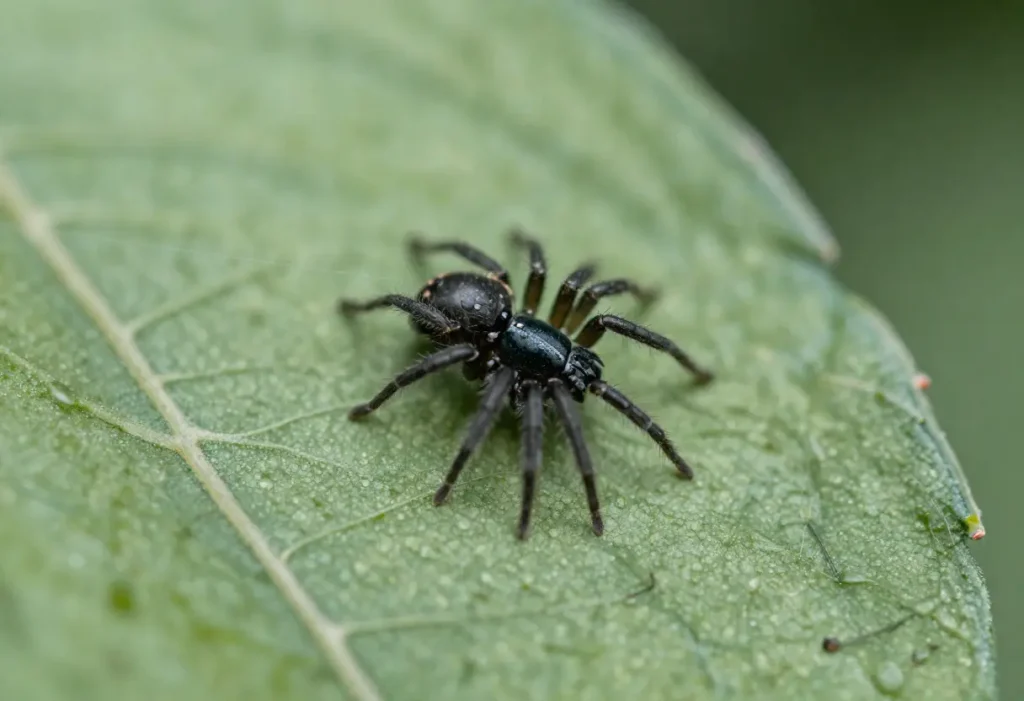
Spider mites are tiny bugs that damage many plants. They are hard to see with the naked eye. Knowing how to identify them early helps protect your plants. This section explains their look, favorite plants, and signs of their presence.
Spider mites are very small, about 1/50 inch long. They look like tiny dots on leaves. Most are red, yellow, or green, but some are black. They have eight legs, like spiders. Their bodies are round or oval.
Spider mites attack many plants. Houseplants, garden flowers, and vegetables are common targets. They love hot, dry conditions and often hide under leaves. Roses, tomatoes, and beans often have spider mite problems.
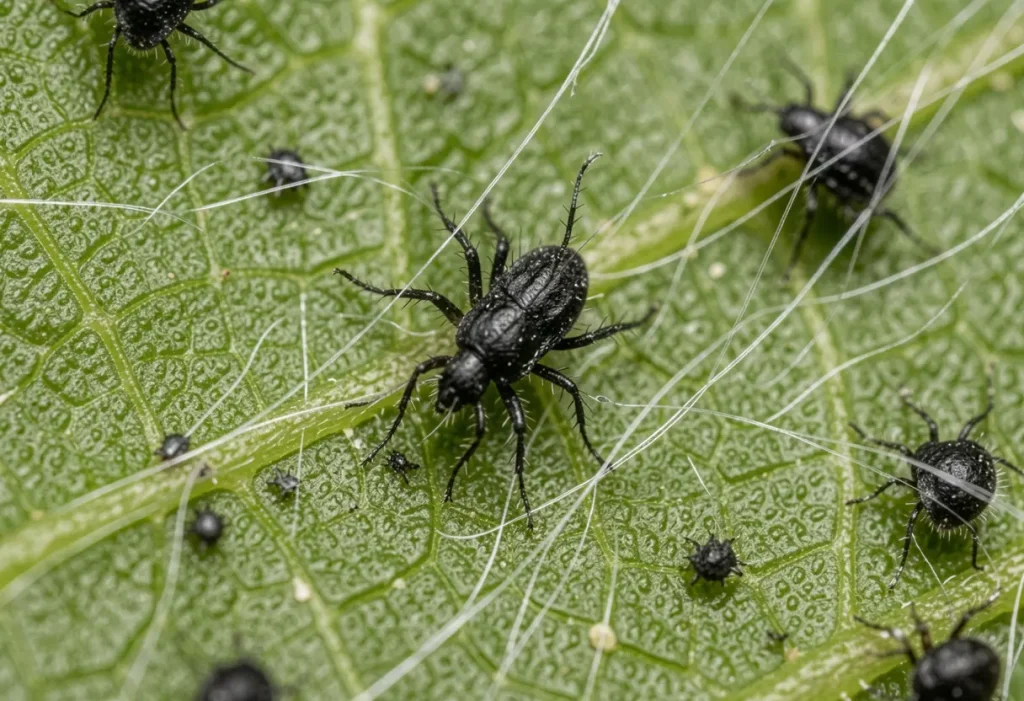
Leaves show tiny yellow or white spots. Leaves may look dusty or web-covered. Plants can become dry and wilted. Fine webs appear on leaf undersides and stems. Severe infestations cause leaf drop and slow growth.
Spider mites are tiny black bugs that harm plants in many ways. They feed on plant cells, causing visible damage. This damage affects the plant’s growth and health. Recognizing these signs early helps protect your plants effectively.
Spider mites suck the sap from leaves. This causes small, pale spots to appear. Leaves may turn yellow or bronze over time. The discoloration spreads if mites are not controlled. These spots reduce the plant's ability to make food.
Spider mites create fine, silky webs on leaves and stems. These webs protect the mites and their eggs. Webbing signals a heavy infestation. It blocks sunlight and air from reaching the leaves. Webbing makes the plant look unhealthy and weak.
Spider mite damage weakens plants significantly. Leaves dry out and fall off early. Plants become stunted and stop growing well. Severe infestations can kill the plant. Weakened plants are more likely to get diseases.
Spider mites are tiny pests that can harm your plants quickly. Preventing their infestation is key to keeping plants healthy and strong. Taking simple steps helps stop spider mites before they spread. Protect your plants with good care and attention.
Healthy plants resist pests better. Water plants well but avoid overwatering. Use good soil to give plants nutrients. Keep plants trimmed to improve air flow. Strong plants handle spider mites more easily.
Spider mites like dry and hot places. Increase humidity around plants by misting leaves. Avoid placing plants in direct, harsh sunlight. Use fans to keep air moving. Cooler, moist conditions make plants less inviting to mites.
Check plants often for signs of spider mites. Look under leaves for tiny black dots or webs. Use a magnifying glass to see better. Early detection helps stop infestations fast. Remove affected leaves to protect the whole plant.
Natural control methods offer safe ways to manage spider mite infestations on plants. These tiny black bugs can harm your garden, but nature provides solutions. Using natural methods protects beneficial insects and keeps your plants healthy.
These methods avoid harsh chemicals, making your garden eco-friendly. They work gently and often improve plant health beyond pest control.
Some insects eat spider mites naturally. Ladybugs, lacewings, and predatory mites are common helpers. They hunt spider mites and reduce their numbers quickly. Introducing these predators into your garden keeps spider mites in check. This method balances the ecosystem without chemicals.
Simple sprays made from household ingredients can fight spider mites. Mix water with a few drops of dish soap to create a mild spray. Spray it on affected leaves to suffocate spider mites. Repeat every few days for best results. This spray is safe and easy to make at home.
Neem oil comes from the neem tree and works well against spider mites. It disrupts their life cycle and stops them from spreading. Dilute neem oil with water and spray it on plants. Neem oil also protects plants from other pests and diseases. Use it regularly for strong, healthy plants.
Chemical treatments play a key role in controlling spider mite infestations. These tiny black bugs can cause severe damage to plants. Using the right chemicals helps stop their spread and protect your plants. Proper use of miticides ensures effective pest control and plant safety.
Select miticides labeled for spider mites. Check active ingredients like abamectin or bifenthrin. Some products work better on certain plant types. Avoid broad-spectrum insecticides that harm beneficial insects. Always pick a product suitable for your specific plant and infestation level.
Apply miticides during early morning or late evening. Avoid spraying under direct sunlight to prevent plant damage. Cover all plant surfaces, especially undersides of leaves where mites hide. Repeat treatments as directed on the label to break the mite life cycle. Use a fine spray for even coverage and better results.
Wear gloves and a mask during chemical application. Keep children and pets away from treated plants. Store chemicals in a cool, dry place out of reach. Follow all label instructions carefully to avoid health risks. Dispose of empty containers according to local regulations to protect the environment.
Severe infestations of spider mite tiny black bugs on plants demand quick and careful action. These pests can damage leaves, stunt growth, and even kill your plants. Managing these infestations involves removing affected parts, isolating plants, and knowing when to get expert help. Acting fast stops the spread and saves your garden.
Cut off leaves and branches with visible spider mites. Use sharp, clean tools to avoid spreading bugs. Place pruned parts in a sealed bag to prevent escape. Dispose of the bag in the trash, not compost. This limits the chance of reinfestation and protects other plants.
Move infected plants away from healthy ones immediately. Keep them in a separate area for at least two weeks. Check these plants daily for any new signs of mites. Avoid sharing tools or pots between quarantined and healthy plants. Quarantine helps contain the infestation and protect your garden.
If spider mites keep returning or spread quickly, call a plant care expert. Professionals have the right tools and treatments for tough infestations. Early expert advice can save your plants from severe damage. Don’t wait until the problem becomes unmanageable.
After getting rid of spider mites and tiny black bugs, long-term care is key. It helps keep your plants healthy and pest-free. Taking care of plants over time stops these pests from coming back. It also helps plants grow strong and resist damage.
Keep checking your plants often for any signs of pests. Look under leaves and on stems where spider mites hide. Early spotting helps control pests before they spread. Use a magnifying glass to see tiny bugs clearly. Record any pest activity to track patterns and act fast.
Feed your plants with good nutrients and water them well. Healthy plants fight pests better and recover faster. Use natural fertilizers like compost to boost plant strength. Avoid over-fertilizing, which can attract more pests. Prune damaged leaves to help the plant focus on new growth.
Keep plants spaced well to improve air flow and reduce pests. Clean gardening tools to stop bugs from spreading. Remove fallen leaves and debris that can hide pests. Rotate plants in your garden to break pest life cycles. Choose pest-resistant plant varieties for easier care.
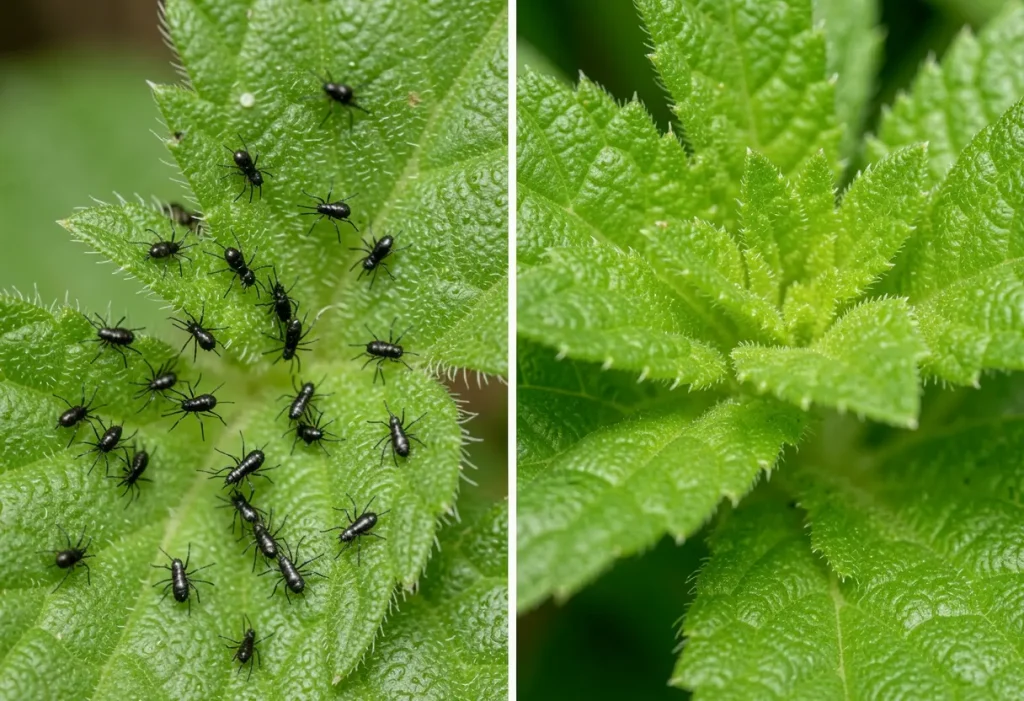
Spider mites are tiny bugs that feed on plant leaves, causing damage and yellow spots.
Look closely for small, moving black dots, fine webs, and speckled leaves.
They suck plant juices, leading to leaf discoloration, wilting, and poor growth.
Use water sprays, insecticidal soap, or introduce natural predators like ladybugs.
Yes, they move quickly and infest nearby plants if not controlled early.
Tiny black spider mites can harm your plants quickly. Catch them early to stop damage. Use natural sprays or clean leaves often. Healthy plants fight pests better. Keep checking plants every week for signs. Small steps protect your garden and keep plants strong.
Don’t wait until problems grow big. Taking action now helps your plants stay green and happy. Simple care makes a big difference. Your plants will thank you.