Gardening Made Simple.

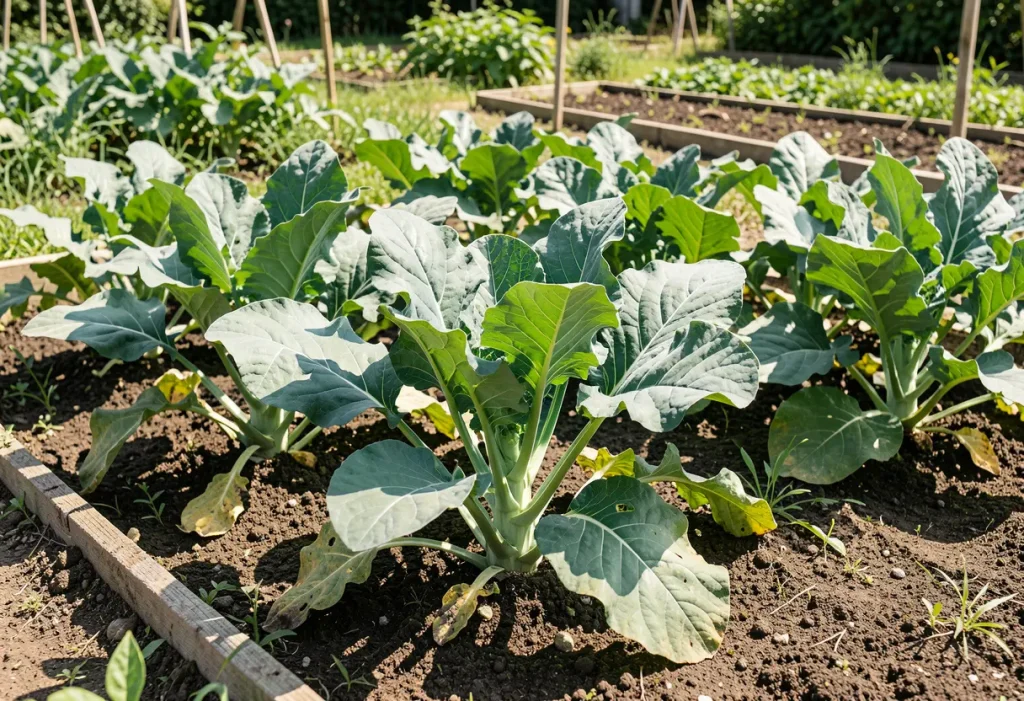
Are you ready to grow your own fresh, crunchy broccoli right at home? Understanding the Stages of Broccoli Growing is the key to a successful harvest. By following each stage carefully—from seedling to mature plant—you can ensure healthy growth, bigger heads, and a plentiful broccoli crop.
Whether you’re a beginner or have some gardening experience, knowing what to expect at each step will help you avoid common mistakes and enjoy the best results. You’ll discover exactly how broccoli develops—from tiny seeds to full, green heads ready for your kitchen.
Keep reading, and you’ll gain the confidence to nurture your plants every step of the way. Your garden (and taste buds) will thank you!
Choosing the right broccoli variety is key for a healthy garden. Different types grow better in certain climates and soils. Picking the best variety can improve your harvest and reduce problems.
Some broccoli types mature fast. Others take more time but offer bigger heads. Knowing these details helps you plan your garden well.
Broccoli comes in several types. Calabrese is the most common. It has large green heads and thick stalks. Sprouting broccoli produces many small heads. It grows well in cooler weather. Purple cauliflower is a colorful relative. It adds variety to your garden and plate.
Choose broccoli that fits your climate. Some types do better in warm areas. Others prefer cooler zones. Look for varieties labeled for your region. This helps your plants grow strong and resist disease.
Check how long broccoli takes to mature. Some varieties are ready in 50 days. Others need 90 days or more. Fast-growing broccoli suits short growing seasons. Longer seasons allow for bigger, slower-growing types.
Some broccoli types resist pests and diseases better. This reduces the need for chemicals. Resistant varieties save time and effort. They keep your garden healthier and more productive.
Preparing the soil is the first step in growing healthy broccoli. Good soil helps broccoli plants grow strong and produce big heads. It needs to be loose, rich, and well-drained. Preparing soil right makes a big difference in the plant’s growth and yield.
Start by testing the soil to know its condition. A soil test shows nutrient levels and pH balance. You can buy a simple kit or send samples to a lab. This helps you understand what your soil needs.
After testing, add amendments to fix problems. Use compost or aged manure to improve soil texture and fertility. Add lime if the soil is too acidic. Add sulfur if the soil is too alkaline. These changes make soil better for broccoli roots.
Broccoli grows best in soil with a pH between 6.0 and 7.0. This pH range helps plants absorb nutrients easily. Nutrients like nitrogen, phosphorus, and potassium are very important.
Nitrogen helps leaves grow big and green. Phosphorus supports root growth and flower formation. Potassium strengthens the plant and improves disease resistance. Use balanced fertilizer to provide these nutrients.
Starting broccoli seeds indoors gives plants a strong beginning. It helps young plants grow safe from cold weather. This way, broccoli can develop healthy roots and leaves before moving outside.
Indoor seed starting also allows for better control of growing conditions. You can give broccoli the right temperature and light it needs. This improves the chance of successful growth.
Choose fresh broccoli seeds for best results. Check the seed packet for the variety and planting dates. Use small pots or seed trays with good drainage.
Fill containers with seed-starting mix, not garden soil. Plant seeds about ¼ inch deep. Cover lightly and water gently to keep soil moist.
Label each container with the seed type and date sown. This helps track growth and care needs.
Broccoli seeds need a soil temperature between 65°F and 75°F to sprout. Use a heat mat if the room is cool. Keep the soil moist but not wet.
Provide 12 to 16 hours of light daily. Place seedlings near a sunny window or use grow lights. Light helps seedlings grow strong and prevents them from becoming leggy.
Maintain cool air temperature around 60°F to 70°F for healthy growth. Avoid hot or drafty spots to protect seedlings.
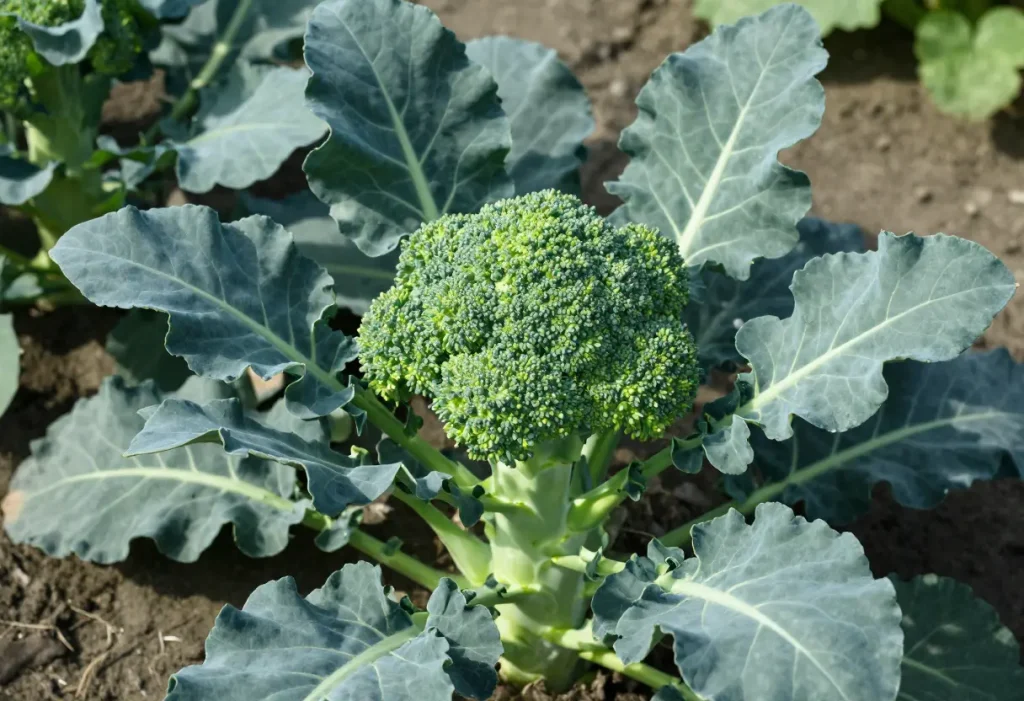
Transplanting seedlings is a key step in growing healthy broccoli plants. It means moving young plants from seed trays to the garden soil. This stage helps broccoli grow strong roots and prepare for outdoor conditions. Proper transplanting improves plant growth and yield.
Choose the right time to transplant broccoli seedlings. The best time is when seedlings have 4 to 6 true leaves. The weather should be cool, not hot or freezing. Space plants about 18 inches apart to give room for growth. Rows should be 24 inches apart for good air flow.
Before planting outside, harden off seedlings. This means slowly exposing them to outdoor weather. Start by placing seedlings outside for a few hours each day. Increase the time over 7 to 10 days. This process helps plants adjust to wind, sun, and temperature changes.
Watering and feeding are key steps in growing healthy broccoli. Proper water helps roots grow strong. Feeding provides nutrients needed for big, green heads. Both must be done carefully for best results.
Broccoli needs regular watering. The soil should stay moist but not wet. Water early in the morning to reduce evaporation. Use drip irrigation or soaker hoses to water slowly. This keeps leaves dry and lowers disease risk. Avoid overhead watering that wets the foliage. Deep watering helps roots grow deep. Check soil moisture often. Water more during hot, dry weather.
Broccoli grows best with balanced fertilizer. Use a mix with nitrogen, phosphorus, and potassium. Nitrogen helps leaves grow green and strong. Apply fertilizer before planting and during growth. Side-dress plants with fertilizer when heads start forming. Avoid too much fertilizer, which can harm plants. Organic options like compost or manure work well. Follow package instructions carefully. Feeding regularly supports healthy broccoli growth.
Managing pests and diseases is a key part of growing healthy broccoli. Pests can eat leaves and heads, harming the plant’s growth. Diseases can spread quickly, reducing the harvest. Careful attention helps keep broccoli strong and productive.
Aphids are small insects that suck plant juices. They cause leaves to curl and yellow. Cabbage worms eat holes in leaves and heads. Flea beetles make tiny pits on young leaves. Slugs and snails leave slimy trails and chew holes. Watch your plants often to spot these pests early.
Plant broccoli in well-drained soil to avoid root diseases. Rotate crops yearly to stop disease buildup. Remove plant debris after harvest to reduce germs. Water plants at the base, not the leaves. Use disease-resistant broccoli varieties for better results. Keep garden tools clean to avoid spreading disease.
Supporting broccoli growth is key to a healthy, strong plant. Proper care helps the broccoli develop large heads and crisp leaves. This stage needs attention to detail and steady effort. Techniques like thinning and mulching help the plant thrive. These actions improve air, light, and soil conditions. They keep the plant safe from pests and diseases. Let’s explore how to support broccoli growth well.
Thinning means removing small or weak broccoli plants. This gives space for strong plants to grow big. Thin plants get more sunlight and nutrients. Pruning involves cutting away old or damaged leaves. It helps the plant focus energy on growing broccoli heads. Both thinning and pruning improve air flow. Good air flow reduces the risk of mold and pests. These simple steps make a big difference in growth.
Mulching covers the soil around the broccoli. It keeps the soil moist and cool. Mulch blocks weeds that steal nutrients from the plant. It also stops soil from washing away after rain. Organic mulches like straw or leaves add nutrients to the soil. Mulching creates a better environment for roots to grow deep. Healthy roots mean stronger broccoli plants ready to produce.
Harvesting broccoli is the final step in growing this healthy vegetable. It needs careful attention to get the best taste and texture. Picking broccoli at the right time keeps it fresh and crunchy. Knowing when and how to harvest is important for every gardener.
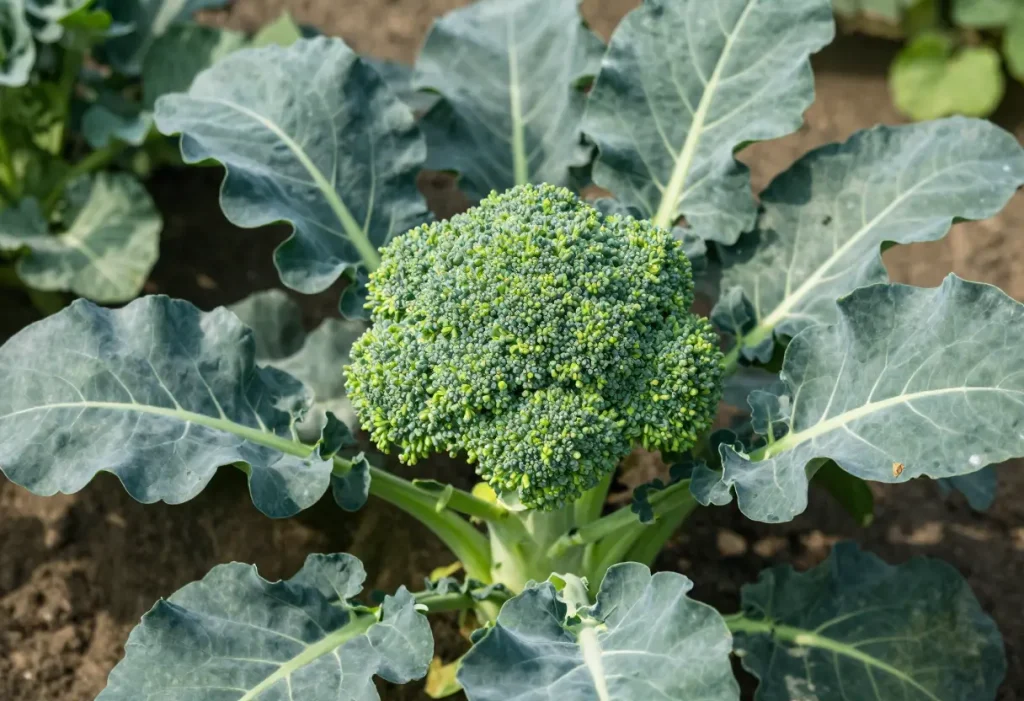
Broccoli heads are ready to harvest when they are firm and tight. The flower buds should be compact and green. Yellow flowers mean the broccoli is overripe. The head size is usually about 4 to 7 inches wide. Check the buds often to catch the perfect time. The stalk should be thick and sturdy. Small side shoots may also grow after the main head is cut. These can be harvested later.
Use a sharp knife to cut the broccoli head. Cut the stalk about 6 inches below the head. Hold the head gently to avoid bruising. Do not pull or twist the broccoli off the plant. Cut early in the morning for best freshness. After harvesting, store broccoli in a cool place. Keep it moist but not wet to avoid decay. Harvest side shoots the same way as the main head. Regular harvesting encourages more growth.
Post-harvest care is very important for broccoli. It helps keep the vegetable fresh and tasty after picking. Proper care stops broccoli from spoiling fast. This saves money and reduces waste. Follow some simple steps to store and protect your broccoli after harvest.
Store broccoli in a cool place right after harvest. The best temperature is near 32°F (0°C). Keep broccoli in a perforated plastic bag. This keeps air flowing and stops moisture build-up. Avoid washing broccoli before storage. Water can cause mold and rot. Store broccoli away from fruits like apples and bananas. These fruits release gases that spoil broccoli faster.
To keep broccoli fresh longer, keep it dry and cold. Wrap broccoli loosely in a damp paper towel. This keeps moisture without making it wet. Use broccoli within 3 to 5 days for best taste. Freezing broccoli is a good option for longer storage. Blanch broccoli in boiling water for 2 minutes before freezing. Cool it quickly in ice water, then freeze in a sealed bag. Frozen broccoli keeps its nutrients and flavor well.
Broccoli grows in four main stages: seed germination, seedling, vegetative growth, and head development.
Broccoli usually takes 70 to 100 days from planting to harvest, depending on the variety.
Transplant seedlings when they have 4-6 true leaves and the outdoor temperature is cool.
Harvest broccoli when the head is firm, tight, and dark green before flowers open.
Broccoli needs regular watering, full sun, good soil, and protection from pests during all stages.
Growing broccoli takes patience and care through each stage. Start with healthy seeds and good soil. Watch seedlings sprout and grow strong leaves. Keep the plants well-watered and free from pests. Wait for the heads to form and tighten. Harvest at the right time for best taste.
Enjoy fresh broccoli from your own garden. Simple steps bring great results. Gardening can be rewarding and fun. Try growing broccoli and see the process yourself!