Gardening Made Simple.

Suckers on Tomato Plants can affect growth, airflow, and fruit production if not managed properly. Are you struggling to get your tomato plants to grow strong and healthy? One common problem you might be facing is those little growths called suckers, which can divert energy away from fruit development if left unchecked.
They look harmless but can steal energy from your main plant, making it harder for your tomatoes to thrive. Understanding what suckers are and how to manage them can make a big difference in your garden’s success. Keep reading to discover simple tips that will help you boost your tomato harvest and enjoy more vibrant plants.
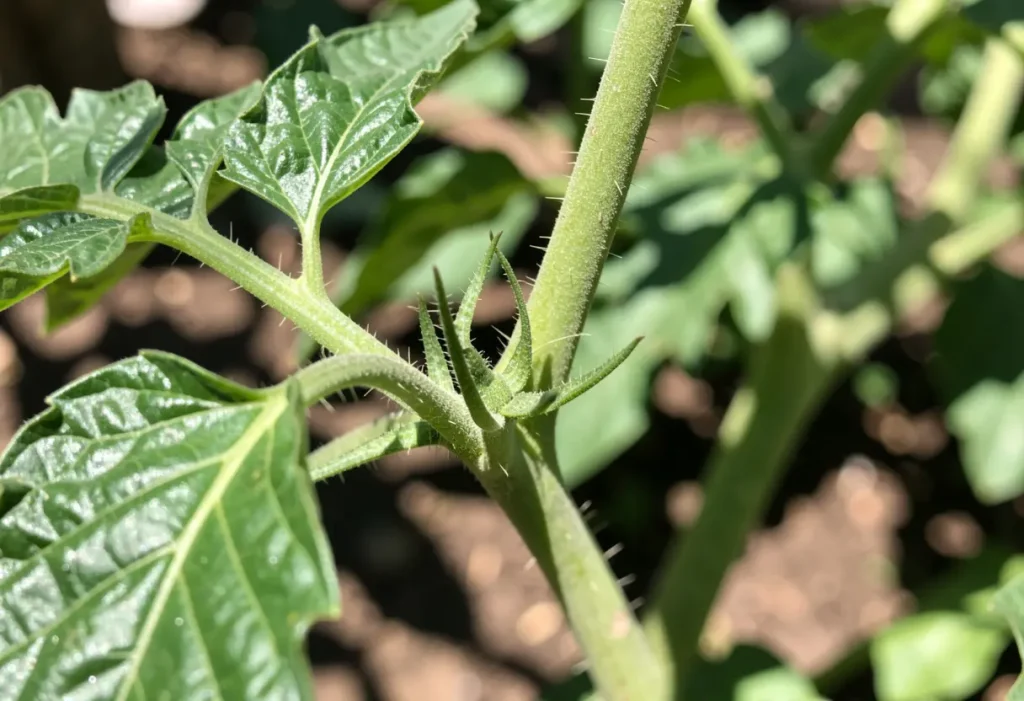
Tomato suckers are small shoots that grow between the main stem and branches of tomato plants. These shoots can take nutrients and energy away from the main fruit-bearing parts of the plant. Understanding what tomato suckers are helps gardeners decide whether to remove them or let them grow.
Tomato suckers are side shoots that sprout from the leaf axils. The leaf axil is the area where the leaf stem meets the main stem. These shoots look like tiny branches growing in the "V" shape between the stem and branch.
Suckers appear at the junction of the main stem and a branch. They usually grow rapidly if left unchecked. These shoots can develop into full branches and produce leaves and flowers.
Suckers grow because the plant tries to produce more leaves and fruits. The plant uses its energy to create new growth. This is a natural way for tomato plants to spread out and increase fruit production.
Tomato plants grow small shoots called suckers between the main stem and branches. These suckers take energy from the plant. Removing them helps the plant focus on growing bigger fruits. It also improves air flow and light inside the plant. This keeps tomatoes healthy and strong.
Suckers use nutrients and water that fruits need. Removing suckers lets the plant send more energy to tomatoes. This makes fruits larger and tastier. Better fruit quality means a better harvest.
Dense growth from suckers blocks air and light. This creates damp spots where fungi and pests grow. Removing suckers opens up the plant. Air moves freely, and leaves dry faster. This reduces disease and pest problems.
Without suckers, the plant grows a strong main stem. This stem supports heavy fruit better. The plant stays upright and healthy. It also makes pruning and harvesting easier.
Pruning suckers on tomato plants is important for a healthy harvest. It helps the plant focus energy on growing fruit, not extra leaves. Knowing the right time to prune suckers can improve your tomato yield and plant health.
Start by watching your tomato plant closely. Suckers grow in the space between the main stem and branches. These small shoots can take nutrients away from the fruit. Removing them early keeps the plant strong.
Prune suckers when the plant is young and before it blooms. At this stage, the plant uses energy to grow leaves and stems. Removing suckers now helps direct energy to the main parts of the plant. It also stops the plant from becoming too bushy.
Keep pruning suckers while fruit grows. Suckers take water and nutrients that fruit needs. Removing suckers helps the fruit get bigger and ripen faster. Be gentle to avoid damaging the plant during this stage.
Cut suckers after picking tomatoes to prepare for the next season. This cleanup helps the plant rest and recover. Removing old suckers reduces disease risk. It also makes space for new growth.
Knowing how to identify suckers on tomato plants helps keep plants healthy. Suckers are small shoots that grow from the joint where a leaf meets the main stem. These shoots take energy from the plant and can slow down fruit growth.
Spotting suckers early helps gardeners prune them before they get too big. This simple step improves air flow and sunlight exposure for the tomato plant. Here are some ways to recognize suckers clearly.
Suckers grow in the angle between the main stem and a branch. This spot is called the leaf axil. They appear as small, thin shoots emerging from this junction.
Suckers look like tiny stems with leaves. They are usually smaller and thinner than the main branches. At first, they may be just a few inches long.
The leaves on suckers look like regular tomato leaves. They have the same shape and texture. This similarity can make suckers hard to spot at first.
Suckers grow quickly and can become large branches fast. They often grow faster than flowers or fruit stems. This rapid growth can steal nutrients from the main plant.
Pruning tomato plants is key for healthy growth and better fruit. Removing suckers helps the plant focus energy on main stems and fruits. Using the right tools makes pruning easier and cleaner. Clean cuts reduce damage and prevent disease. Choose tools that suit your garden size and comfort.
Hand pruners are small scissors made for plants. They cut stems cleanly without crushing them. Use hand pruners for thicker suckers and branches. They are easy to handle and precise. Keep blades sharp and clean for best results.
Pruning shears have longer handles for more power. They work well for bigger tomato plants with thick suckers. Use shears to cut stems close to the main branch. Strong blades ensure smooth cuts and less damage. Clean shears after use to stop infections.
Wear gloves to protect your hands from scratches and dirt. Tomato plants can have tiny hairs that irritate skin. Gloves also help grip tools better. Choose gloves that fit well and feel comfortable. Clean gloves after pruning to keep them fresh.
Disinfect tools before and after pruning to kill germs. Use rubbing alcohol or a mild bleach solution. Clean tools prevent spreading diseases between plants. Wipe blades thoroughly and let them dry. Regular disinfection keeps your garden healthy.
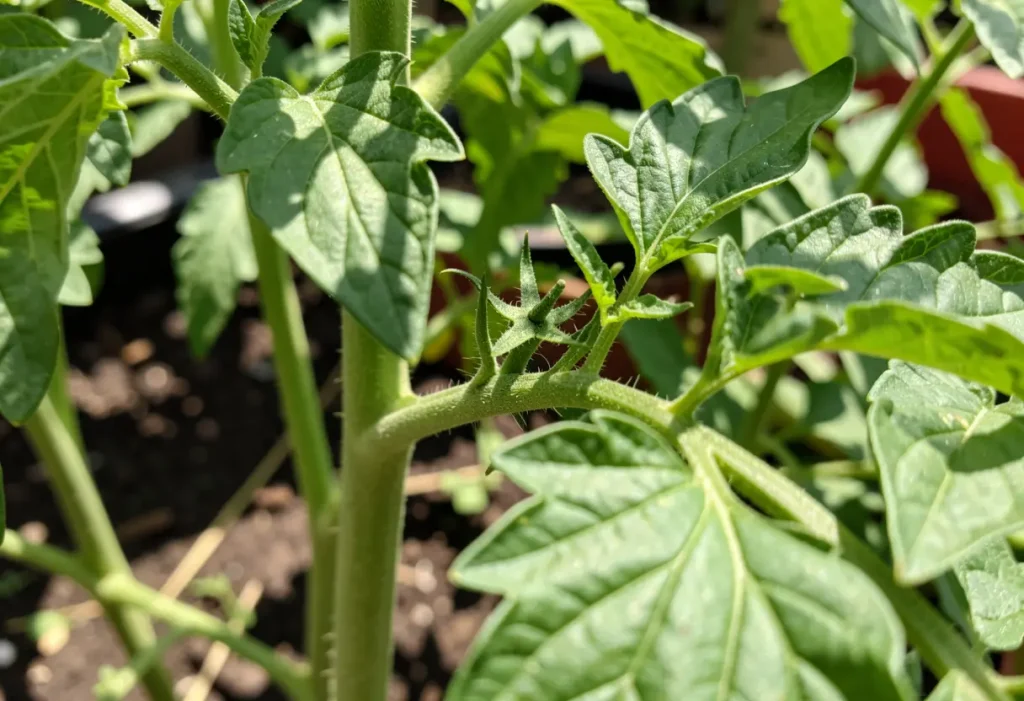
Pruning tomato suckers helps plants grow strong and healthy. Removing these small shoots directs energy to main stems and fruit. Follow these simple steps to prune your tomato plants effectively. This guide covers easy methods anyone can do.
Start by finding the suckers between the main stem and branches. Use your thumb and forefinger to gently pinch the sucker. Pull it off with a quick, clean motion. This method works best for small, young suckers. It causes little damage and helps the plant heal fast.
For larger suckers, use sharp pruning shears. Cut the sucker close to the stem but avoid cutting the main branch. Make sure your shears are clean and sharp. This reduces harm to the plant and stops disease spread. Always cut at a slight angle to help water run off.
After pruning, check all cuts on the plant. Remove any ragged edges around the cut area. Clean cuts heal faster and prevent infection. Use rubbing alcohol or a disinfectant to clean your tools. This keeps your garden healthy and plants growing strong.
Managing suckers on tomato plants requires care and attention. Many gardeners make mistakes that harm the plant’s growth. Avoiding these errors helps your tomato plants stay healthy and produce more fruit.
Removing suckers too early can stress the plant. Wait until the suckers grow to about 2-4 inches. Removing them too late makes the plant crowded and weak.
Cutting all suckers at the same time can shock the plant. Remove suckers gradually to help the plant adjust. This method supports steady growth and better fruit development.
Using unclean or dull tools spreads disease and damages stems. Always use clean, sharp scissors or pruners. This keeps the plant healthy and reduces infection risk.
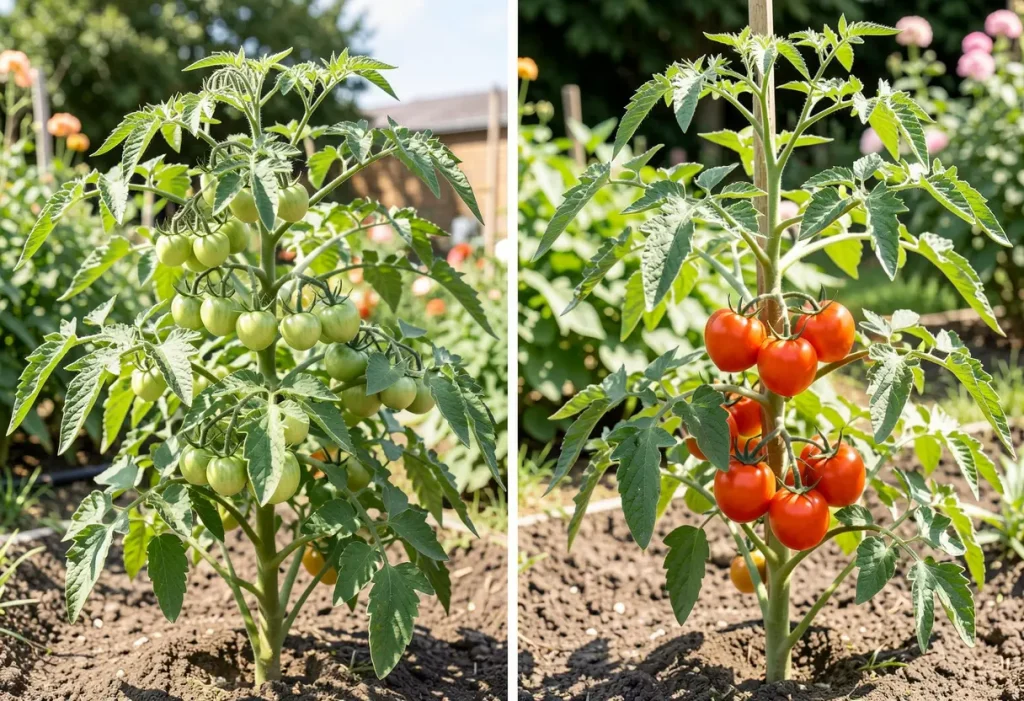
Indeterminate tomato plants grow continuously and produce many suckers. Ignoring suckers on these plants leads to thick foliage and poor air flow. Remove suckers regularly for better fruit quality.
Determinate tomatoes grow to a certain size and stop. Removing suckers on determinate types can reduce overall fruit yield. Know your tomato type before pruning suckers.
Removing suckers from tomato plants helps the plant grow stronger and healthier. Suckers take energy away from the main stems. This energy loss can reduce the size and number of tomatoes. By cutting suckers, you help the plant focus on producing better fruit.
Pruning suckers also improves air flow around the plant. Good air circulation lowers the chance of diseases. It helps leaves dry faster after rain or watering. This keeps the plant cleaner and less prone to rot.
Removing suckers allows the plant to send more nutrients to the fruits. Tomatoes become larger and taste better. The plant uses its resources wisely, growing fewer but better tomatoes.
Without suckers, tomato plants stay less crowded. This makes it easier to manage and harvest fruits. The plant grows taller and straighter, making care simpler.
Pruned plants dry faster after rain. This lowers the chance of fungal infections. Removing suckers helps keep leaves and stems healthy.
Removing suckers opens the plant’s canopy. Sunlight reaches more leaves and fruits. This boosts photosynthesis and fruit ripening.
After pruning tomato plants to remove suckers, proper care is key for healthy growth. Pruning helps plants focus energy on fruit, but stress from cutting needs gentle handling. Aftercare supports recovery and boosts fruit production. Follow these tips for the best results.
Water the plants deeply but less often. Deep watering encourages strong roots. Avoid wetting leaves to prevent diseases. Water in the morning to allow drying. Check soil moisture regularly. Keep soil evenly moist but not soggy.
Use a balanced fertilizer to support growth. Apply fertilizer after pruning to help recovery. Choose one with equal nitrogen, phosphorus, and potassium. Avoid over-fertilizing to prevent leaf burn. Follow package instructions carefully. Feed plants every two weeks during growing season.
Inspect plants regularly for pests like aphids and whiteflies. Remove pests by hand or use mild insecticidal soap. Keep the garden clean from debris to reduce hiding spots. Encourage beneficial insects like ladybugs to control pests naturally. Act quickly to stop infestations before they spread.
Tomato plants grow in many shapes and sizes. Each type needs a different care style. Suckers are the small shoots that grow between the main stem and the branches. Managing these suckers helps plants grow better and produce more fruit.
Some tomato varieties need more sucker removal, while others do well with fewer changes. Learning how to manage suckers by variety keeps plants healthy and strong.
Determinate tomatoes grow to a set height and stop. They form fruit all at once. Removing too many suckers can reduce fruit size and yield. Only remove large suckers that block airflow or crowd the plant. Let smaller suckers grow to help the plant stay full and healthy.
Indeterminate tomatoes grow and produce fruit all season. They keep growing tall and need more sucker removal. Remove most suckers below the first flower cluster. This focuses the plant’s energy on fruit, not extra branches. Regular pruning helps keep the plant manageable and improves air circulation.
Cherry and grape tomatoes are smaller and vine-like. They can handle more suckers because they produce many small fruits. Remove suckers only if the plant looks crowded. This lets light reach all parts and avoids disease. Let most suckers grow to get a bigger harvest.
Suckers are small shoots that grow between the main stem and branches of tomato plants.
Removing suckers helps the plant focus energy on growing fruit instead of extra leaves and stems.
Prune suckers when they are small, usually less than 4 inches long, for easier removal.
Suckers can make plants bushy and reduce airflow, causing weaker fruit and more disease risk.
Suckers are edible but are usually tough and not tasty, so gardeners often discard them.
Suckers on tomato plants can take energy away from fruit growth. Removing them helps your tomatoes grow bigger and healthier. Watch your plants often to spot suckers early. Pinch or cut them off carefully to keep the plant strong. This simple step makes a big difference in your harvest.
Healthy tomato plants mean more tasty fruits for your garden. Keep practicing this easy tip for better results every season. Growing tomatoes can be fun and rewarding with small care steps.