Gardening Made Simple.
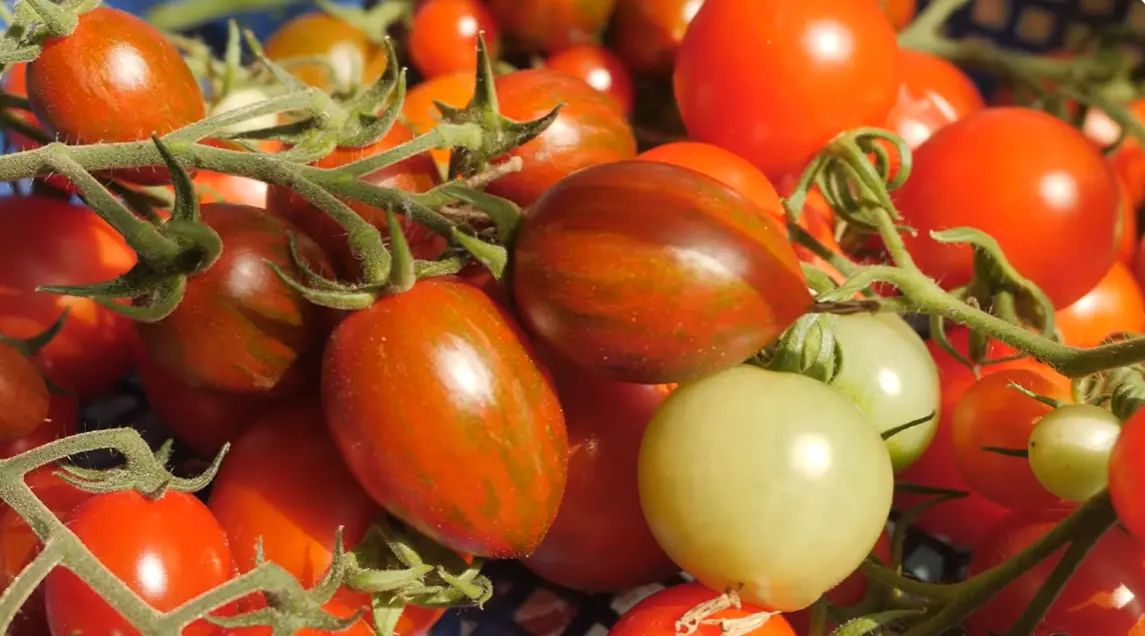
Are you ready to enjoy juicy, flavorful tomatoes right from your own garden? With the right advice for growing tomatoes, this popular crop can be simple and incredibly rewarding, but it does take proper care and attention to achieve a bountiful harvest.
If you want to avoid common mistakes and get the best harvest possible, this advice is just for you. Keep reading, and you’ll discover easy tips that can transform your tomato plants into a thriving, fruitful crop you’ll be proud of.
Let’s make your garden the envy of your neighborhood!
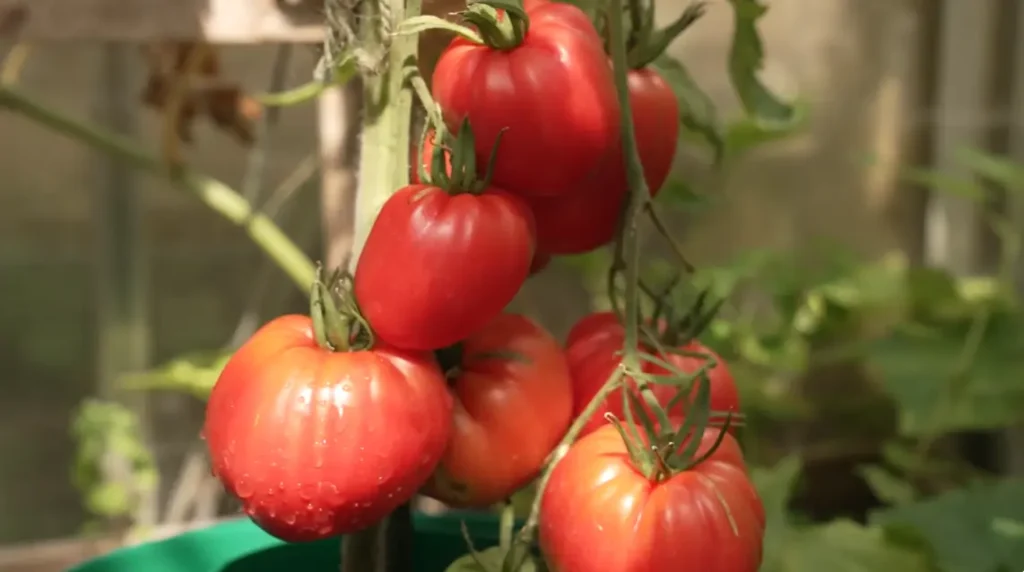
Choosing the right tomato varieties is key to a successful garden. Different types suit different spaces and tastes. Picking the correct variety helps plants grow strong and produce tasty fruit. Consider how much space you have and your climate. Some tomatoes need more care, others are easier to grow.
Determinate tomatoes grow to a set size and stop. They produce fruit all at once. Good for canning or making sauces. Indeterminate tomatoes keep growing and fruiting all season. They need staking or cages to support tall vines. Choose determinate for small spaces and indeterminate for long harvests.
Start with easy-to-grow varieties. Cherry tomatoes are forgiving and produce lots of fruit. Roma tomatoes are great for sauces and need less space. Look for varieties labeled “beginner” or “easy.” These usually resist common problems and grow well in many gardens.
Disease resistance saves time and effort. Many tomato varieties resist common diseases like blight or wilt. Check seed packets for disease codes such as V, F, or N. Choosing resistant strains means fewer chemicals and healthier plants. This choice helps even new gardeners succeed.
Preparing the soil is the first step in growing healthy tomatoes. Good soil supports strong roots and helps plants absorb water and nutrients. Taking time to prepare the soil can improve tomato growth and fruit quality.
Tomatoes grow best in soil with a pH between 6.0 and 6.8. This range helps plants absorb nutrients well. Test your soil to check the pH level. If the pH is too low, add lime to raise it. If it is too high, sulfur can lower it.
Tomatoes need nutrients like nitrogen, phosphorus, and potassium. Use a balanced fertilizer to supply these. Apply fertilizer before planting and again during growth for best results.
Tomatoes dislike waterlogged soil. Good drainage prevents root rot and keeps plants healthy. Check your soil’s texture. Heavy clay soil holds too much water and drains slowly. Sandy soil drains quickly but may dry out fast.
To improve drainage, mix sand or fine gravel into clay soil. This change helps water flow better. For sandy soil, add materials that hold moisture, such as organic matter.
Organic matter boosts soil health and fertility. It improves soil texture and water retention. Compost, aged manure, or leaf mold are good options. Work organic matter into the top 6 to 8 inches of soil before planting.
This process feeds beneficial microbes and helps roots grow deep. It also releases nutrients slowly over time. Healthy soil leads to strong tomato plants and tasty fruit.
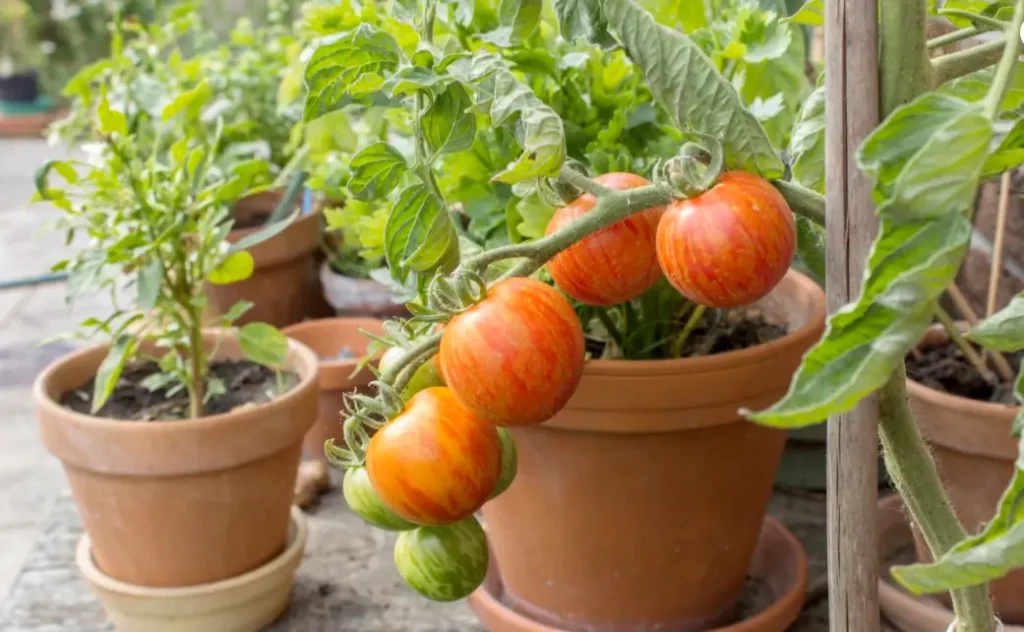
Planting techniques are key to growing healthy, productive tomato plants. Proper steps in planting give tomatoes a strong start. This section explains simple ways to plant tomatoes for best growth and fruit yield.
Tomatoes can begin from seeds or seedlings. Seeds need a warm, sunny spot indoors to sprout. Use seed trays with moist soil for best results. Seedlings are young plants bought from nurseries. They save time and often grow faster. Choose healthy seedlings with sturdy stems and green leaves.
Give tomato plants enough space to grow. Plant seedlings 18 to 24 inches apart. Crowded plants compete for light and nutrients. Plant tomatoes deeper than in their pots. Cover stems up to the first set of leaves. This helps roots grow along the buried stem. Strong roots support bigger plants and more fruit.
Plant tomatoes outdoors after the last frost date. Soil should be warm, above 60°F (16°C). Cold soil slows growth and can kill young plants. Wait until night temperatures stay above 50°F (10°C). Early planting risks frost damage. Late planting shortens the growing season. Find your local frost dates for best timing.
Watering is essential for growing healthy tomatoes. Proper watering helps plants absorb nutrients and avoid stress. Water at the right time and amount for best results. Use smart watering strategies to keep tomato plants strong and fruitful.
Water tomato plants deeply once or twice a week. The soil should be moist but not soggy. Adjust watering based on weather and soil type. Hot, dry days need more water. Cooler, wet days need less. Check soil with your finger to decide.
Too much water causes root rot and weak plants. Leaves may turn yellow or drop. Too little water makes tomatoes dry and cracked. Plants wilt and fruit may taste bitter. Water evenly and watch for signs of stress. Balance is key to healthy growth.
Mulch helps keep soil moist longer. It reduces water evaporation and controls weeds. Use straw, grass clippings, or shredded leaves around plants. Mulch keeps roots cool and improves soil quality. Apply mulch about 2-3 inches thick for best effect.
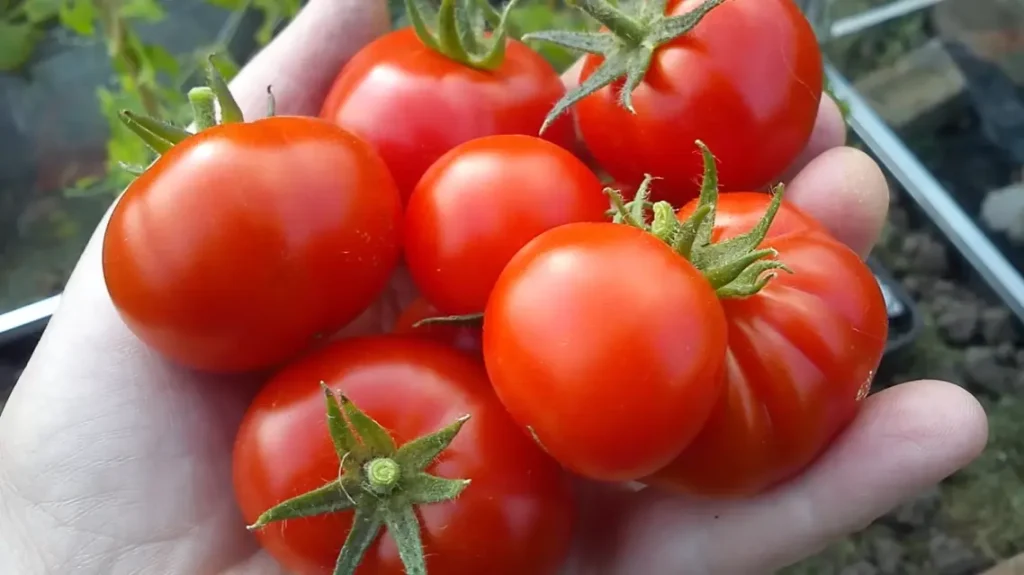
Fertilizing tomatoes helps plants grow strong and produce tasty fruit. Good nutrients support leaves, flowers, and fruit development. Knowing how to feed tomatoes makes a big difference in your harvest.
Pick a fertilizer with balanced nutrients. Look for one with nitrogen (N), phosphorus (P), and potassium (K). Tomatoes need more phosphorus and potassium than nitrogen. Organic options like compost or fish emulsion work well. Avoid fertilizers with too much nitrogen. Too much nitrogen causes lots of leaves but few fruits.
Feed young tomato plants lightly. Use a fertilizer high in phosphorus to help roots grow. Once flowers appear, switch to fertilizer with more potassium. Feed every two weeks during flowering and fruiting. Reduce feeding near the end of the season to prepare plants for harvest.
Yellow leaves may mean low nitrogen. Purple or dark leaves show phosphorus lack. Brown edges or spots can signal potassium shortage. Slow growth and poor fruit set are warning signs. Check plants often to catch problems early. Correct nutrient issues quickly for healthy tomatoes.
Supporting and pruning tomato plants help them grow strong and healthy. These steps keep plants upright and allow sunlight and air to reach the leaves. Proper care leads to better fruit and fewer problems with pests or diseases.
Stakes and cages keep tomato plants off the ground. Tie the main stem gently to a wooden or metal stake. Use soft ties to avoid damage. Cages surround the plant and provide support on all sides. Both methods stop branches from breaking under fruit weight. They also make harvesting easier and cleaner.
Suckers grow between the main stem and branches. These small shoots take energy from the plant. Removing suckers helps the plant focus on fruit production. Pinch or cut them off early with clean hands or scissors. This step improves fruit size and ripening speed. It also reduces plant crowding.
Good air flow lowers the chance of mold and disease. Remove lower leaves that touch the soil. Trim dense foliage to open the plant’s center. This allows wind to pass through and dry leaves faster. Healthy airflow keeps tomato plants strong and fruit fresh.
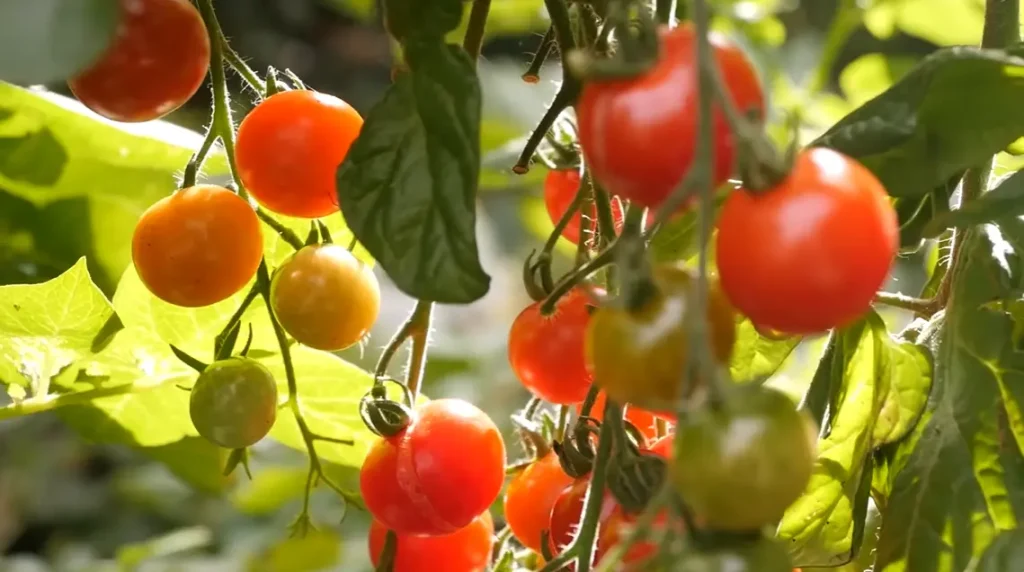
Tomatoes are a favorite for many gardeners, but pests and diseases can cause big problems. Taking care of these issues early helps keep plants healthy and fruit tasty. Knowing how to spot pests and treat diseases makes a big difference.
Tomato plants attract many pests. Aphids suck plant juices, making leaves curl and yellow. Tomato hornworms are large caterpillars that eat leaves and stems fast. Whiteflies are tiny and fly around leaves, spreading disease. Spider mites cause tiny spots and webbing on leaves. Watch plants closely to catch pests early.
Natural treatments include spraying plants with soapy water to remove pests. Neem oil works well against many insects and is safe for plants. Introducing ladybugs helps control aphids naturally. For stronger infestations, use chemical insecticides labeled for tomatoes. Always follow instructions carefully to protect plants and yourself. Avoid overuse to prevent pest resistance.
Fungal infections like blight and powdery mildew damage tomato plants quickly. Water plants at the base to keep leaves dry. Space plants to allow good air flow. Remove and destroy infected leaves right away. Use fungicides if needed, especially in wet weather. Clean garden tools regularly to stop spreading fungi.
Harvesting and storing tomatoes properly keeps their flavor and texture fresh. Picking at the right time and storing correctly extends their shelf life. This section guides you on how to identify ripe tomatoes, pick them the best way, and store them to stay fresh longer.
Ripe tomatoes have a deep, rich color. The shade depends on the variety but should be bright and even. The tomato feels slightly soft when gently pressed. Avoid tomatoes with green patches or hard spots. A ripe tomato smells sweet and fresh near the stem area.
Use clean hands or scissors to pick tomatoes. Twist or cut the stem carefully to avoid damage. Pick tomatoes early in the day when they are cool. Handle them gently to prevent bruising. Pick frequently to keep the plant productive and healthy.
Store tomatoes at room temperature away from direct sunlight. Avoid refrigerating ripe tomatoes, as cold dulls their flavor. Place them stem-side down to reduce moisture loss. Use a single layer to prevent bruising. Consume within a few days for the best taste and texture.
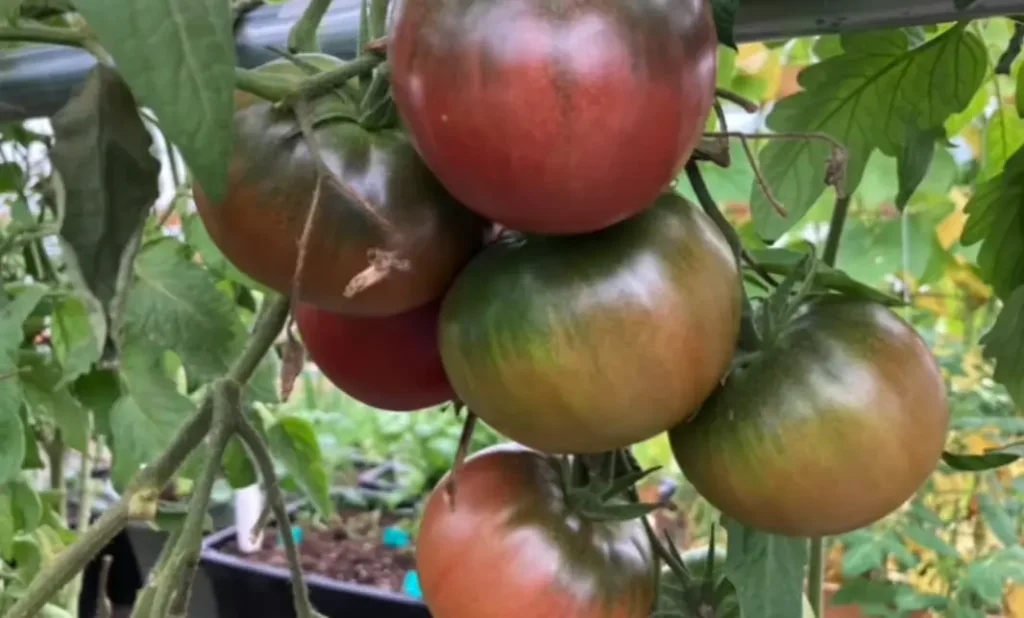
Tomato plants need regular watering, about 1-2 inches per week. Keep soil moist, not soggy.
Tomatoes grow best in well-drained, fertile soil rich in organic matter and slightly acidic (pH 6. 0-6. 8).
Tomatoes need at least 6 to 8 hours of direct sunlight each day for healthy growth.
Fertilize tomatoes after planting and again every 3-4 weeks with balanced fertilizer to support growth.
Use disease-resistant varieties, water at soil level, avoid wet leaves, and rotate crops yearly.
Growing tomatoes takes patience and care. Water them well and give enough sunlight. Check plants often for pests and diseases. Use good soil to help roots grow strong. Prune leaves to let air and light in. Enjoy watching your tomatoes turn red and ripe.
With simple steps, you can have fresh tomatoes at home. Keep trying and learn from each season. Gardening brings joy and tasty rewards. Your effort will pay off with healthy, delicious tomatoes.