Gardening Made Simple.

Are you tired of growing tomatoes only to find them rotting at the bottom? Tomatoes Rotting on Bottom is a frustrating problem that can make all your hard work feel wasted when ripe fruits start to spoil before you can enjoy them. Understanding why this happens is the first step toward saving your harvest and growing healthier tomatoes.
But don’t worry—this common problem has simple causes and easy solutions. You’ll discover why tomatoes rot on the bottom and how you can prevent it from happening again. Keep reading to save your harvest and enjoy juicy, healthy tomatoes all season long!
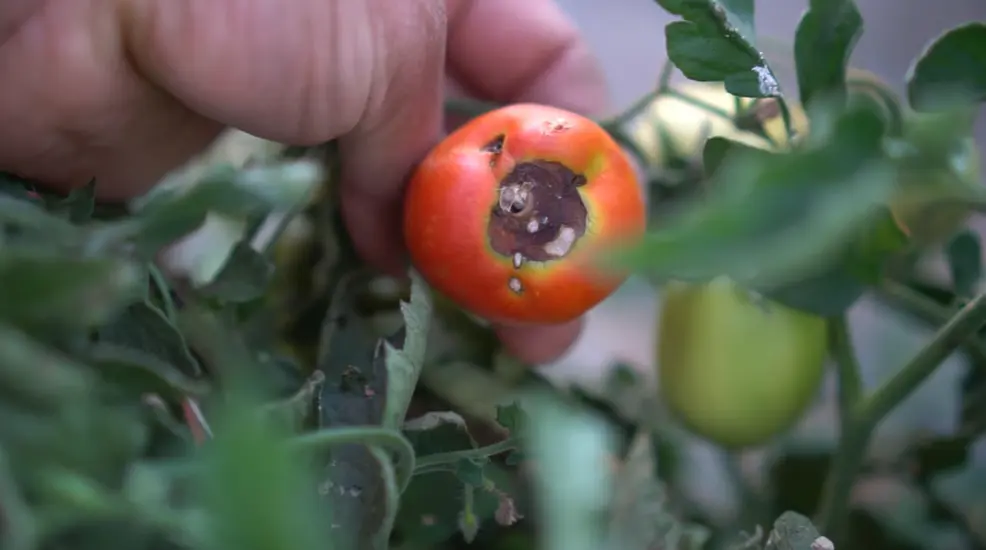
Tomatoes rotting at the bottom is a common problem for many gardeners. This issue can ruin your harvest and waste your hard work. Understanding the causes helps prevent and control the problem early. Below are the main reasons why bottom rot happens.
Blossom end rot is a common cause of bottom rot in tomatoes. It appears as a dark, sunken spot at the fruit’s bottom. This happens when the tomato plant lacks enough calcium. The deficiency weakens the fruit’s skin, causing it to rot. Uneven watering often worsens this condition.
Fungal infections also cause tomatoes to rot at the bottom. Fungi thrive in wet, warm conditions and attack the fruit’s skin. This leads to soft, dark spots that spread quickly. Proper air circulation and avoiding wet leaves can reduce fungal growth.
Overwatering is another key reason for bottom rot. Too much water keeps the soil soggy and oxygen-poor. This weakens the roots and allows harmful microbes to grow. Water only when the topsoil feels dry to avoid this problem.
Nutrient deficiencies, especially calcium and magnesium, cause bottom rot. Plants need balanced nutrients to stay healthy and strong. Poor soil or lack of fertilizer can lead to weak fruit and rot. Test soil regularly and feed plants with the right nutrients.
Identifying the symptoms of bottom rot on tomatoes helps catch the problem early. This allows for quick action to save the fruit. Recognizing signs like color changes and texture shifts is key. Observing these symptoms during the tomato's growth cycle gives clues about the cause.
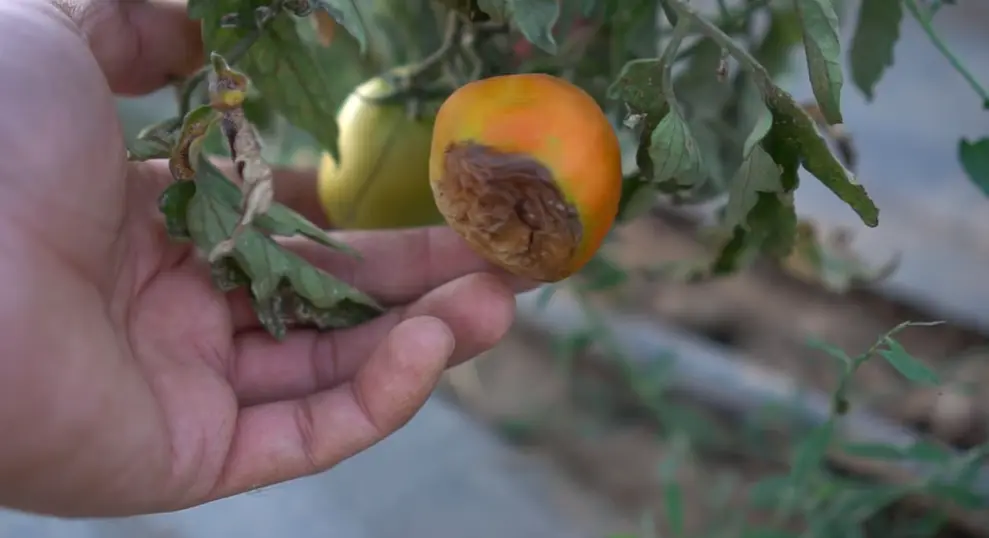
Bottom rot usually starts as a dark spot on the tomato's bottom. The spot may be brown or black. It often looks sunken compared to the rest of the fruit. Surrounding areas might show yellowing or a dull color. These color changes help spot bottom rot early.
The affected area feels soft or mushy to touch. It may appear wet or slimy as the rot grows. Sometimes the skin breaks open near the spot. The fruit can become wrinkled or shriveled in that area. Texture change is a clear sign of decay inside.
Bottom rot often appears as tomatoes near ripeness. The symptoms rarely show on very young fruits. It can develop quickly during warm, wet weather. Watching fruit closely in late growth stages helps detect bottom rot faster. Early detection can prevent spread to other fruits.
Bottom rot on tomatoes can damage your entire crop. Fixing this issue early helps save your harvest. Several simple steps can stop the problem and protect your plants. These methods focus on water, nutrients, and disease control.
Water stress causes bottom rot. Avoid letting soil dry out too much. Keep soil evenly moist but not soggy. Water plants at the base to prevent wet leaves. Use drip irrigation or soaker hoses for best results. Water in the morning to reduce moisture at night.
Calcium is key to healthy tomato fruit. Lack of calcium leads to soft spots and rot. Use calcium sprays on leaves and fruit regularly. Add calcium to soil with lime or gypsum if needed. Follow product instructions to avoid overapplication. This strengthens cell walls and reduces rot risk.
Fungicides can protect tomatoes from bottom rot fungi. Choose products labeled for tomato use. Apply fungicides early at the first sign of disease. Follow all safety and usage instructions carefully. Rotate fungicides to prevent resistance. Use fungicides as part of a larger care plan.
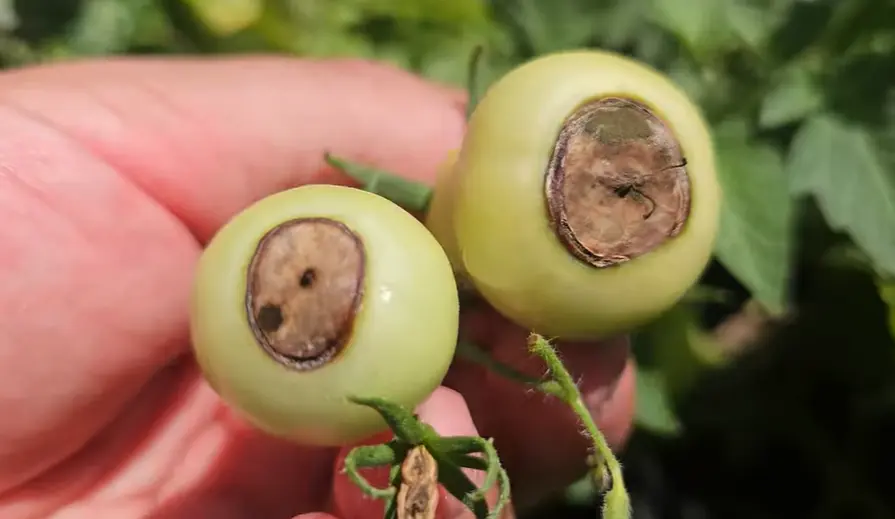
Bottom rot in tomatoes causes soft, dark spots at the fruit’s base. It harms the harvest and reduces tomato quality. Preventing this issue starts with good gardening habits. Healthy soil and careful care keep tomatoes strong and free from rot.
Prepare soil well before planting tomatoes. Remove weeds and add compost for nutrients. Tomatoes grow best in soil with a pH between 6.0 and 6.8. Test soil pH and adjust with lime or sulfur if needed. Balanced soil helps plants absorb nutrients and resist diseases.
Apply mulch around tomato plants to keep soil moist and cool. Use straw, grass clippings, or shredded leaves. Mulch stops soil from splashing onto fruits, reducing rot risk. It also controls weeds and keeps soil temperature steady.
Space tomato plants about 18 to 24 inches apart. Good air flow between plants lowers humidity and dries leaves faster. Crowded plants stay wet longer, encouraging rot and fungus. Proper spacing helps plants grow strong and healthy.
Water tomatoes regularly and evenly. Avoid letting soil dry out or stay soggy. Use drip irrigation or water at the base to keep leaves dry. Wet leaves and uneven watering increase rot risk. Consistent watering supports steady fruit growth and health.
Tomatoes rotting on the bottom is a common problem for gardeners. Selecting the right tomato variety helps reduce this issue. Resistant tomato plants fight off diseases that cause rot. This choice means healthier tomatoes and less waste.
Some tomato types naturally resist bottom rot and other problems. These varieties often have stronger skins and better water management. They keep the fruit dry and less likely to decay. Choosing resistant varieties is a simple step to protect your harvest.
Heirloom tomatoes have unique flavors and shapes. They are open-pollinated and passed down through generations. Many heirlooms lack disease resistance, making them prone to rot.
Hybrid tomatoes are bred for strong resistance. They often resist common tomato diseases well. Hybrids can help prevent bottom rot better than most heirlooms.
Look for tomatoes labeled as resistant to blossom end rot and fungal diseases. Varieties like 'Celebrity', 'Better Boy', and 'Big Beef' show good resistance. These tomatoes grow well and stay healthy longer.
Cherry tomatoes such as 'Sungold' and 'Sweet 100' also resist rot. They produce many small fruits with thick skins. These types lower the risk of decay on the bottom.
Check seed packets for disease resistance codes. Letters like V, F, and N show resistance to specific issues. V means resistance to verticillium wilt. F stands for fusarium wilt resistance. N means resistance to nematodes.
Choosing seeds with these codes helps avoid common tomato problems. This step supports healthier plants and better fruit quality.
Growing healthy tomatoes takes care and attention. Avoiding rotting at the bottom starts with good habits. Use simple tips to keep your tomato plants strong and fruitful. These steps help you get better tomatoes from your garden.
Check your tomato plants every few days. Look for signs of disease or pests early. Remove any damaged leaves or fruit quickly. Catching problems early stops them from spreading. Healthy plants make better fruit and resist rot.
Trim the lower leaves and crowded branches. This helps air move around the plants. Good airflow keeps leaves dry and reduces rot risk. Open plants also get more sunlight. Strong sunlight helps fruit ripen evenly and stay healthy.
Plant tomatoes in different spots each year. Rotating crops prevents soil diseases from building up. It also improves soil nutrients for better growth. Healthy soil supports strong tomato plants. Strong plants are less likely to have fruit rot.
Bottom rot is caused by too much water or poor soil drainage.
Yes, by watering evenly and improving soil drainage around plants.
Tomatoes with bottom rot taste bad and should not be eaten.
Remove affected tomatoes and adjust watering to keep soil moist, not wet.
Soil that stays too wet or lacks calcium often causes bottom rot.
Tomatoes rotting on the bottom cause frustration and waste. Watch for signs early to save your harvest. Keep plants dry and water at the base only. Use well-drained soil and space plants well. These simple steps help keep tomatoes healthy and fresh.
Stay patient and care for your garden daily. Healthy tomatoes mean a better, tastier crop. Keep learning and enjoy growing your own food.