Gardening Made Simple.
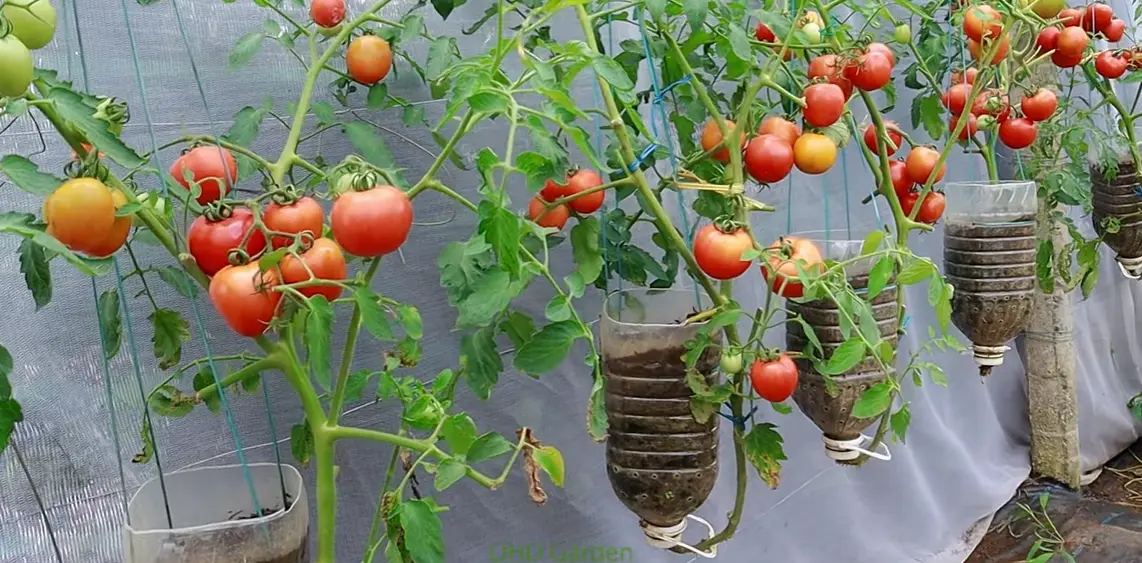
Are you tired of struggling with limited garden space or dealing with messy tomato plants sprawling everywhere? With an Upside down Tomato Planter, you can grow juicy, delicious tomatoes without bending over or worrying about pests crawling on the ground.
An upside down tomato planter might be exactly what you need. This clever gardening trick can save space, reduce disease, and even boost your tomato harvest. Keep reading to discover how you can transform your gardening experience and enjoy fresh tomatoes like never before.
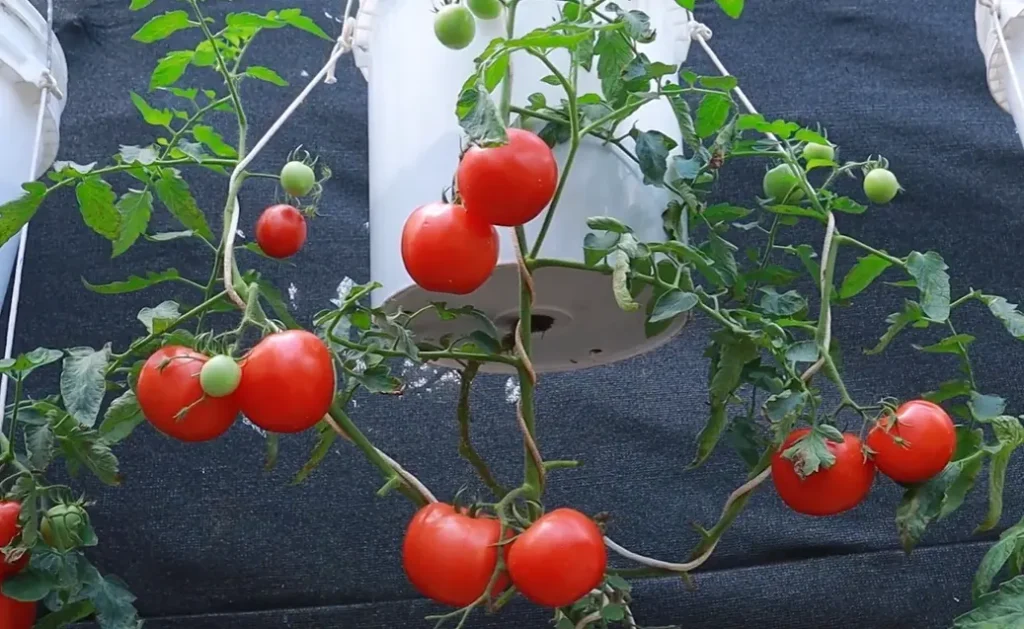
Upside down tomato planters offer unique benefits for gardeners. They allow growing tomatoes in a new and efficient way. These planters use vertical space and keep plants off the ground. This method helps in managing small areas and reduces common gardening problems.
Upside down planters fit in small spaces easily. They hang from patios, balconies, or fences. This saves ground space for other plants. Perfect for urban gardens or apartments with limited room. Grow tomatoes without needing a large garden bed.
Hanging tomatoes face fewer pests than ground plants. Bugs and soil diseases find it harder to reach them. This means less damage and less need for pesticides. Keeps tomatoes cleaner and healthier during growth.
Air flows freely around upside down plants. Good air circulation reduces mold and fungus growth. It helps plants dry quickly after rain or watering. Healthier plants grow stronger and produce more fruit.
Choosing the right tomato variety is important for upside down planting. Not all tomato plants grow well hanging in the air. Some varieties handle this style better. This helps your plant stay healthy and produce good fruit.
Think about how big the plant grows and how much space it needs. Pick a tomato that fits your upside down planter and your space. Also, consider how long the tomato takes to grow and ripen.
Small and compact tomato plants work best for upside down planters. Cherry tomatoes and grape tomatoes are top choices. They are light and do not need much support. These types grow well and produce many small fruits.
Other good options include patio and bush varieties. These stay small and handle the hanging position. Avoid very large tomatoes because they are heavy and can pull down the planter.
Determinate tomatoes grow to a set size and stop. They produce fruit all at once. This makes harvesting easier from an upside down planter. They need less space and support.
Indeterminate tomatoes keep growing and producing fruit all season. They can get very tall and heavy. These are harder to manage upside down. They need more pruning and care to keep balanced.
Creating an upside down tomato planter starts with choosing the right materials. The right supplies make your project easier and more successful. This section breaks down what you need to build your own planter.
Choose containers that hold soil well and allow air flow. Plastic pots with holes work great. Old buckets or large plastic bottles can also be used. Make sure the container is strong enough to hold weight. Avoid containers that break easily or soak up water.
The container should have a wide opening for planting. It also needs a secure spot for hanging. Size matters: bigger containers give plants more room to grow. Small containers dry out faster and limit root space.
Gather basic tools before starting your project. A drill or sharp knife is needed to make holes. Use strong rope or chains to hang the planter safely. Soil and compost are key to healthy plants.
Other supplies include fertilizer and water spray bottles. Gloves protect your hands during work. A measuring tape helps ensure proper hole placement. Having all tools ready speeds up your work.
Growing tomatoes upside down is a fun and space-saving way to garden. This guide helps you plant your upside down tomato planter step-by-step. Follow these simple instructions for a healthy, strong tomato plant.
Choose a sturdy container with a hole in the bottom. This hole lets water drain easily. Fill the container with good quality potting soil. Leave space at the top for the seedling and water. Mix slow-release fertilizer into the soil. This feeds the plant over time.
Pick healthy tomato seedlings with strong stems and leaves. Gently remove the seedling from its pot. Push the stem through the hole in the container. Make sure roots stay inside the soil. Fill soil around the stem to hold it tight. Water the seedling well after planting.
Hang the planter in a sunny spot. Use a strong hook or bracket to hold it. Make sure the planter is stable and won’t fall. Check the planter every day for water needs. Water the soil, not the leaves, to prevent disease.
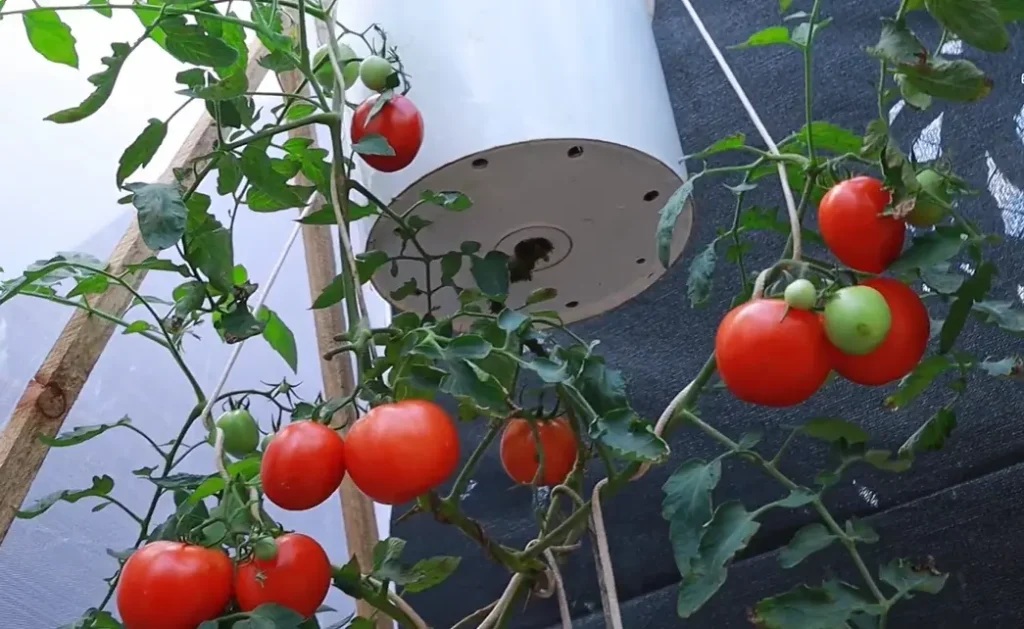
Caring for an upside down tomato planter is simple with the right steps. Healthy growth depends on good watering, feeding, and pruning habits. Keep your tomato plants strong and fruitful by following these care tips.
Water your upside down tomato planter regularly to keep soil moist. Avoid overwatering, which can cause root rot. Water deeply so the roots get enough moisture. Early morning watering helps reduce evaporation. Check the soil by touching it; water if it feels dry.
Feed your tomato plants every two weeks with a balanced fertilizer. Use one with equal parts nitrogen, phosphorus, and potassium. Slow-release fertilizer works well for steady nutrition. Stop fertilizing once tomatoes start to ripen to improve taste. Follow package instructions to avoid overfeeding.
Remove yellow or dead leaves to keep plants healthy. Pinch off small side shoots to encourage bigger fruit. Trim excess foliage to improve air circulation around the plant. Check for pests and diseases regularly. Clean the planter and tools to prevent problems.
Growing tomatoes in an upside down planter can be fun and space-saving. Yet, there are common problems gardeners face. Knowing these problems helps you keep plants healthy and strong. Below are simple solutions for frequent issues.
Water often pools inside upside down planters. Too much water can drown roots. Use a planter with good drainage holes. Water slowly to avoid overflow. Check soil moisture before watering again. Use a saucer to catch extra water.
Insects like aphids and whiteflies can attack upside down tomatoes. Inspect plants regularly for tiny bugs. Spray water to wash away pests. Use natural insect sprays safe for vegetables. Keep the area clean to reduce pest problems.
Upside down plants can suffer from stress due to weight and heat. Support heavy stems with ties or stakes. Place planters in a shaded spot during hot days. Avoid overwatering to reduce root stress. Watch leaves for signs of wilting or yellowing.
Harvesting tomatoes from your upside down tomato planter is a rewarding experience. Watching green fruits turn red shows your hard work’s success. Picking the right time is key to enjoying the best flavor and texture.
Harvested tomatoes can be eaten fresh or stored for later use. Knowing how to store tomatoes keeps their taste and freshness longer. Enjoying your homegrown tomatoes adds joy to every meal.
Pick tomatoes when they are fully red or the color of the variety. Check for firmness—ripe tomatoes feel slightly soft but not mushy. Avoid picking green tomatoes unless you want to ripen them indoors. Harvest in the morning for the best flavor and texture. Gently twist or cut the stem to avoid damaging the plant.
Store ripe tomatoes at room temperature away from sunlight. Keep them stem side down to slow spoilage. Use tomatoes within a few days for the best taste. Refrigerate only if very ripe or if you cannot use them soon. Fresh tomatoes are great in salads, sandwiches, or sauces. Cooking enhances their flavor and softens the texture.
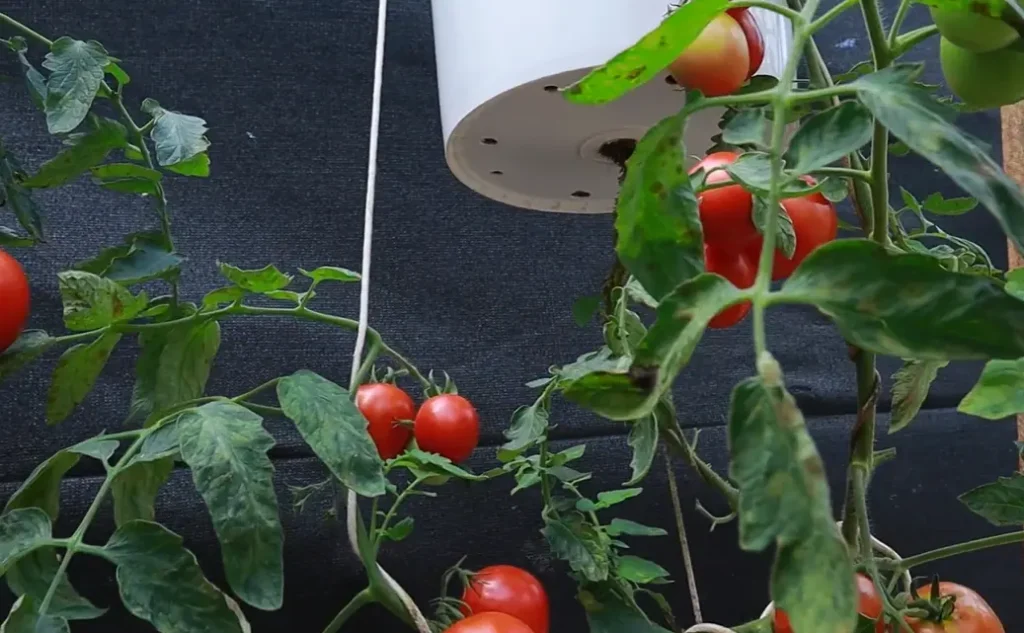
An upside down tomato planter grows tomatoes hanging downward from a container.
They hang vertically, freeing ground space for other plants or activities.
Yes, they need regular watering and occasional fertilizing for healthy growth.
Hanging plants reduce soil contact, lowering risks of common tomato pests and diseases.
Smaller or bush-type tomatoes are ideal for growing in upside down planters.
Growing tomatoes upside down saves space and keeps plants healthy. It stops soil pests and reduces weeds around your plants. These planters help tomatoes get better air and sunlight. Plus, watering is easier and mess-free. Anyone with limited garden space can try this method.
It’s a simple way to enjoy fresh tomatoes at home. Give upside down tomato planters a try for a fun garden twist. You might find it a smart and easy way to grow.