Gardening Made Simple.

Are you curious about When Does Basil Grow and how to get the best out of your plant? Knowing the right time for basil to sprout can make all the difference, helping you grow healthy, flavorful leaves in your garden or kitchen.
Whether you want fresh leaves for your recipes or a thriving herb garden, understanding basil’s growth timeline helps you plan better. Keep reading to discover exactly when basil grows and how you can nurture it to flourish. This simple knowledge could transform your herb-growing experience.
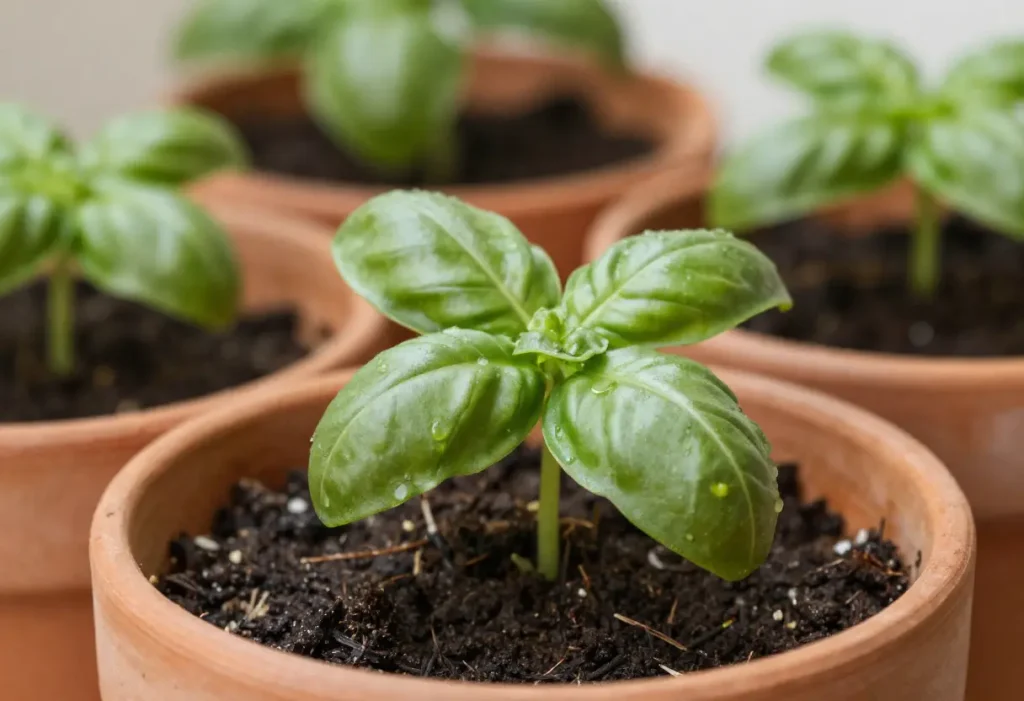
Basil grows through a clear cycle that starts with tiny seeds and ends with a full plant. Understanding this cycle helps gardeners care for basil better. The growth stages show how basil changes over time.
Each stage needs attention to ensure healthy plants. Basil’s growth depends on many small steps. Knowing these steps can improve your gardening results.
Basil seeds usually sprout in 5 to 10 days. Warm soil helps seeds wake up faster. Keep soil moist but not soaked for best results. Light is not needed for germination but helps after sprouting. Watch for tiny green shoots breaking the soil surface.
Seedlings grow leaves in the first few weeks. The plant grows taller and stronger over 3 to 4 weeks. After 6 to 8 weeks, basil is ready to harvest. Leaves become bigger and more fragrant. Regular trimming helps basil grow bushy and full.
Temperature plays a big role in how fast basil grows. Warm weather speeds growth, cold slows it down. Sunlight is crucial; basil needs 6 to 8 hours daily. Water your plant regularly but avoid waterlogging. Soil quality and nutrients also affect growth speed.
Basil grows best under certain conditions. These help the plant stay healthy and produce lots of leaves. Knowing the right environment helps you grow basil easily at home. Below are the key factors to consider for ideal growing conditions.
Basil thrives in warm weather. The ideal temperature is between 70°F and 85°F (21°C to 29°C). It cannot survive frost or cold nights below 50°F (10°C). Basil grows well in summer or in places with mild winters. Avoid planting basil outside too early in spring.
Basil prefers well-drained soil that is rich in nutrients. Loamy soil with good organic matter works best. The soil should be moist but not soggy. Water basil regularly, about 1 inch per week. Overwatering can cause root rot, so avoid waterlogging.
Basil needs full sun to grow strong. It requires at least 6 hours of direct sunlight daily. Sunlight helps the leaves develop a strong flavor and aroma. In hot climates, some afternoon shade can protect basil from wilting.
Basil is ready to harvest when it shows clear signs of growth. Knowing these signs helps you pick leaves at the best time. Harvesting at the right moment keeps the plant healthy and full of flavor.
Leaves should be bright green and about 2 to 3 inches long. Dark green leaves often mean the basil is healthy and ready. Avoid harvesting leaves that are yellow or have brown spots.
The stems must be strong and at least 6 inches tall. Weak or very short stems mean the plant needs more time. Thick, sturdy stems support more leaves and give better flavor.
Small flower buds show the basil is mature. Pinch off buds to keep leaves growing longer. Letting flowers bloom can make leaves bitter and less tasty.
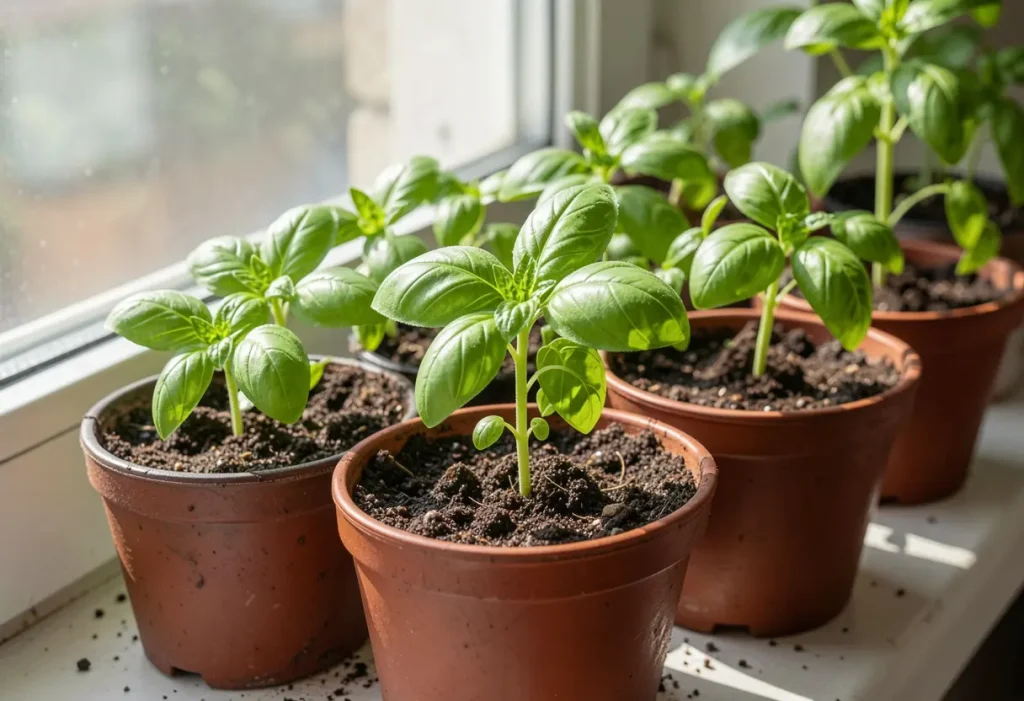
Harvesting basil correctly keeps the plant healthy and tasty. Good techniques help the basil grow back strong. You can enjoy fresh leaves for a longer time. Follow these easy tips for the best results.
Cut basil leaves just above a leaf pair or node. Use sharp scissors or garden shears for clean cuts. Avoid tearing the stem to prevent damage. Remove only one-third of the plant at a time. This encourages new growth and keeps the plant healthy.
Harvest basil in the morning when leaves are fresh. Wait until the plant has at least six to eight leaves. Let the plant grow back before the next harvest. Usually, wait about two weeks between cuts. Regular harvesting helps the basil grow bushy and full.
Handle basil leaves gently to avoid bruising. Rinse leaves lightly with cool water before use. Dry leaves with a soft towel or air dry. Store basil in a glass of water at room temperature. Avoid the fridge to keep leaves fresh longer.
Basil is a popular herb that grows well in many gardens. Still, it faces common growth challenges. These challenges can slow growth or damage the plant. Understanding these problems helps keep basil healthy.
Small insects often attack basil leaves. Aphids and spider mites suck the plant’s juices. This weakens the plant and slows growth. Fungal diseases like downy mildew cause yellow spots on leaves. These spots spread quickly in wet weather. Regularly check basil leaves for signs of pests or disease. Remove affected leaves and use natural sprays if needed.
Basil needs nutrients like nitrogen, phosphorus, and potassium. Lack of these nutrients causes weak stems and pale leaves. Yellowing leaves often mean nitrogen is low. Poor soil or lack of fertilizer leads to nutrient problems. Use balanced fertilizer during the growing season. Healthy soil supports strong and green basil plants.
Basil prefers warm weather and plenty of sunlight. Cold temperatures stunt its growth. Too much sun can dry out the leaves quickly. Wind can damage tender stems and leaves. Water stress, either too much or too little, harms basil. Maintain consistent moisture and protect plants from harsh wind. Choose the right spot to grow basil well.
Basil grows best in warm weather and needs plenty of sunlight. Extending its growing season helps you enjoy fresh basil for longer. You can grow basil indoors or adjust care routines for cooler months. These steps keep basil healthy beyond the usual outdoor season.
Growing basil indoors allows you to control temperature and light. Use a small pot with good drainage. Place the pot near a sunny window. Basil needs at least six hours of light daily. Water the plant when the soil feels dry. Indoor growing avoids frost damage and keeps basil fresh year-round.
Grow lights provide extra light for indoor basil. Choose full-spectrum LED lights for best results. Keep the light on for 12 to 16 hours a day. Place the light 6 to 12 inches above the plant. Grow lights help basil grow strong and produce leaves faster. They are useful when sunlight is weak or short.
Adjust care based on the season to keep basil healthy. Reduce watering in cooler months to avoid root rot. Trim basil regularly to encourage new growth. Keep basil away from cold drafts or heaters. Use a humidifier or mist leaves to increase moisture. These small changes help basil survive and thrive longer.
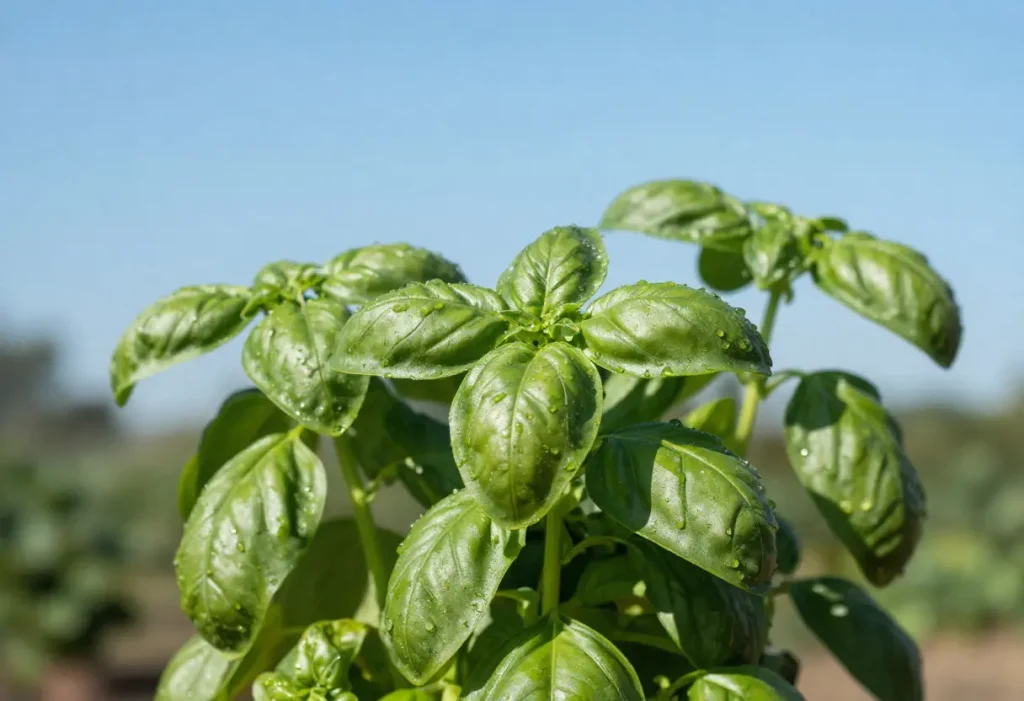
Basil seeds usually sprout within 5 to 10 days after planting. Warm soil and sunlight speed up growth. Young plants need regular watering.
Basil takes about 60 to 90 days to fully mature. You can start harvesting leaves after 6 weeks. Regular trimming helps the plant grow bushier.
Basil grows best in warm weather, typically spring to summer. It needs at least 6 hours of sunlight daily. Frost or cold slows its growth or kills it.
Basil leaves are ready to pick when they are big and green. Avoid harvesting more than one-third of the plant at once. Harvesting in the morning keeps leaves fresh longer.
Basil can grow well both indoors and outdoors with enough light. Indoors, place it near a sunny window or use grow lights. Outdoors, choose a warm, sunny spot with good soil drainage.
Basil grows best in warm weather and plenty of sunlight. It usually starts sprouting two to three weeks after planting. Keeping the soil moist helps basil grow strong and healthy. Harvest leaves regularly to encourage new growth. Growing basil at the right time means fresher herbs for your kitchen.
Remember, patience and care bring the best results. Your basil will thrive with simple attention and good conditions. Start planting at the right season and enjoy fresh basil all year.