Gardening Made Simple.

Are you growing cilantro and wondering when to harvest cilantro for the best flavor? Picking your cilantro at the right time can make all the difference between fresh, vibrant leaves and a bitter, overgrown herb. Knowing when to harvest cilantro ensures you get the most flavorful and tender leaves from your garden.
You’ll discover simple signs to look for and easy tips to help you know the perfect moment to harvest your cilantro leaves. Keep reading to unlock the secret to getting the most from your cilantro, every time you use it.
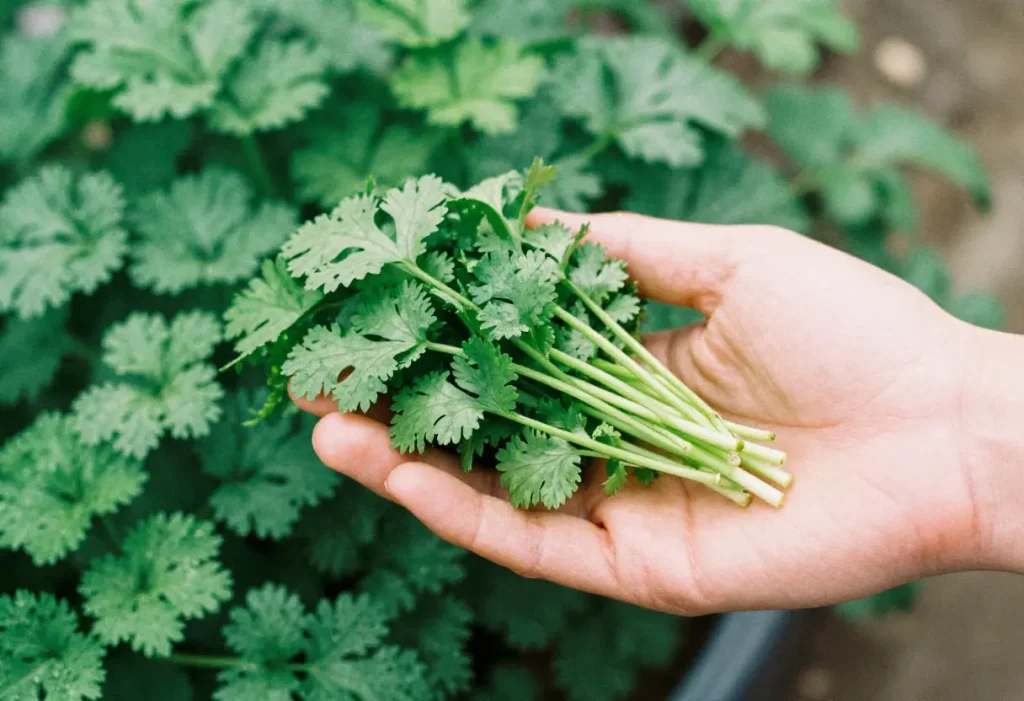
Cilantro grows in clear stages. Each stage shows a change in the plant’s leaves and shape. Knowing these stages helps you pick leaves at the best time. This way, you get fresh, tasty cilantro for your meals. Let’s explore the main growth stages of cilantro.
Seeds sprout small leaves after a few days. These leaves are thin and light green. At this point, the plant is fragile. Water gently and keep soil moist but not wet. Avoid picking leaves now. The plant needs time to grow strong.
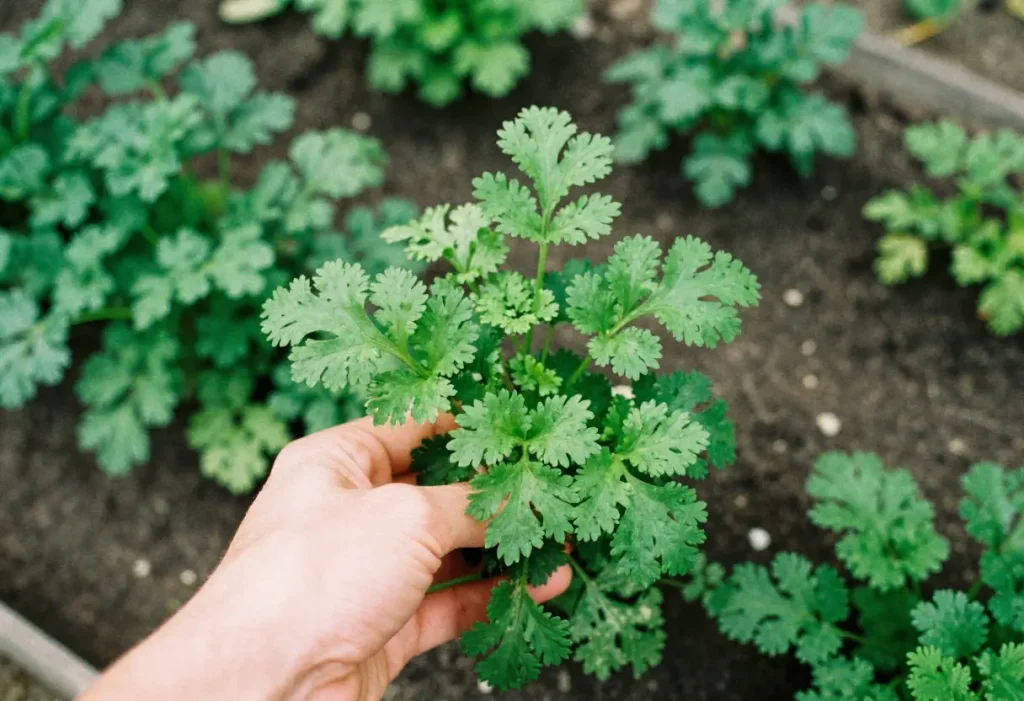
Leaves become larger and darker green. The plant grows fast and fills out. This stage is perfect for harvesting leaves. Pick leaves from the top to encourage growth. Harvesting now keeps cilantro fresh and healthy. Leave some leaves so the plant can keep growing.
Cilantro starts to grow tall flower stems. Leaves become smaller and less tasty. The plant focuses energy on flowers and seeds. Avoid harvesting leaves in this stage. The flavor is bitter and weak. Cut flowers to slow bolting if you want more leaves.
Knowing the signs that cilantro is ready helps pick the best leaves. Harvesting at the right time gives fresh and tasty greens. Watch the plant closely to catch the right moment.
Check the leaves, stems, and smell to decide when to harvest. Each sign shows how mature the cilantro is and how good it will taste.
Cilantro leaves grow quickly. They are ready when about 3 to 4 inches long. The color should be bright green, not yellow or pale. Small leaves may taste bitter. Large, dark green leaves have the best flavor.
Strong stems mean healthy cilantro. Feel the stem; it should be firm but not hard. Thin, weak stems show the plant is not ready. Wait until the stems support the leaves well before cutting.
Fresh cilantro has a strong, fresh smell. Rub a leaf between your fingers and smell it. If the scent is weak or off, wait a little longer. Taste a leaf to check the flavor before harvesting fully.
Harvesting cilantro at the right time of day helps keep its flavor fresh and strong. The leaves hold the best taste when picked carefully. Choosing the best time improves the quality of your herbs.
Early morning is the best time to harvest cilantro leaves. The plant stores water overnight. Leaves are crisp and full of flavor. Cooler temperatures protect the delicate leaves. Morning picking keeps the scent fresh and bright.
Avoid picking cilantro during the hot afternoon hours. Heat can make leaves wilt quickly. The flavor might become weaker. Sunlight can dry out the leaves fast. Afternoon harvest can reduce the herb’s shelf life.
Evening harvesting is possible but less ideal than morning. Leaves may lose some flavor after a hot day. Cooler evening air helps keep leaves fresh. Avoid picking after rain or heavy dew. Wet leaves can spoil faster.
Harvesting cilantro properly helps keep your plant healthy and productive. Using the right technique ensures fresh leaves and encourages new growth. Understanding different methods helps you choose the best way to pick your cilantro.
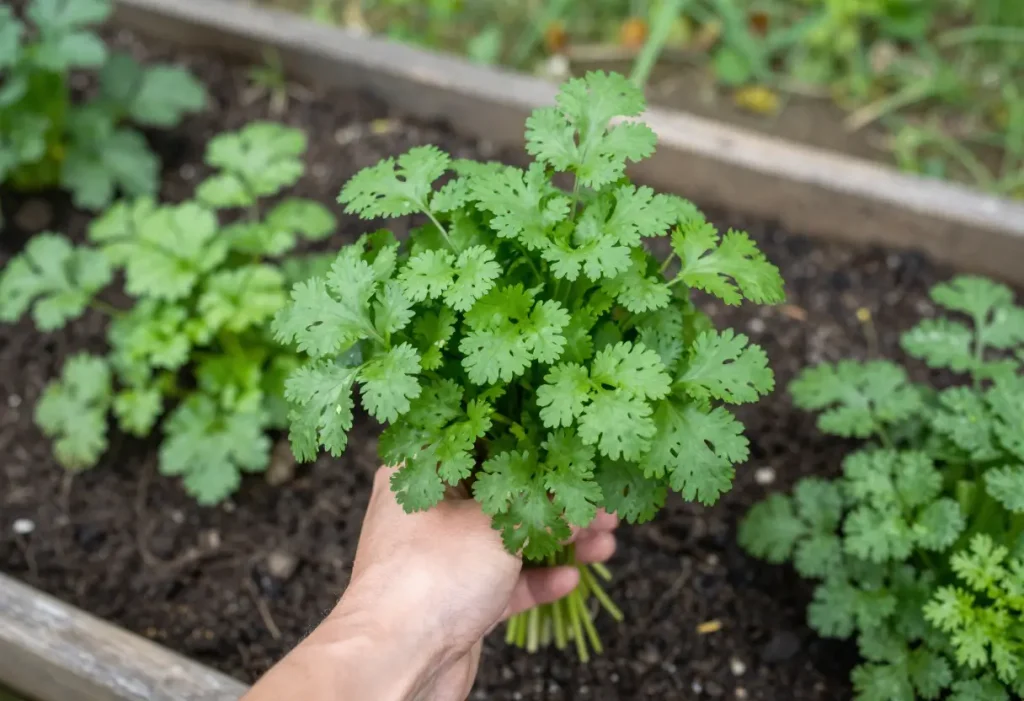
Snipping leaves with scissors or shears is gentle and clean. It stops damage to the plant and lets it grow more leaves. Pulling leaves can harm the roots and stems. This can slow down new growth. Snipping is the safer option for regular harvests.
Use sharp scissors or garden shears for a smooth cut. Clean tools reduce the risk of spreading disease. Avoid using dull knives as they can crush stems. Small pruning scissors work best for cilantro leaves. Keep your tools clean by wiping them after each use.
Pick outer leaves first, leaving the inner ones to grow. Cut stems about one inch above the soil line. Avoid taking more than one-third of the plant at once. This helps the plant stay strong and healthy. Regular light harvesting keeps cilantro fresh longer.
Harvesting cilantro leaves at the right times is key to a healthy plant. The frequency of harvesting affects how well your cilantro grows and how much you can pick. Knowing when and how often to cut the leaves helps keep your plant fresh and productive for longer.
Harvesting too often can stress the cilantro plant. It may slow down growth or cause the plant to bolt, producing flowers early. Cutting leaves carefully and not all at once helps the plant stay strong. Let some leaves grow before the next harvest. This balance keeps the plant healthy.
Regular but gentle harvesting encourages new leaves to grow. Snipping the outer leaves lets the inner leaves get more light and air. This promotes fresh growth from the center of the plant. Picking leaves every one to two weeks is a good rule. It keeps the plant busy growing new, tasty leaves.
Harvesting cilantro leaves at the right time is important for the best taste and plant health. Many gardeners make simple mistakes that reduce the quality of the leaves or harm the plant. Avoiding these errors helps you enjoy fresh, flavorful cilantro for longer.
Picking cilantro leaves too soon can weaken the plant. Young leaves may lack full flavor and aroma. Wait until the leaves are at least 4 to 6 inches tall for the best taste. Early harvesting also stops the plant from growing strong roots and more leaves.
Taking too many leaves at once can stress the plant. Removing more than one-third of the leaves can slow growth. Leave enough leaves to keep the plant healthy and producing. Regular, small harvests work better than one big cut.
Healthy cilantro grows better and tastes better. Check the plant for signs of pests or disease before harvesting. Avoid cutting damaged or yellow leaves. Water and sunlight are needed for strong plants. Keep the soil moist but not soggy.
Storing fresh cilantro correctly keeps its flavor strong and leaves crisp. Proper storage helps you enjoy cilantro longer. It prevents wilting and yellowing after harvest. Knowing how to store it right saves money and reduces waste.
For quick use, wrap cilantro in a damp paper towel. Place the wrapped leaves inside a plastic bag. Keep the bag in the refrigerator's crisper drawer. This method keeps the leaves fresh for up to a week. Avoid washing cilantro before storing to prevent mold.
To keep cilantro fresh longer, treat it like fresh flowers. Trim the stems slightly and put them in a jar with water. Cover the leaves loosely with a plastic bag. Change the water every two days to avoid rot. Store the jar in the refrigerator for up to two weeks.
Cilantro leaves are best harvested when they are 4 to 6 inches tall. This is usually 3 to 4 weeks after planting. Leaves are fresher and tastier at this stage.
You can harvest cilantro leaves every 1 to 2 weeks. Pick the outer leaves first to let the inner ones grow. This helps the plant stay healthy longer.
Yes, cilantro leaves taste best before the plant flowers. Once it flowers, leaves become bitter. Harvest leaves early for the best flavor.
Use sharp scissors or garden shears to cut cilantro leaves. Cut stems near the base, not too close to the soil. This encourages new growth.
Harvesting cilantro daily can stress the plant and reduce leaf growth. It's better to pick leaves every few days. This keeps the plant healthy and productive.
Harvest cilantro leaves when they are young and fresh. Pick leaves before the plant flowers for the best taste. Use clean scissors or pinch gently to avoid damage. Regular harvesting helps the plant grow fuller and healthier. Enjoy fresh cilantro in your meals for great flavor.
Growing and harvesting cilantro properly makes your cooking better. Keep these tips in mind for a tasty herb garden. Happy harvesting!