Gardening Made Simple.

Garlic is a favorite in many home gardens across Wisconsin. Its rich flavor enhances countless dishes, and its health benefits are well known. However, growing garlic is different from planting tomatoes or lettuce. It requires careful timing and proper preparation, especially in a state where winters can be long, cold, and unpredictable.
Knowing When to Plant Garlic in Wisconsin is the key to developing strong roots before winter, helping plants survive freezing temperatures, and producing large, flavorful bulbs the following summer.

If you plant garlic at the right time, you get big, healthy bulbs. If you plant at the wrong time, you may be disappointed. This article will guide you through the best time to plant garlic in Wisconsin and explain how timing affects your harvest.
You’ll get practical advice for your region, easy-to-follow steps, and expert insights that even experienced gardeners sometimes miss.
Garlic is a cool-season crop. It grows best when planted in fall and left to overwinter in the ground. Wisconsin’s climate—with cold winters and warm summers—means timing is critical. If you plant too early, garlic may sprout and get damaged by frost.
If you plant too late, roots may not grow enough before the ground freezes.
The key is to let garlic establish roots in cool, not frozen, soil. Garlic needs about 4-6 weeks of root growth before winter sets in. This helps the bulbs survive the cold and grow quickly in spring. Miss this window, and you risk small bulbs, disease, or even a failed crop.
Wisconsin covers USDA Hardiness Zones 3b to 5b. Winters are cold—sometimes below -20°F in the north. Southern parts are milder but still see hard freezes. Knowing your zone helps you pick the right planting date.
| Region | USDA Zone | First Hard Freeze (Avg.) | Best Planting Window |
|---|---|---|---|
| Northern Wisconsin (e.g., Bayfield, Rhinelander) | 3b-4a | Early October | Late September - Early October |
| Central Wisconsin (e.g., Wausau, Stevens Point) | 4a-4b | Mid October | Early-Mid October |
| Southern Wisconsin (e.g., Madison, Milwaukee) | 5a-5b | Late October | Mid-Late October |
Most home gardeners in Wisconsin should plant garlic between late September and late October, depending on their location.
The best time to plant garlic in Wisconsin is 2-4 weeks before the ground freezes solid. This usually means:
In some years, you may need to adjust by a week or two depending on the weather. If fall is warmer than usual, you can plant a bit later. If a cold snap comes early, plant sooner.
Planting in fall lets garlic form strong roots before winter. The bulbs stay dormant under the snow, protected by mulch. When spring comes, shoots grow quickly, and bulbs develop well.
Spring planting is possible in Wisconsin, but it’s not recommended. Garlic planted in spring often produces smaller bulbs and may not store as well.
Don’t just rely on the calendar. Watch local weather forecasts. The ideal soil temperature for planting garlic is 50°F (10°C) at 4 inches deep. This is usually reached after the first few light frosts, but before heavy freezes. If the soil is too warm, garlic may sprout above ground. If it’s too cold, roots won’t develop.
A soil thermometer is a handy tool for garlic growers in Wisconsin. If you don’t have one, use the average first frost date for your area as a guide.
Not all garlic is the same. There are two main types:
For most Wisconsin gardeners, hardneck garlic is the best choice. It handles freezing temperatures and produces delicious scapes (edible flower stalks) in summer.
Garlic likes loose, well-drained soil with plenty of organic matter. Heavy clay can cause rot, while sandy soil dries too fast.
If your soil is heavy clay, add sand or leaf mold to improve drainage. Avoid fresh manure—it can burn the plants and spread disease.
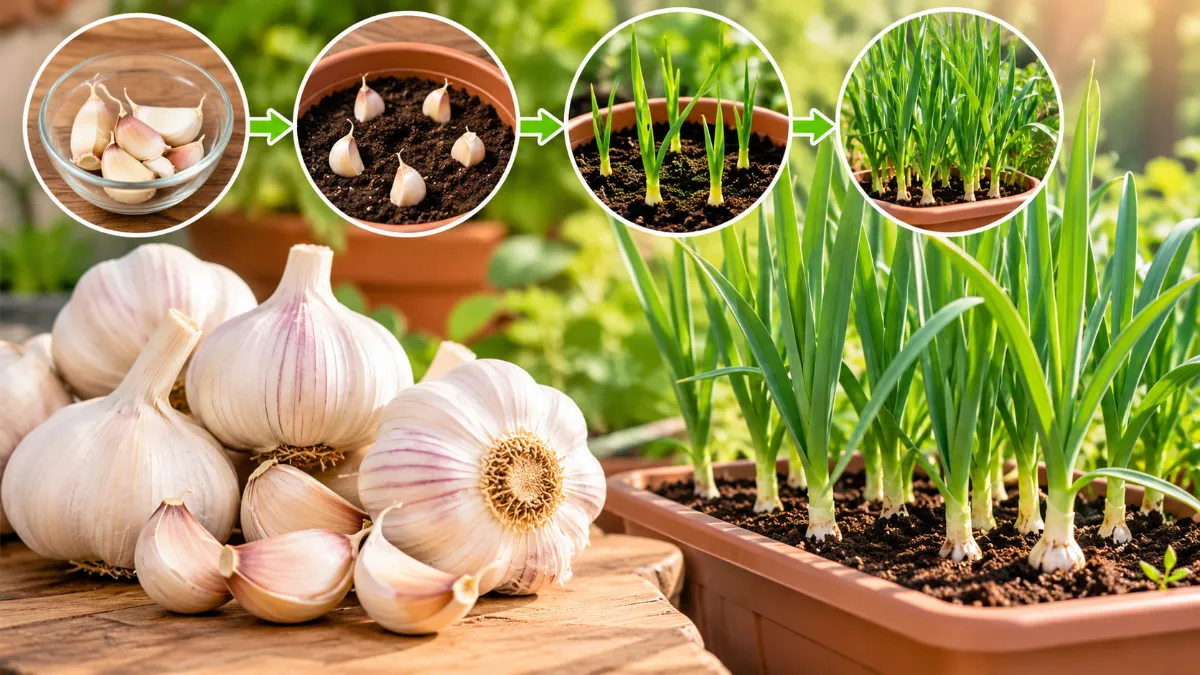
Planting garlic is simple, but small details matter. Here’s how to do it:
Once planted and mulched, garlic needs little attention during winter. The mulch keeps soil temperature steady and protects roots. In spring, remove some mulch as shoots appear, but leave enough to keep weeds down.
Garlic is hardy. Even if snow covers the ground for months, the bulbs will survive.
When the snow melts, garlic shoots will emerge. This is the active growing phase.
In June, hardneck garlic sends up a curly flower stalk called a scape. Snap these off when they curl. Removing scapes helps bulbs grow bigger. The scapes are edible—try them in stir-fries or pesto.

Garlic is ready to harvest in Wisconsin from mid-July to early August, depending on when you planted and your location.
Signs garlic is ready:
Don’t wait until all leaves are brown. Garlic left too long in the ground can split and lose storage quality.
After curing, trim the roots and cut the tops to about 1 inch above the bulb. Save your best bulbs for planting next year.
Garlic is usually trouble-free, but it can suffer from:
Choosing the right variety increases your chances of success. Here are some top picks for Wisconsin gardens:
| Variety | Type | Flavor | Winter Hardiness |
|---|---|---|---|
| Music | Hardneck | Mild, rich | Excellent |
| German Extra Hardy | Hardneck | Spicy, robust | Excellent |
| Chesnok Red | Hardneck | Sweet when roasted | Very Good |
| Inchelium Red | Softneck | Mild, good storage | Good in mild areas |
Most local extension offices or seed companies carry these varieties. Try a few to see which grows best in your garden.
A non-obvious tip: If you save your own garlic for planting, select the biggest, healthiest bulbs each year. Over time, this “selects” for garlic that does best in your local soil and climate.
Even with care, garlic can sometimes disappoint. Here’s why:
If you have a bad garlic year, don’t give up. Try a different variety or planting date next season.
Garlic is easy to save for future planting, but only if you cure and store it well.
Over time, your homegrown garlic adapts to your garden. Many Wisconsin gardeners report better yields after a few years of saving their own seed.
Don’t have garden space? You can grow garlic in containers. Use a large pot (at least 12 inches deep), fill with rich potting mix, and plant as you would in the ground. Place outdoors in fall, mulch well, and keep watered.
Container garlic may need extra protection in very cold winters—move pots to a garage or bury them in mulch for insulation.
Garlic is not just for eating. It also helps other plants. Its strong scent can repel pests like aphids and Japanese beetles. Many gardeners plant garlic near roses, tomatoes, or fruit trees for natural pest control.
For up-to-date advice, contact your local UW-Extension office or visit their website. They offer free advice and soil testing. The Wisconsin Master Gardener Program is also a great resource for classes and workshops.
If you want to dive deeper, check out the University of Wisconsin-Madison Extension for science-based garlic growing guides.

Planting garlic too early can cause it to sprout above ground, making it vulnerable to frost. In most areas, the earliest safe time is late September in northern zones and early October in central and southern Wisconsin. Always aim to plant 2-4 weeks before the ground freezes.
It’s best not to plant grocery store garlic. Most store-bought bulbs are treated to prevent sprouting and may carry disease. Use certified seed garlic from a garden center or seed company for best results.
Garlic cloves should be planted 2 inches deep (measured from the top of the clove to the soil surface). This depth protects them from winter cold and frost heaving.
Straw is the best mulch for garlic in Wisconsin. It insulates well, breaks down slowly, and is easy to remove in spring. Shredded leaves or pine needles also work, but avoid heavy wood chips, which can mat down and hold too much moisture.
Yes, but spring planting usually produces smaller bulbs. The cloves have less time to develop roots before the growing season. If you must plant in spring, do so as soon as the soil can be worked, and choose hardneck varieties for best results.
Growing garlic in Wisconsin is both rewarding and practical. With the right timing, quality seed garlic, and a little care, you’ll enjoy big, flavorful bulbs at harvest. Each season will teach you something new—so dig in, experiment, and enjoy the results of your work.