Gardening Made Simple.
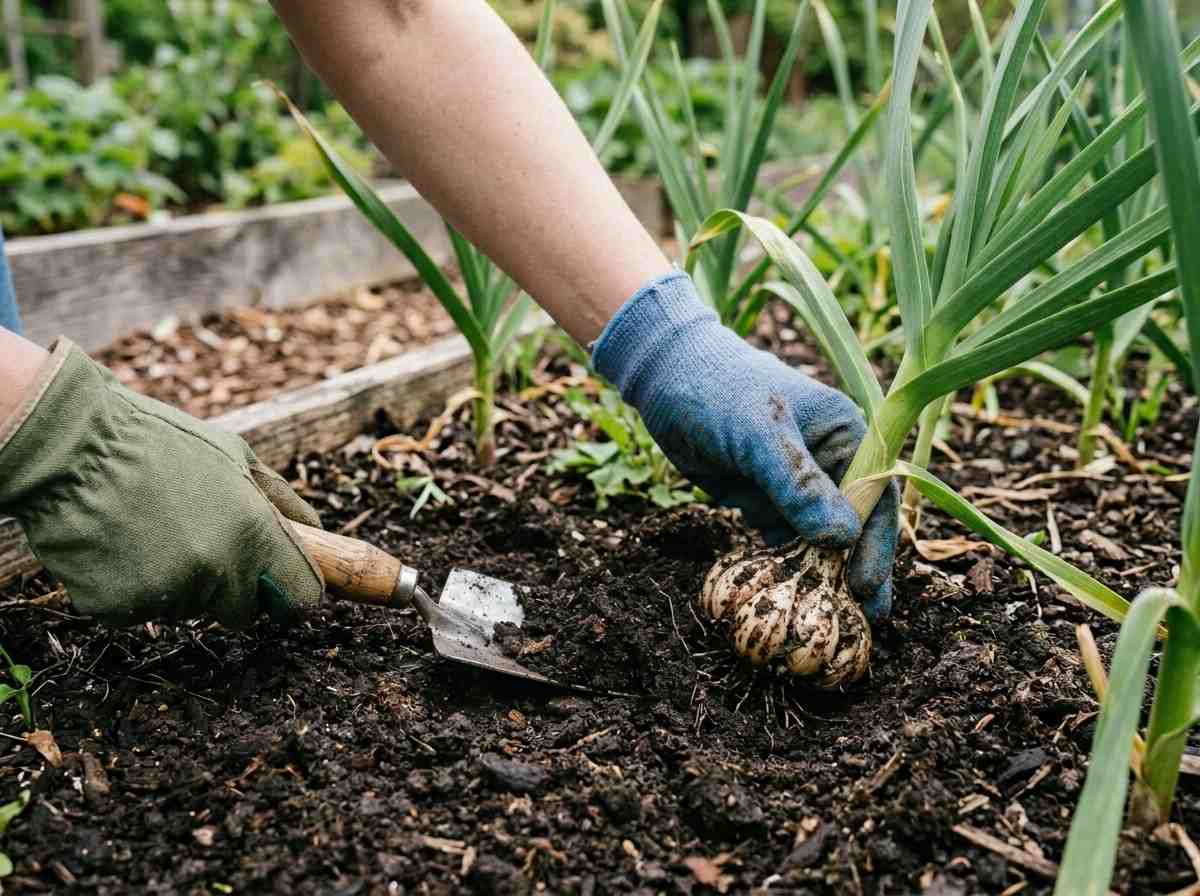
Are you growing garlic and wondering exactly when to pick it? Knowing When to Pick Garlic makes all the difference between strong, flavorful bulbs and ones that don’t reach their full potential.
You want garlic that tastes great, stores well, and shows off all your hard work. Keep reading, and you’ll learn the simple signs to watch for and the best time to harvest your garlic for perfect results every time. Don’t miss out on unlocking the full flavor of your homegrown garlic!
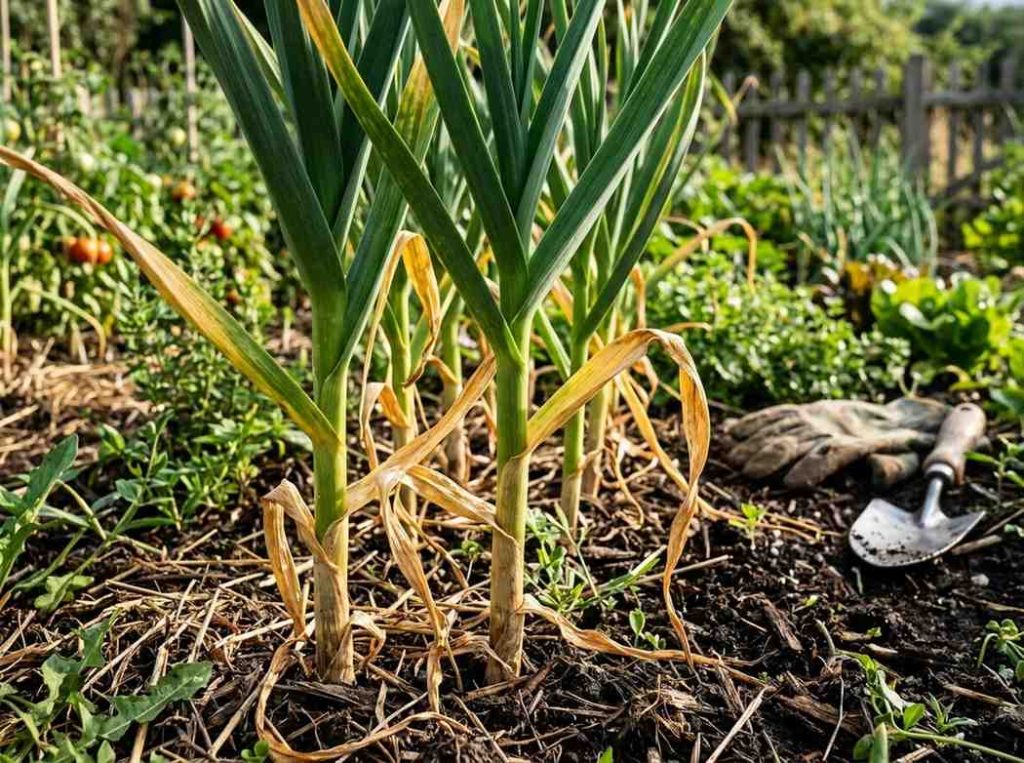
Knowing the signs garlic is ready helps to harvest at the right time. Garlic bulbs grow underground, but changes above ground tell you when to pick them. Watch the leaves and stems closely. These signals show the best moment to dig up your garlic.
Garlic leaves change color as the plant matures. They turn from bright green to yellow or brown. The yellowing starts at the bottom leaves first. This change means the garlic is finishing its growth.
Drying leaves are a clear sign of garlic readiness. Leaves become dry and papery, not soft or fresh. Drying usually begins near the tips and moves down. This shows the garlic is almost ready to harvest.
The neck of the garlic plant softens when it is mature. It feels bendable, not stiff or hard. Soft necks mean the garlic bulb is fully formed inside. This is a strong sign to pick your garlic soon.
Garlic types affect the best time to harvest. Each type grows and matures differently. Understanding these differences helps pick garlic at peak flavor and size.
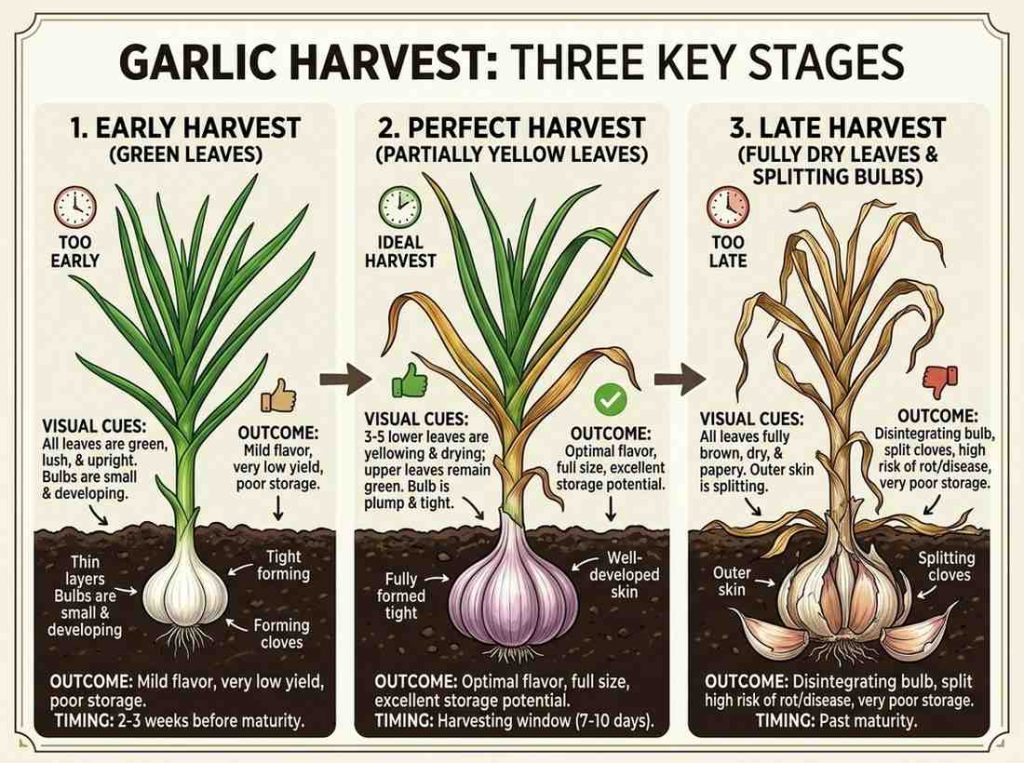
Hardneck garlic grows better in cold climates. It forms a stiff flower stalk called a scape. When scapes curl, it signals garlic is maturing. Usually, harvest happens about 7 to 8 months after planting. Leaves turn yellow and start to dry. This change means bulbs are ready. Pick hardneck garlic before leaves fully brown. This timing keeps cloves firm and flavorful.
Softneck garlic prefers milder weather. It does not produce a hard flower stalk. Bulbs need more time to grow than hardneck types. Softneck usually takes 8 to 10 months to mature. Watch leaves for signs of yellowing and drying. Harvest when most leaves are brown but some green remains. This stage ensures full bulb size and good storage life.
Weather and soil play a big role in choosing the right time to pick garlic. Both affect the garlic’s size, taste, and how well it stores. Understanding these factors helps gardeners harvest garlic at its best.
Garlic grows best in cool weather with steady temperatures. Too much heat can make garlic bulbs split or sprout early. Dry, sunny days help the garlic dry out before harvest. Avoid picking garlic on rainy or humid days. Wet conditions can cause the garlic to rot or develop mold.
Soil should be moist but not soggy before harvest. Too much water makes the soil heavy and slows drying. Dry soil helps garlic cure faster after picking. Check the soil a few inches deep. It should feel slightly damp but crumbly. Avoid picking garlic when the soil is very wet or hard.
Harvesting garlic requires careful techniques to keep bulbs healthy and tasty. Proper methods protect the garlic from damage during digging and handling. Using the right tools and gentle care helps keep garlic fresh for longer storage.
Choose tools that loosen soil without hurting garlic bulbs. A garden fork works best. Insert it gently around the plant. Lift the soil slowly to avoid breaking the bulb. Avoid sharp tools like shovels that can cut the garlic.
Hand trowels can help in tight spaces. Use clean tools to prevent plant diseases. Keep tools sharp and rust-free for easier digging.
Handle garlic bulbs with care after digging. Do not drop or throw them. Hold bulbs by the stem, not the cloves. Remove excess dirt with fingers, not water.
Place harvested garlic in a shaded spot. Avoid stacking bulbs too high to prevent bruising. Let them dry slowly in a well-ventilated area. Proper handling keeps garlic firm and flavorful.
Post-harvest curing is a vital step after picking garlic. It helps the garlic dry properly. This process improves storage life and flavor. Curing also protects garlic from mold and rot. Proper curing makes garlic bulbs last longer.
Choose a dry place for curing garlic. It should have good air flow. Avoid direct sunlight to prevent garlic from burning. A shaded porch, garage, or attic works well. The spot must stay cool and dry.
Curing usually takes two to four weeks. Hang garlic in small bundles or spread them on racks. Make sure air moves around each bulb. Check garlic regularly for softness or mold. Once the outer skin feels papery, curing is complete.
Picking garlic at the right time is important for a good harvest. Many gardeners make mistakes that harm garlic quality. Knowing what to avoid helps get the best bulbs. Two common errors are harvesting too early or too late. Each mistake affects flavor, size, and storage life.
Harvesting garlic before it is ready causes small, underdeveloped bulbs. The cloves may be soft and weak. Garlic needs time to grow full size and form strong skins. Early digging also reduces flavor and shelf life. Watch the leaves closely. When half the leaves turn brown, garlic is usually ready.
Leaving garlic in the ground too long can ruin the crop. Overripe bulbs split open and lose their protective skin. This causes faster decay and mold. Late harvest also invites pests and diseases. Bulbs can dry out or become tough. Check the leaves often and pick garlic before all leaves die.
Storing garlic properly helps keep it fresh for many months. Good storage stops garlic from sprouting or going soft. It keeps the flavor strong and the cloves firm. Knowing the right conditions and containers can extend garlic’s life.
Garlic needs cool, dry, and dark places to last long. The ideal temperature is around 60°F (15°C). Avoid places that are too hot or cold. High humidity causes mold and sprouting. Fresh air is important to prevent moisture build-up. Garlic should never be stored in the refrigerator. Cold temperatures make it sprout faster.
Use containers that allow air to flow around the garlic. Mesh bags, paper bags, or baskets work well. Avoid plastic bags or sealed containers that trap moisture. Hanging garlic in braids is a traditional and effective method. Keep the containers in a dark place, like a pantry or cupboard. Proper containers help garlic stay dry and fresh longer.
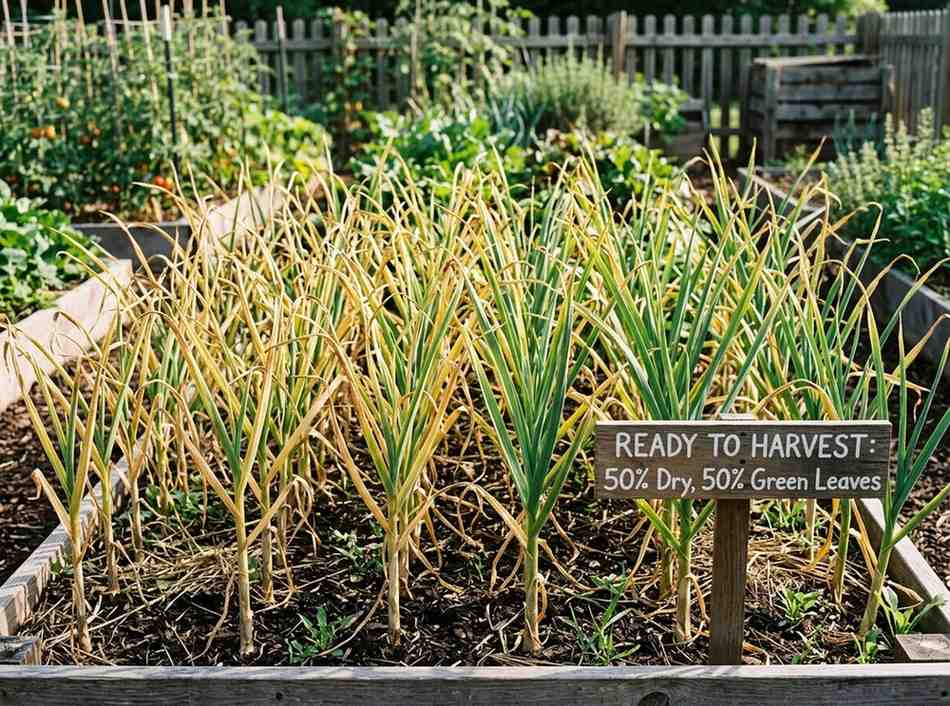
Garlic is ready when leaves turn yellow and start to dry. Bulbs feel firm.
Usually, garlic is harvested in mid to late summer, about 7-8 months after planting.
Yes, early garlic is small and weak; late garlic may split or rot.
Gently loosen soil with a tool, then pull by hand to avoid damage.
Dry weather helps garlic mature and store well, while wet soil can delay picking.
Harvest garlic when the leaves turn brown and dry. This shows the bulbs are mature and ready. Avoid waiting too long to prevent sprouting or rotting. Cure the garlic in a dry, cool place for better storage. Proper timing helps keep garlic fresh and flavorful.
Watch your plants closely for these signs. Enjoy the best taste from your homegrown garlic. Simple steps lead to a successful garlic harvest. Your effort will reward you with tasty, healthy bulbs.