Gardening Made Simple.
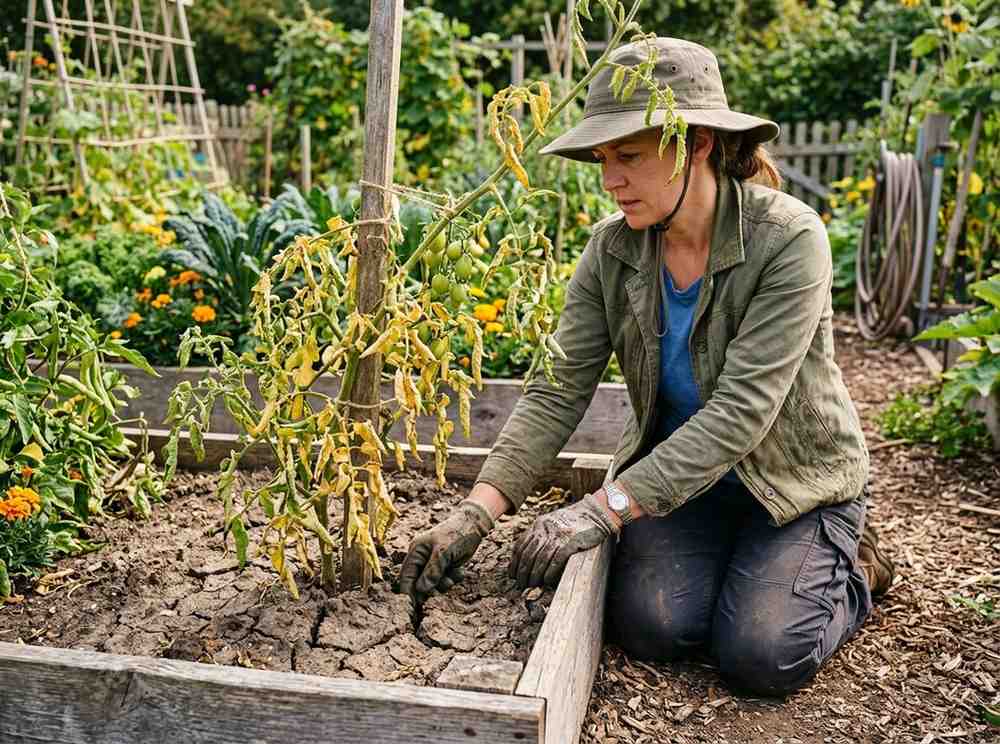
Are you noticing your tomato plant’s leaves curling and turning yellow? It’s frustrating to see your hard work in the garden affected like this. These symptoms often point to issues behind Tomato Plant Leaves Curling And Yellowing that need quick attention to protect your plant’s health and yield.
These changes in your tomato plant’s leaves could be a sign of underlying problems that need your attention. Understanding why this happens and what you can do about it will help you save your plants and enjoy a healthy, bountiful harvest.
Keep reading to discover the common causes and simple solutions that can bring your tomato plants back to life.
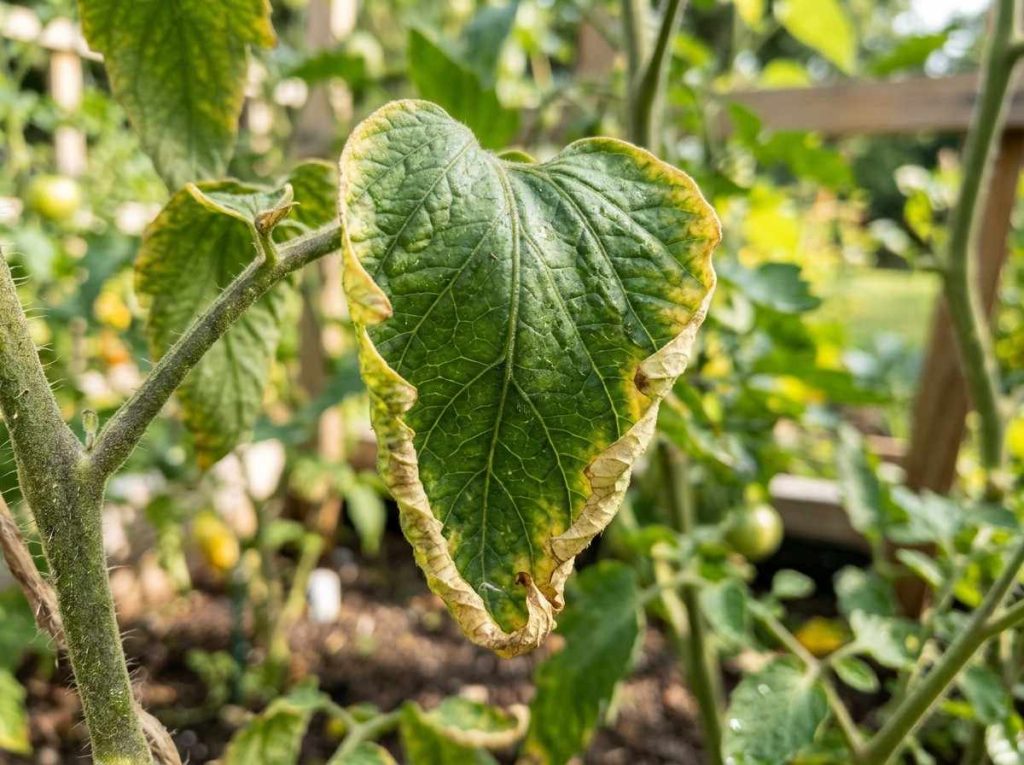
Tomato plants often show early signs of stress through their leaves. Curling and yellowing leaves are common signals that something is wrong. Recognizing these signs early helps save your plants. Healthy leaves are smooth and green. Changes in shape or color mean your plant needs attention.
Leaf curling can appear in several ways. Leaves might roll upwards or downwards. Some curl tightly, while others fold gently. Curling often starts at the edges or tips. It may affect just a few leaves or the entire plant. Check if the curl is consistent on all leaves. Spotting the pattern helps find the cause quickly.
Yellowing usually begins at the bottom leaves. It can spread upwards over time. Look for pale or light green patches too. Yellow leaves may feel soft or dry. Uniform yellowing can mean nutrient problems. Blotchy yellow spots might show pest damage. Noticing the yellow patterns guides your next steps.
Tomato plant leaves curling and yellowing show signs of trouble. These issues often stem from common causes. Identifying the cause helps fix the problem quickly. Understanding these causes can save your plants and improve growth.
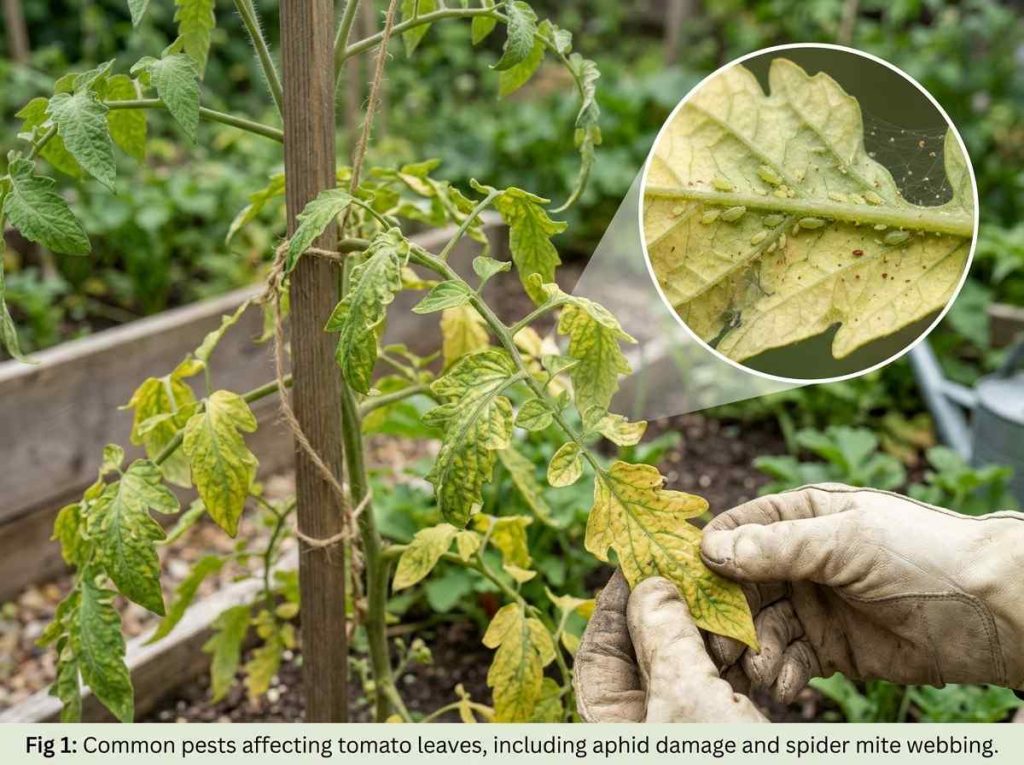
Many pests attack tomato leaves. Aphids, whiteflies, and spider mites are common offenders. They suck sap, causing leaves to curl and yellow. Look for tiny bugs or sticky residue on leaves. Early pest control prevents serious damage.
Fungi and bacteria cause leaf spots and curling. Diseases like early blight or bacterial spot affect tomatoes. Leaves turn yellow, curl, and drop off. Proper air flow and fungicides help control infections. Avoid watering leaves to reduce risk.
Tomatoes need balanced nutrients to stay healthy. Lack of nitrogen causes yellow leaves. Magnesium or iron deficiency also leads to yellowing and curling. Use a good fertilizer to supply essential nutrients. Regular soil tests can detect nutrient problems early.
Heat, cold, and strong wind stress tomato plants. Extreme temperatures make leaves curl or yellow. Wind dries out leaves and soil. Protect plants with shade or windbreaks. Keep plants in stable, suitable conditions for best growth.
Too much or too little water harms tomato leaves. Overwatering causes root rot and yellow leaves. Underwatering leads to dry, curled leaves. Water deeply but less often to keep soil moist. Proper watering keeps leaves healthy and green.
Tomato leaves curling is a common problem that needs fast attention. Quick fixes help stop damage and bring plants back to health. Act fast to prevent the issue from getting worse.
Several causes lead to leaf curling. These include pests, diseases, watering errors, and poor soil nutrition. Fixing these problems improves plant growth and fruit yield.
Check leaves for tiny bugs like aphids or whiteflies. These pests suck sap and cause curling. Spray plants with insecticidal soap or neem oil. Remove bugs by hand if the infestation is small. Keep plants clean to avoid pests.
Leaf curl can come from fungal or viral diseases. Look for spots or mold on leaves. Remove affected leaves to stop spreading. Use fungicides for fungal infections. Choose disease-resistant tomato varieties for future planting.
Water stress causes leaf curling. Avoid overwatering or drought. Water tomato plants deeply but less often. Check soil moisture before watering. Use mulch to keep soil moist and cool. Proper watering keeps leaves healthy and firm.
Poor soil nutrition leads to weak leaves. Add balanced fertilizer with nitrogen, phosphorus, and potassium. Include organic compost to enrich soil. Test soil pH and adjust if needed. Healthy soil supports strong plants and reduces leaf curl.
Preventing tomato plant leaves from curling and yellowing starts with good care. Taking steps early helps keep plants healthy and strong. These measures reduce the chance of disease and stress. Follow simple practices to protect your tomato plants throughout the growing season.
Give each tomato plant enough room to grow. Space plants about 18 to 24 inches apart. Good spacing lets air flow freely. This stops moisture buildup on leaves. Dry leaves reduce fungal and bacterial problems. Crowded plants compete for water and nutrients. Proper spacing helps plants stay healthy and green.
Choose tomato types that resist common diseases. Resistant varieties handle pests and infections better. Seeds or seedlings with resistance lower the risk of leaf curl and yellowing. Planting strong varieties saves time and effort later. Ask local nurseries for recommended resistant tomato plants.
Check plants often for signs of stress or damage. Early spotting helps stop problems before they spread. Remove any yellow or curled leaves quickly. Keep soil moist but not too wet. Mulch helps keep soil temperature steady. Trim lower leaves to improve airflow near the ground. Regular care keeps tomato plants vigorous and productive.
Tomato plant leaves curling and yellowing can signal a variety of problems. Some issues are easy to fix at home. Others need expert advice to protect your plants. Knowing when to seek expert help saves time and prevents plant loss.
Experts can diagnose complex diseases or pest damage. They offer solutions that home gardeners might not know. Seeking help early can stop problems from spreading. It keeps your tomato plants healthy and productive.
If leaf curling and yellowing worsen quickly, call an expert. Fast-spreading damage may mean a serious disease or pest attack. Experts can identify the cause and suggest treatments.
When home remedies fail after several weeks, get professional help. Persistent leaf issues may need special care or chemical treatments. Experts know the right steps to restore plant health.
Uncommon spots, mold, or bumps on leaves need expert attention. These signs often indicate infections or harmful pests. Professionals can confirm the problem and advise on safe removal.
If unsure about plant safety or fruit quality, ask an expert. Some diseases affect tomato safety for eating. Experts help ensure your harvest is safe and healthy.
Leaf curling often signals stress from heat, pests, or water issues. Check watering habits and inspect for insects.
Yellow leaves usually mean nutrient deficiency or overwatering. Ensure balanced fertilizing and proper soil drainage.
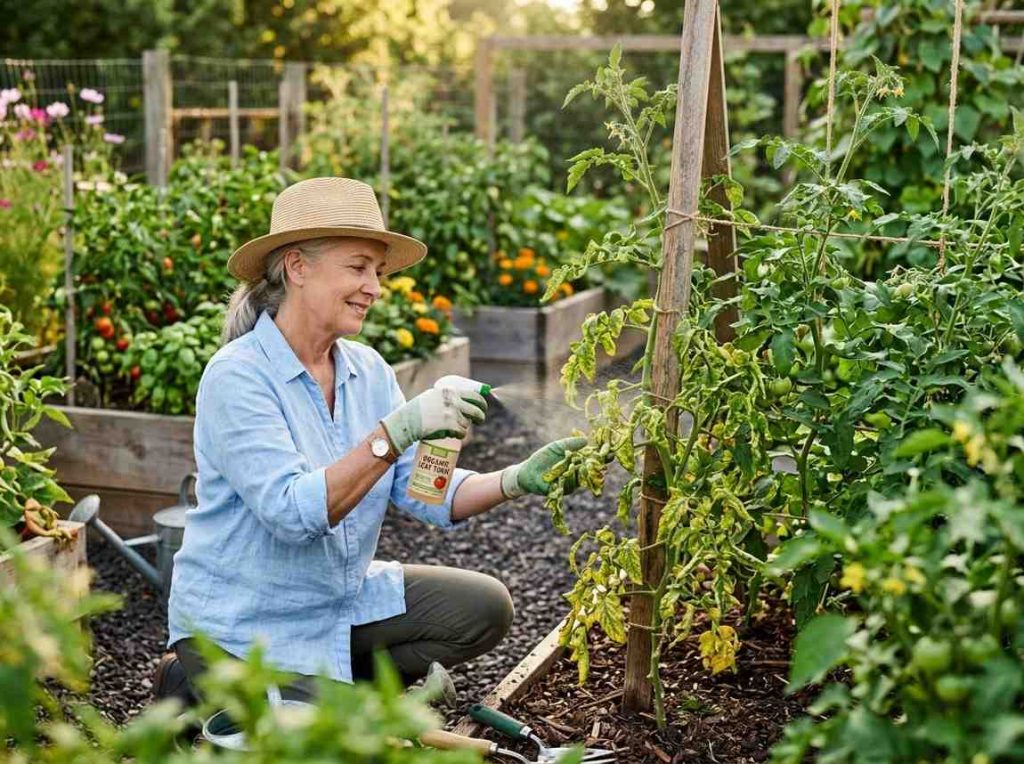
Yes, pests like aphids and whiteflies cause leaf curling and yellowing. Use gentle insecticidal soap to control them.
Water plants evenly, improve soil quality, and remove affected leaves. Natural remedies help plants recover without chemicals.
Too much water suffocates roots, causing yellow and curled leaves. Water only when the top soil feels dry.
Tomato leaves curling and yellowing need quick attention. Check for pests, water, and soil quality regularly. Healthy plants grow better and produce more fruit. Keep your tomato plants in good care. Small problems now can stop big damage later. Watch your plants often and act fast.
Healthy leaves mean a happy tomato plant.