Gardening Made Simple.
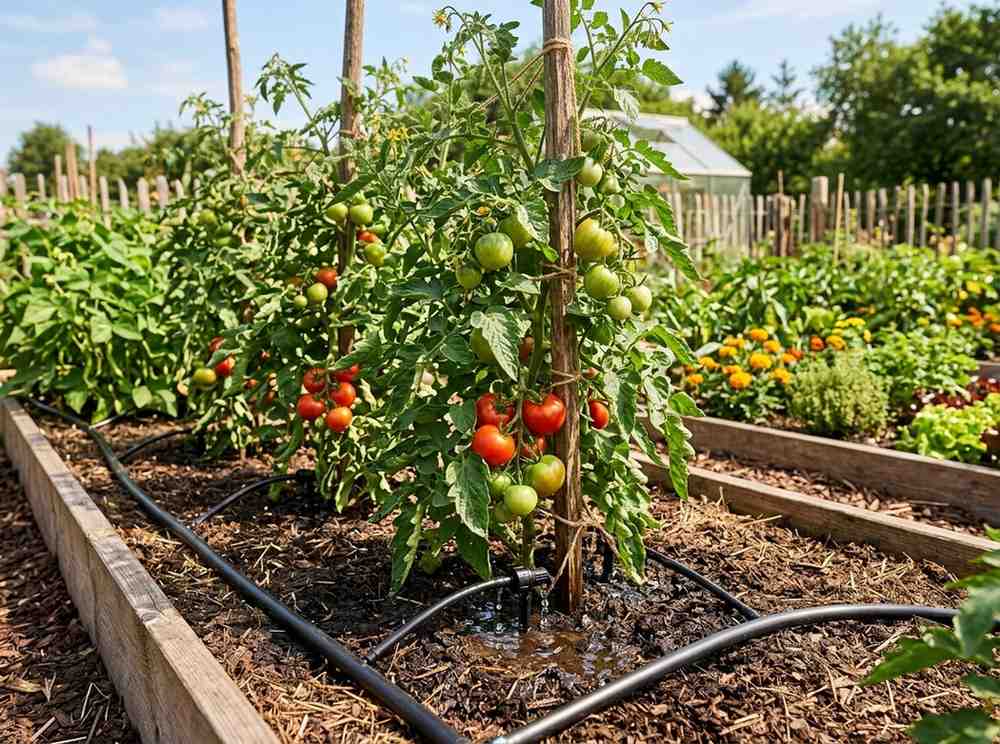
You’ve poured your heart into your tomato garden. Plants grow tall and lush. Then, out of nowhere, fruits split open or develop ugly black spots at the bottom. Blossom end rot strikes again. These headaches often stem from one simple issue: spotty watering. Tomatoes crave steady moisture more than most veggies.
They pull in lots of nutrients and water to build those juicy fruits. Without a solid plan, you risk weak yields and sad harvests. Following the right Watering Tips for Tomatoes will help you maintain consistent soil moisture and grow healthier, more productive plants.
Tomato plants act like thirsty athletes during a big game. They need consistent hydration to thrive. Skip it, and stress sets in fast. This guide shares smart, easy steps to nail your watering routine. You'll learn how much to give, when to do it, and how to spot trouble early. Follow these tips, and you'll boost your tomato crop for bigger, tastier results.
Tomato plants depend on water for every step of growth. They soak it up through roots to carry food to leaves and fruits. Get this right, and your garden hums along. Mess it up, and problems pile on quick.
Aim for one to one and a half inches of water each week. This keeps soil damp without drowning the roots. Hot, dry spots might call for more—up to two inches. Check your local weather to adjust.
Use the finger test to gauge soil moisture. Stick your index finger two inches into the dirt near the plant base. If it feels dry, time to water. Wet soil means hold off a bit. This simple trick beats guessing every time.
Soil type plays a big role too. Heavy clay holds water longer than loose sand. In sandy gardens, you may need to water twice a week. Track rainfall to avoid overdoing it. A rain gauge helps measure what nature provides.
Young seedlings need gentle, even moisture to build strong roots. Too little, and they wither. Too much, and they rot. Keep soil lightly damp during this phase—about a half inch per week.
Flowering and fruit set demand your full attention. Dry spells here cause flowers to drop and fruits to fail. Provide steady water to help pollination and early growth. Aim for that one-inch mark without fail.
During fruit ripening, plants guzzle water to swell those tomatoes. Inconsistent supply leads to small or cracked fruits. Watch closely in late summer heat. Even moisture ensures plump, healthy harvests.
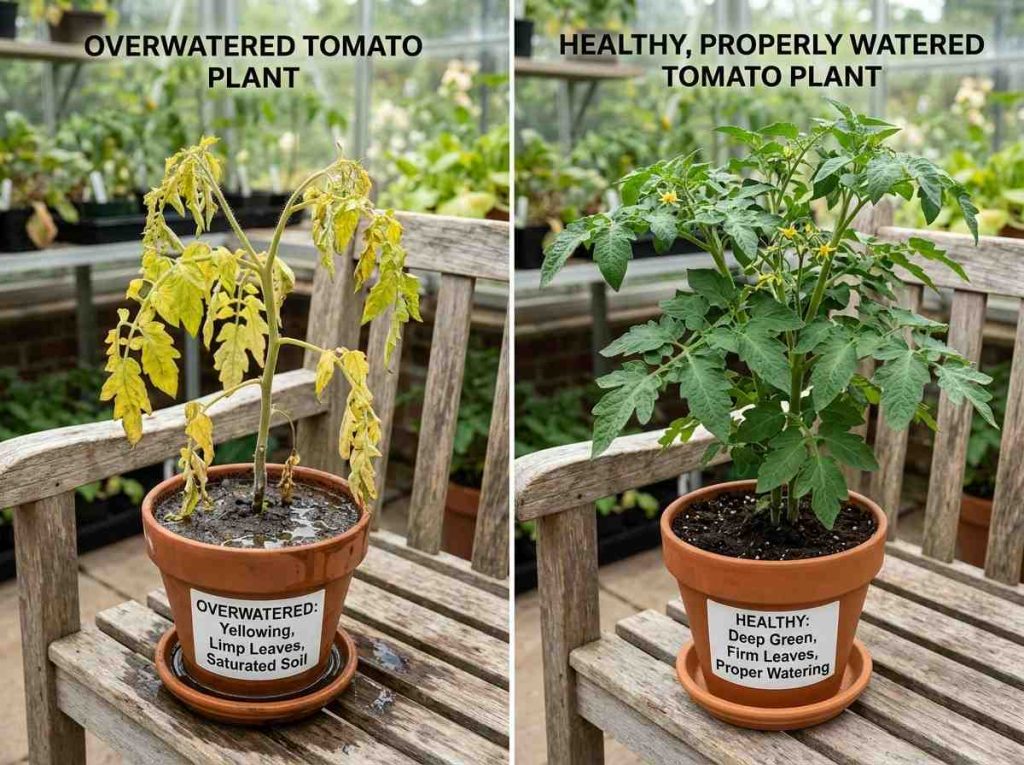
Underwatered tomatoes droop like wilted lettuce by midday. Leaves curl up tight to save moisture. Fruits stay small and tough. Check soil first—if it's bone dry, ramp up your routine.
Overwatering shows in yellow leaves on the bottom branches. Roots turn mushy and black from rot. Plants look soggy and weak overall. Pull back on the hose if water pools around stems.
Both issues stress the plant. Wilting signals thirst; yellowing screams excess. Act fast to save your crop. Regular checks prevent these woes from spreading.
Knowing the amount is step one. Now, think about delivery. When and where you water shapes root health and fruit quality. Smart choices cut waste and boost growth.
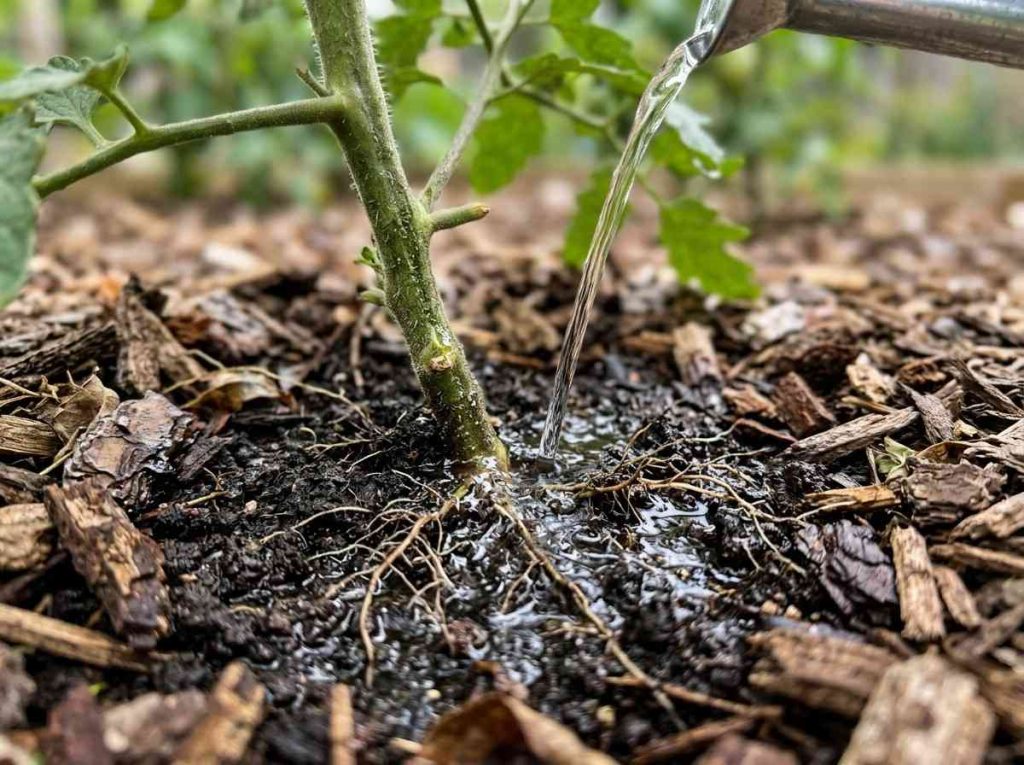
Deep watering pushes moisture down to encourage strong roots. Shallow sips keep roots near the surface, weak against drought. Soak soil six inches deep each time.
Water only when the top four to six inches dry out. This builds resilience. In full sun, that might mean every three to four days. Test with your finger or a trowel.
Deep roots tap into ground water better. Your plants stand taller in heat waves. Skip daily sprinkles—they just wet the top and invite weeds.
Water in the early morning for best results. Sun dries leaves quick, cutting disease risk. Roots absorb it all day long.
Evening watering leaves foliage wet overnight. This invites fungi like early blight. Spores thrive in the damp dark. Your tomatoes suffer spots and rot.
Hot afternoons work in a pinch, but avoid them. Water evaporates fast, wasting effort. Morning sets you up for success. Plants perk up ready for the day.
Direct water to the root zone, not splashing leaves. Wet foliage breeds trouble like powdery mildew. Keep it dry up top for healthy growth.
Use a hose with a gentle nozzle or watering can. Aim at the soil base, circling the plant. Skip overhead sprays—they drench everything wrong.
In rows, space plants to let air flow. This dries any stray drops fast. Healthy leaves mean fewer sick days in your garden.
Pick tools that fit your setup. Drip lines save time for big patches. Hand methods suit small spaces. Match the method to get water where it counts.
Drip systems deliver water slow and steady right to roots. They cut evaporation by half compared to sprinklers. Efficient tomato watering systems like these save your water bill too.
Soaker hoses seep moisture under the soil line. Place them along plant rows for even coverage. Run them one hour twice a week for that inch mark.
These setups reduce weed growth and disease. Fruits stay clean and plump. Install once, and enjoy hands-free hydration all season.
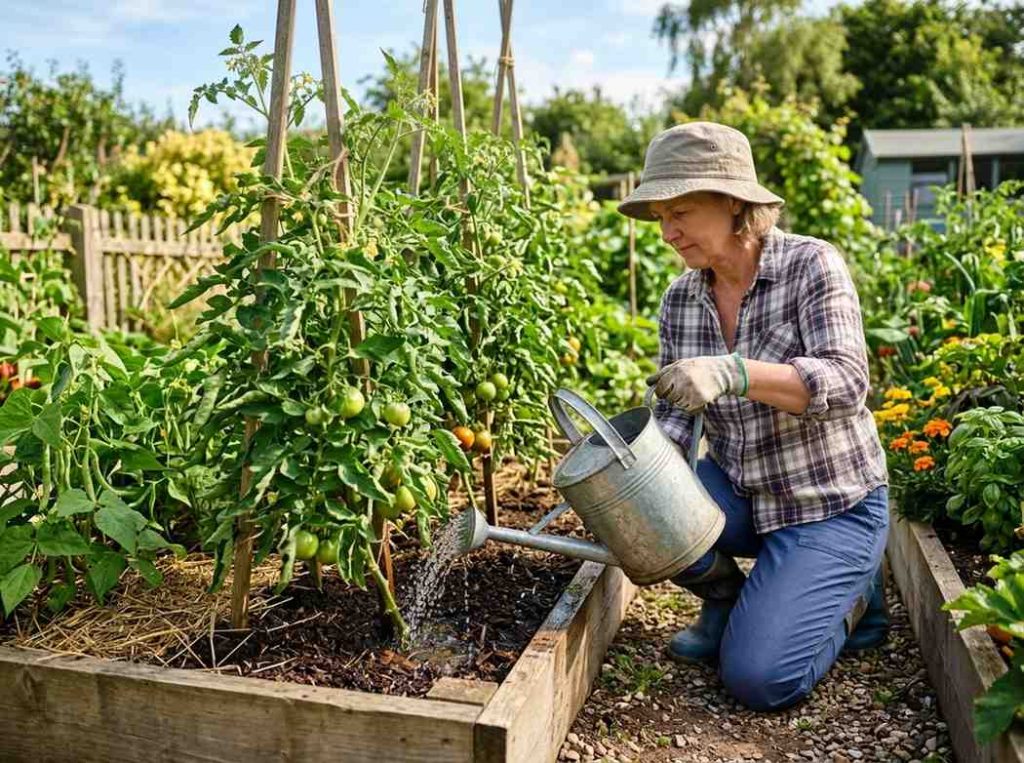
Grab a watering wand for precise control. Bend low and aim at the base, skipping the stem. Slow pour until soil soaks through.
Move from plant to plant in a steady rhythm. Check each spot for even wetness. This method shines in containers or raised beds.
Build a routine—early mornings work best. You'll spot issues like pests early too. Hand watering connects you to your garden's pulse.
Pots dry out fast in sun and wind. Check them morning and evening during heat. Soil shrinks from pot edges? Time to refill.
Use pots with drain holes to avoid root soak. Add saucers to catch runoff, but empty them quick. Twice-daily checks prevent dry spells.
Containers heat up, stressing plants more. Water until it drips out the bottom. This ensures roots get a full drink. Larger pots hold moisture longer—go big if you can.
Your dirt and weather set the pace. Clay gardens need less frequent soaks. Sandy ones thirst quicker. Tune your habits to match.
Clay soil grips water tight, draining slow. Water once a week, deeply, to reach roots. Watch for puddles—overdo it, and roots suffocate.
Sandy soil lets water slip away fast. Hit it with two sessions per week for balance. Mix in compost to hold moisture better.
Test your soil with a jar shake. Layers show type clearly. Adjust your tomato watering tips based on what you find.
Spread two to four inches of straw or bark around plants. It blocks sun, keeping soil cool and damp. Less evaporation means less work for you.
Mulch cuts weeds that steal water. Keep it an inch from stems to dodge rot. Refresh it mid-season as it breaks down.
Organic layers feed soil too. Worms love it, aerating roots. Your tomatoes reward you with steady growth.
In 90-degree heat, up water to two inches weekly. Plants sweat more, losing moisture quick. Shade cloth helps if sun blasts hard.
Rainy weeks? Skip the hose. Use that gauge—over an inch means rest day. Soggy soil starves roots of air.
Drought hits? Mulch thick and water early. Wind dries things faster—check daily. Stay flexible for a tough harvest.
Water slips cause most tomato woes. Blossom end rot, splits, even bugs trace back here. Fix the source for a clean crop.
BER hits from uneven water blocking calcium flow. Dry then flood cycles starve fruits. Keep soil steady to let calcium reach them.
Mulch and deep water prevent it best. Add lime if soil tests low on calcium. Start even moisture at fruit set.
Spot black bottoms early? Remove bad fruits. Steady habits stop spread. Your next batch stays smooth.
Sudden rains after dry days swell fruits too fast. Skins crack open, inviting bugs. Even watering keeps expansion slow and safe.
Shade plants in peak heat to ease stress. Harvest ripe ones quick during storms. Prevention beats patching.
Cracks heal sometimes, but flavor dips. Consistent tomato plant watering avoids this mess. Enjoy whole, juicy picks.
Dry plants draw spider mites like magnets. They suck sap from weak leaves. Steady water keeps them strong and less tasty to pests.
Overwet soil breeds slugs and root worms. Balance avoids both. Hose off mites with a gentle spray if they show.
Healthy hydration builds tough plants. Bugs think twice. Scout weekly for early wins.
Deep, regular root watering forms the base of success. Your tomatoes thrive on it, pushing out heavy yields. Skip the guesswork—make it a habit.
Watch your plants like old friends. Wilts or yellows tell the tale. Adjust on the fly for peak health.
Put these watering tips for tomatoes to work now. Healthier vines mean better flavor on your plate. Grab your hose and start steady—your garden will thank you with a bumper crop.
Tomatoes usually need deep watering 2–3 times per week, depending on weather and soil conditions.
Early morning is best because it reduces evaporation and helps plants absorb moisture efficiently.
Not usually. Daily watering can cause overwatering; tomatoes prefer deep, less frequent watering.
Tomatoes need about 1–2 inches of water per week, including rainfall, to stay healthy.
Inconsistent watering can cause problems like blossom end rot, fruit cracking, and poor growth.