Gardening Made Simple.

Have you noticed small, unexpected mushrooms popping up in your garden? You might be wondering why they are suddenly growing there and if they are good or bad for your plants. Understanding Why Are Mushrooms Growing in My Garden will help you determine the cause and decide the best way to manage them.
These little fungi can be surprising, and understanding why they appear can help you take better care of your garden. You’ll discover the reasons behind mushroom growth in your soil and what it means for your garden’s health. Keep reading to unlock the secrets beneath your feet and learn how to manage these curious visitors effectively.
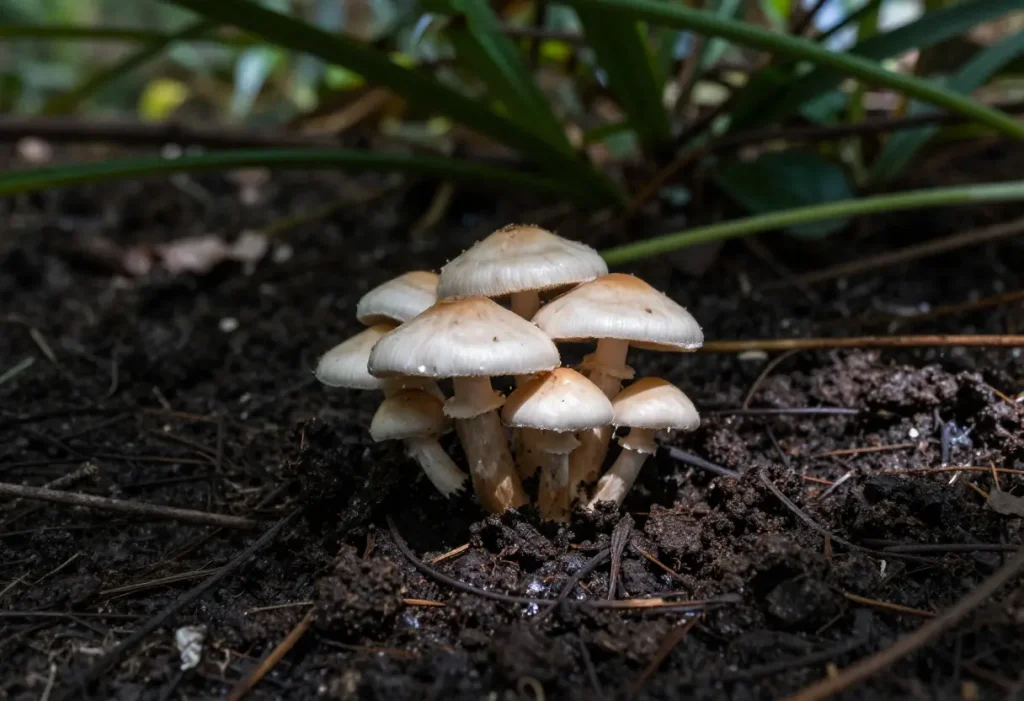
Mushrooms often appear in gardens for specific reasons. Understanding these causes helps manage their growth. Mushrooms grow naturally in certain garden environments. Their presence shows something about your soil and conditions.
Mushrooms love moist soil. When water stays too long, mushrooms can grow fast. Poor drainage traps water underground. This wet soil creates a perfect home for fungi. Proper drainage reduces excess moisture. It stops mushrooms from spreading too much.
Old leaves, wood, and plant debris feed mushrooms. They break down this organic matter to live. Gardens with lots of compost or mulch often have mushrooms. This decay process is natural and helps soil health. Mushrooms show that decomposition is happening under the surface.
Shade keeps soil cool and damp. Mushrooms thrive in these low-light areas. Trees and tall plants create shady spots. These places hold moisture longer than sunny areas. Shady gardens or parts of a yard are common mushroom sites.
Mushrooms in your garden come in many types. Some are safe to eat. Others can harm you or your plants. Some mushrooms help your garden grow. Knowing the types helps you decide what to do.
Some garden mushrooms are safe and tasty. Examples include morels, oyster mushrooms, and shiitake. They grow on decaying wood or soil rich in organic matter. Edible mushrooms often have smooth caps and white or light-colored gills. Always be sure before eating any wild mushroom.
Many garden mushrooms can be dangerous. Examples include the death cap and false morel. These mushrooms may look like edible ones but cause illness. They often have bright colors or unusual shapes. Keep children and pets away from unknown mushrooms.
Not all mushrooms are harmful or for eating. Some fungi help plants by improving soil health. They break down dead material and recycle nutrients. Mycorrhizal fungi form partnerships with plant roots. These fungi support plant growth and water absorption.
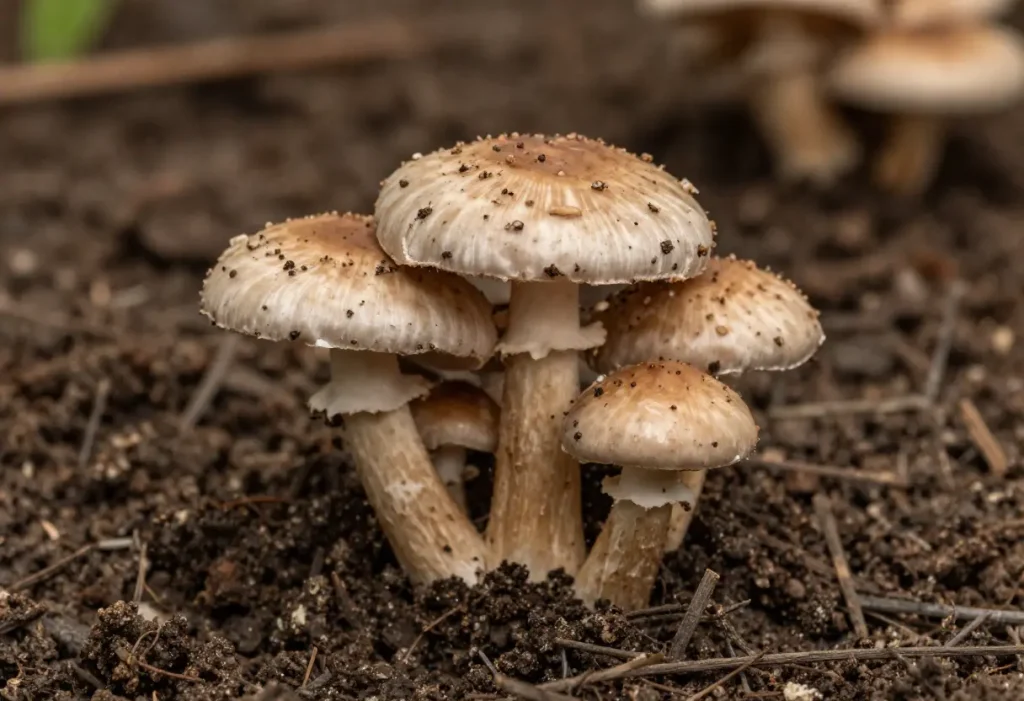
Mushrooms growing in your garden are more than just a surprise. They play a role in your garden’s health and growth. Understanding how mushrooms affect your garden helps you care for your plants better. They interact with soil, plants, and even pets around your home.
Mushrooms often help plants grow by forming partnerships with roots. These fungi share water and nutrients with plants. Some mushrooms break down dead leaves and wood. This process frees nutrients for plants to use. Not all mushrooms harm plants; many improve soil quality. They help keep the soil loose and rich.
Mushrooms are nature’s recyclers. They break down organic matter like fallen leaves and dead wood. This breakdown returns nutrients to the soil. Nutrient cycling helps plants get food naturally. Mushrooms speed up this process. Healthy soil full of nutrients supports strong plant growth.
Some mushrooms can be harmful if touched or eaten. Pets and children may find mushrooms curious to explore. Certain wild mushrooms are poisonous and can cause illness. It’s best to watch your garden closely. Remove unknown mushrooms to keep your family safe. Teach children not to touch or eat wild mushrooms.
Mushrooms growing in your garden may look strange or unwanted. They often appear because of moisture and organic material in the soil. Stopping mushrooms from growing means changing the garden environment. This section explains simple steps to prevent unwanted mushroom growth.
Water that stays too long in the soil helps mushrooms grow. Good drainage lets water flow away quickly. You can add sand or small stones to the soil. Raised garden beds also help water drain faster. Better drainage keeps the soil dry and less friendly for mushrooms.
Mushrooms feed on dead plants and wood. Clear away fallen leaves, grass clippings, and old mulch. Remove old tree roots or branches buried in the soil. Clean soil has less food for mushrooms. This lowers the chance of mushrooms popping up.
Too much water encourages mushrooms to grow. Water the garden only when the soil is dry. Water early in the day so the soil dries faster. Avoid overwatering lawns and flower beds. Proper watering stops the moist conditions mushrooms need to grow.
Mushrooms often surprise gardeners by popping up overnight. They can look strange or even unwanted. Yet, there are good reasons to welcome them in your garden. Understanding when to embrace mushrooms helps your plants and soil stay healthy. Mushrooms signal a natural balance in the garden ecosystem.
Mushrooms break down dead plants and leaves. This process turns organic matter into nutrients. These nutrients then feed your garden soil. Mushrooms act like nature’s recyclers. They improve soil health without chemicals. This helps plants grow stronger and healthier.
Mushrooms support many small creatures in the garden. They create homes for insects and worms. These creatures help with pollination and soil aeration. More biodiversity means a healthier garden. Mushrooms invite beneficial life forms into your space.
Mushrooms form partnerships with plant roots. This relationship is called mycorrhiza. It helps plants absorb water and nutrients better. In return, mushrooms get food from the plants. This teamwork boosts plant growth and health. It is a natural, helpful bond in your garden.
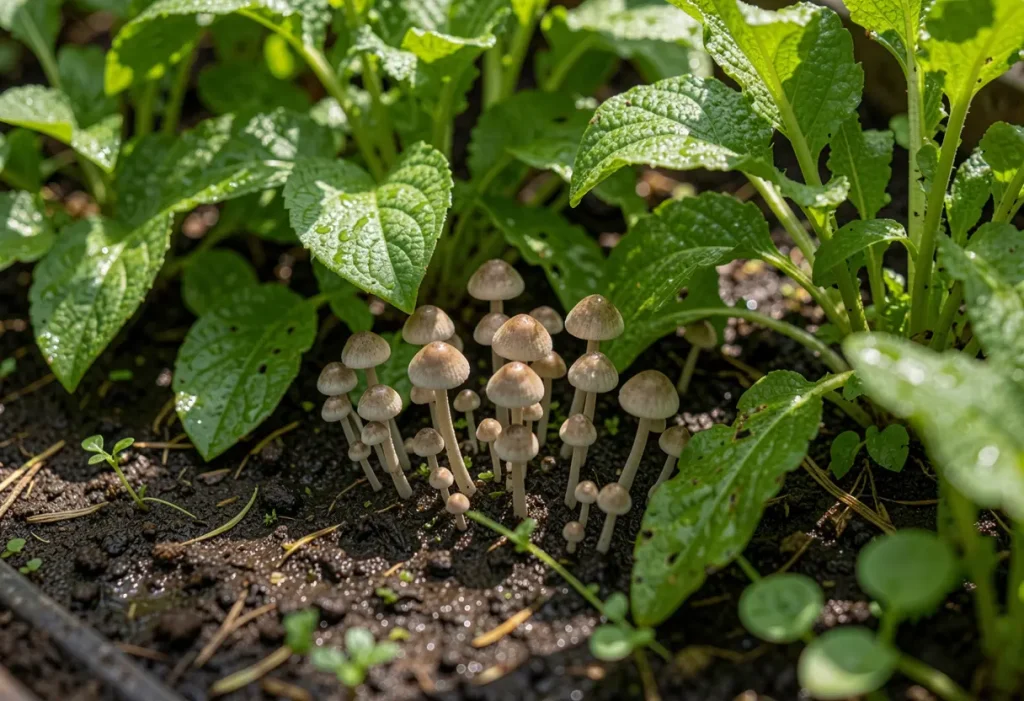
Mushrooms grow in moist, rich soil with organic matter breaking down. They help recycle nutrients.
Most garden mushrooms do not harm plants. They usually grow on decaying matter, not living roots.
Some mushrooms are toxic. Avoid touching or eating wild mushrooms unless identified by an expert.
Reduce moisture, improve drainage, and remove organic debris to limit mushroom growth in your garden.
Mushrooms often show healthy soil with good organic matter. They help improve soil quality naturally.
Mushrooms growing in your garden show healthy soil life. They break down dead plants and add nutrients. Not all mushrooms are harmful; many help plants grow. Watch for toxic types and remove them carefully. Keep garden clean and well-drained to control growth.
Mushrooms remind us of nature’s cycle and balance. Enjoy your garden’s natural beauty and health.