Gardening Made Simple.
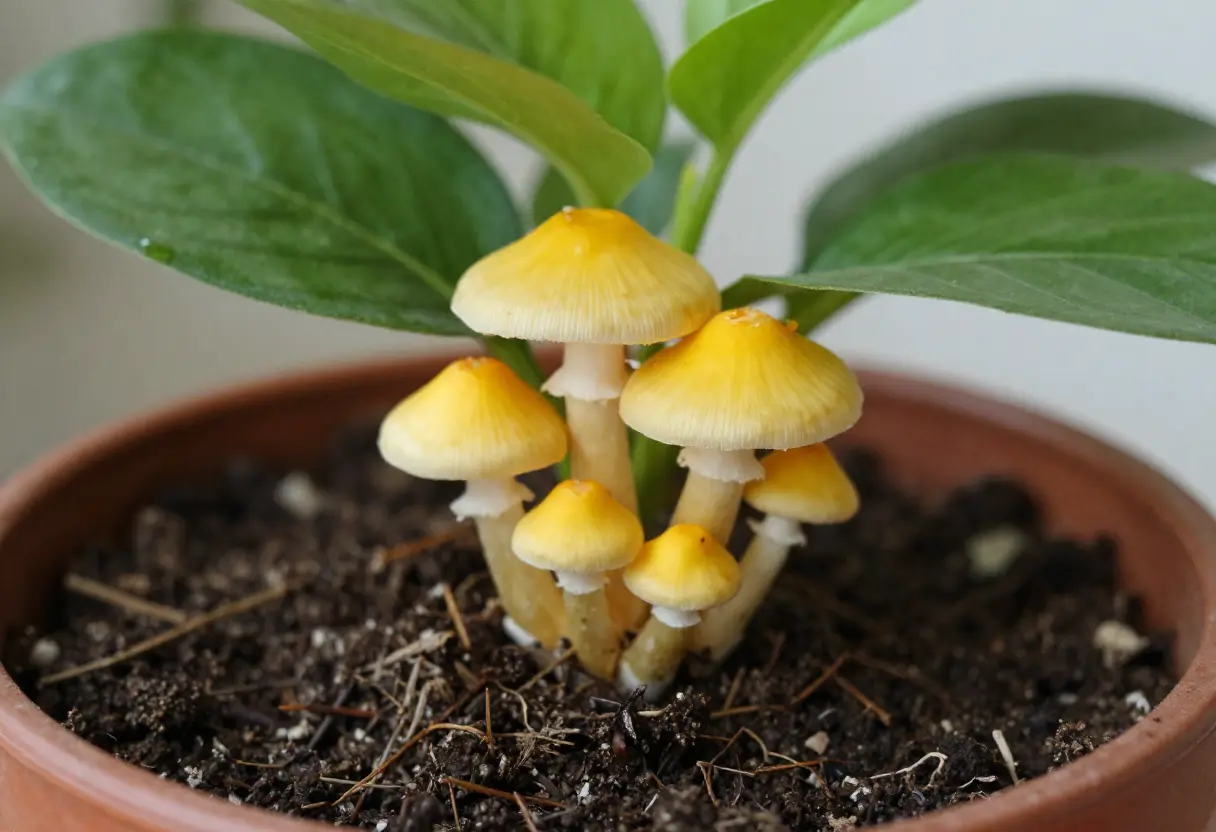
Have you ever spotted a yellow mushroom popping up in your potted plant and wondered what it means? Yellow Mushroom in Potted Plant can indicate issues like excess moisture or decaying organic matter, so understanding it helps you protect your plant and keep it healthy.
Yellow mushrooms can tell you a lot about your plant’s health and the soil it’s growing in. If you want to keep your plants thriving and avoid any surprises, understanding these mushrooms is key. Keep reading to discover what those yellow mushrooms really mean and how you can care for your potted plants better than ever before.
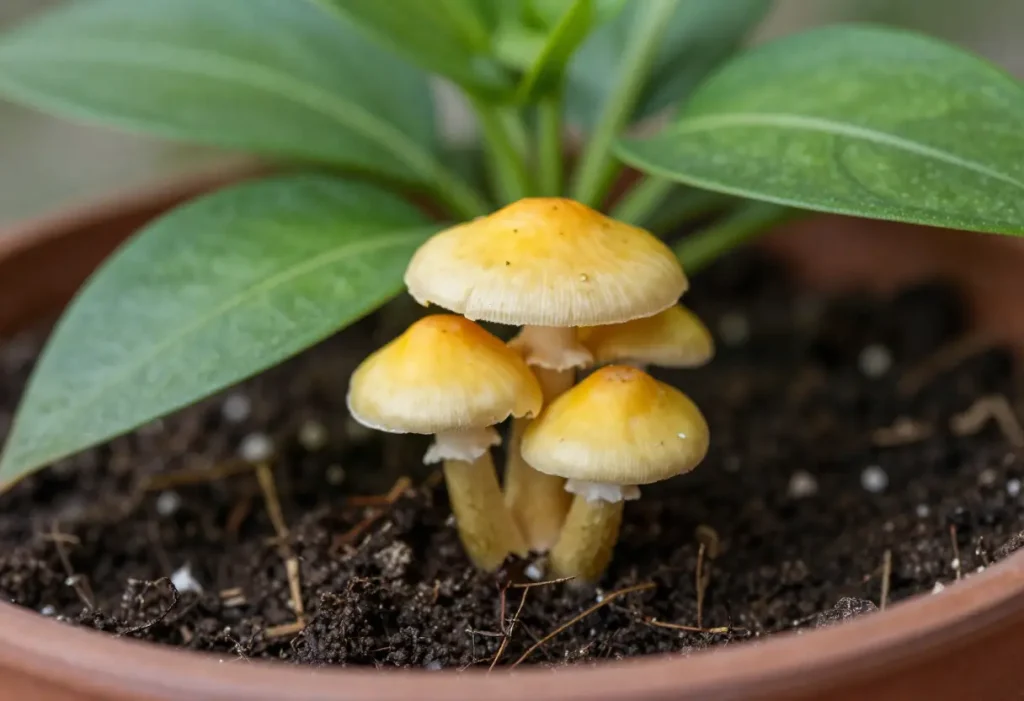
Yellow mushrooms sometimes appear in potted plants. They can surprise many plant owners. These small fungi often grow in moist soil. They do not harm the plant directly. Still, they raise questions about plant health and care.
Understanding yellow mushrooms helps keep your plants healthy. Knowing why they grow and what to do is important. This section covers key facts about yellow mushrooms in pots.
Yellow mushrooms grow because of moisture and organic matter. Overwatered soil creates a perfect home for fungi. Dead leaves or plant debris in soil feed mushrooms. Warm and humid conditions speed up their growth. These mushrooms appear as a sign of rich, wet soil.
Most yellow mushrooms do not harm plants. They feed on decaying matter, not live roots. Mushrooms help break down organic material. This process can improve soil health over time. Still, too many mushrooms may indicate overwatering. Watch your plant’s roots for any signs of rot.
Remove mushrooms by hand carefully. Wear gloves to avoid skin contact. Dispose of them away from plants. Reduce watering to dry the soil slightly. Remove dead leaves or plant debris from soil. Good air circulation helps prevent mushroom growth.
Use well-draining soil to avoid excess moisture. Water plants only when the topsoil feels dry. Clean pots and tools before use. Avoid leaving dead leaves on the soil surface. Place plants in areas with good airflow. These steps reduce mushroom growth risk.
Yellow mushrooms often appear in potted plants due to certain common conditions. These conditions create an environment where mushrooms can easily grow. Understanding these causes helps in preventing unwanted mushroom growth.
Too much water in the soil encourages mushroom growth. Mushrooms thrive in wet conditions. Overwatering your plant or not allowing soil to dry can cause mushrooms to appear.
Soil that does not drain well holds water for long periods. This creates a damp environment ideal for mushrooms. Pots without drainage holes or compacted soil increase this risk.
Old leaves, roots, or plant debris in the soil break down over time. This decaying matter provides food for mushrooms. Pots with rich organic soil may have more mushroom growth.
Humidity above 70% supports mushroom development. Humid indoor spaces or greenhouses create perfect conditions. Mushrooms grow quickly in moist, warm air surrounding the plant.
Yellow mushrooms growing in potted plants can cause problems for both plants and people. They may look harmless but carry hidden risks. Understanding these dangers helps keep your home safe and your plants healthy.
Some yellow mushrooms are toxic to humans and pets. Touching or eating them can cause illness. Symptoms may include nausea, vomiting, or skin irritation. Always avoid handling unknown mushrooms without gloves.
Yellow mushrooms can signal poor soil conditions. They often grow in damp, decaying organic matter. This may weaken the plant’s roots and stunt growth. Removing mushrooms and improving drainage can protect your plant.
Spore release from mushrooms may trigger allergies. Sneezing, coughing, or skin rashes can occur in sensitive people. Keep the area well-ventilated and clean to reduce spores indoors.

Yellow mushrooms in potted plants can harm your plant’s health. Stopping their growth early helps keep plants safe. Prevention is better than cure. Simple steps can reduce the chance of mushrooms appearing. These methods focus on controlling moisture and cleanliness. Here are key strategies to protect your plants.
Water plants only when the top soil feels dry. Avoid overwatering, as excess moisture encourages mushroom growth. Use a watering can with a narrow spout to control water flow. Water early in the day to let soil dry before night. Good watering habits keep soil balanced and less friendly to fungi.
Soil that drains well prevents water from sitting too long. Use pots with drainage holes to let extra water escape. Add small stones or broken pottery at the pot’s bottom. Mix sand or perlite into the soil to increase drainage. Well-drained soil stops soggy conditions where mushrooms thrive.
Start with clean, sterile potting soil to avoid bringing fungi indoors. Store soil in a dry place to prevent mold growth. Avoid using garden soil, which often contains spores. Replace old soil regularly to keep the environment healthy. Fresh, sterile soil lowers the risk of yellow mushrooms forming.
High humidity creates a perfect place for mushrooms to grow. Keep room air moving by opening windows or using fans. Avoid placing plants too close together to improve airflow. Use a dehumidifier in very damp rooms. Lower humidity helps stop mushroom spores from developing in pots.
Yellow mushrooms in potted plants can be unwanted guests. Removing them helps keep your plant healthy. Several methods work well to get rid of these fungi safely and effectively.
Pick the yellow mushrooms by hand. Use gloves to protect your skin. Remove the entire mushroom, including the base. Dispose of them in a sealed bag. This stops spores from spreading in your home.
Take out the top layer of soil where mushrooms grow. Replace it with fresh, clean potting mix. This removes mushroom spores and stops regrowth. Avoid using garden soil, as it may contain fungi.
Use a fungicide labeled safe for indoor plants. Follow the instructions on the product carefully. Spray or apply the fungicide to the soil surface. Fungicides kill mushroom spores and prevent new growth.
Knowing when to repot your yellow mushroom in a potted plant is key to keeping it healthy. Mushrooms growing in pots can indicate moisture issues or soil problems. Repotting helps control these problems and gives your plant a fresh start. Recognize the right time to act before the fungus harms the plant or soil quality.
Yellow mushrooms keep appearing on the soil surface. The soil feels soggy or smells musty. The pot drains poorly and stays wet for days. Plant roots look crowded or unhealthy. Leaves may turn yellow or wilt more often. These signs show the fungus is growing too much and the soil conditions are poor. Repotting becomes necessary to remove infected soil and stop spread.
Pick a pot with drainage holes to avoid water buildup. Choose a size slightly bigger than the current pot. Use fresh, well-draining soil made for potted plants. Avoid using old soil to prevent fungal spores from returning. Mix some sand or perlite into the soil for better airflow. Clean the pot well before adding new soil. This helps create a healthy environment for your plant to grow without mushrooms.
Yellow mushrooms in potted plants can harm your plant's health. Chemicals might solve the problem but can be risky. Natural alternatives offer a safer way to protect your plants. These options help fight fungi and keep the soil healthy. Using natural methods supports the environment and your plant's growth.
Neem oil is a natural oil from neem tree seeds. It works against fungi, insects, and bacteria. Spray neem oil on the soil and plant leaves. It stops mushroom growth and protects roots from harm. Neem oil is safe for most plants and breaks down in soil.
Cinnamon powder is a natural fungus fighter. Sprinkle it on the soil surface around your plant. It stops mushroom spores from growing. Cinnamon also helps heal small plant wounds. It is gentle and easy to use on potted plants.
Beneficial microorganisms improve soil health and fight harmful fungi. Add compost or special microbial products to the soil. These microbes compete with mushroom spores and reduce their growth. Healthy soil means stronger plants and fewer mushrooms.
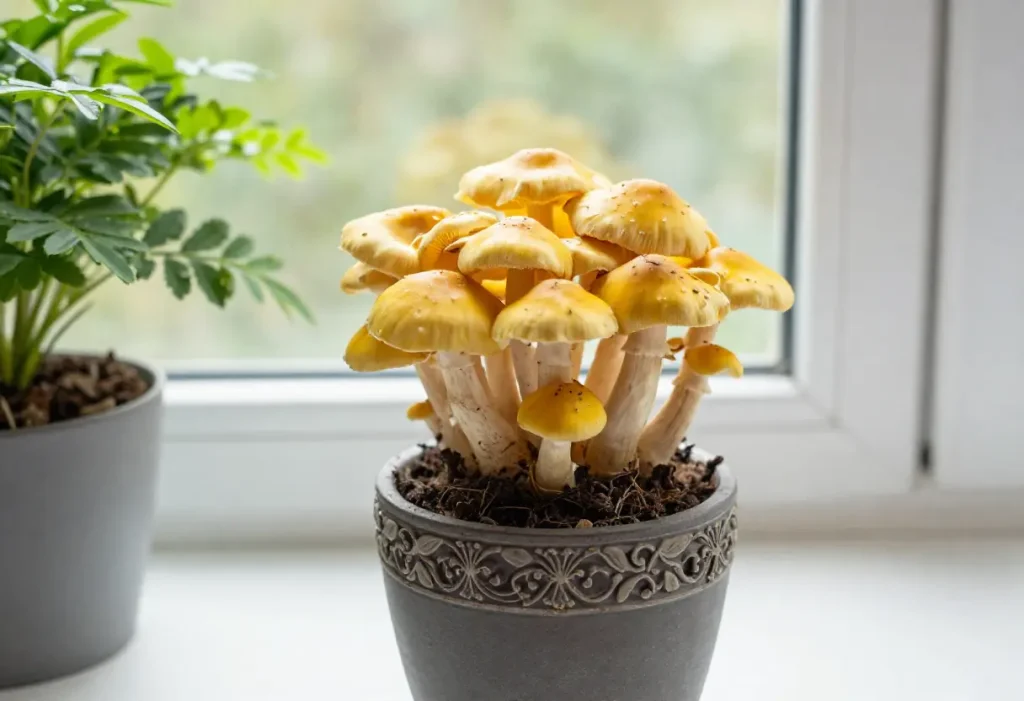
Yellow mushrooms grow due to excess moisture and organic matter in the soil.
No, yellow mushrooms do not harm plants but indicate too much dampness.
Remove mushrooms by hand and improve soil drainage to stop regrowth.
Yellow mushrooms generally do not affect indoor air but keep areas dry.
Changing soil helps if mushrooms keep growing despite drying and better drainage.
Yellow mushrooms in potted plants can be surprising to see. They often grow because of moist soil and organic matter. These mushrooms usually do not harm your plant. Still, removing them helps keep your pot clean. Make sure to water your plant properly and avoid overwatering.
Good air flow can also stop mushroom growth. Watch your plant regularly to catch any new growth early. A healthy plant grows best in the right conditions. Small changes can make a big difference in plant care. Keep learning and enjoy your green space.