Gardening Made Simple.
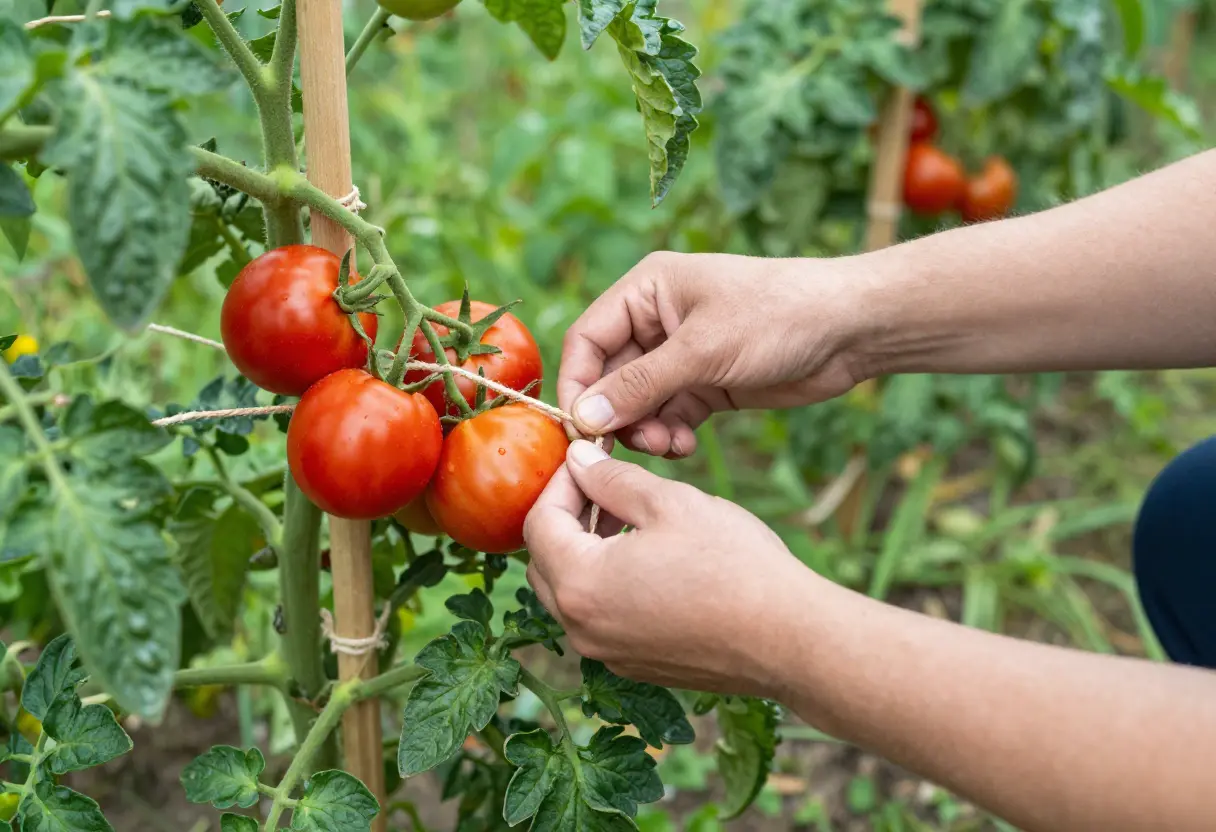
If you’re growing tomatoes, you know how exciting it is to see those first green fruits start to form. But have you ever noticed your tomato plant struggling to stand tall or the branches bending under the weight of the fruit? Properly Supporting a Tomato Plant is essential to keep stems upright, protect fruit from damage, and ensure strong, healthy growth throughout the season.
Supporting a tomato plant properly can make all the difference in the health and yield of your crop. You’ll discover simple, effective ways to keep your plants strong and thriving. By the end, you’ll feel confident that your tomatoes will grow bigger, tastier, and healthier than ever before.
Keep reading to unlock the secrets to supporting your tomato plants like a pro.
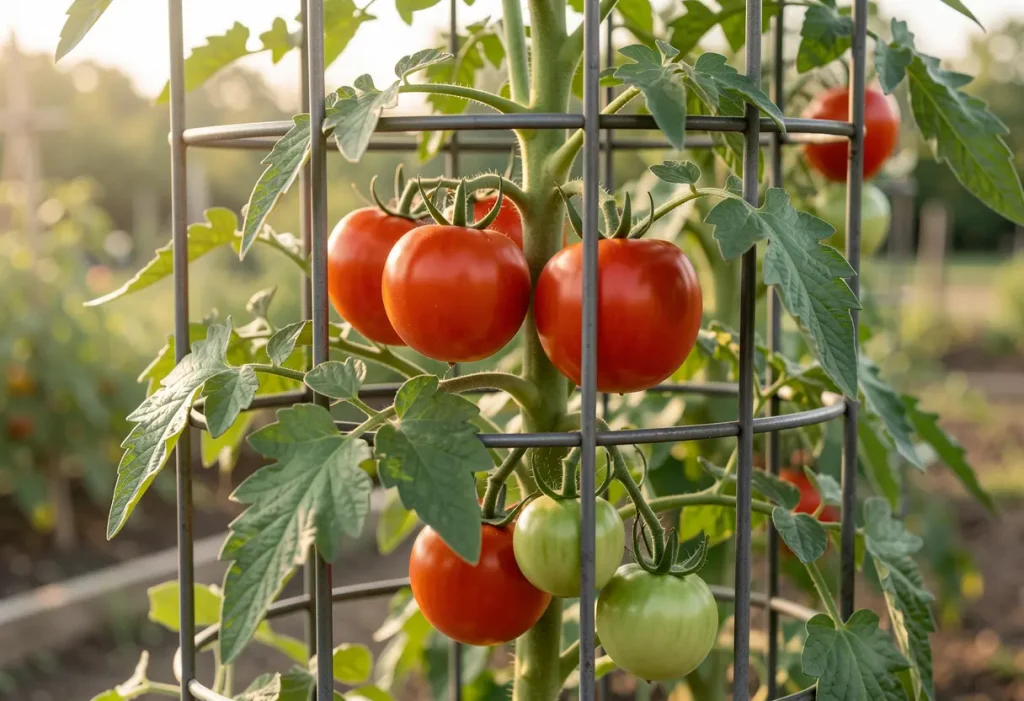
Choosing the right support for your tomato plants is key to healthy growth. The right support keeps plants upright, improves air flow, and makes harvesting easier. It also prevents fruits from touching the soil, reducing the risk of rot and pests. Different support types suit different garden spaces and plant varieties. Understanding your options helps you pick the best support for your tomato plants.
Stakes are tall, thin poles placed next to each tomato plant. You tie the plant’s main stem to the stake as it grows. Stakes save space and work well for indeterminate tomato varieties. Cages are wire frames that surround the plant. They support branches on all sides, ideal for bushy plants. Cages need more space but reduce the need for tying. Both stakes and cages keep plants off the ground but suit different garden needs.
Wooden stakes are common and easy to find. They should be strong and smooth to avoid plant damage. Metal stakes last longer and provide sturdy support. Wire cages made from galvanized steel resist rust and hold heavy branches. Plastic or bamboo stakes also work but may not last as long. Choose materials that fit your budget and garden style. Make sure supports are safe and free from sharp edges.
Install support early, right after planting or when seedlings are small. This prevents damage from adding supports later. Early support guides the plant as it grows upward. Tying plants gently to stakes or placing cages before plants get heavy reduces breakage. Check ties regularly to avoid cutting into stems. Proper timing helps plants grow strong and healthy with the right structure.
Preparing your tomato plant is key to a healthy harvest. Proper care helps the plant grow strong and produce more fruit. Start early to avoid common problems later.
Remove small shoots called suckers that grow between main stems and branches. This helps the plant focus energy on bigger branches. Cut carefully with clean scissors to avoid damage. Pruning keeps air flowing and reduces disease risks.
Guide new stems to grow upward using stakes or cages. Tie them gently with soft ties to avoid breaking. Training helps the plant stay upright and supports heavy fruit. It also makes harvesting easier and keeps fruit clean.
Young tomato plants are fragile. Handle seedlings by their leaves, not stems, to avoid injury. Water them carefully to keep soil moist but not soggy. Gentle care ensures strong roots and healthy growth.
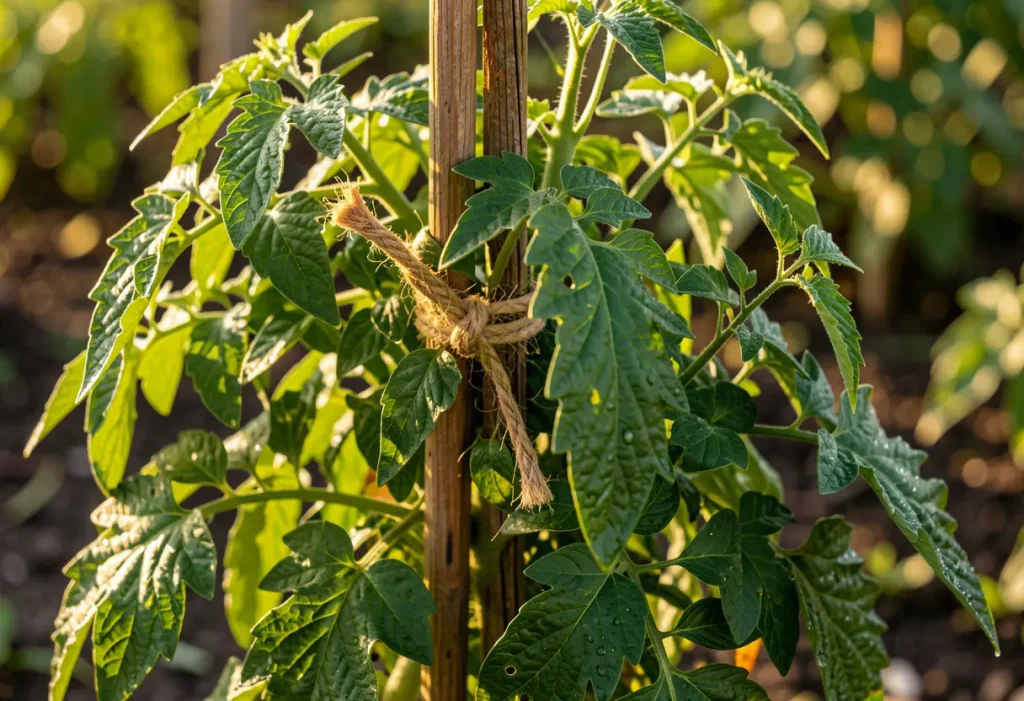
Installing supports correctly helps tomato plants grow strong and healthy. Proper support keeps the plant upright and prevents damage. It also improves air flow and sunlight exposure.
Supports must be placed carefully to avoid hurting the roots or stems. The plant will need adjustments as it grows bigger. This section explains how to place stakes and cages, secure the plant, and adjust supports over time.
Place stakes or cages early, soon after planting. Insert stakes 6 to 8 inches deep near the main stem. Avoid placing them too close to roots.
Choose sturdy stakes made of wood or metal. Cages should be tall enough to cover the entire plant. Position cages so branches fit inside without bending.
Tie the main stem gently to the stake with soft ties. Use cloth strips or garden twine to avoid cutting the plant. Attach ties loosely to allow growth.
For cages, guide branches inside and let them rest on the wires. Tie heavy branches if needed to prevent breaking. Check ties regularly to keep them loose but supportive.
Check supports weekly as the plant grows taller. Add more ties higher up the stem when needed. Move branches carefully to fit inside the cage.
Remove old ties that become too tight. Replace or strengthen stakes if they start to lean. Proper adjustments keep the plant secure and healthy throughout the season.
Maintaining plant health is key to supporting strong tomato plants. Healthy plants grow better and produce more fruit. Proper care keeps tomato plants thriving throughout the season. Understanding water, nutrients, and pest control helps plants stay vigorous and disease-free.
Tomato plants need consistent watering to stay healthy. Water deeply at the base of the plant. Avoid wetting the leaves to reduce disease risk. Water early in the day so plants dry quickly. Check soil moisture regularly; do not let it dry out.
Feed tomato plants with balanced fertilizer for steady growth. Use fertilizer rich in nitrogen, phosphorus, and potassium. Apply fertilizer every two to three weeks during growing season. Avoid over-fertilizing; it can harm plants and reduce fruit yield. Follow product instructions carefully for best results.
Inspect plants often for signs of pests or disease. Remove any damaged or infected leaves immediately. Use natural pest control methods like neem oil or insecticidal soap. Keep garden clean and remove fallen leaves. Proper spacing helps air flow and lowers disease chances.
Supporting a tomato plant properly helps it grow strong and healthy. Many gardeners make simple mistakes that hurt the plant’s growth. Avoiding these errors makes your tomato plants thrive and produce more fruit. Here are common mistakes to watch out for.
Using too many supports close together can crowd the plant. Crowded supports block sunlight and air flow. This creates a humid space that may lead to diseases. Space your supports well to give the tomato room to grow. Let the plant breathe and spread naturally.
Not all materials work well for tomato supports. Thin wires or weak sticks can break under the plant’s weight. Avoid sharp or rough materials that can cut the stem. Choose sturdy, smooth stakes or cages made for tomatoes. Good materials protect the plant and hold it firmly.
Tomato plants need frequent care. Ignoring checks can cause supports to loosen or damage the stem. Plants grow and shift; ties can become tight or too loose. Check your supports every few days. Adjust ties and stakes to keep the plant safe and stable.
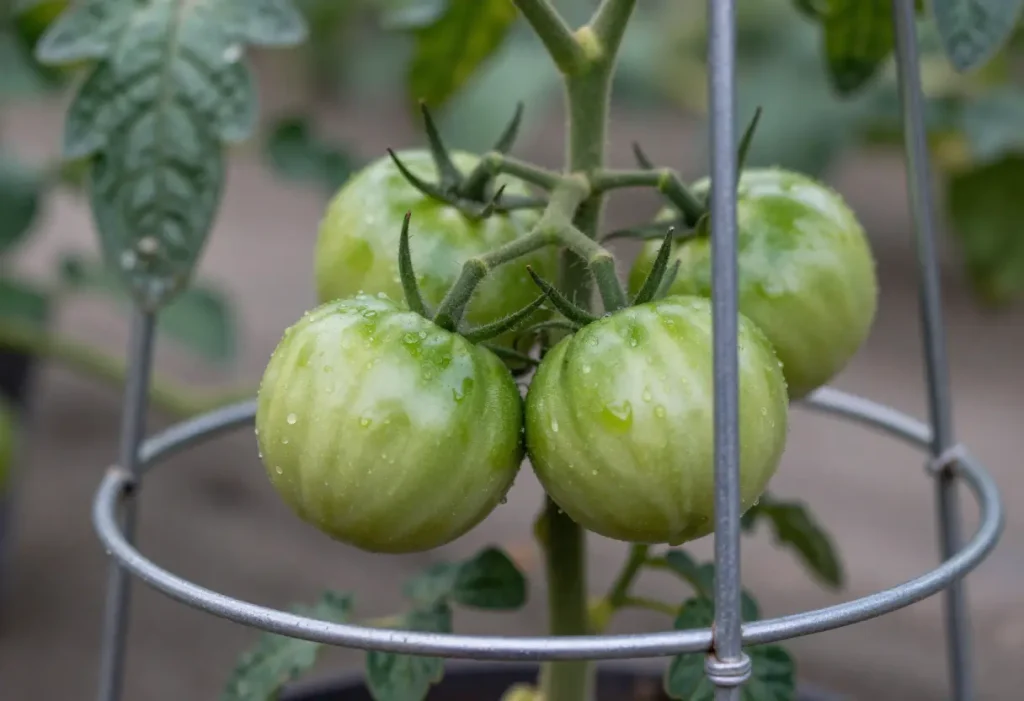
Use stakes, cages, or trellises to keep tomato plants upright and prevent damage.
Support tomato plants when they are about 6-12 inches tall to avoid stem breakage.
Wooden stakes, metal cages, and strong twine are common, effective materials for support.
Use soft ties like cloth strips or garden twine, and tie loosely around stems.
Supports keep plants off the ground, reducing disease and improving air circulation for healthy fruit.
Supporting a tomato plant helps it grow strong and healthy. Sturdy support stops stems from breaking under fruit weight. It also keeps tomatoes off the ground, reducing rot risk. Simple tools like stakes or cages work well. Regularly check ties to avoid damaging the plant.
Good support leads to better air flow and sunlight. This means bigger, tastier tomatoes for your garden. Caring for your plants with support makes gardening easier and more fun. Give your tomato plants the help they need to thrive!