Gardening Made Simple.
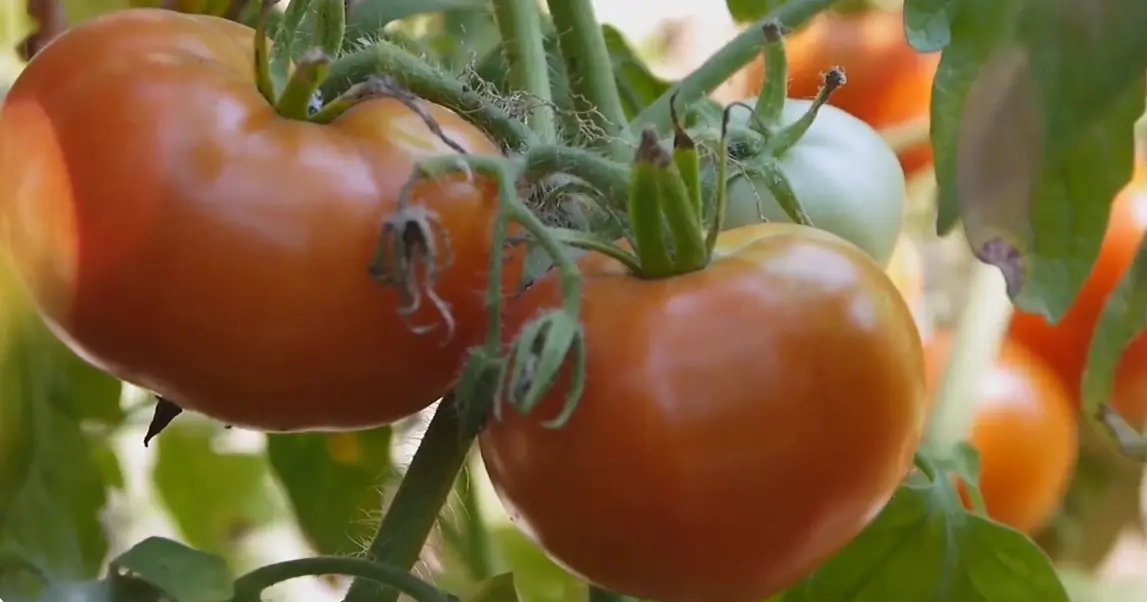
Imagine biting into a ripe, juicy tomato that you grew yourself—even if you don’t have a garden. Growing tomatoes in containers lets you enjoy fresh, flavorful fruit right on your balcony, patio, or windowsill.
If you’ve ever thought growing your own tomatoes is too hard or takes too much space, this guide is for you. You’ll discover simple tips to get started and keep your tomato plants healthy and thriving. Ready to turn your small space into a mini tomato paradise?
Let’s dive in.
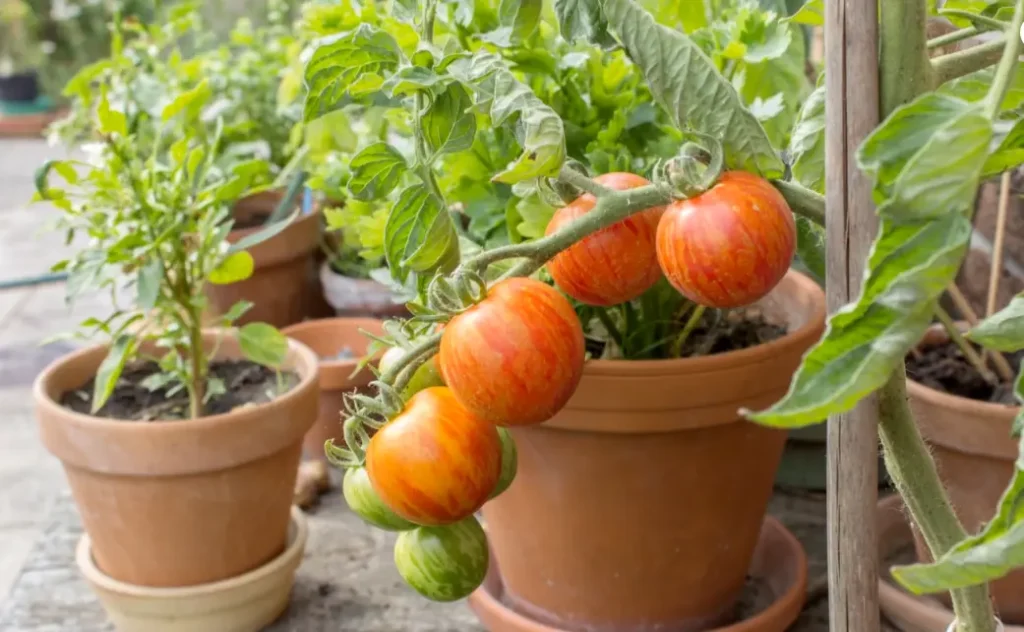
Choosing the right container is key to growing healthy tomatoes in small spaces. The container holds soil, water, and roots. It affects how well your tomato plants grow. Picking a poor container can lead to weak plants and low harvests.
Consider the size and material of the container. Also, make sure it drains well. These details help your tomato plants stay strong and productive.
Tomato plants need space for roots to spread. Choose a container at least 18 inches wide and deep. Bigger containers hold more soil and water. This helps plants grow better in hot weather.
Materials like plastic, clay, and fabric work well. Plastic containers are light and keep moisture longer. Clay pots let air flow but dry out faster. Fabric pots improve root health by letting air in.
Good drainage prevents water from sitting in the soil. Waterlogged roots can cause plant diseases. Make sure your container has holes at the bottom.
Place a layer of small stones or broken pottery under the soil. This helps water flow out easily. Check drainage holes regularly to avoid blockages. Proper drainage keeps tomato roots healthy and happy.
Picking the right tomato variety is key for container gardening success. The right type fits your space and growing style. Tomatoes differ in size, taste, and care needs. Some plants stay small, perfect for pots. Others grow large and spread out, needing more room. Understanding these differences helps your garden thrive.
Choose tomato types that stay small and compact. Determinate tomatoes are good. They grow to a certain size and stop. This makes them easy to manage in pots. Cherry and grape tomatoes also work well. They produce many small fruits and grow on small plants. Look for varieties labeled "bush" or "patio." These usually fit containers better.
Heirloom tomatoes have rich flavors and unique colors. They come from old seed varieties passed down. These plants can be less resistant to disease. They may need extra care in containers. Hybrid tomatoes are bred for strength and productivity. They resist pests and grow well in small spaces. Hybrids often produce more fruit in containers. Choose based on your taste and gardening goals.
Growing tomatoes in containers needs the right soil and fertilizer. Good soil gives roots space and air. Fertilizer feeds the plant to help it grow strong. Both soil and fertilizer affect how many tomatoes you get.
Tomatoes need soil that drains well but keeps some moisture. Use a mix of potting soil, compost, and perlite or vermiculite. This mix holds water and air. Avoid garden soil because it can be too heavy and may have pests.
Check the soil pH. Tomatoes like a pH between 6.0 and 6.8. Too acidic or too alkaline soil can stop nutrients from reaching the roots. Test kits are cheap and easy to use.
Tomato plants need nutrients to grow big and healthy. Use a balanced fertilizer with equal nitrogen, phosphorus, and potassium. Feed your plants every two weeks during the growing season.
Too much nitrogen causes leafy plants but few fruits. Too little phosphorus means weak roots and flowers. Follow the instructions on the fertilizer package. Water the plants after feeding to help nutrients reach the roots.
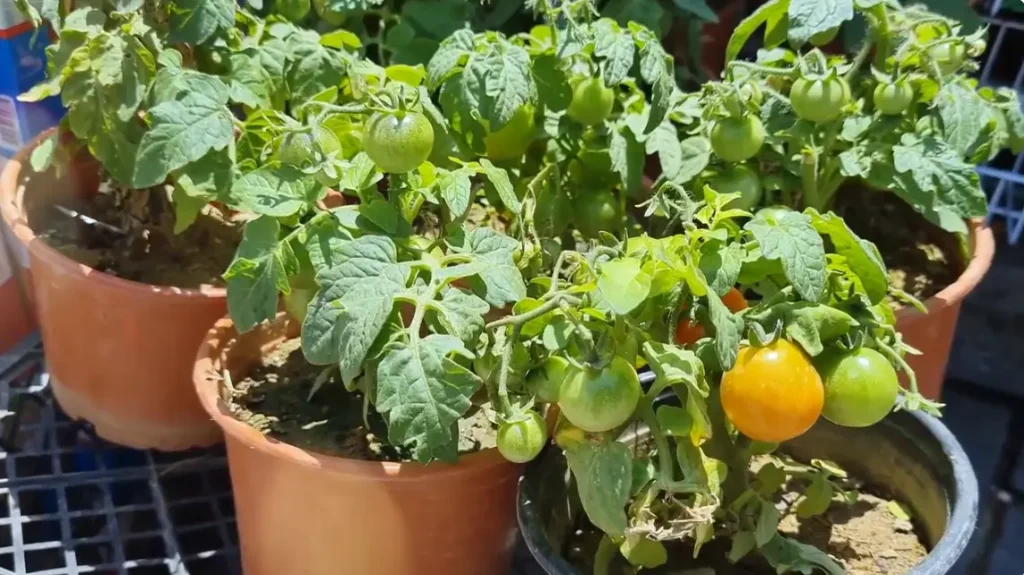
Growing tomatoes in containers requires careful planting techniques to ensure healthy plants. Proper methods help plants grow strong and produce more fruit. Understanding the right way to start and space your tomatoes is key for success.
Tomatoes can grow from seeds or seedlings. Seeds need warmth and moisture to sprout. Use a seed tray or small pots with seed-starting mix. Keep soil moist but not wet. Seedlings are young plants bought from a nursery. They give a head start and save time. Plant seedlings deep in the container, covering part of the stem. This helps build strong roots.
Tomatoes need space to grow well. Crowded plants get less air and light. This can cause disease and weak growth. Container size limits how many plants fit. Leave at least 18 inches between each tomato plant. This space lets leaves spread and air flow freely. Proper spacing helps plants stay healthy and produce more tomatoes.
Watering is a key part of growing tomatoes in containers. It keeps plants healthy and fruits juicy. Tomatoes need just the right amount of water. Too little or too much can cause problems. Follow these simple guidelines to keep your tomato plants happy.
Water tomato plants every day during hot weather. In cooler times, water every two or three days. Check soil moisture by touching it. The top inch should feel dry before watering again. Give enough water to soak the soil well. Avoid just wetting the surface. Deep watering helps roots grow strong.
Do not let the soil stay soggy. Too much water causes root rot and weak plants. Avoid watering leaves to stop diseases. Water early in the morning to reduce evaporation. Use containers with drainage holes to prevent water buildup. Consistent watering keeps tomatoes from cracking or splitting.
Tomatoes need the right sunlight and temperature to grow well in containers. These factors affect how fast plants grow and how many fruits they produce. Too little light or wrong temperatures can cause weak plants and poor fruit.
Understanding sunlight and temperature needs helps keep tomato plants healthy. It also ensures a good harvest.
Tomato plants need at least 6 to 8 hours of direct sunlight daily. More sunlight means stronger plants and better fruit. Place containers where they get full sun, like a south-facing balcony or patio.
Too little light leads to tall, spindly plants with few tomatoes. Avoid shady spots or places blocked by trees or buildings.
Tomatoes do not like very high temperatures above 85°F (29°C). Heat can cause flowers to drop and fruits to crack. Move containers to shaded areas during the hottest part of the day.
Water plants deeply and regularly to keep soil cool. Mulch the soil surface to reduce heat and retain moisture. Watch for signs of heat stress like wilting leaves or slow growth.
Supporting your tomatoes is key for a healthy harvest. Tomatoes grow fast and can become heavy. Without support, stems may break or bend. Proper support keeps plants upright and fruits off the soil. This helps prevent disease and improves air flow.
Stakes are simple wooden or metal poles. Place a stake next to each tomato plant. Tie the main stem gently to the stake with soft ties. This stops plants from falling over. Tomato cages are wire frames placed around the plant. They support branches and keep fruit off the ground. Cages work well for bushier tomato varieties.
Pruning means removing extra leaves and shoots. Cut small side shoots that grow between main stem and branches. This helps the plant focus on growing fruit. Remove yellow or dead leaves to prevent disease. Pruning allows sunlight to reach all parts of the plant. It also improves air circulation around the tomatoes.
Growing tomatoes in containers can bring great joy and fresh produce. Yet, pests and diseases can harm your plants quickly. Knowing how to spot and handle these problems helps your tomatoes stay healthy. Acting early prevents damage and loss of fruits. Using safe and natural methods protects your garden and the environment.
Tomatoes in containers often face pests like aphids, whiteflies, and spider mites. These tiny insects suck sap and weaken plants. Fungal diseases like powdery mildew and blight can also appear. Poor air circulation and too much moisture cause these problems. Containers may dry out faster, stressing plants and making them more vulnerable.
Use insecticidal soap or neem oil to control pests gently. Spray leaves early in the morning for best results. Remove affected leaves to stop disease spread. Plant herbs like basil or marigold nearby to repel insects naturally. Ensure good airflow by spacing containers apart. Water plants at the base, avoiding wet leaves to reduce fungus risk.
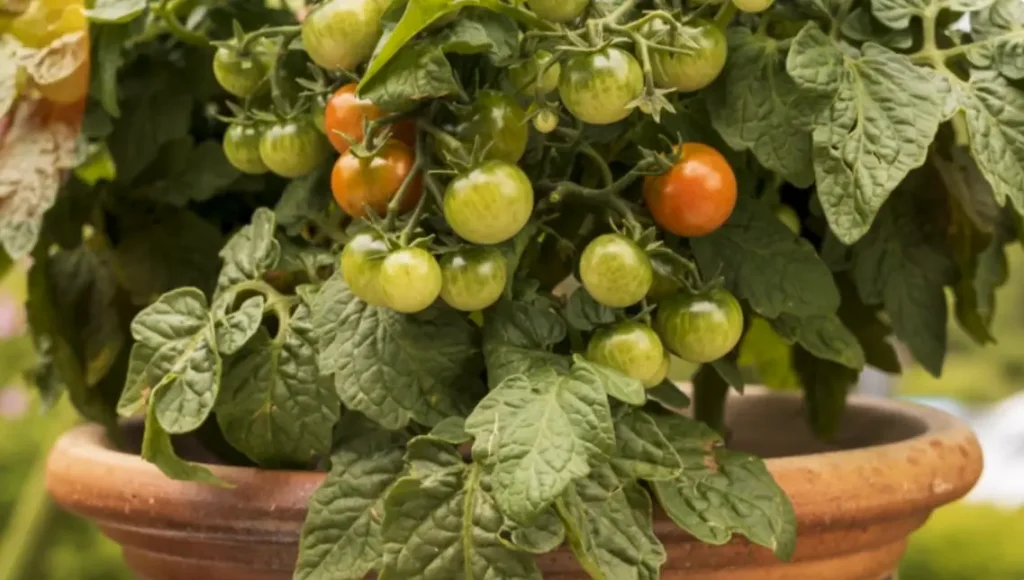
Harvesting tomatoes at the right time is key to enjoying their full flavor. Tomatoes keep developing sugars and acids until they are ripe. Picking them too early can mean less taste and firmness. Waiting too long might cause them to become soft or rot. Knowing the best moment to pick helps you enjoy fresh, tasty tomatoes straight from your container garden.
Tomatoes are ready to pick when they have a deep, even color. The fruit should feel firm but slightly soft when gently squeezed. Avoid picking green tomatoes unless you plan to ripen them indoors. Check them daily as tomatoes can ripen quickly. Harvest in the morning for the best flavor and texture.
Store tomatoes at room temperature, away from direct sunlight. Cold temperatures can change their texture and reduce flavor. Keep them stem side down on a flat surface to avoid bruising. Use ripe tomatoes within a few days for the best taste. If needed, place them in a paper bag to speed up ripening.
Choose containers at least 18 inches wide and deep for healthy tomato roots.
Water tomato plants daily or when the top inch of soil feels dry.
Cherry, patio, and bush tomatoes work best for container gardening.
Tomatoes need 6 to 8 hours of direct sunlight every day.
Use well-draining, nutrient-rich potting soil to help tomatoes grow strong.
Growing tomatoes in containers makes gardening easy and fun. You can start with small pots and move to bigger ones as plants grow. Choose good soil and water regularly for healthy plants. Sunlight is key; place containers where they get enough light.
Watch for pests and remove them quickly. Harvest tomatoes when they turn red and enjoy fresh flavors. Container gardening fits any space, even small balconies. Try it today and enjoy homegrown tomatoes with little effort. Simple steps bring tasty results.
Your garden, your way.