Gardening Made Simple.

Have you ever thought about growing your own mushrooms right at home? Imagine harvesting fresh, tasty mushrooms straight from logs in your garden. Growing Mushrooms on Logs is a simple and rewarding way to produce your own fungi, even in small spaces. With the right techniques and a little patience, you can enjoy a steady supply of healthy, delicious mushrooms right from your backyard.
It’s easier than you might think, and it can save you money while giving you a fun, rewarding hobby. You’ll discover simple steps to start growing mushrooms on logs, tips to keep them healthy, and how to enjoy a steady supply of these delicious fungi.
Keep reading, and you’ll be surprised at how quickly you can turn ordinary logs into a mushroom-growing machine!
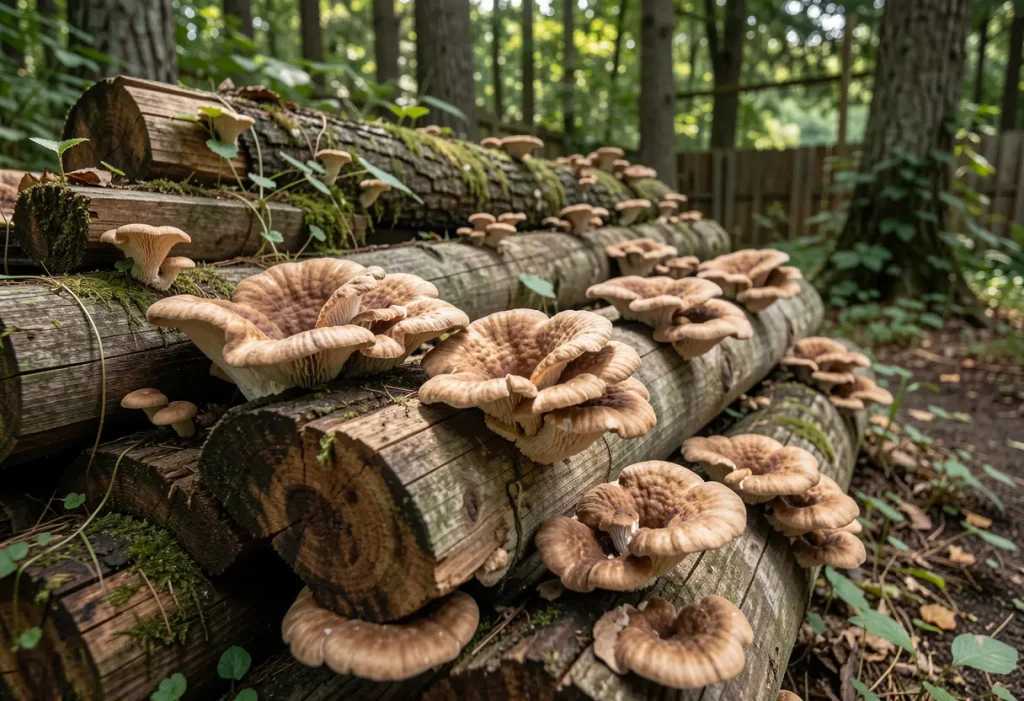
Choosing the right logs is key to growing healthy mushrooms. Not all logs support mushroom growth well. The type of wood, size, and how fresh the logs are matter a lot. These factors affect mushroom yield and growth speed. Understanding these points helps you get better results.
Hardwood trees work best for mushroom logs. Oak, maple, and beech are top choices. They have dense wood that holds moisture well. Softwoods like pine or cedar are not ideal. They contain resins that slow mushroom growth. Select trees without disease or rot for healthy logs.
Logs should be about 3 to 8 inches thick. Thinner logs dry out too fast. Thicker logs take longer to colonize. Length should be 3 to 4 feet for easy handling. This size keeps moisture inside and supports mushroom roots. Avoid logs with cracks or splits.
Cut logs within two weeks before inoculating. Fresh logs have more nutrients and moisture. Older logs lose moisture and become harder for mushrooms. Avoid logs from trees cut in winter. Spring or summer cuts have higher success rates. Store logs in shade and keep them moist until use.
Selecting the right mushroom types is key to a successful log-growing project. The choice affects how well mushrooms grow and how soon you can harvest. Different mushrooms have unique needs and characteristics. Understanding these helps you pick varieties that suit your environment and goals.
Oyster mushrooms are easy to grow and taste great. Shiitake mushrooms are famous for their rich flavor. Lion’s mane is unique with its texture and health benefits. Each type offers something different for your garden or kitchen.
Mushrooms need specific temperatures and humidity to grow well. Shiitake prefers cooler, moist climates. Oyster mushrooms thrive in warmer and humid places. Check your local climate and choose mushrooms that match it. This step saves time and effort later.
Some mushrooms grow fast, others take longer. Oyster mushrooms can fruit in just a few months. Shiitake usually takes 6 to 12 months to start producing. Faster growth means quicker harvests, but slower types might give better flavor. Decide what works best for your patience and schedule.
Preparing logs for mushroom inoculation is a key step in growing healthy mushrooms. Proper preparation helps the spores grow well inside the wood. This process includes cutting logs, drilling holes, sterilizing, and using the right tools. Each step supports strong mushroom growth and better yields.
Choose fresh logs from healthy trees. Cut them into 3 to 4 feet pieces. Use a sharp saw for clean cuts. Drill holes 1 inch deep, spaced 6 inches apart. Make rows along the log, about 2 inches wide. These holes hold the mushroom spawn well.
Clean the logs to reduce unwanted fungi. Sun-dry the logs for several hours. This lowers moisture and kills some germs. Avoid using chemicals that harm mushrooms. Natural drying is simple and effective for beginners.
Use a clean drill with a sharp bit. A spawn inoculation tool or funnel helps insert spawn. Wear gloves to keep everything clean. A rubber mallet can tap spawn plugs into the holes. Proper tools speed up the process and protect the spawn.
Inoculating logs is the first step to growing mushrooms outdoors. This process introduces mushroom spawn into fresh wood. The spawn will grow inside the log, creating mushrooms over time. Proper inoculation sets the foundation for a healthy crop. It requires careful work to ensure the spawn takes hold well.
Each step in inoculation affects the mushroom yield. Precise application of spawn and sealing inoculation sites protect the growing mycelium. Maintaining the right conditions helps the spawn colonize the wood fast. Follow these steps to increase your chances of success.
Start by drilling holes into the log. Space holes evenly along the length of the log. Insert spawn into each hole using a small tool or your fingers. Use plug spawn or sawdust spawn depending on your mushroom type. Tap the spawn gently to fit it deep inside the holes.
Fill all holes carefully. Cover each hole with a small amount of sawdust or wax to keep the spawn moist. This step helps the mycelium grow inside the log better.
Seal the holes to protect the spawn from drying out. Use melted wax, cheese wax, or paraffin wax for sealing. Apply the wax over the hole immediately after placing the spawn. This prevents contamination and keeps moisture in.
Make sure the wax forms a tight seal. Avoid gaps or cracks that allow air or pests inside. Proper sealing creates a safe environment for mycelium growth.
Store inoculated logs in a shaded, humid place. Avoid direct sunlight that can dry the logs. Keep logs off the ground to reduce pests and rot. Water logs regularly to maintain moisture but do not soak them.
Ideal temperature ranges between 55 and 75 degrees Fahrenheit. This range supports mycelium growth. Check logs often and protect them from harsh weather. Good conditions speed up mushroom production.
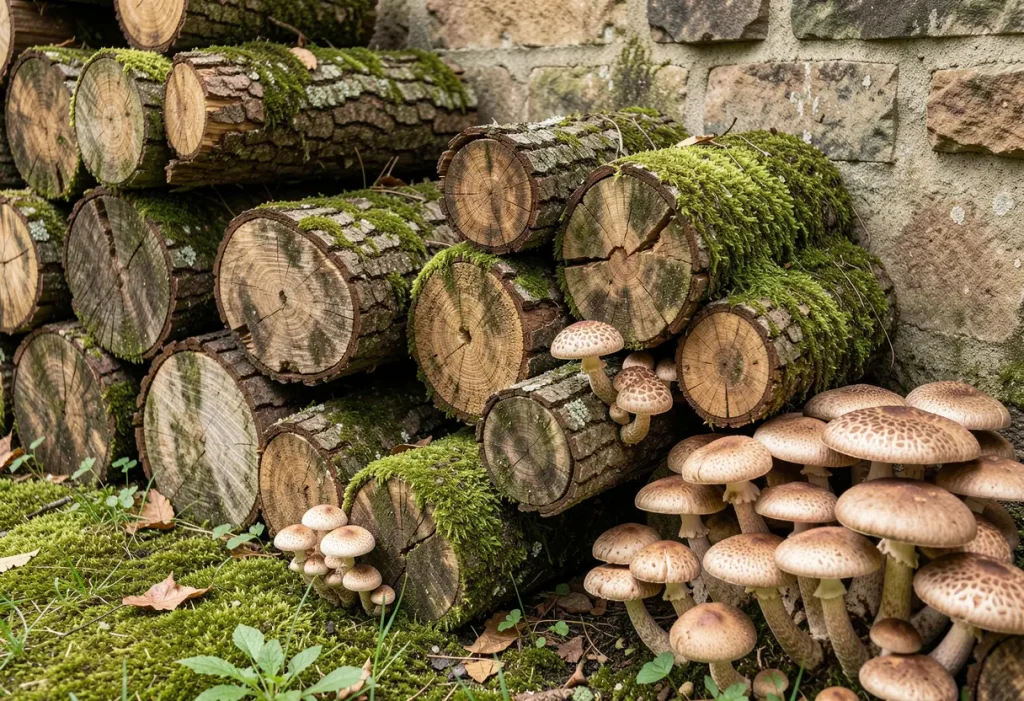
Caring for mushroom logs is key to a healthy harvest. These logs need the right conditions to grow mushrooms well. Simple steps help keep logs moist and safe. Good care means more mushrooms and less trouble.
Mushroom logs must stay damp but not soaked. Check logs often for dryness. Water them gently with a spray or light sprinkle. Wet logs help mushroom mycelium spread inside. Too much water can cause rot. Keep logs moist especially during dry days.
Mushrooms like cool and shady spots. Place logs away from direct sunlight. Too much sun dries out logs quickly. Ideal temperature for most mushrooms is 55 to 75 degrees Fahrenheit. Shade helps keep temperature steady. Cool places slow drying and support growth.
Watch logs for insects and mold. Some bugs eat mushroom mycelium or mushrooms. Remove visible pests by hand or use safe sprays. Clean fallen leaves or debris around logs. This reduces mold and unwanted pests. Healthy logs grow better mushrooms.
Harvesting mushrooms is a key step in growing mushrooms on logs. It needs attention and care. Picking mushrooms at the right time ensures good taste and quality.
Knowing when to harvest helps avoid overripe or spoiled mushrooms. Using correct methods protects the log and future growth. After picking, proper care keeps mushrooms fresh longer.
Look for caps that have fully opened but not flattened. Edges may start to curl slightly upward. The color should be rich and vibrant, not dull.
Mushrooms often have a strong, fresh smell when ready. The gills under the cap are visible but not too dark. Size depends on the mushroom type but should be consistent.
Use a sharp knife or twist the mushroom gently. Cut at the base to avoid damaging the log. Avoid pulling, which can harm the mycelium inside the wood.
Harvest carefully to prevent dirt or bugs from getting on the mushrooms. Clean hands or tools reduce the risk of contamination. Collect mushrooms in a basket or paper bag for breathability.
Store mushrooms in a cool, dry place soon after picking. Avoid plastic bags that trap moisture and cause spoilage. Use paper bags or cloth to keep mushrooms fresh longer.
Clean mushrooms with a soft brush or damp cloth before cooking. Do not soak them in water to prevent sogginess. Use mushrooms within a few days for best flavor and texture.
Mushroom cultivation on logs can face some common problems. These issues may slow down growth or ruin your crop. Recognizing and fixing these problems early improves your chances of success.
Understanding typical challenges helps you keep your logs healthy. You can adjust conditions and methods for better results. Below are common issues and easy ways to solve them.
Slow mushroom growth often means the conditions are not ideal. Logs may be too dry or too cold. Mushrooms need moisture and warmth to grow fast. Check if the logs stay damp but not soaking wet. Place the logs where they get indirect sunlight. Avoid very cold spots or extreme heat. Patience is also important. Some mushrooms take months to grow fully.
Contamination happens when unwanted fungi or bacteria take over the logs. This can stop mushroom growth or cause bad smells. Clean tools and fresh logs lower contamination risks. Use proper spawn and seal holes well. If you see mold or strange colors, remove the affected area quickly. Avoid handling logs with dirty hands. Keeping a clean workspace helps prevent contamination.
Weather and surroundings affect mushroom growth a lot. Too much rain can drown the logs and cause rot. Too little rain makes the logs dry and slow growth. Wind can dry logs quickly, so protect them with a windbreak. Also, check for pests like insects or animals that eat mushrooms. Adjust the log location or use natural barriers to protect them. Balance sunlight, moisture, and air for the best environment.
Extending the productivity of mushroom-growing logs saves time and resources. Healthy logs can produce mushrooms for several years with care. Proper techniques help maintain the log’s ability to grow fungi. These methods keep your log fertile and fruitful.
Resting periods allow the log to recover after mushroom harvest. Logs need time to rebuild nutrients and moisture. Avoid harvesting mushrooms continuously without breaks. A rest of 6 to 12 months is ideal. During rest, keep logs in a shady, moist place. This helps the mycelium grow inside the wood.
Re-inoculation adds fresh mushroom spores to tired logs. Drill new holes into the log surface. Insert spawn plugs or sawdust spawn into the holes. Seal with wax to protect against contamination. This method boosts mushroom production for a new cycle. Use fresh, healthy spawn for best results.
Proper storage keeps logs healthy between uses. Store logs in a cool, shaded, and humid area. Avoid direct sunlight or dry conditions that dry out the wood. Stack logs off the ground to prevent rot and pests. Cover logs with a breathable cloth if needed. Maintain moisture by misting the logs regularly.
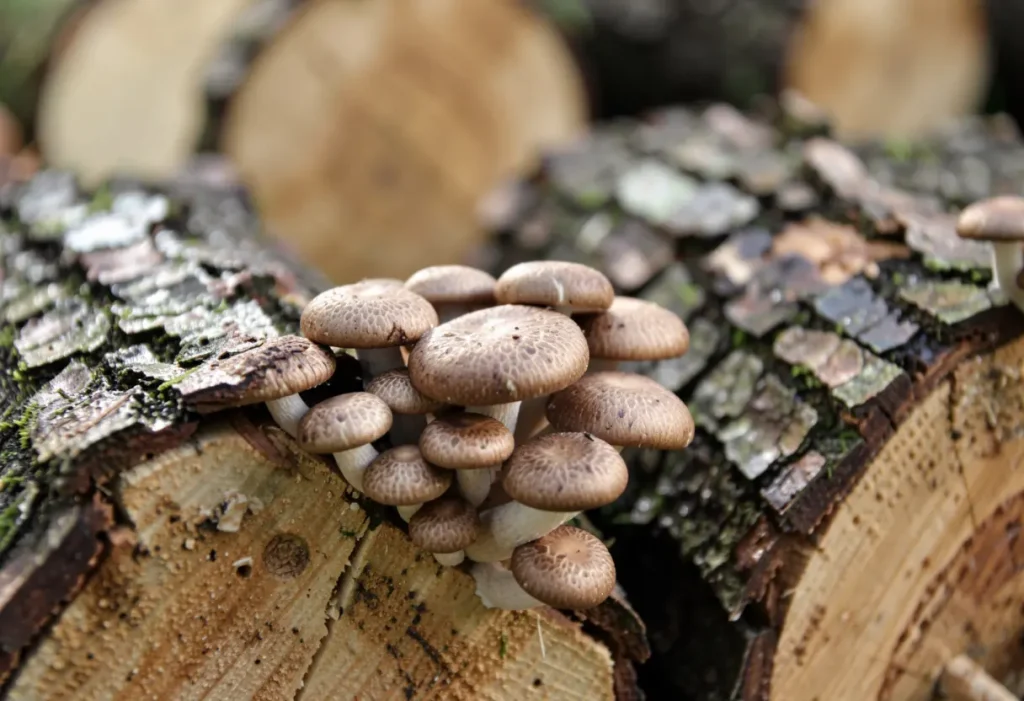
Hardwood logs like oak, maple, and beech work best for mushroom growth.
Mushrooms usually start growing 6 to 12 months after inoculating the logs.
Cut fresh logs, drill holes, insert mushroom spawn, and seal with wax.
Mushrooms grow well outdoors in shaded, moist areas but can grow indoors too.
Keep logs moist by watering them 2 to 3 times a week, especially in dry weather.
Growing mushrooms on logs offers a simple way to enjoy fresh fungi at home. It takes patience but brings good rewards. You only need a few supplies and some space outside. Logs provide a natural place for mushrooms to grow strong.
Keep them moist and watch for growth over months. This method suits gardeners and nature lovers alike. Try it yourself and enjoy healthy, tasty mushrooms straight from your yard. Small effort, steady care, and nature’s help make it possible. Give it a shot and see your mushrooms flourish.