Gardening Made Simple.
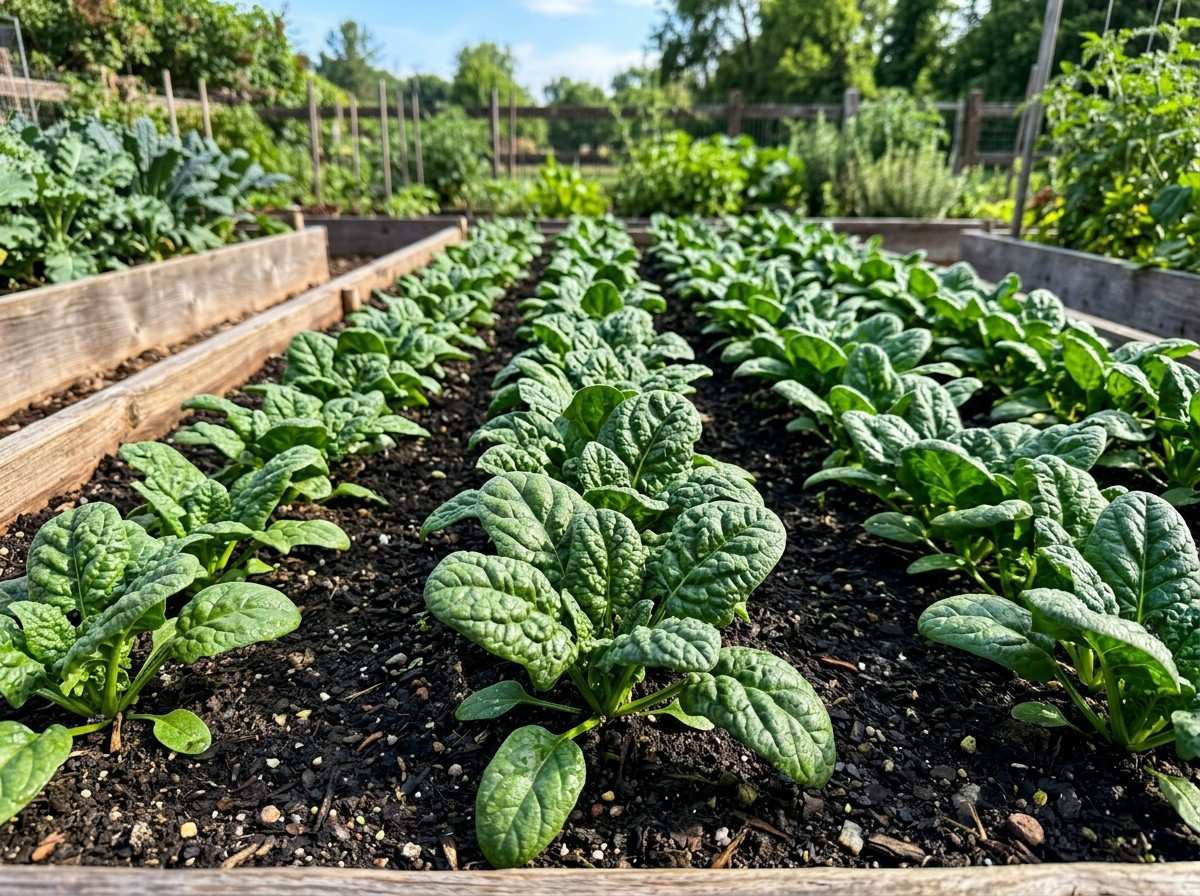
If you love fresh, nutritious greens, Bloomsdale Long Standing Spinach is something you need to know about. This classic variety has been a favorite for gardeners and cooks alike, thanks to its rich flavor and hardy nature.
Imagine picking vibrant, tender leaves right from your garden that stay fresh longer than most spinach types. You'll discover why Bloomsdale Long Standing Spinach could be the perfect addition to your garden and your meals. Ready to grow spinach that tastes amazing and lasts?
Keep reading to find out how.
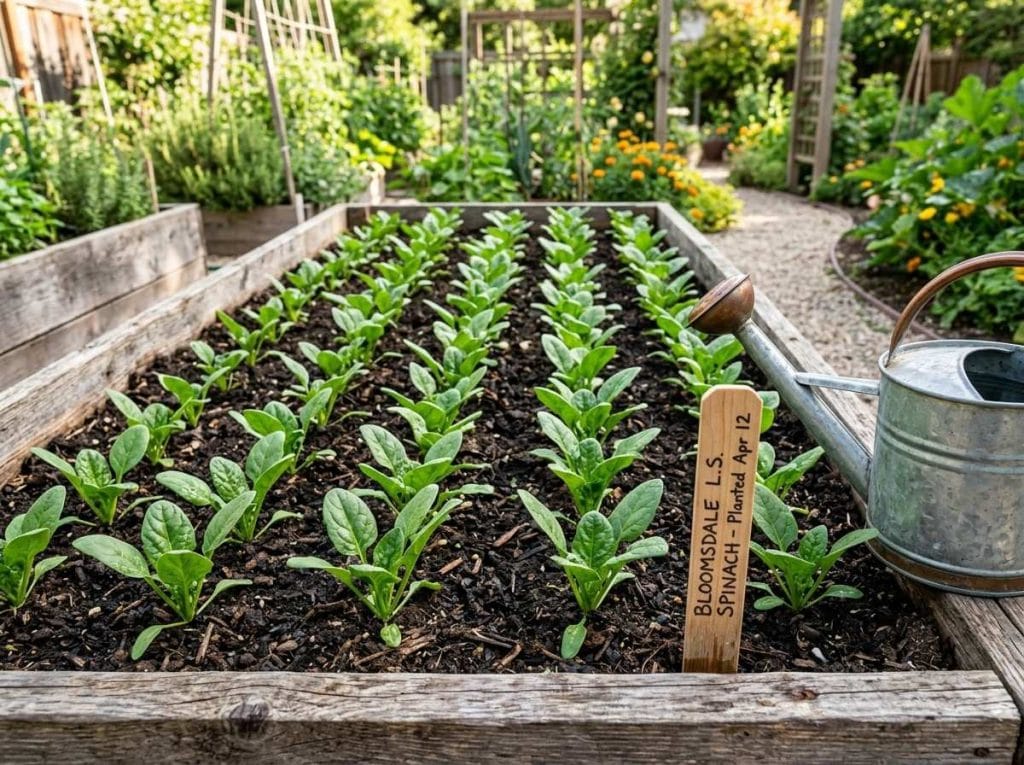
Bloomsdale Long Standing Spinach is a popular choice for many gardeners. It has unique traits that make it stand out. These traits help it grow well and taste great. Understanding these characteristics can help you grow healthier spinach plants.
This variety is known for its strong leaves and long-lasting growth. It adapts well to different weather conditions. Many people prefer it for fresh salads or cooked dishes. Let's explore its key traits.
Bloomsdale spinach has thick, dark green leaves. The leaves are crinkled and slightly curled at the edges. This texture makes the leaves sturdy and less likely to tear. The shape is oval to heart-like, perfect for holding dressings or sauces. These leaves stay fresh longer than smooth-leaf spinach varieties.
This spinach grows in a compact, bushy form. It produces many leaves from a central base. The plant grows quickly and can be harvested multiple times. Bloomsdale resists bolting, so it lasts longer in warm weather. Its strong roots help it survive in different soils and climates.
Bloomsdale spinach has a rich, slightly sweet taste. The flavor is mild but more intense than baby spinach. It has a fresh, green taste with a hint of earthiness. This makes it perfect for both raw and cooked dishes. Its flavor stays strong even after cooking.
Planting Bloomsdale Long Standing Spinach correctly ensures a healthy, tasty harvest. Follow these simple tips for the best results. Healthy soil and proper timing help plants grow strong. Seed placement affects how well the spinach develops.
Choose soil that drains well but holds some moisture. Loamy soil with good organic matter is ideal. Avoid heavy clay or sandy soils. Spinach prefers soil with a pH between 6.0 and 7.5. Rich, fertile soil helps leaves grow large and tender.
Plant seeds in early spring or late summer. Spinach grows best in cool weather. Soil temperature should be around 45°F to 75°F. Avoid planting during hot summer months. Cooler seasons help leaves stay fresh and sweet.
Plant seeds about 1/2 inch deep in the soil. Space seeds 2 inches apart for best growth. Thin seedlings to 4-6 inches apart once they sprout. Proper spacing lets air flow and reduces disease risk. Crowded plants may grow small or wilt.
Bloomsdale Long Standing Spinach is a hardy and delicious leafy green. It needs steady care for best growth. Small efforts bring rich harvests and fresh leaves. Understanding its needs helps you grow healthy plants.
Regular care keeps the spinach strong and productive. Follow simple steps for watering, feeding, and pest control. These tasks protect your plants and improve leaf quality.
Spinach likes moist soil but not soggy. Water the plants deeply once or twice a week. Increase watering during hot and dry days. Avoid wetting leaves to prevent diseases. Mulch helps keep soil moist longer.
Spinach grows well with balanced fertilizer. Use a nitrogen-rich fertilizer to boost leaf growth. Apply fertilizer every three to four weeks. Too much fertilizer can harm the plant. Organic compost is also great for feeding.
Check plants often for pests like aphids and leaf miners. Remove affected leaves quickly to stop spread. Use natural pest control methods for safety. Avoid overwatering to reduce fungal diseases. Keep the garden clean and free of debris.
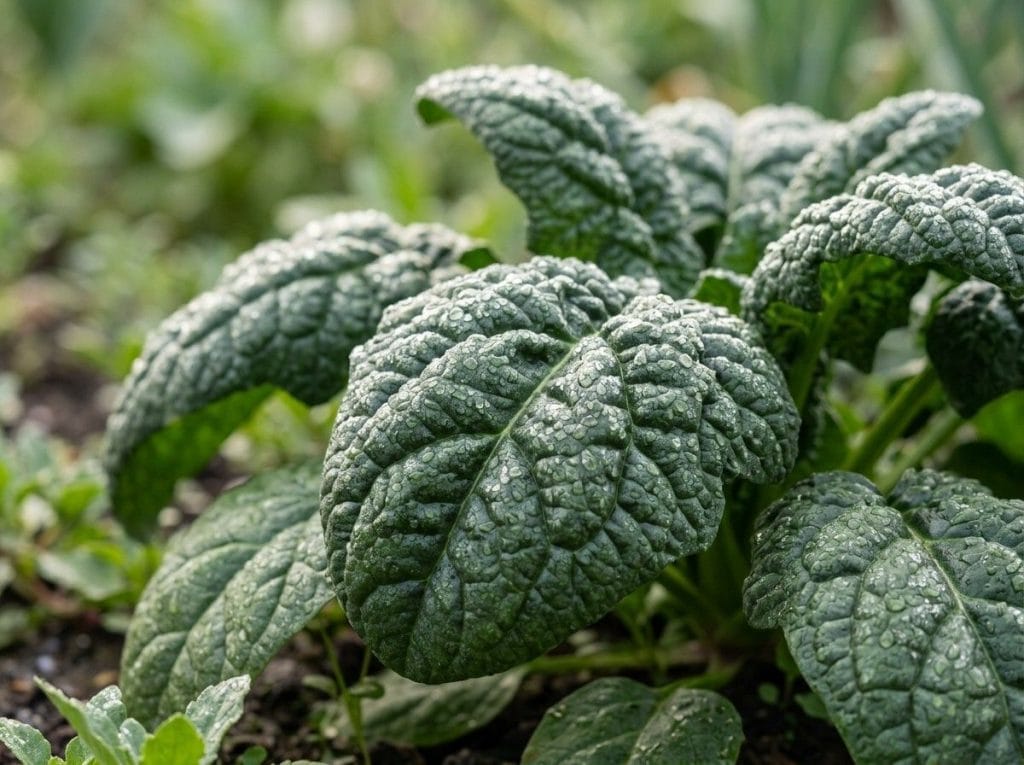
Harvesting Bloomsdale Long Standing Spinach is an important step to enjoy fresh, tender leaves. Knowing the right time and method helps keep the plant healthy and productive. Proper care after picking ensures the spinach stays fresh and tasty for your meals.
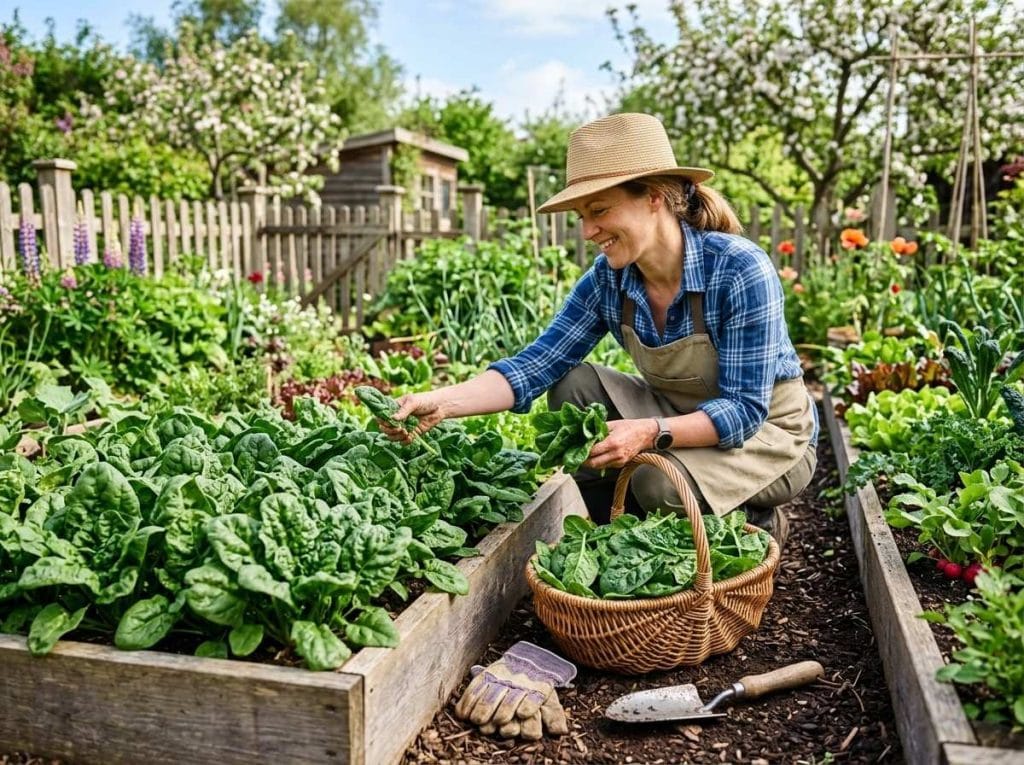
Harvest Bloomsdale spinach when leaves reach 4 to 6 inches long. This size means leaves are tender and full of nutrients. Pick leaves before they become tough or start to yellow. Early morning harvest is best for freshness and flavor.
Use clean scissors or garden shears to cut leaves. Cut outer leaves first, leaving the inner ones to grow. Avoid pulling the whole plant to allow continuous growth. Handle leaves gently to prevent bruising.
Rinse leaves in cool water to remove dirt and bugs. Dry spinach using a salad spinner or clean towel. Store in a perforated plastic bag in the fridge. Use spinach within a week for the best taste and nutrition.
Growing Bloomsdale Long Standing Spinach can be rewarding but comes with challenges. These issues affect the plant’s health and leaf quality. Knowing how to handle them helps maintain a good harvest. Below are some common problems and ways to manage them.
Bolting happens when spinach grows flowers too soon. Hot weather often causes this. Bolting makes leaves bitter and tough. To delay bolting, plant spinach early in spring or late in summer. Keep the soil moist and use shade cloth during hot days. Harvest leaves quickly once you see flower stalks forming.
Yellow leaves signal nutrient issues or disease. Lack of nitrogen often causes yellowing. Use balanced fertilizer to feed the soil well. Avoid overwatering, as soggy soil harms roots. Remove yellow leaves fast to stop disease spread. Regularly check plants for signs of stress or pests.
Common pests include aphids, leaf miners, and slugs. Aphids suck sap and weaken plants. Spray mild soap water to remove them. Leaf miners create tunnels inside leaves. Remove affected leaves to control them. Slugs eat holes in leaves. Use barriers or organic slug bait to protect spinach.
Bloomsdale Long Standing Spinach is a versatile leafy green. It works well in many dishes and cooking styles. Its rich flavor and tender texture make it a favorite in kitchens. Knowing how to use and store it keeps it fresh and tasty.
Eat Bloomsdale spinach raw for a fresh taste. Add it to salads for color and crunch. Use young leaves in sandwiches and wraps. Blend it in smoothies for a healthy boost. Fresh spinach brightens up any meal.
Sauté Bloomsdale spinach with garlic and olive oil. Cook it lightly to keep its nutrients. Stir it into soups and stews for extra greens. Steam the leaves for a soft, mild flavor. Avoid overcooking to prevent bitterness.
Keep spinach in a cool, dry place. Store it in a perforated plastic bag. Use within a few days for best taste. Wash leaves just before cooking or eating. Proper storage helps maintain freshness and texture.
Bloomsdale Long Standing spinach is a popular choice for home gardeners. It grows well in cooler weather and has rich, tender leaves. Many gardeners want to know about other types of spinach and alternatives that can grow in similar conditions. Exploring different varieties helps you find the best one for your garden and taste.
Several spinach types share traits with Bloomsdale Long Standing. For example, Giant Noble has large, smooth leaves and grows in cool weather. Tyee is another variety that resists heat and bolt better than others. Both types provide dark green, flavorful leaves for fresh salads and cooking.
Hybrid spinach varieties combine traits from different types to improve growth and flavor. Space is a hybrid that grows fast and resists disease. Melody is known for its smooth leaves and good taste. Hybrids often give stronger plants and longer harvest seasons.
Think about your local climate and soil before picking spinach. Bloomsdale Long Standing works well in cold weather. For warmer areas, hybrids like Tyee or Melody might suit better. Consider leaf texture, taste, and how long you want to harvest. Testing a few types helps find the perfect fit.
Bloomsdale Long Standing Spinach is a popular, hardy leafy green with curly, dark green leaves.
Plant in cool weather, well-drained soil, and provide regular watering for best growth.
It usually takes about 40 to 50 days from planting to harvest.
Yes, it resists bolting longer than other spinach types in warm weather.
It is rich in vitamins A, C, iron, and fiber, supporting overall health.
Bloomsdale Long Standing Spinach grows well in many gardens. It stays fresh and tasty for a long time. This spinach has dark, curly leaves that are full of flavor. It is easy to plant and care for. You can use it in salads, soups, or cooked dishes.
Many gardeners like it for its strong growth and good taste. Try adding Bloomsdale spinach to your garden for healthy, fresh greens. It will bring color and nutrition to your meals all season. A simple choice with great results.