Gardening Made Simple.
Are you looking to add a fresh, nutritious green to your garden that thrives even in hot weather? Growing Malabar spinach could be the perfect choice for you.
This vibrant, fast-growing vine not only adds a unique touch to your meals but also offers a bounty of health benefits. Imagine picking your own leafy greens right from your backyard, bursting with flavor and packed with vitamins. You’ll discover simple tips and tricks to grow Malabar spinach successfully, no matter your gardening experience.
Get ready to transform your garden and your meals with this easy-to-grow, delicious plant!
Choosing the right variety of Malabar spinach is important for a healthy garden. Different types have unique traits. These traits affect growth, taste, and how well the plant fits your space. Knowing the popular types helps you pick the best one.
Malabar spinach comes mainly in two colors: green and red. The green variety has bright green leaves. It grows fast and tastes mild. The red variety has deep red stems and dark green leaves with red veins. It has a slightly stronger flavor. Both types climb well and produce lots of leaves.
Some gardeners prefer the green type for salads and cooking. Others like the red type for its color and taste in dishes. Both types are rich in vitamins and easy to grow.
Malabar spinach likes warm weather and full sun. The green variety grows well in hot, humid climates. It handles heat better than many leafy greens. The red variety also loves warmth but can tolerate slightly cooler temperatures.
Space is key. The green type can grow large and spread wide. It needs room to climb on trellises or fences. The red type tends to stay a bit smaller. It works well in smaller gardens or containers.
Choose a variety that fits your climate and space. This helps your plants grow strong and produce plenty of leaves.
Preparing the planting site is a key step for growing healthy Malabar spinach. This plant needs the right conditions to thrive. Careful site preparation helps the plant grow strong and produce plenty of leaves. Focus on soil, sunlight, and temperature for the best results.
Malabar spinach grows best in rich, well-drained soil. The soil should have plenty of organic matter. Compost or aged manure works well. The soil pH should be between 6.5 and 7.5. Avoid heavy clay soil that holds too much water. Good drainage prevents root problems and helps the plant stay healthy.
This plant loves warm weather and bright light. It needs at least 6 hours of sunlight each day. Partial shade works in very hot climates. Temperatures between 70°F and 85°F are ideal. Malabar spinach does not grow well in cold or frost. Choose a spot that stays warm and sunny for best growth.
Growing Malabar spinach starts with good planting methods. Proper planting helps the plant grow strong and healthy. This leafy green thrives in warm weather and needs care from the start. Follow these simple steps to plant Malabar spinach successfully.
Begin by soaking seeds in warm water for 24 hours. This softens the seed coat and helps sprouting. Sow seeds about half an inch deep in seed trays or pots. Keep the soil moist but not soggy. Place the trays in a warm spot with indirect light. Germination usually takes 7 to 14 days. Transplant seedlings after they develop two to three true leaves.
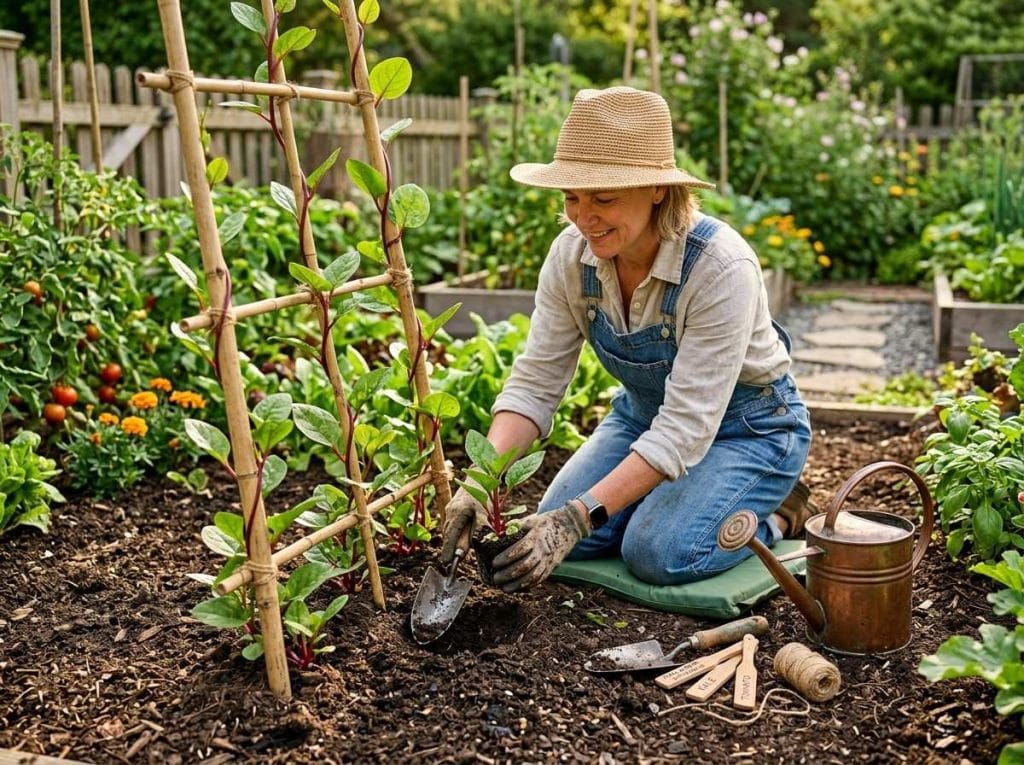
Choose a sunny spot with well-drained soil for transplanting. Harden off seedlings by placing them outside for a few hours daily. This helps them adjust to outdoor conditions. Dig holes twice the size of the seedling root ball. Gently remove seedlings from trays and place them in holes. Cover roots with soil and press lightly. Water immediately to reduce transplant shock.
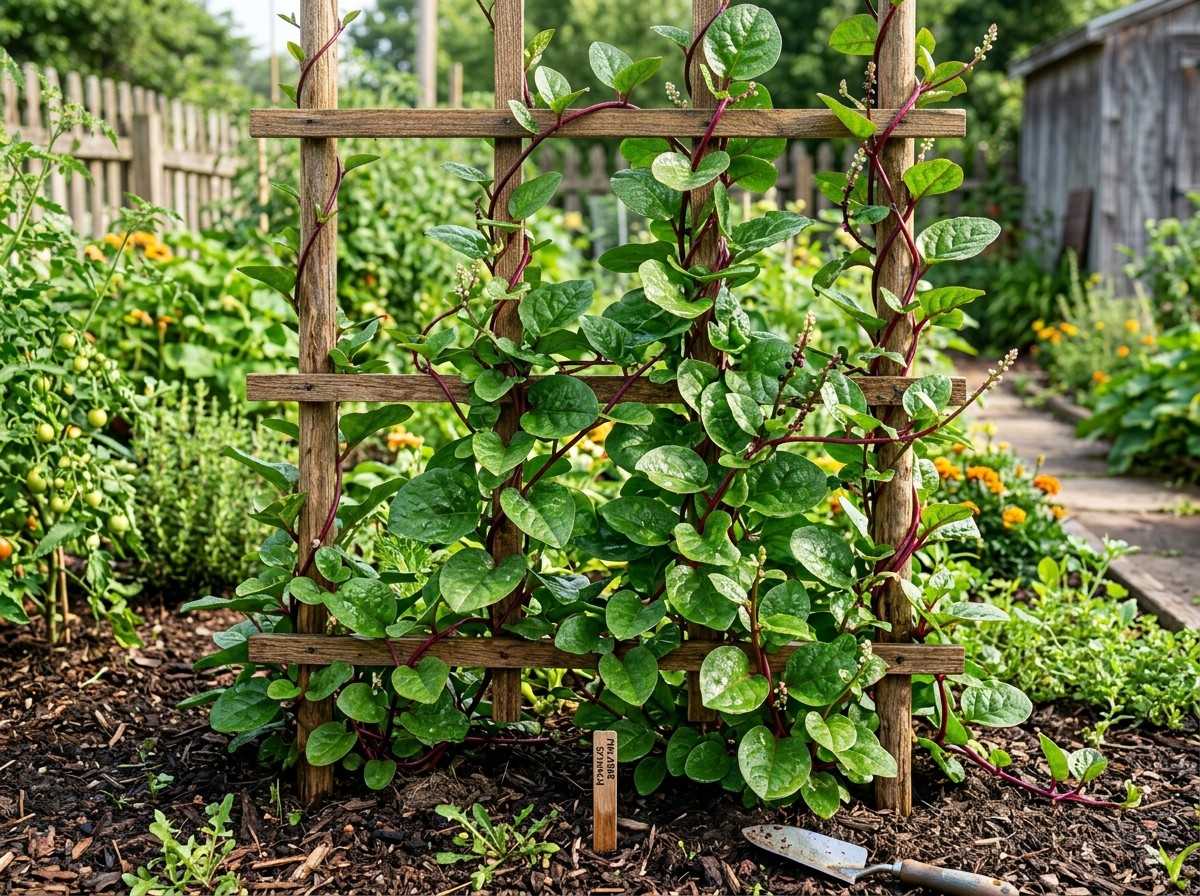
Plant Malabar spinach seedlings 12 to 18 inches apart. This spacing allows air circulation and good growth. The plant is a climbing vine and needs support. Use trellises, stakes, or fences for the vines to climb. Proper support keeps leaves clean and easy to harvest. Train the vines gently to grow upward on the support.
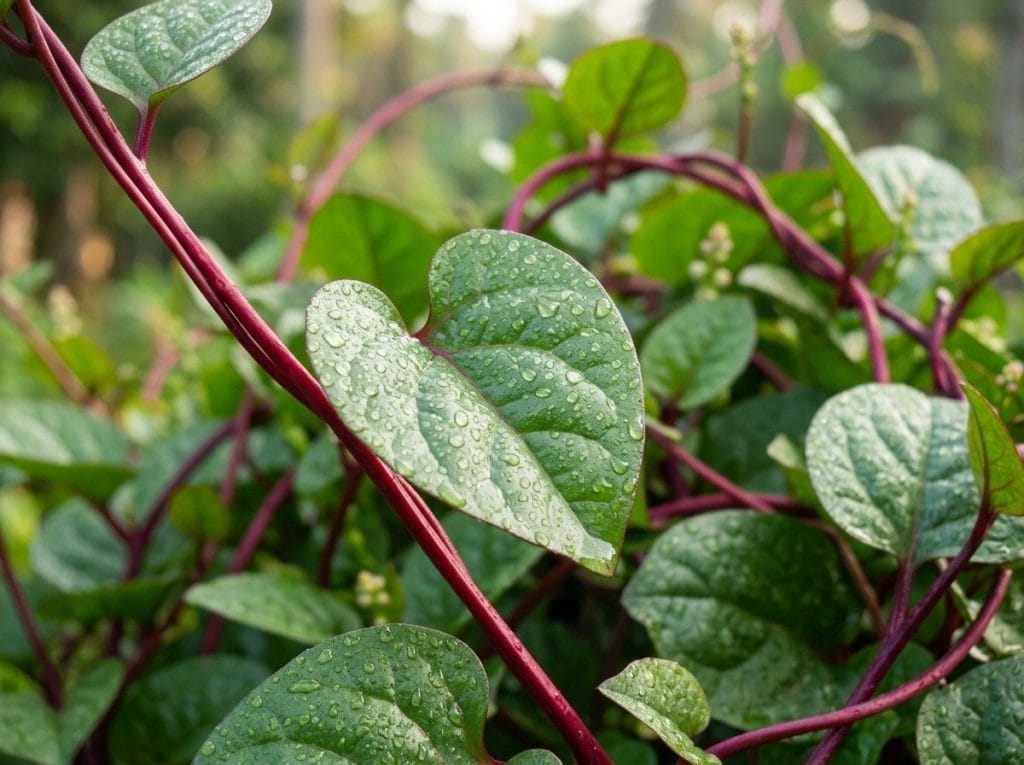
Growing Malabar spinach needs proper watering and feeding. These two care steps help the plant grow healthy and strong. Watering keeps the leaves fresh and juicy. Feeding provides the nutrients the plant needs. Both are important for a good harvest.
Malabar spinach likes moist soil. Water it regularly to keep the soil damp but not soggy. Too much water can cause root rot. Water early in the morning or late in the afternoon. This prevents water loss from evaporation. Check the soil with your finger. If the top inch feels dry, it is time to water. Use drip irrigation or soaker hoses for best results. They deliver water directly to the roots and save water.
Malabar spinach grows well with balanced fertilizers. Use a mix of nitrogen, phosphorus, and potassium. Organic options like compost or manure work great. They improve soil health and provide slow nutrients. Apply fertilizer every 3 to 4 weeks during the growing season. Avoid overfeeding, which can harm the plant. Use liquid seaweed or fish emulsion for a natural boost. These help leaf growth and overall plant health.
Maintaining healthy Malabar spinach vines is key to a strong, productive plant. Healthy vines grow faster and resist pests better. They also produce more leaves for your kitchen. Good care keeps your plants green and vibrant.
Proper attention to pruning and pest control helps the vines thrive. These steps prevent damage and support steady growth. Let’s explore simple ways to keep your Malabar spinach vines healthy and lush.
Pruning helps your Malabar spinach grow strong and full. Cut off old, weak, or yellow leaves regularly. This lets the plant focus energy on new growth. Trim long vines to encourage side shoots.
Training the vines on a trellis or support guides their growth. It keeps leaves off the ground, reducing disease risk. Use soft ties or twine to secure vines gently. Move ties as the plant grows to avoid damage.
Watch for common pests like aphids and spider mites. Check leaves often for small bugs or sticky residue. Use mild insect soap or spray water to remove pests.
Keep leaves dry and spaced well to prevent fungal diseases. Remove any infected leaves quickly. Healthy soil and good air flow reduce disease chances. Regularly inspect plants to catch problems early.
Harvesting and storing Malabar spinach properly keeps the leaves fresh and tasty. Knowing the right time to pick and how to store the leaves helps maintain their flavor and nutrients. This section guides you through the best ways to harvest and store Malabar spinach for the best results.
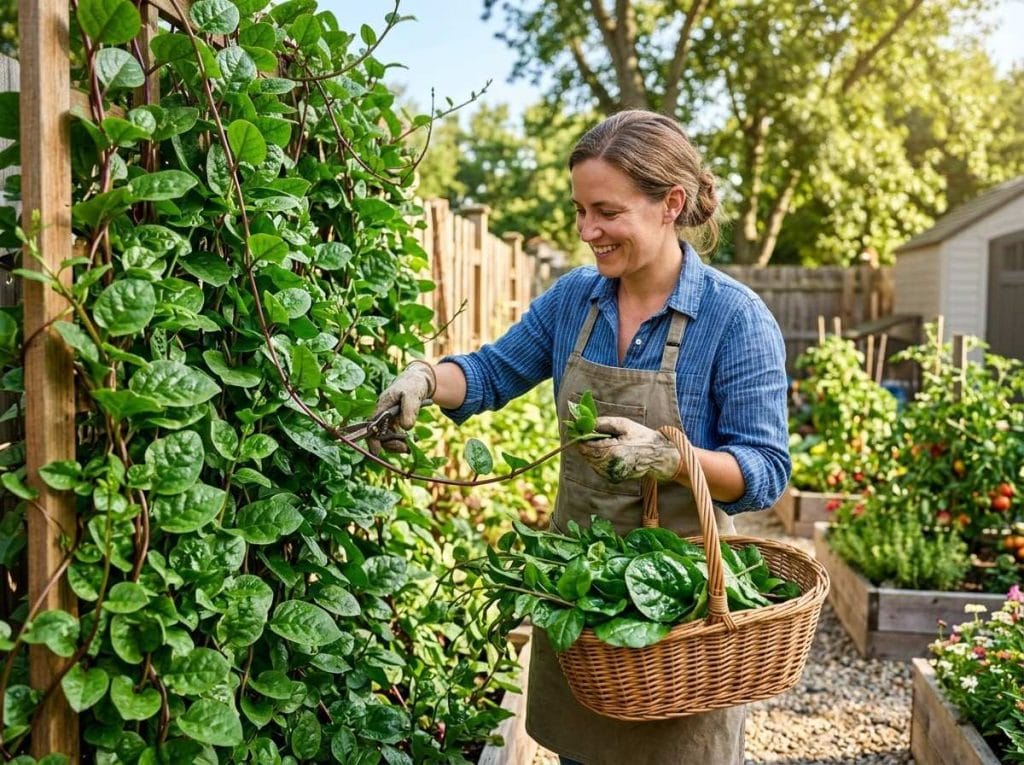
Harvest Malabar spinach leaves once they reach 4 to 6 inches long. Younger leaves are tender and mild in taste. Regular picking encourages new growth and more leaves. Avoid harvesting too late, as older leaves become tough and less flavorful.
Use clean scissors or garden shears to cut leaves. Cut stems about one inch above the base for regrowth. Pick leaves early in the morning for maximum freshness. Harvest selectively, taking only the outer leaves to allow inner ones to grow.
Rinse leaves gently in cool water to remove dirt. Pat dry with a clean cloth or paper towel. Store leaves in a perforated plastic bag or container in the refrigerator. Use within 3 to 5 days for the best taste and texture. Avoid washing leaves before storage if you want them to last longer.
Growing Malabar spinach can be rewarding but comes with some challenges. These problems can affect plant health and yield. Knowing how to handle common issues helps keep your plants strong and productive.
Wilting happens when plants lose water faster than they absorb it. Heat, dry soil, and poor watering cause wilting. Check soil moisture regularly. Water deeply but not too often. Avoid letting soil dry out completely.
Wilting can also signal root problems. Look for signs of pests or root rot. Remove damaged parts and improve soil drainage. Mulching helps keep soil moist and cool.
Malabar spinach needs good nutrients to grow well. Yellow leaves or slow growth may mean nutrient lack. Nitrogen, potassium, and iron are vital.
Use balanced fertilizer or compost to supply nutrients. Test soil before adding fertilizer to avoid overfeeding. Healthy soil supports strong plants and better harvests.
Malabar spinach is a fast-growing, leafy vine with thick, green leaves. It grows well in warm climates.
Plant seeds in warm soil, about 1 inch deep. Keep soil moist for best germination.
It prefers full sun but can tolerate some shade during hot afternoons.
Water regularly to keep soil moist but not soggy. Avoid waterlogging the roots.
Yes, it grows well in pots with good drainage and regular watering.
Growing Malabar spinach brings fresh greens to your garden year-round. It thrives in warm weather with little fuss. This vine needs good support and regular watering. Harvest leaves often to keep plants healthy and productive. Rich in nutrients, it adds flavor to many dishes.
Enjoy its fast growth and vibrant leaves easily. Start planting today for a tasty, green addition. Simple care leads to a rewarding harvest. Why not try growing Malabar spinach yourself?