Gardening Made Simple.
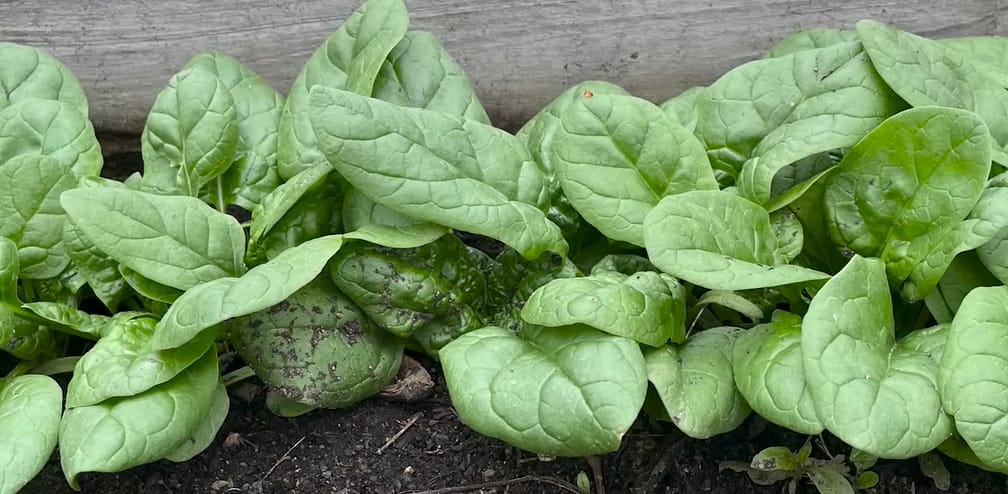
Are you ready to enjoy fresh, homegrown spinach straight from your garden? How to Grow Spinach from Seed is easier than you might think and is a great way to add nutritious greens to your meals.
Imagine picking crisp, vibrant leaves just when you need them—no more trips to the store or worrying about wilted veggies. In this guide, you’ll discover simple steps to start your spinach seeds, care for your plants, and harvest a bountiful crop.
Keep reading, and you’ll be on your way to growing spinach that tastes amazing and boosts your health.
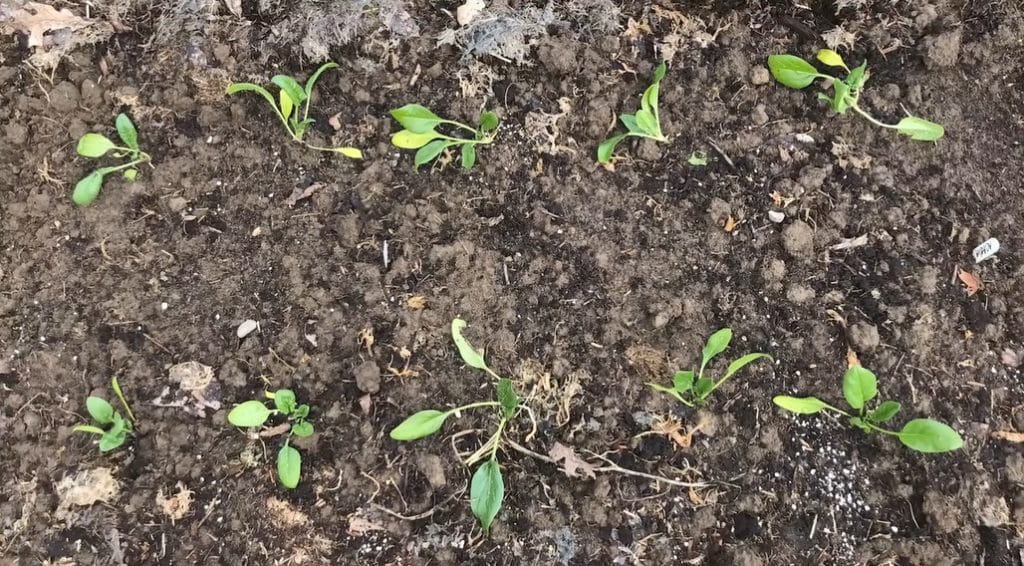
Choosing the right spinach seeds is the first step to a healthy garden. The type of seed affects the taste, growth speed, and how well the plants resist pests. Picking the best seeds saves time and effort later. This guide helps you find the right spinach seeds for your garden.
Spinach comes in several types. Savoy spinach has curly, dark green leaves. It tastes fresh and holds well after picking. Flat-leaf spinach has smooth leaves and is easier to clean. It grows faster and is good for salads. Semi-savoy is a mix of both types. It has slightly crinkled leaves and grows well in many climates. Choose a type that fits your taste and climate.
Good seeds grow strong plants. Look for seeds from trusted sellers. Check the packaging date to ensure freshness. Seeds lose power after a year. Pick seeds that are free from damage or mold. Organic seeds often have fewer chemicals and pests. Read seed labels for planting tips and days to harvest. Quality seeds give better results in your garden.
Preparing the soil is the first step to growing healthy spinach from seed. Good soil helps seeds sprout quickly and plants grow strong. Taking time to prepare the soil will give your spinach the best chance to thrive.
Spinach grows best in loose, well-tilled soil. The soil should be soft so roots can grow easily. Heavy or compacted soil stops water and air from reaching roots. Use a garden fork or tiller to break up the soil before planting.
Remove stones, weeds, and debris. These block seed growth and can attract pests. Well-prepared soil helps seedlings spread their roots quickly.
Spinach needs rich soil with plenty of nutrients. Add compost or well-rotted manure to increase fertility. These organic materials improve soil texture and provide food for plants.
Mix compost into the top 6 inches of soil. This makes nutrients easy for roots to absorb. Avoid fresh manure. It can burn young plants and may contain pathogens.
Spinach prefers soil with a pH between 6.0 and 7.0. Test your soil with a simple kit. If the pH is too low, add lime to raise it. If it is too high, add sulfur to lower it.
Good drainage is important. Water should not sit around the roots. Raised beds or adding sand can improve drainage. Well-drained soil prevents root rot and keeps plants healthy.
Planting spinach seeds is the first step to a fresh, healthy harvest. It is simple but needs care. Good planting sets the stage for strong growth. Follow clear steps to help your spinach grow well.
Spinach grows best in cool weather. Plant seeds in early spring or late summer. Soil temperature should be between 45°F and 75°F. Avoid hot weather as it can stop growth. Choose a time that avoids frost and heat.
Plant seeds about 1/2 inch deep in soil. Space seeds 2 inches apart for good air flow. Thin seedlings to 4-6 inches apart once they grow. Proper spacing helps leaves grow big and healthy. Avoid crowding to reduce disease risk.
Loosen soil before planting for easy root growth. Sow seeds evenly in rows or patches. Cover seeds lightly with soil and water gently. Keep soil moist until seeds sprout. Use a small rake or your fingers to sow seeds carefully.
Proper watering and care help your spinach grow strong and healthy. Spinach needs consistent moisture but not too much water. Giving the right amount of water supports good leaf growth. Taking care of your spinach plants also means controlling weeds and protecting the soil. These steps make your garden productive and your spinach tasty.
Water spinach seeds gently after planting. Keep the soil moist but not soggy. Water deeply once or twice a week. Increase watering if the weather is very hot or dry. Early morning watering helps leaves stay fresh. Avoid watering at night to stop diseases.
Mulch keeps soil moist longer by reducing evaporation. It also keeps soil temperature steady for better growth. Mulch helps stop weeds from growing near spinach. Use straw, leaves, or grass clippings as mulch. Spread mulch around plants but not on leaves. Mulching saves water and makes care easier.
Weeds compete with spinach for water and nutrients. Remove weeds regularly by hand or with a hoe. Pull weeds out when they are small. Be careful not to harm spinach roots. Mulching reduces weed growth and protects young plants. Clean garden beds help spinach grow well and stay healthy.
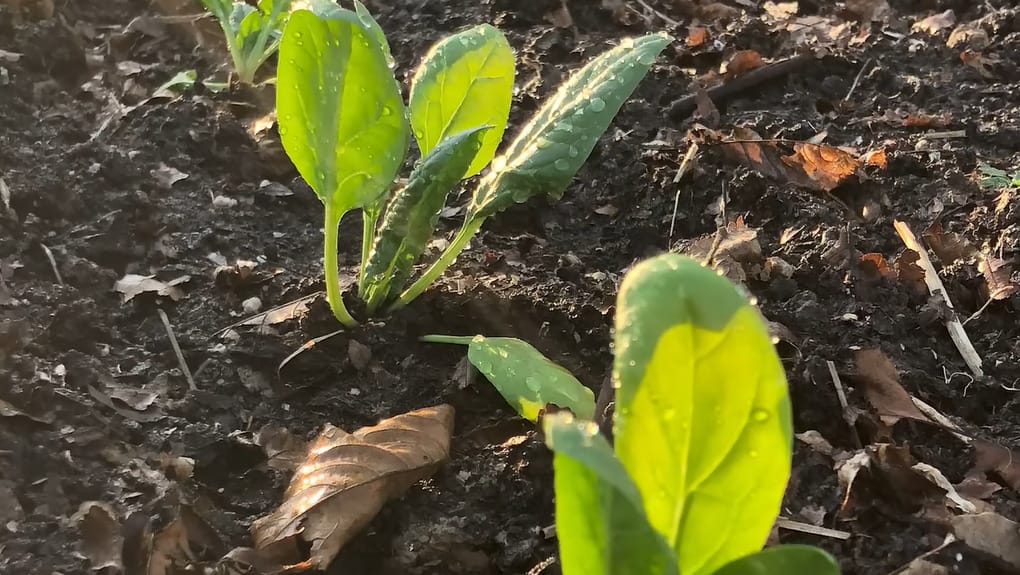
Fertilizing spinach is important for healthy growth. Spinach needs nutrients to develop big, green leaves. Proper fertilizing helps the plant grow fast and strong. It also improves the taste and texture of the leaves. Feeding spinach the right way makes your garden more productive.
Spinach grows best with balanced fertilizers. Look for fertilizers with equal amounts of nitrogen, phosphorus, and potassium. Nitrogen helps leaves grow green and lush. Phosphorus supports root development. Potassium strengthens the plant’s overall health.
Organic options like compost or well-rotted manure work well too. They improve soil quality and release nutrients slowly. Avoid high nitrogen fertilizers only. Too much nitrogen can cause leaf burn or weak stems.
Apply fertilizer before planting seeds. Mix it well into the soil. This gives spinach a good start. Use a small amount to avoid overfeeding. Too much fertilizer can harm the plants.
Fertilize again when spinach has a few true leaves. Light feeding helps the plant grow faster. Water the soil after applying fertilizer. This moves nutrients to the roots. Keep soil moist but not soggy for best results.
Growing spinach from seed is rewarding but pests and diseases can cause trouble. Protecting your plants helps ensure a healthy harvest. Knowing how to spot problems early keeps your garden strong.
Several pests like aphids, leaf miners, and spider mites attack spinach. Aphids suck sap, making leaves curl and yellow. Leaf miners leave white trails on leaves. Spider mites cause tiny yellow spots and webbing. These pests reduce plant growth and leaf quality.
Using natural methods keeps spinach safe without chemicals. Spray plants with a mix of water and mild soap to remove pests. Encourage beneficial insects like ladybugs and lacewings that eat harmful bugs. Handpick pests off leaves when you see them. Keep the garden clean by removing old leaves and debris.
Spinach can get diseases like downy mildew and leaf spot. Avoid wetting leaves too much to stop fungal growth. Plant spinach in well-drained soil to prevent root rot. Rotate crops every year to reduce disease build-up. Space plants properly to improve air flow and reduce moisture.
Harvesting spinach is an important step in growing healthy greens. Picking spinach at the right time ensures fresh and tasty leaves. Proper harvesting helps the plant keep growing for more leaves later. Careful handling after picking keeps the spinach crisp and fresh.
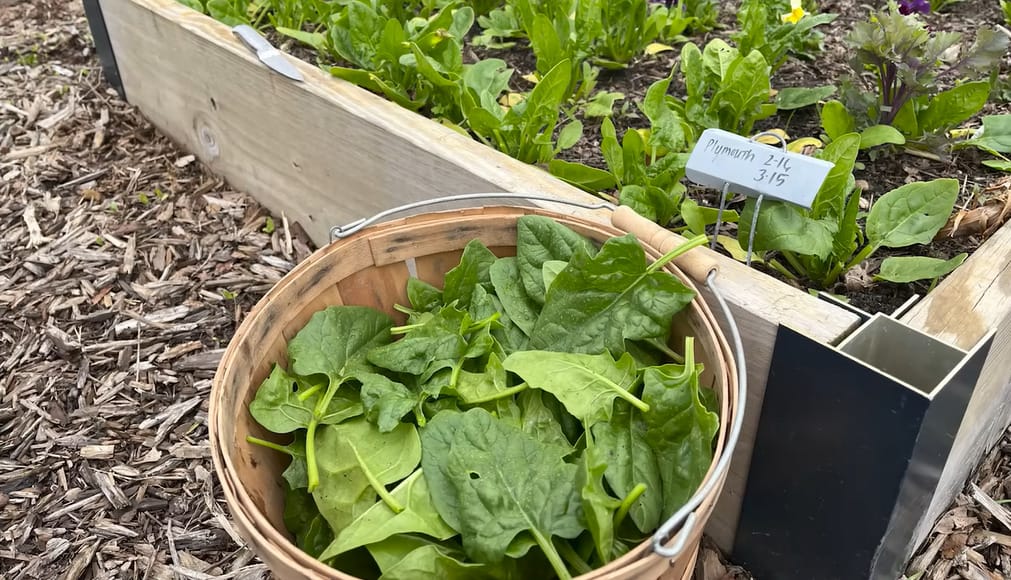
Spinach is ready to harvest about 37 to 45 days after planting. Leaves should be dark green and firm. Pick leaves before they get too big or tough. Early harvesting means sweeter and tender leaves. Avoid letting the plant flower, as leaves turn bitter then.
Use clean scissors or garden shears to cut spinach leaves. Cut the outer leaves first, leaving the inner ones to grow. Harvest in the morning for the best flavor and freshness. Avoid pulling the entire plant out; this allows regrowth. Handle leaves gently to avoid bruising.
Rinse spinach leaves in cool water to remove dirt. Dry leaves carefully using a salad spinner or paper towels. Store spinach in a plastic bag with a paper towel inside. Keep spinach in the refrigerator to stay fresh longer. Use spinach within a week for best taste and nutrition.
Extending the growing season for spinach lets you enjoy fresh leaves longer. Spinach thrives in cool weather but struggles in heat. By using smart techniques, you can harvest spinach beyond spring and fall. This section covers easy ways to keep your spinach growing strong.
Succession planting means sowing seeds every two weeks. This keeps spinach ready to pick all season. Start new seeds as old plants finish growing. This method avoids gaps in your harvest. It also spreads work and harvest times evenly. Use quick-growing spinach varieties for best results.
Cold frames protect spinach from frost and wind. They create a warmer microclimate for plants. Place cold frames over young spinach to extend growth. Greenhouses offer even more heat and shelter. Use them to grow spinach in winter months. Both tools help keep spinach alive when outside is too cold.
Spinach usually grows ready to harvest in 40 to 50 days after planting seeds.
Spinach grows best in loose, well-drained soil rich in organic matter.
Spinach needs about 4 to 6 hours of sunlight daily for healthy growth.
Yes, spinach seeds grow well in cool temperatures between 45°F and 75°F.
Water spinach seedlings regularly to keep the soil moist but not waterlogged.
Growing spinach from seed is simple and rewarding. Choose a sunny spot with good soil. Plant seeds shallow and keep the soil moist. Thin seedlings to give space for growth. Watch for pests and water regularly. Harvest leaves when they are young and tender.
Fresh spinach adds great taste and nutrition to meals. With a little care, your garden will thrive. Try growing spinach this season for fresh, healthy greens. Enjoy the process and the tasty results.