Gardening Made Simple.
Are you tired of seeing your plants suffer from tiny spider mites? These pests can quickly damage your garden and indoor plants, leaving you frustrated and unsure of what to do next. Choosing the Best Insecticide for Spider Mites can help you eliminate infestations fast and keep your plants healthy and protected.
Finding the best insecticide for spider mites can make all the difference in protecting your green space. You’ll discover easy and effective solutions that work fast to get rid of these unwanted invaders. Keep reading to learn how you can save your plants and enjoy a healthy, thriving garden again.
Spider mites are tiny pests that cause big problems for plants. They feed on plant cells and can quickly damage leaves and stems. Knowing the basics helps in controlling them effectively. This section explains their common types, life cycle, and signs of damage.
Several spider mite species harm plants. The two-spotted spider mite is most common in gardens. Another is the red spider mite, often found on outdoor plants. Each species targets different plants but causes similar damage.
Spider mites grow fast. They start as eggs, then hatch into larvae. After several stages, they become adults in about two weeks. Adults lay many eggs, increasing their numbers quickly. Warm weather speeds up their life cycle.
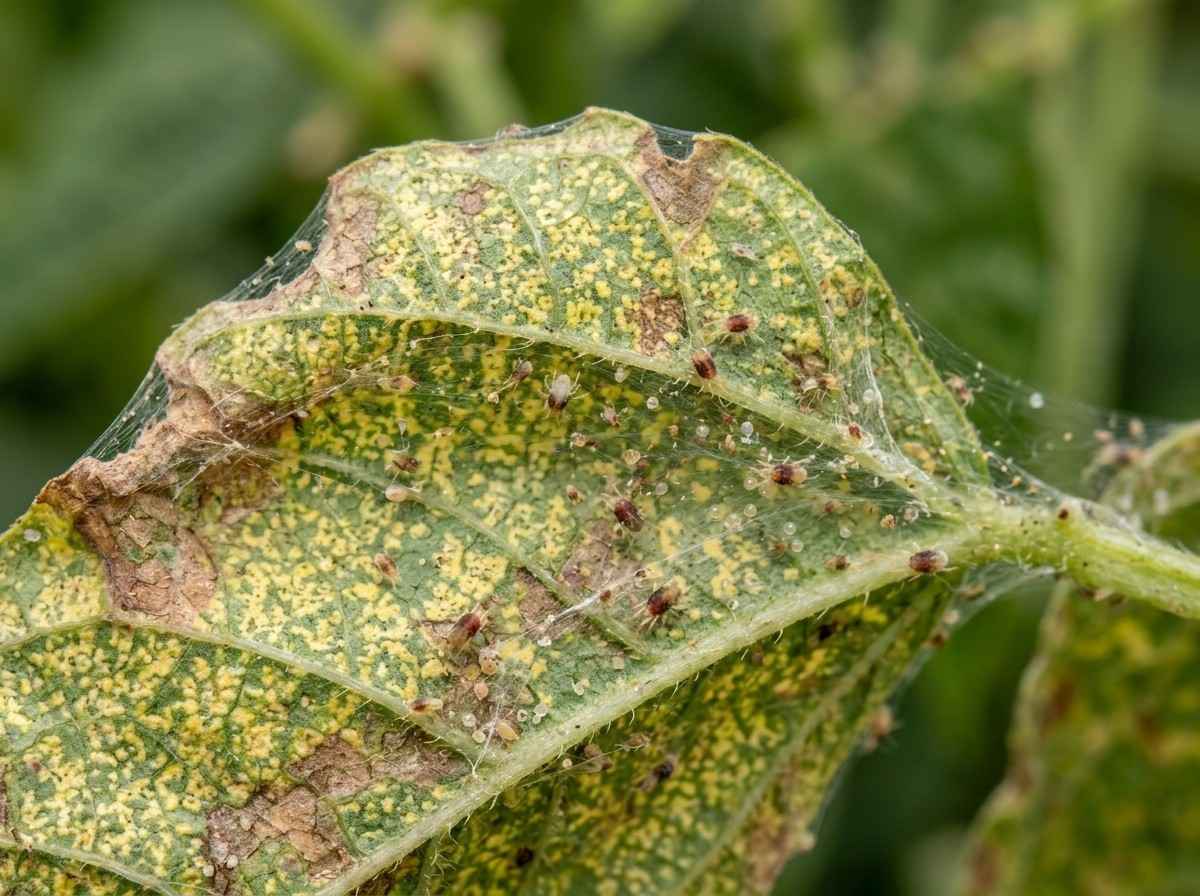
Spider mite damage shows as tiny yellow or white spots on leaves. Leaves may look dusty or have fine webbing. Severe infestations cause leaves to dry and fall off. Early signs help stop damage before it spreads.
Spider mites are tiny pests that harm plants quickly. Controlling them early is very important. Without control, they spread fast and cause serious damage. Protecting plants helps keep gardens and crops healthy. Understanding why control matters helps you act fast and smart.
Spider mites feed on plant leaves. They suck out the plant’s juices. Leaves turn yellow and dry out. Plants stop growing well. Some may even die if mites stay too long. Healthy plants need protection from these pests.
Spider mites move fast from plant to plant. A small number can become a large group quickly. Wind and tools help them travel. Nearby plants get infected soon. Controlling mites stops their fast spread. It keeps the whole garden safe.
Spider mites damage crops and reduce harvests. Farmers lose money from smaller yields. Extra costs come from buying pesticides and treatments. Uncontrolled mites can ruin whole fields. Early control saves money and protects income.
Spider mites cause serious damage to plants. Choosing the right insecticide helps control them effectively. Different types of insecticides work in various ways. Understanding these types helps in picking the best solution.
Insecticides fall into three main categories: chemical, organic, and biological. Each has unique benefits and uses. Knowing these options makes pest control safer and more successful.
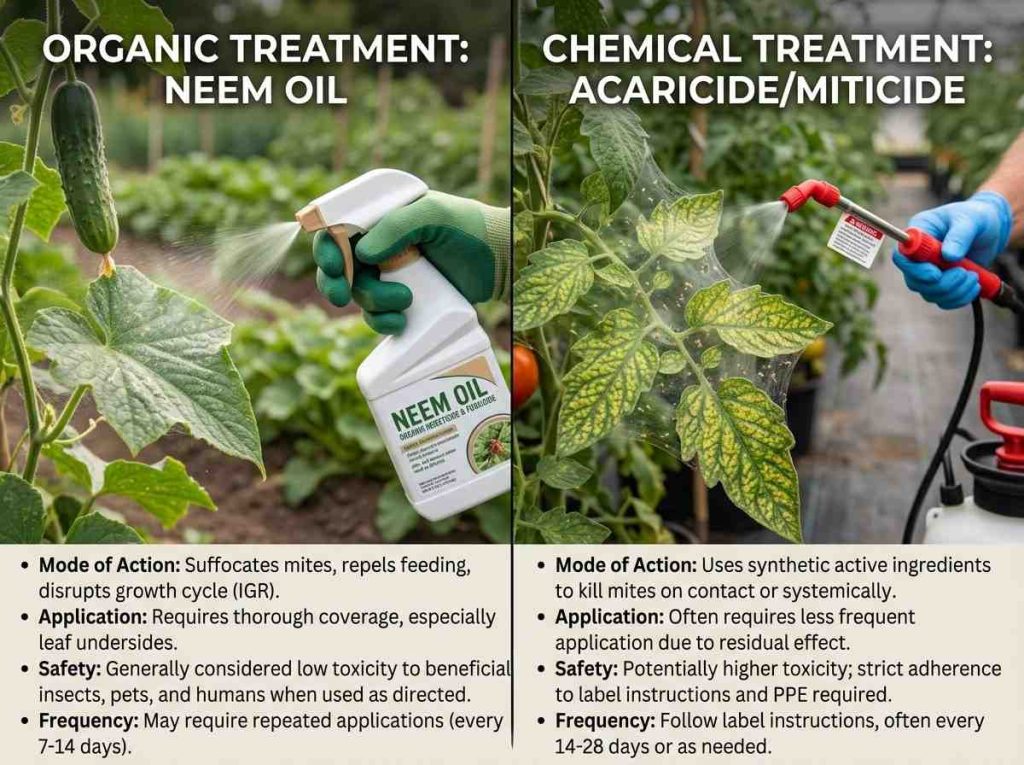
Chemical insecticides kill spider mites quickly. They work by targeting the pest’s nervous system. These products often provide fast results. They are widely available in stores. Use them carefully to avoid harming plants or beneficial insects.
Common chemical insecticides include pyrethroids and organophosphates. They are strong and effective for heavy infestations. Follow label instructions strictly to ensure safe use.
Organic insecticides use natural ingredients to fight spider mites. They are safer for the environment and people. These include neem oil, insecticidal soaps, and horticultural oils. They work by suffocating or repelling spider mites.
Organic options are best for light to moderate infestations. They help keep beneficial insects safe. Regular application may be needed for good results.
Biological controls use natural predators to reduce spider mite numbers. Ladybugs, predatory mites, and lacewings eat spider mites. They offer a natural way to keep pests in check. This method is safe and eco-friendly.
Biological control works best in gardens and greenhouses. It requires patience and proper conditions for predators to thrive.
Chemical insecticides are effective tools to control spider mites. They kill mites quickly and stop damage to plants. Choosing the right insecticide helps protect your garden or crops.
Spider mites can be tough to manage. Using strong chemicals can reduce their numbers fast. Understanding different types of insecticides helps you pick the best option.
Miticides and acaricides target spider mites directly. These chemicals work by disrupting mite growth and reproduction. Some kill mites on contact, while others affect mites over time.
Miticides are designed specifically for mites. Acaricides may control a wider range of pests, including ticks. Both types help reduce spider mite populations effectively.
Contact insecticides kill mites when sprayed on leaves. They work fast but may miss hidden mites. Spray all plant parts for best results.
Systemic insecticides enter the plant and move inside. Mites get poisoned when they feed on treated plants. Systemics offer longer protection than contact sprays.
Always follow label instructions carefully. Wear gloves and a mask to protect your skin and lungs. Avoid spraying on windy days to prevent drift.
Keep children and pets away during and after application. Wash hands thoroughly after using insecticides. Proper use ensures safety and effectiveness.
Organic insecticides offer a safe way to control spider mites. They protect plants without harming beneficial insects or the environment. These natural options work well for both indoor and outdoor gardens.
Using organic insecticides helps keep your garden healthy. They reduce chemical buildup in the soil and on plants. Choosing the right product ensures effective spider mite control.
Neem oil is a popular natural insecticide. It comes from the seeds of the neem tree. This oil disrupts spider mites' life cycle and stops them from feeding.
Neem oil also works as a fungicide. It helps prevent mold and mildew on plants. Spray neem oil every seven to ten days for best results.
Insecticidal soaps are made from fatty acids. They kill spider mites by breaking down their outer shell. This causes dehydration and death.
These soaps are safe for most plants and insects. Spray directly on affected areas to remove spider mites. Repeat treatment until mites disappear.
Horticultural oils smother spider mites and their eggs. They create a thin coating that suffocates pests. These oils work best during dormant seasons or early growth.
Use horticultural oils carefully to avoid plant damage. Follow label instructions for mixing and application. Regular spraying helps keep spider mite populations low.
Biological control agents offer a natural way to fight spider mites. These agents reduce spider mite numbers without harmful chemicals. They help keep your plants safe and healthy. Using them supports a balanced garden ecosystem. Let’s explore the main types of biological control agents.
Predatory mites are tiny hunters that eat spider mites. They move quickly and find spider mites easily. These mites do not harm plants or people. They multiply fast and control spider mite outbreaks. Introducing predatory mites can lower spider mite damage in gardens.
Several beneficial insects feed on spider mites. Ladybugs and lacewings are common examples. They eat spider mites and their eggs. These insects also help pollinate plants. Releasing beneficial insects helps reduce spider mite populations naturally.
Microbial products contain bacteria or fungi that kill spider mites. They work by infecting or poisoning the pests. These products are safe for plants and animals. Spraying microbial products can control spider mites without chemicals. They are a good choice for organic gardening.
Proper application techniques are key to controlling spider mites effectively. Using the right method helps the insecticide reach all mite hiding spots. It also reduces waste and keeps plants safe. Understanding how to apply insecticides correctly ensures better results and fewer problems.
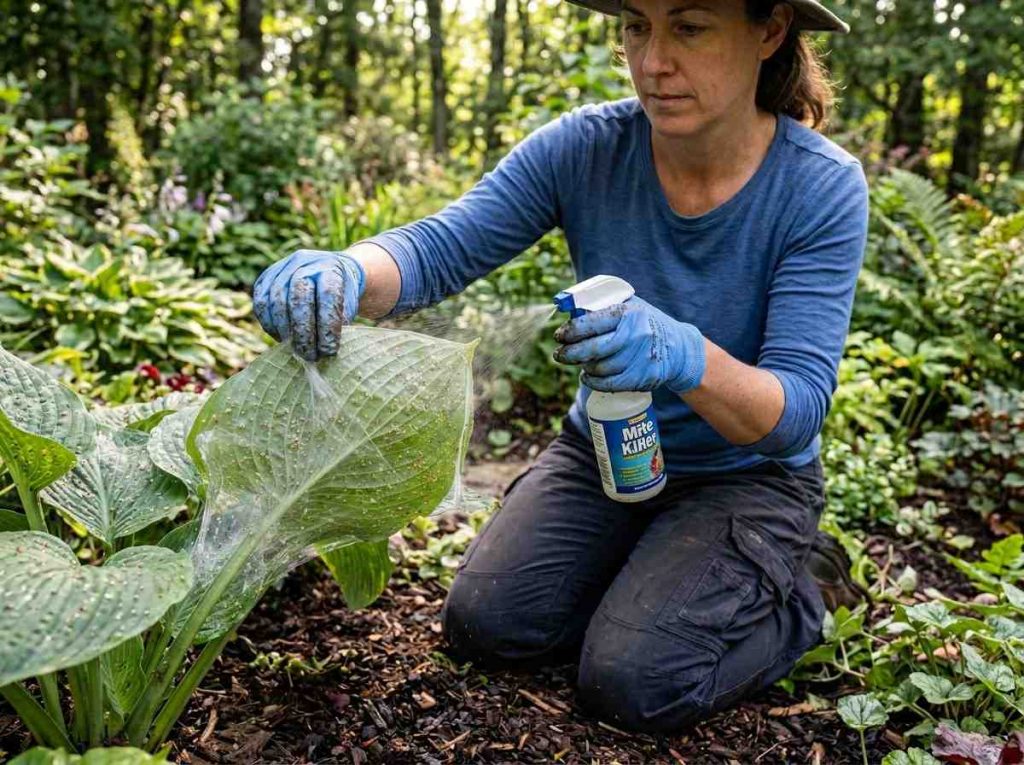
Spray the insecticide evenly over all plant surfaces. Focus on the undersides of leaves where spider mites often hide. Use a fine mist to cover the entire plant without causing runoff. Avoid spraying on windy days to prevent drift. Always follow the product label for safe use and dosage.
Apply insecticides early in the morning or late in the afternoon. Avoid spraying during the hottest part of the day. Repeat applications every 7 to 10 days to break the spider mites' life cycle. Adjust frequency based on infestation levels and weather conditions. Consistent timing improves control and reduces plant stress.
Rotate insecticides with different modes of action. Do not use the same product repeatedly. Mixing products can help but check compatibility first. Follow label instructions to prevent overuse. Proper rotation slows resistance development and keeps treatments effective longer.
Using insecticides against spider mites requires careful attention to safety and the environment. Choosing the right product helps protect plants without harming helpful insects or nature. Applying insecticides correctly also keeps you safe and avoids pollution.
Beneficial insects like ladybugs and bees help control pests naturally. Many insecticides can harm these helpful bugs. Choose products labeled safe for beneficial insects. Spray only on affected plants to avoid spreading chemicals. Avoid spraying during flowering times to protect pollinators.
Dispose of insecticide containers safely to prevent pollution. Do not pour leftover chemicals down drains or on soil. Follow local guidelines for hazardous waste disposal. Rinse containers thoroughly before recycling or throwing away. Proper disposal prevents water and soil contamination.
Wear gloves and long sleeves when applying insecticides. Use a mask to avoid breathing in sprays. Keep children and pets away from treated areas. Wash hands and clothes after use. Read and follow all instructions on the product label carefully.
Integrated Pest Management (IPM) is a smart way to control spider mites. It uses many methods together for better results. IPM helps protect plants and the environment. It reduces the need for harmful chemicals. This approach keeps spider mite problems low over time.
IPM mixes natural and chemical controls. Use insecticides only when needed. Add beneficial insects that eat spider mites. Use plant sprays that block mite growth. Combining methods stops mites from growing resistant.
Regular checks spot spider mites early. Look under leaves and on stems. Use a magnifying glass for small mites. Record where and how many mites appear. Early detection helps target control efforts better.
Keep plants healthy with good watering and feeding. Healthy plants resist spider mite damage. Rotate crops to break mite life cycles. Clean garden tools to avoid spreading mites. Long-term care lowers spider mite risks yearly.
Miticides with active ingredients like abamectin or bifenthrin work well against spider mites.
Apply every 7 to 10 days until spider mites are controlled.
Yes, neem oil and insecticidal soap can reduce spider mite numbers safely.
Spider mites can develop resistance; rotate insecticides with different modes of action.
Use insecticides labeled safe for edible plants and follow all instructions carefully.
Choosing the right insecticide helps control spider mites effectively. Regular use keeps plants healthy and pest-free. Always follow the instructions on the label carefully. Natural options can work well for small infestations. Stay patient and consistent with your treatment plan.
Healthy plants resist pests better and grow stronger. Remember, early action prevents big problems later. Use the best insecticide to protect your garden today.