Gardening Made Simple.
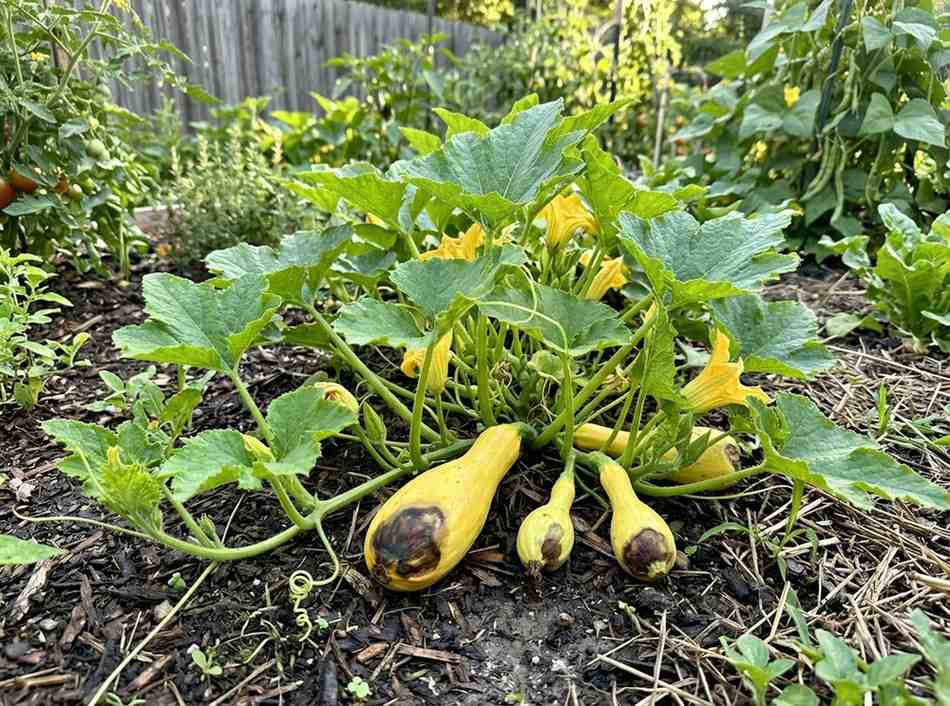
Are you noticing dark, sunken spots at the bottom of your yellow squash? This common problem, known as Blossom End Rot on Yellow Squash, can quickly ruin your harvest if you don’t identify the cause and take action early.
You might be wondering why your healthy-looking plants are suddenly showing these signs. The good news is, understanding what causes blossom end rot and how to prevent it can save your squash and boost your garden’s success. Keep reading to learn simple steps that will protect your yellow squash and help you enjoy a bountiful, beautiful crop.
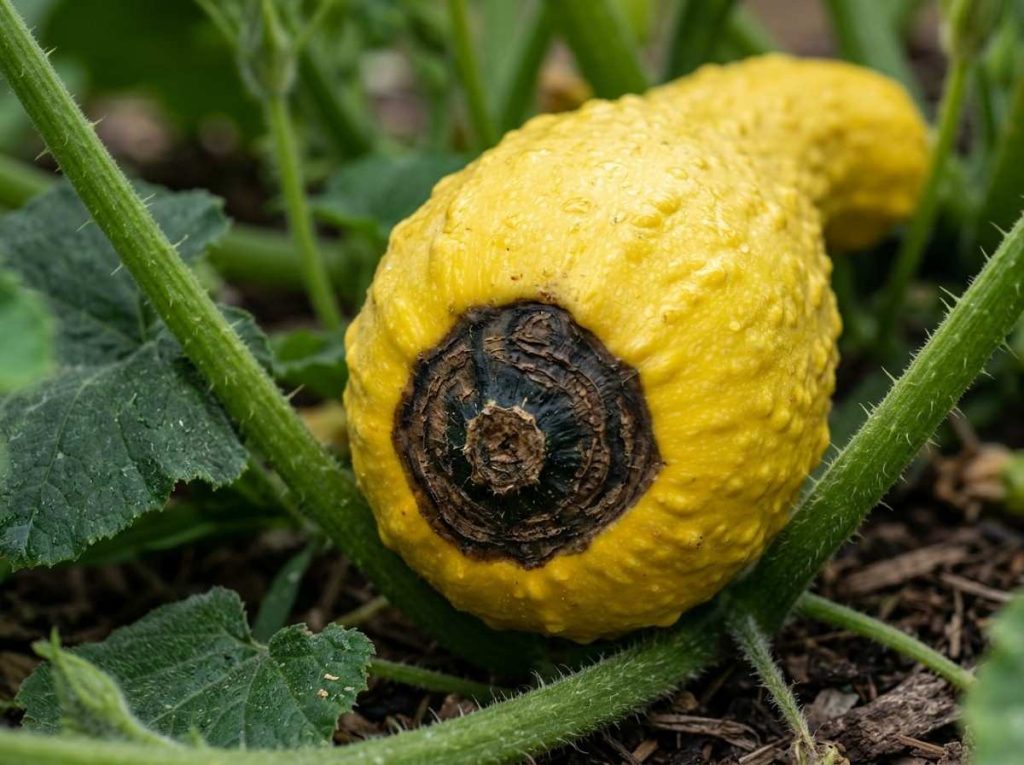
Blossom end rot is a common problem for yellow squash plants. It shows as dark, sunken spots on the bottom of the fruit. Understanding the causes helps prevent this issue. Several factors contribute to blossom end rot. These include nutrient problems, watering habits, soil conditions, and weather stress.
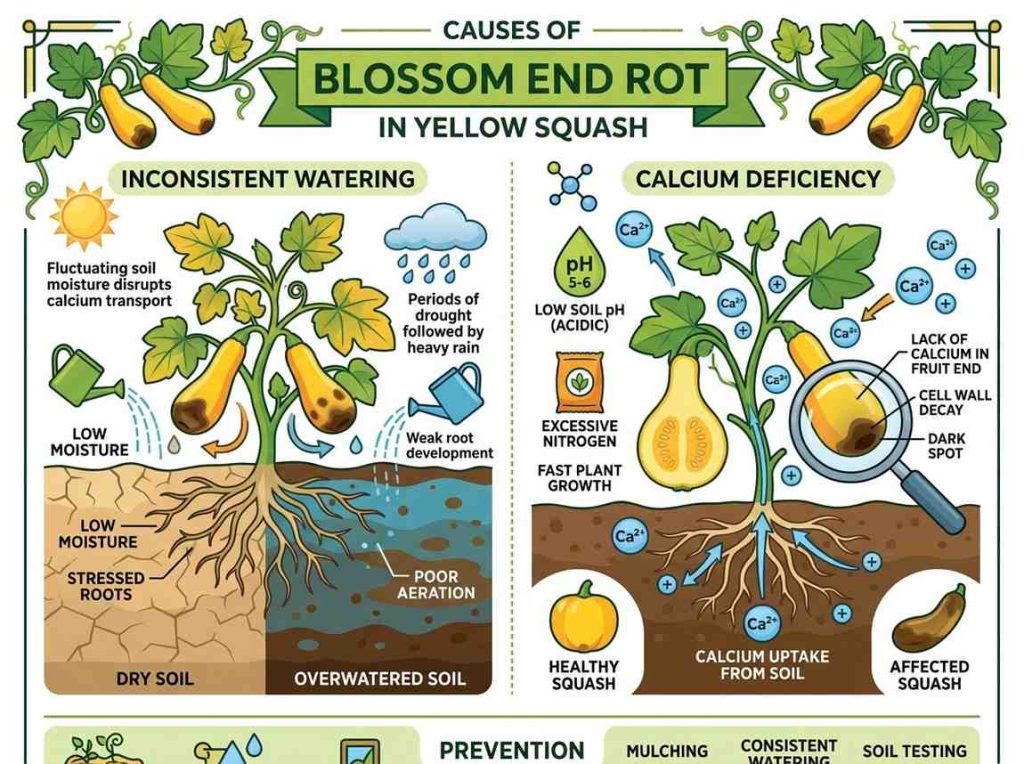
Calcium is vital for healthy squash fruit. Without enough calcium, the fruit tissue weakens. This causes the bottom of the squash to rot. Plants may have calcium in the soil but cannot absorb it well. This leads to calcium shortage inside the fruit. Calcium deficiency is the main cause of blossom end rot.
Squash plants need steady watering. Too much or too little water disrupts calcium uptake. Dry spells followed by heavy watering cause stress. This uneven water supply blocks calcium from reaching the fruit. Consistent moisture helps prevent blossom end rot.
The soil’s pH affects nutrient availability. If the soil is too acidic or too alkaline, calcium becomes less available. Squash plants grow best in slightly acidic to neutral soil. Testing soil pH and adjusting it can improve calcium uptake. Balanced soil pH reduces the risk of blossom end rot.
High heat, strong winds, and drought stress squash plants. Stress limits the plant’s ability to transport calcium. This weakens fruit tissue and causes rot. Protecting plants from extreme weather helps maintain healthy fruit. Stress management is key to reducing blossom end rot.
Identifying blossom end rot on yellow squash is important for healthy plants and good harvests. This problem affects the bottom part of the squash fruit. Recognizing the signs early helps gardeners take action quickly.
The first sign is a small, water-soaked spot at the fruit's bottom. It looks dark and sunken. The spot grows larger and turns dry and brown. This damage stops the fruit from growing properly. The affected area may crack as the squash matures.
Blossom end rot is often confused with fungal or insect damage. Unlike fungi, it has no mold or fuzz. It also does not spread like diseases. Insect damage usually has holes or bite marks. Blossom end rot only affects the fruit's end, not the leaves or stem.
Blossom end rot is a common problem in yellow squash plants. It causes dark, sunken spots at the fruit’s bottom. Preventing this issue helps keep your squash healthy and tasty. The key is to care for the soil and water supply properly.
Start with soil rich in calcium. Test the soil before planting to check its calcium level. Add lime or gypsum if calcium is low. Mix the soil well to spread nutrients evenly. Good soil structure helps roots absorb calcium better. Avoid adding too much nitrogen fertilizer. Excess nitrogen can cause rapid leaf growth but weak fruit.
Water plants regularly and evenly. Uneven watering leads to calcium shortages in the fruit. Use drip irrigation or soaker hoses for steady moisture. Water deeply to reach roots. Avoid watering only the leaves or surface. Keep soil moist but not soggy. Check soil moisture daily during hot weather.
Apply mulch around squash plants. Mulch keeps soil moisture stable by reducing evaporation. It also lowers soil temperature, helping roots stay healthy. Organic mulch like straw or grass clippings breaks down and adds nutrients. Mulch prevents soil splash that spreads diseases. Renew mulch as it decomposes to maintain benefits.
Blossom end rot on yellow squash is a common problem caused by calcium deficiency. Quick fixes help reduce damage and save your plants. Acting fast improves fruit quality and plant health.
Adding calcium to soil boosts squash growth. Use crushed eggshells or garden lime around plants. Calcium sprays are also effective for quick absorption. These supplements help stop blossom end rot from spreading.
Consistent watering prevents calcium shortage. Water squash plants deeply every few days. Avoid letting soil dry out or stay too wet. Proper moisture helps roots absorb calcium well.
Foliar sprays deliver calcium directly to leaves and fruit. Apply sprays early morning or late afternoon. This method offers fast relief and supports plant recovery. Repeat sprays every week for best results.
Long-term care is key to growing healthy yellow squash. Blossom end rot can damage your plants over time. Taking steps to prevent it helps your squash stay strong and productive. Healthy soil and smart planting choices protect your garden season after season.
Change the location of your squash plants each year. Avoid planting squash in the same spot for at least three years. This practice reduces disease build-up and nutrient depletion. It also lowers the chance of blossom end rot by keeping soil balanced.
Test your soil every year before planting. Check for calcium levels and soil pH. Calcium helps prevent blossom end rot in yellow squash. Adjust soil nutrients based on test results for best plant health. Regular testing keeps your soil in good shape.
Select squash varieties that resist blossom end rot. Some types naturally handle stress better than others. Planting these varieties reduces the risk of damage. Resistant plants save time and give you better harvests. Ask your seed supplier for the best options.
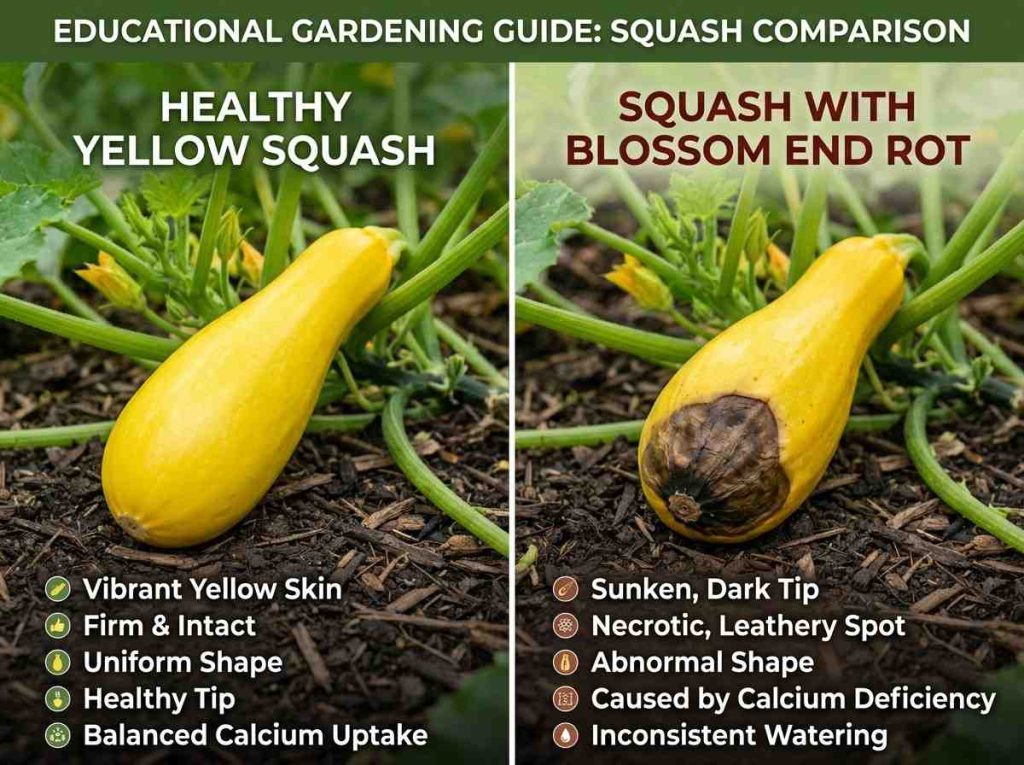
Blossom end rot is caused by calcium deficiency in the fruit during growth.
Keep soil moist and add calcium-rich amendments to prevent blossom end rot.
No, blossom end rot is a physiological disorder, not a disease that spreads.
Yes, affected squash may taste bitter and have poor texture.
Treat early by adjusting watering and soil calcium as soon as symptoms appear.
Blossom end rot can harm your yellow squash plants fast. Keep soil moist but not wet to help prevent it. Add calcium to the soil for stronger, healthier squash. Watch your plants often to catch problems early. Healthy plants mean better squash harvests for you.
Simple care steps can stop blossom end rot easily. Stay patient and enjoy growing your yellow squash!