Gardening Made Simple.
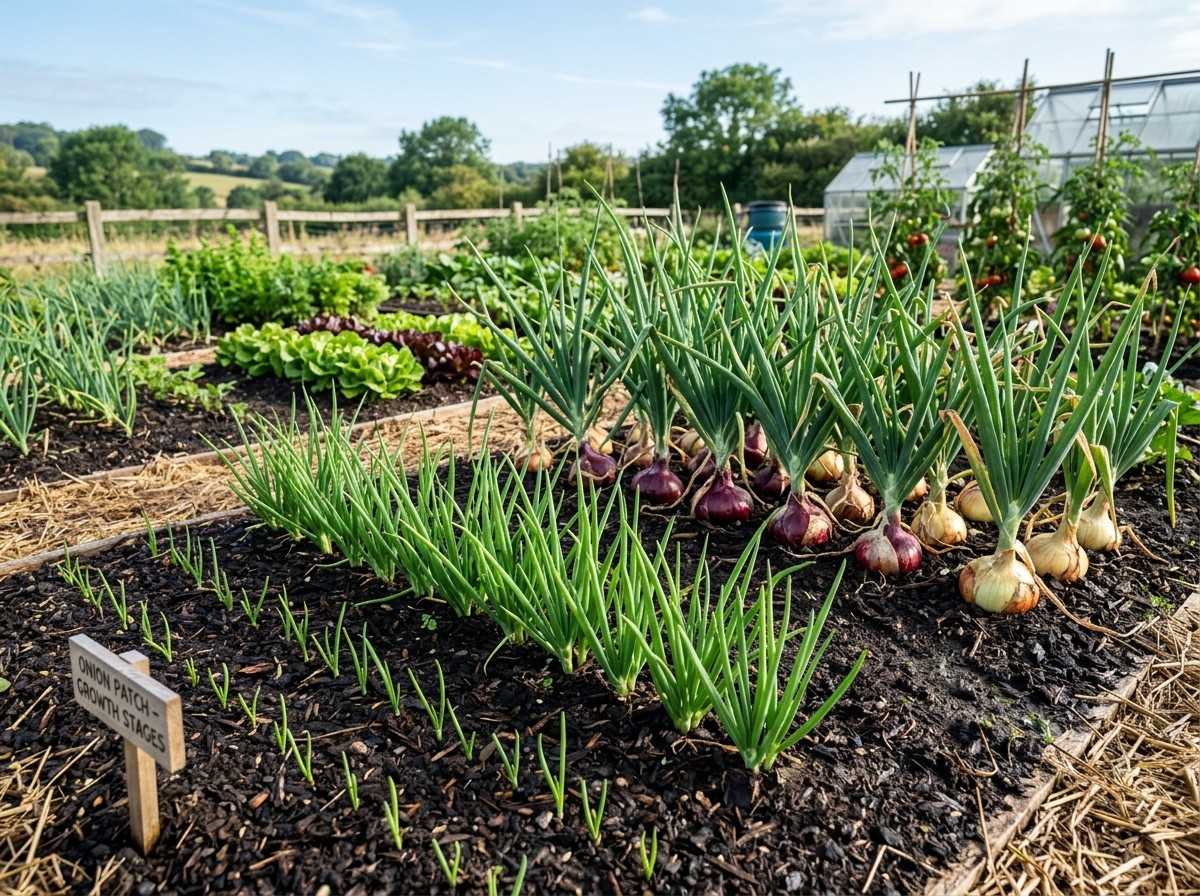
Are you ready to grow your own fresh, flavorful onions right at home? Starting onions from seed might seem tricky, but with the right tips, you can easily watch your garden flourish.
Imagine biting into a crisp, homegrown onion that you nurtured from the very beginning. This guide will show you how to get started, avoid common mistakes, and enjoy a successful onion harvest. Keep reading, and you’ll discover simple steps that make growing onions from seed not just possible, but rewarding.
Your garden—and your taste buds—will thank you!
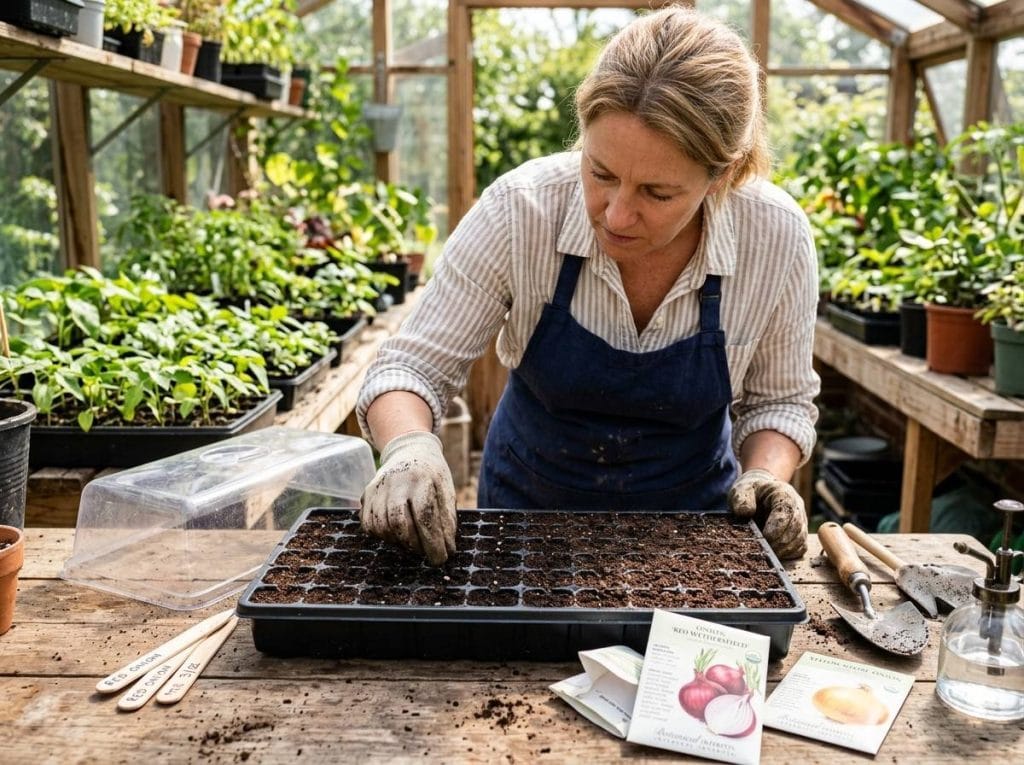
Choosing the right seeds is the first step to growing healthy onions. Seeds affect the size, taste, and growth time of your onions. Picking good seeds saves time and effort in the garden. Understanding the types and varieties helps you make the best choice. Quality seeds give your plants a strong start and better chances to thrive.
Onion seeds come in three main types: short-day, long-day, and day-neutral. Short-day onions grow best in mild climates. They start forming bulbs when daylight is about 10-12 hours. Long-day onions need 14-16 hours of daylight. They suit northern areas with longer summer days. Day-neutral onions work well in many regions. They start bulbing regardless of day length.
Choose a variety that matches your climate and taste. Some onions are sweet, while others have a strong flavor. Pick varieties that resist diseases common in your area. Also, consider how long the onions take to mature. Early varieties grow quickly but may store less well. Late varieties take longer but keep fresh for months.
Buy seeds from trusted garden centers or seed catalogs. Look for fresh, well-packaged seeds with clear labels. Check the seed packet for the harvest time and growing conditions. Avoid old or damaged seed packets. Buying quality seeds increases your chance of a good crop.
Preparing the soil is an important first step for growing onions from seed. Healthy soil helps onions grow strong and produce good bulbs. Taking time to prepare the soil will improve your crop's success. Below are key points to prepare soil well before planting your onion seeds.
Onions need loose, well-drained soil to grow well. Heavy clay or compacted soil can stop roots from spreading. Sandy loam or silty soil works best for onions. The soil should be deep enough for roots to grow freely. Avoid soil that stays wet or waterlogged.
Onions need nutrients to grow healthy and big. Add compost or well-rotted manure to enrich the soil. This improves soil structure and adds essential nutrients. Avoid fresh manure because it can burn young plants. Use a balanced fertilizer with nitrogen, phosphorus, and potassium. Work these materials into the soil before planting seeds.
Onions grow best in soil with a pH between 6.0 and 7.0. Test your soil and adjust pH if needed. Lime can raise pH, while sulfur can lower it. Good drainage is critical to prevent root rot. Create raised beds or add organic matter to improve drainage. Water should not stay on the soil surface for long.
Starting onion seeds indoors gives you a head start on the growing season. It helps young plants grow strong in a controlled space before moving outside. You can manage temperature, light, and moisture easily inside. This method improves seedling survival and boosts onion bulb size later.
Start onion seeds indoors about 8 to 10 weeks before the last frost date. This timing lets seedlings grow well before transplanting. Use a calendar or local frost data to pick the right day. Early planting helps plants get enough time to mature.
Choose a shallow seed tray with drainage holes. Fill it with light, well-draining seed-starting mix. Avoid regular garden soil, which can be too heavy. Press seeds lightly into the soil surface. Cover them with a thin layer of mix, about 1/4 inch deep.
Keep the soil moist but not soggy. Water gently to avoid washing seeds away. Place trays in a bright spot with indirect sunlight. Use a grow light if natural light is weak. Onions need 12 to 16 hours of light daily to grow strong.
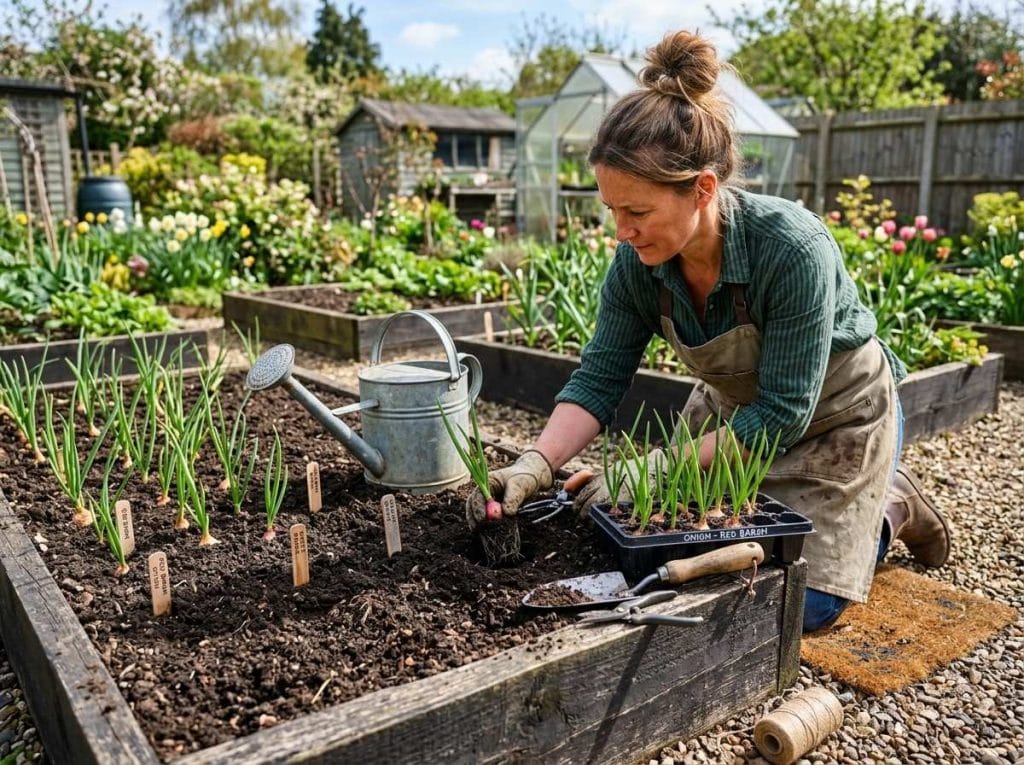
Transplanting seedlings is a key step in growing healthy onions from seed. This process moves young plants from trays or pots into the garden soil. Proper care during transplanting helps seedlings grow strong roots and thrive outdoors.
Seedlings need the right timing, preparation, and planting methods. Each step supports their growth and helps prevent shock. Follow simple tips for a smooth transplant and better onion crops.
Transplant seedlings when they have 3-4 true leaves. This stage ensures they are strong enough for outdoor conditions. Usually, this happens 6-8 weeks after sowing seeds indoors. The weather must be cool but frost-free. Soil temperature should be at least 50°F (10°C). Avoid transplanting on very hot or windy days.
Harden off seedlings before planting outside. This means slowly exposing them to outdoor conditions. Start with a few hours in shade, then increase sunlight and time daily. This process takes about 7-10 days. Hardening off helps seedlings adjust to wind, sun, and cooler temperatures. It reduces transplant shock and improves survival rates.
Choose a sunny spot with well-drained soil for planting. Space seedlings about 4 inches apart in rows 12 inches apart. Dig holes deep enough to cover roots without bending them. Gently remove seedlings from pots, keeping soil around roots intact. Place each seedling in a hole and firm soil around it. Water seedlings well after planting to settle soil and reduce stress.
Onion care and maintenance are key to growing healthy onions from seed. Proper care helps onions grow strong and produce big bulbs. Paying attention to water, nutrients, and pests keeps plants healthy.
Good care also prevents common problems that slow growth or damage onions. Follow simple steps to keep your onion patch thriving throughout the season.
Onions need steady moisture but dislike soggy soil. Water deeply once or twice a week, depending on rain. Keep soil damp but not soaked. Avoid watering the leaves to reduce disease risk. Early morning watering is best. This helps onions absorb water before heat dries the soil.
Feed onions with balanced fertilizer for steady growth. Use fertilizer high in nitrogen early to grow strong leaves. Switch to lower nitrogen and more phosphorus and potassium when bulbs start to form. Apply fertilizer every 3 to 4 weeks. Avoid over-fertilizing; it can cause soft bulbs and weak stems.
Watch for onion pests like thrips, onion maggots, and aphids. Remove pests by hand or use insecticidal soap. Crop rotation helps reduce pest buildup. Prevent diseases by planting in well-drained soil. Avoid overhead watering to lower fungal problems. Remove and destroy infected plants quickly to stop spread.
Harvesting onions is an exciting step after months of care. This stage decides how good your onions will taste and how long they last. Knowing the right time and method helps keep your onions fresh and tasty.
Onions are ready when their tops start to fall over. The leaves turn yellow and dry. Bulbs should be firm and large. Check size by gently pressing the onion. If it feels soft, wait a bit longer.
Loosen soil around the onions using a garden fork. Pull onions out by the base of the stem. Avoid pulling by the leaves to prevent damage. Shake off excess dirt without washing. Let them dry outside for a few hours.
Place onions in a dry, warm, and airy place. Leave them for two to three weeks to cure. The skin will become papery and dry. Trim roots and cut tops about one inch above bulbs. Store cured onions in mesh bags or baskets. Keep them in a cool, dark place to last months.
Growing onions from seed can be very rewarding. Yet, gardeners often face some common problems. These issues can slow growth or reduce your onion harvest. Knowing how to fix these problems helps you keep your plants healthy.
Poor germination happens when seeds do not sprout well. Seeds need warm soil, about 70°F (21°C), to start growing. Plant seeds shallow, about ¼ inch deep. Overwatering or underwatering also stops seeds from sprouting. Keep soil moist but not wet. Old seeds may not grow well. Use fresh seeds for better results.
Bolting means onions grow flowers too soon. This wastes the plant’s energy and makes bulbs small. Cold weather or sudden temperature changes can cause bolting. Choose onion varieties that suit your climate. Keep soil evenly moist to reduce stress. Remove flowers quickly if bolting starts.
Onions attract pests like onion maggots and thrips. These pests eat leaves and bulbs, harming plants. Use insecticidal soap or natural predators to control pests. Diseases like onion rot or mildew can kill plants. Avoid watering leaves and keep good air flow. Remove and destroy infected plants to stop spread.
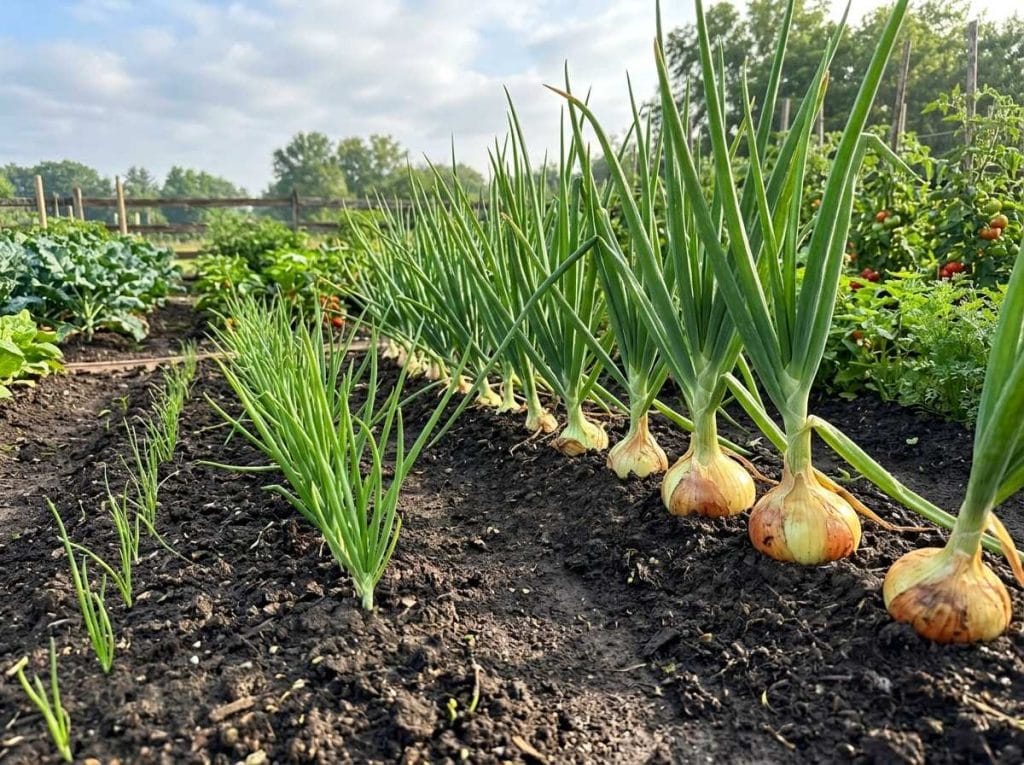
Onions usually take 90 to 120 days to grow fully from seed to harvest.
Loose, well-drained soil rich in organic matter works best for growing onions.
Onion seeds need full sunlight, about 6 to 8 hours daily, to grow strong.
Keep the soil moist but not soggy; water onion seeds lightly every day.
Yes, starting seeds indoors 8-10 weeks before transplanting helps onions grow better.
Growing onions from seed takes patience and care. Start with good soil and plenty of sunlight. Water regularly but avoid soaking the seeds. Watch your plants grow strong and healthy. Harvest onions when their tops turn brown and dry. Enjoy fresh onions from your own garden.
It feels rewarding to grow food by yourself. Keep trying, and your skills will improve. Soon, you will have tasty onions to share and use. Gardening brings joy and fresh flavors to your meals.