Gardening Made Simple.
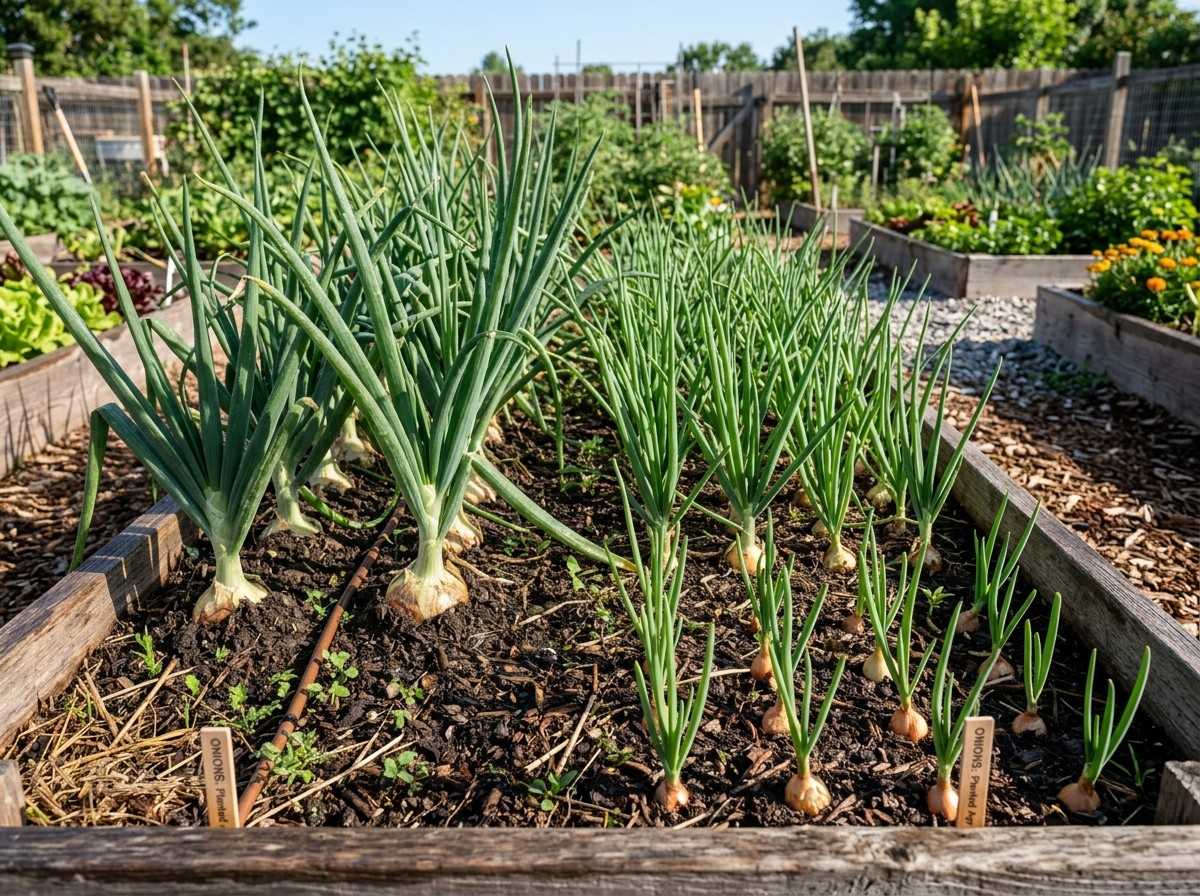
If you want to grow fresh, tasty onions right in your garden, How to Plant Onion Bulbs is one of the easiest ways to get started. You might think planting onion bulbs is tricky, but with the right soil, planting depth, spacing, and care, you can have healthy onions growing in no time. This guide covers the essential steps to help your onion bulbs establish strong roots and produce a flavorful harvest.
Imagine harvesting your own onions that add crisp flavor to your meals—sounds great, right? In this guide, you’ll discover simple, practical tips to plant your onion bulbs the right way. Keep reading, and you’ll be ready to dig in and watch your garden thrive!
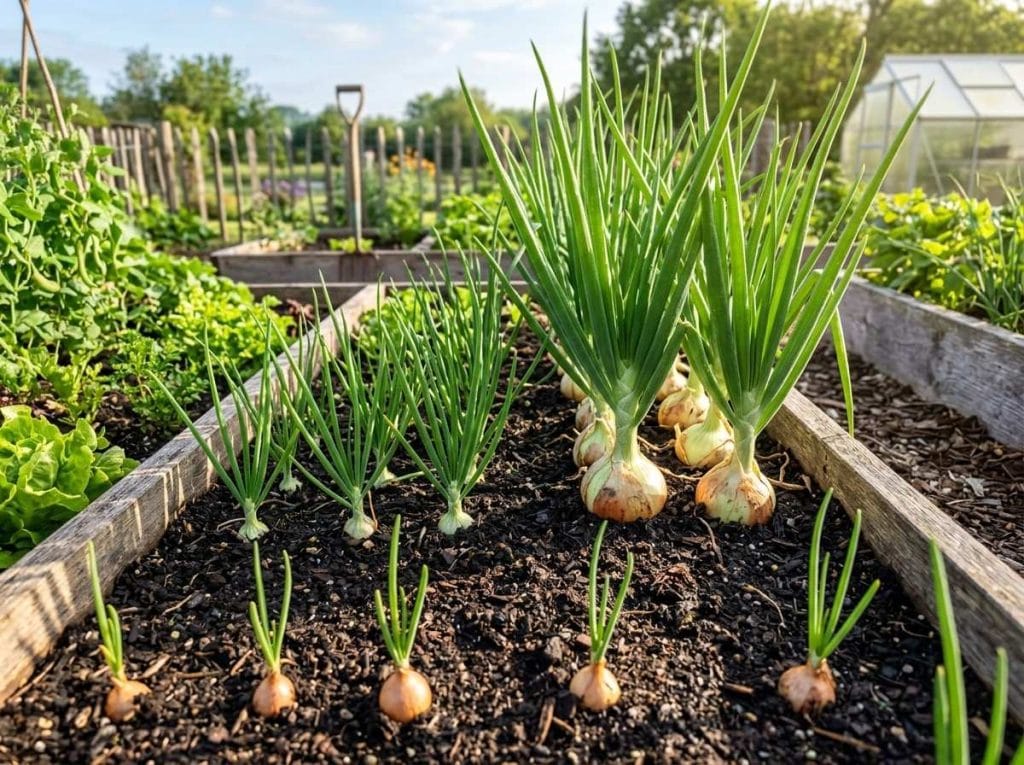
Choosing the right onion bulbs is the first step for a healthy garden. Good bulbs lead to strong plants and better harvest. This section helps you pick the best onion bulbs for your soil and climate.
Onions come in many types. Some grow better in warm places. Others like cooler weather. Choose a variety that suits your region’s climate. Think about how you want to use the onions. Sweet onions are great for salads. Storage onions last longer in your pantry. Pick a type that fits your cooking style and garden conditions.
Look for firm and plump bulbs. Avoid soft or damaged ones. Healthy bulbs have no spots or mold. Choose bulbs with a dry outer layer. This shows they are fresh and ready to plant. Buy bulbs from a trusted garden center or nursery. Fresh, high-quality bulbs grow into strong plants. This step helps ensure a good onion harvest.
Preparing the planting site is a key step for growing healthy onion bulbs. A good site helps onions grow strong roots and produce big bulbs. Choosing the right soil, location, and preparing the ground makes a big difference.
Onions grow best in loose, well-drained soil. The soil must be rich in organic matter. Avoid heavy clay soils that hold water. Sandy loam or silty soil works well for onions. The pH level should be between 6.0 and 7.0. This range helps onions absorb nutrients easily.
Pick a spot that gets full sunlight. Onions need at least 6 hours of direct sun daily. More sunlight means stronger growth. Avoid shady areas near trees or tall plants. Good air circulation helps prevent diseases. Keep the site clear of weeds and debris.
Start by removing stones, weeds, and old roots. Loosen the soil to a depth of 8 to 12 inches. Mix in compost or well-rotted manure to add nutrients. Rake the soil smooth and level it out. Water the soil lightly before planting onion bulbs. This prepares a soft bed for roots to grow.
Planting onion bulbs is simple and rewarding. Onions grow well in many gardens. Starting with healthy bulbs helps ensure a good harvest. Proper planting gives onions space and nutrients to grow strong.
Follow these steps to plant onion bulbs correctly. This will help you get big, tasty onions for your meals.
Plant onion bulbs early in spring. The soil should be cool, about 50°F (10°C). Onions can handle light frost but not deep freezes. In mild areas, plant in late winter. Timing depends on your local climate. Plant too late, and onions may not grow well.
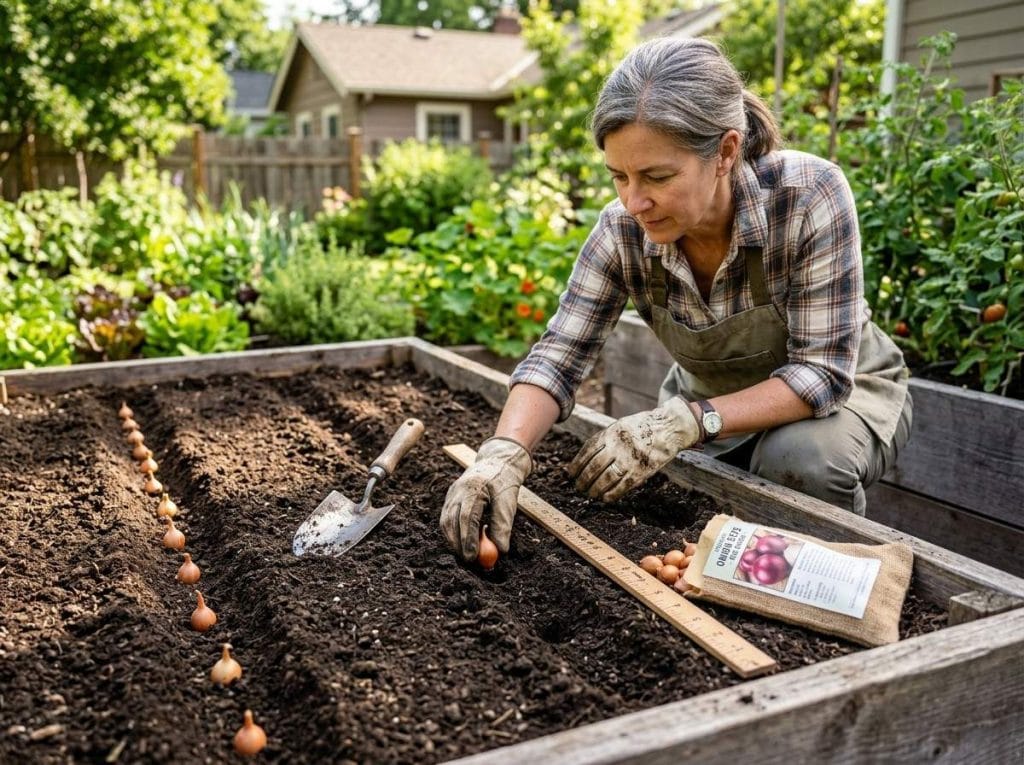
Space onion bulbs about 4 inches apart. This gives them room to grow wide. Rows should be 12 inches apart for good airflow. Plant bulbs 1 inch deep. Cover them with loose soil. Avoid planting too deep or shallow. Proper depth helps roots grow strong and prevents rot.
Prepare soil by loosening it to a depth of 6 inches. Remove weeds and rocks. Place each bulb upright in the hole. The pointed end should face up. Cover with soil gently. Press soil lightly to hold bulbs in place. Water well after planting to settle soil. Keep soil moist until sprouts appear.
Caring for onion plants is key to a healthy and strong harvest. These plants need steady attention to grow well. Simple steps help protect the bulbs and improve growth. Focus on watering, feeding, and keeping pests away. Each part matters for big, tasty onions.
Onions need steady moisture but not too much water. Water them once or twice a week. Soak the soil deeply to reach the roots. Avoid wetting the leaves to stop disease. Let the soil dry a little before watering again.
Feed onions with a balanced fertilizer for best results. Use a fertilizer with nitrogen to boost leaf growth. Apply it every few weeks during the growing season. Spread fertilizer evenly around the plants. Water after fertilizing to help nutrients soak in.
Keep the onion bed free from weeds to reduce competition. Pull weeds by hand or use a hoe carefully. Check plants often for pests like onion maggots and thrips. Use natural pest controls such as insecticidal soap. Healthy plants resist pests better and grow stronger.
Harvesting onions is a crucial step in growing healthy bulbs. Knowing when and how to harvest can affect their taste and storage life. Proper harvesting ensures onions stay fresh for months.
Onions are ready to harvest when the tops start to fall over. The leaves turn yellow or brown. The bulb size should be firm and large enough to pull easily. Avoid waiting too long, or bulbs may split.
Loosen the soil around the bulb with a garden fork or hand tool. Gently lift the onion without damaging it. Shake off excess dirt but do not wash the bulbs. Place them in a dry, shaded area right after harvesting.
Cure onions by spreading them out in a warm, dry place. Good air circulation helps dry the outer skins. Leave them to cure for two to three weeks. Store cured onions in a cool, dark, and dry spot. Use mesh bags or crates to keep air flowing.
Growing onion bulbs is simple but can face some problems. Knowing how to fix these issues helps keep onions healthy and strong. This section covers common problems you may meet during onion planting. It shows easy ways to handle diseases, pests, and growth troubles.
Onions can get diseases like fungal infections and rot. Watch for yellow or brown spots on leaves. Remove and destroy infected plants quickly. Avoid watering leaves directly to reduce fungus. Use well-drained soil to stop root rot. Rotate crops yearly to lower disease risk. Choose disease-resistant onion varieties for better results.
Small insects like onion maggots and thrips can harm bulbs. Check plants often for tiny bugs or holes on leaves. Use natural predators like ladybugs to control pests. Spray plants with mild insecticidal soap if needed. Keep garden clean of debris to reduce hiding spots for pests. Plant onions away from other vegetables that attract insects.
Onions need loose, rich soil to grow well. Hard or compacted soil stops root growth. Water onions deeply but not too much. Too much water causes bulbs to rot. Thin out crowded onions to give space for growth. Add balanced fertilizer to support healthy development. Keep onions in full sun for best results.
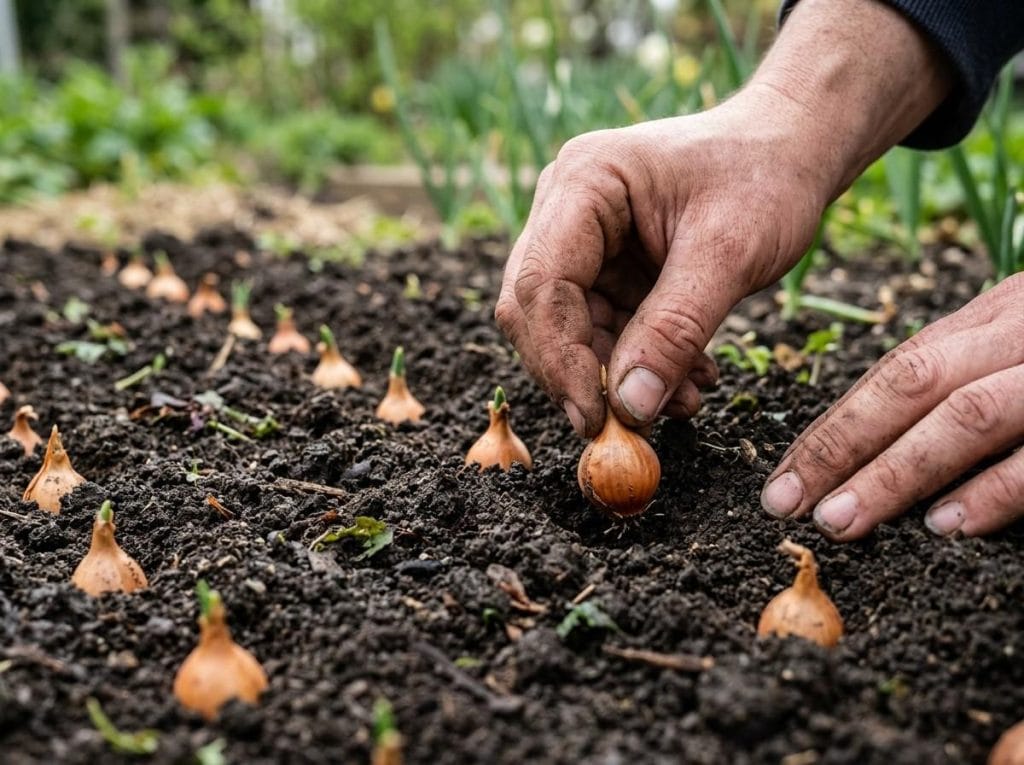
Plant onion bulbs about 1 inch deep for best growth and bulb development.
Plant onion bulbs in early spring or late fall for optimal results.
Space onion bulbs 4 to 6 inches apart to allow room for growth.
Onions grow best in loose, well-drained soil rich in organic matter.
Water onion bulbs regularly, keeping soil moist but not waterlogged.
Planting onion bulbs is simple and rewarding. Choose a sunny spot with good soil. Place bulbs a few inches apart, just under the soil. Water them gently and keep the soil moist. Watch as green shoots grow, signaling healthy plants.
With patience, you will harvest fresh onions in a few months. Small efforts bring great results in your garden. Enjoy the process and the tasty onions you grow yourself. Gardening brings joy and fresh food right at home. Give it a try, and see how easy it can be!