Gardening Made Simple.
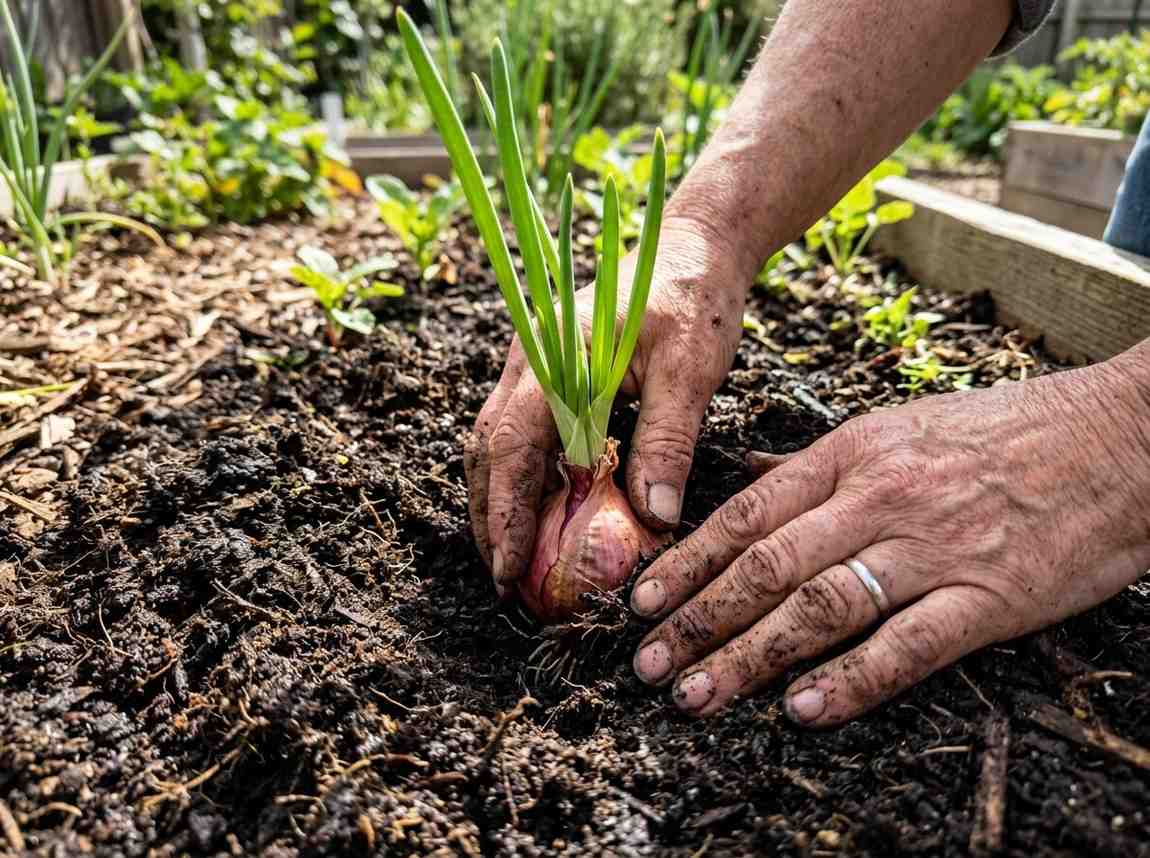
Have you noticed your onion starting to sprout and wondered if you can still use it? Good news—you absolutely can! Learning How to Plant an Onion That Has Sprouted is an easy way to turn a kitchen leftover into a healthy, productive garden plant.
Planting a sprouted onion is easier than you think, and it’s a great way to grow fresh onions right at home. Imagine harvesting your own crisp, flavorful onions from a simple sprout you almost tossed away. In this guide, you’ll learn exactly how to turn that sprouted onion into a thriving plant, step by step.
Ready to transform your kitchen scraps into a mini garden? Let’s get started!
Choosing the right onion is important for a good harvest. Not all sprouted onions grow well in the garden. Picking the best onion gives your plants a strong start. Healthy onions produce better bulbs and resist disease.
Look closely at the onion before planting. Check its roots and sprouts. The onion’s condition affects how well it grows. Choose onions that show signs of life and strength.
Pick onions with firm bulbs and fresh green sprouts. Avoid onions that are soft or have dark spots. Healthy sprouts are bright green, not yellow or brown. The roots should be white and moist. Dry or rotten roots mean the onion is weak. Strong onions have a better chance to grow into big bulbs.
Choose onion types suited for your climate and soil. Common varieties include yellow, red, and white onions. Yellow onions grow well in many places. Red onions add color and taste. White onions have a sharp flavor and grow fast. Pick varieties that suit your cooking and garden needs.
Some onions grow better from sets or seeds, but sprouted onions save time. Look for local recommendations to find the best types for your area. Good varieties help ensure a healthy onion crop.
Preparing the planting area is key to growing healthy onions from sprouted bulbs. The right soil and location help onions grow strong roots and develop good flavor. Spend time preparing the bed before planting for best results.
Onions prefer loose, well-drained soil. Heavy or clay soils can hold too much water and cause bulbs to rot. Mix compost or aged manure into the soil to improve texture and add nutrients. Aim for soil with a pH between 6.0 and 7.0. Avoid fresh manure as it can burn young roots. Remove stones and weeds for easy root growth.
Choose a spot that gets full sun for at least 6 hours daily. Onions need sunlight to grow large and flavorful bulbs. Avoid shaded or crowded areas near tall plants. Good air circulation reduces disease risk. Plant onions away from other alliums like garlic to prevent pests.
Preparing the onion for planting is an important step to help it grow strong. Proper preparation gives the onion a good start in the soil. This makes it easier for roots and sprouts to develop well. Taking care of the onion before planting saves time and effort later.
Follow simple steps to get the onion ready. These steps improve growth and increase the chance of a good harvest.
Trim the onion sprouts carefully. Cut them to about 1 to 2 inches long. This helps the plant focus on root growth. Avoid cutting too close to the onion bulb. Use clean scissors or garden shears to prevent infection. Removing old or weak sprouts encourages healthy new growth.
Soak the onion in water before planting. Use room temperature water for 2 to 4 hours. This softens the onion and boosts root development. Do not soak for too long to avoid rot. After soaking, drain the water well. Plant the onion soon to keep it fresh and ready.
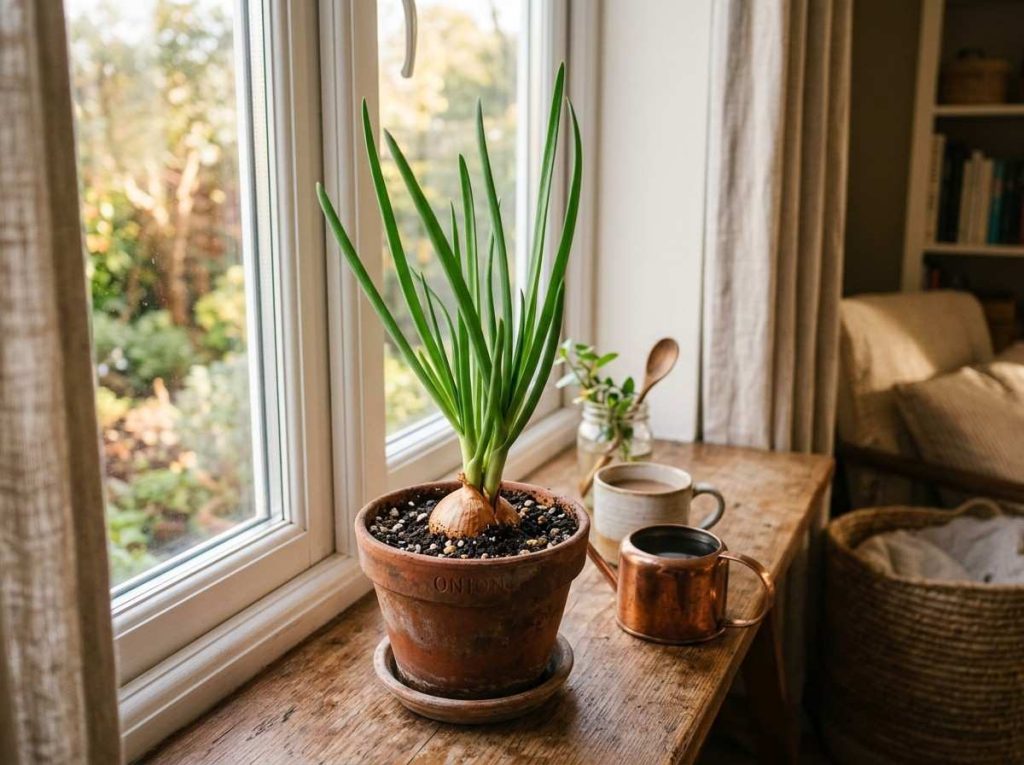
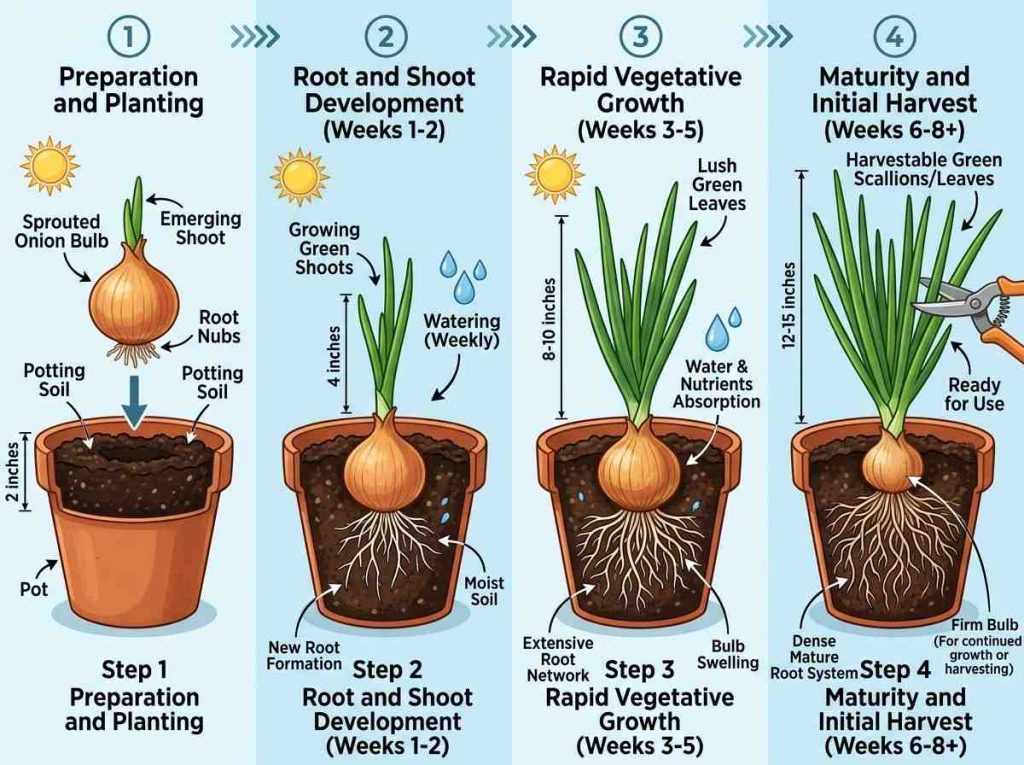
Planting an onion that has sprouted is simple with clear steps. Follow these instructions to help your onion grow strong and healthy. Each step ensures the sprouted onion gets the right start in your garden or pot.
Start by digging a hole in loose soil. The hole should be wide enough to fit the onion bulb without bending the roots. Make sure the soil is soft and free of rocks. This helps the roots grow easily.
Place the onion bulb in the hole with the sprouted green shoots facing up. Cover the bulb with soil, leaving the green tips above the ground. Plant onions about 4 inches apart to give them space to grow. Proper depth and spacing help the onion develop well.
Water the planted onion gently but deeply right after planting. This helps the soil settle around the roots. Keep the soil moist but not soaked. Regular watering supports steady growth and stops the bulb from drying out.
Caring for sprouted onions is key for a healthy harvest. These onions need the right environment to grow strong and produce well. Proper care helps them develop bulbs and avoid common problems. Focus on watering, feeding, and protecting your plants.
Sprouted onions need regular watering to stay moist. Water the soil deeply once or twice a week. Avoid overwatering to prevent root rot. Check the soil surface; it should feel damp but not soggy. Water early in the morning for best results.
Use a balanced fertilizer to feed your sprouted onions. Apply fertilizer every three weeks during the growing season. Choose one with equal parts nitrogen, phosphorus, and potassium. Avoid too much nitrogen to prevent leafy growth over bulbs. Follow package instructions for safe use.
Watch for common pests like onion flies and aphids. Handpick pests or use natural insect sprays. Remove any damaged or yellow leaves to reduce disease risk. Keep the area clean and free of weeds. Rotate crops each year to prevent soil diseases.
Harvesting and storing sprouted onions is an important step for a good yield. Knowing the right time to harvest helps keep the onions fresh and tasty. Storing them correctly makes sure they last longer and stay healthy.
Onions are ready to harvest when their leaves turn yellow and fall over. This usually happens about 100 days after planting. Gently pull the onions from the soil. Avoid damaging the bulbs. Let the onions dry in a warm, dry place for a few days. This process is called curing and helps the onions store better.
Store onions in a cool, dark, and well-ventilated area. Avoid storing them near potatoes. Use mesh bags or baskets to keep air flowing. Do not store onions in plastic bags. Check onions often and remove any that show signs of rot. Proper storage can keep onions fresh for several months.
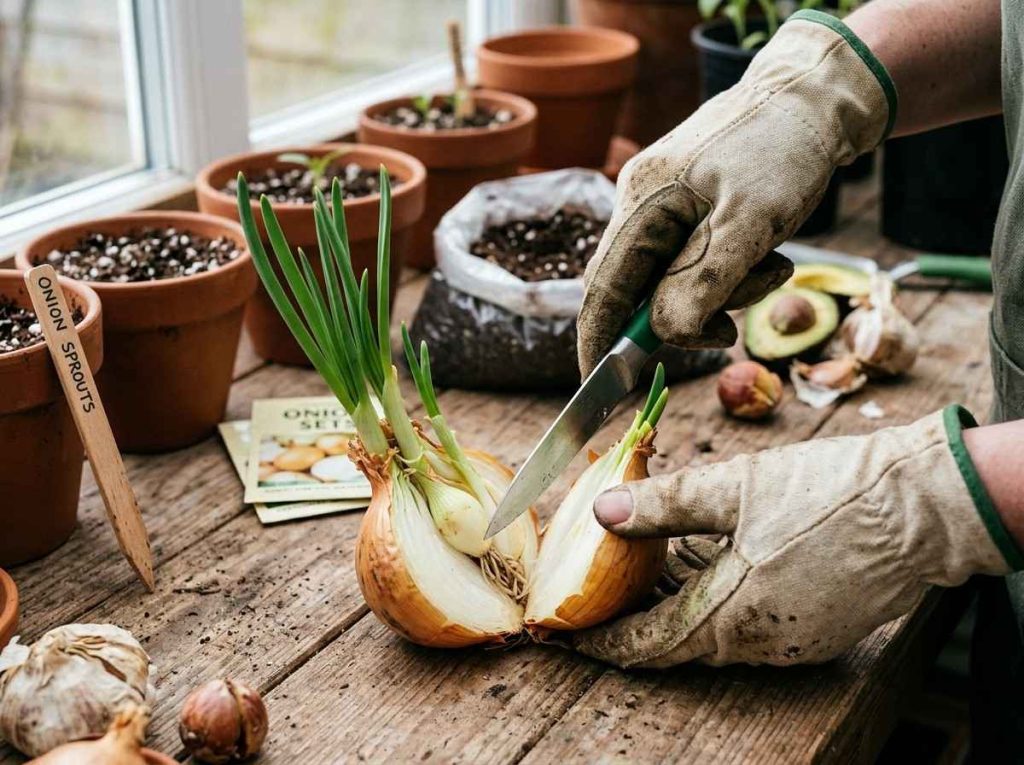
Place the sprouted onion in soil with the roots down and shoots up. Water it well.
Yes, sprouted onions can grow new bulbs if planted in good soil and watered regularly.
Loose, well-draining soil with organic matter works best for growing sprouted onions.
Water the onion plant when the top inch of soil feels dry, about twice a week.
It usually takes 3 to 4 months for a sprouted onion to grow a mature bulb.
Planting sprouted onions is easy and rewarding. Just follow simple steps carefully. Choose healthy sprouts and plant them in good soil. Water regularly but avoid overwatering. Watch your onions grow strong over time. Growing your own onions saves money and adds fresh flavor.
Anyone can do this with a little patience. Try planting sprouted onions in your garden today. Enjoy fresh, homegrown onions in your meals soon. Gardening brings joy and tasty results. Give it a try—you won’t regret it.