Gardening Made Simple.
Have you ever wondered exactly when to plant garlic for the best harvest? Timing is everything when it comes to growing garlic successfully. Understanding When to Plant Garlic will help you achieve stronger plants and a more abundant harvest.
Plant it too early or too late, and you might end up with small bulbs or no garlic at all. You’ll discover the perfect planting window that fits your climate and garden. By the end, you’ll know exactly when to plant garlic to enjoy a bountiful, flavorful crop.
Keep reading to unlock the secret to growing garlic like a pro!
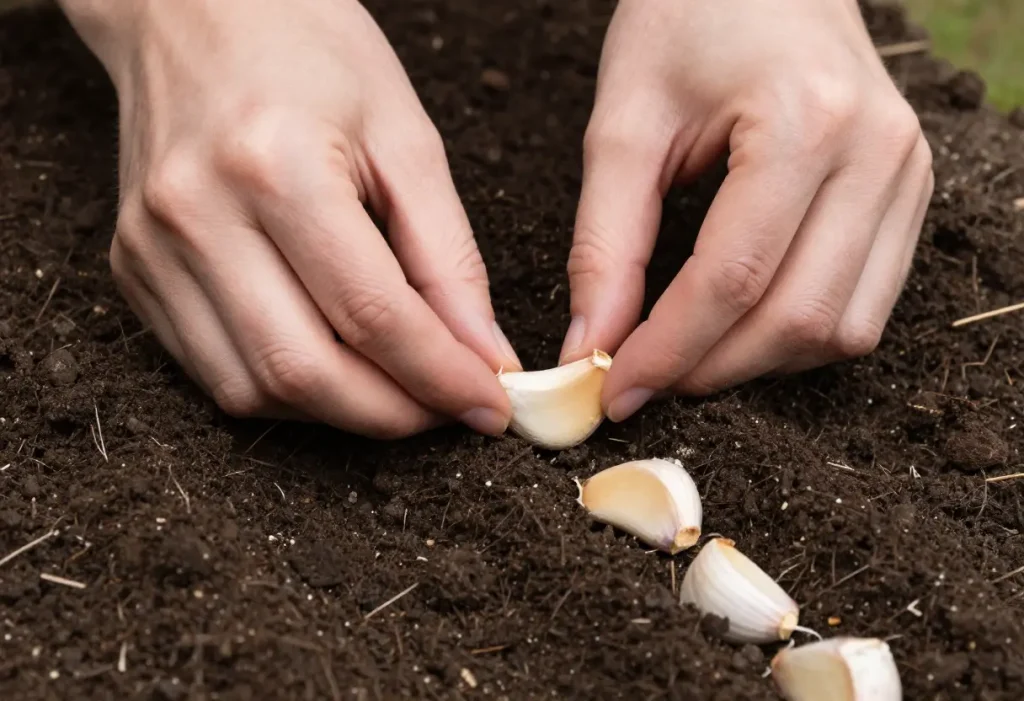
Planting garlic at the right time is very important. It helps the garlic grow strong and healthy. Plant too early or too late, and the crop may suffer. Knowing the best time to plant garlic can improve your harvest.
Garlic is usually planted in fall or early spring. Fall planting lets garlic develop roots before winter. This leads to bigger bulbs in summer. Spring planting works in mild climates with short winters. Choose the season based on your local weather.
Garlic needs a cold period to grow well. This is called vernalization. In cold climates, plant in late fall. In mild climates, plant in late winter or early spring. Avoid planting in hot or dry seasons. Climate affects garlic’s growth cycle and bulb size.
Soil temperature is key for garlic planting. Plant garlic when soil temperature is between 50°F and 70°F (10°C to 21°C). Too cold soil can stop root growth. Too warm soil can make garlic sprout too soon. Use a soil thermometer to check temperature before planting.
Choosing the right garlic variety is important for a good harvest. Different types of garlic grow better in certain places. They also taste different and have unique features. Knowing these differences helps you pick the best garlic for your garden.
Hardneck garlic has a stiff central stalk. It grows well in cold climates. The cloves are easy to peel. This type usually has fewer but larger cloves.
Softneck garlic does not have a hard stalk. It grows well in milder climates. It has many small cloves. Softneck garlic stores longer than hardneck.
Garlic grows best when suited to the local climate. Some varieties handle cold winters better. Others prefer warm, mild weather. Choose garlic types known to grow well near you. Local garden centers can help with recommendations.
Garlic flavor varies by variety. Hardneck types often have a strong, spicy taste. Softneck varieties tend to be milder and sweeter. Think about how you will use the garlic in cooking. Pick a flavor that matches your meals.
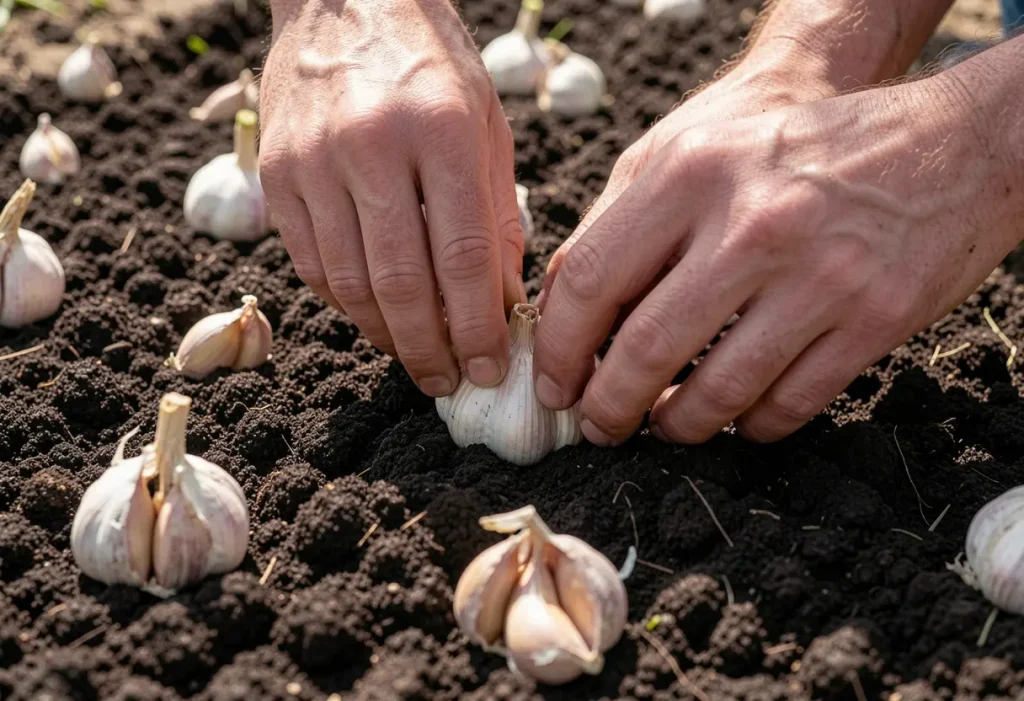
Preparing the soil is a key step before planting garlic. Healthy soil helps garlic grow strong and healthy. Take time to get the soil ready. It makes a big difference in your harvest.
Test your soil to know its current condition. Soil tests show nutrient levels and pH balance. You can buy a simple soil test kit or send samples to a lab. Knowing soil health helps choose the right amendments. It saves time and money on wrong treatments.
Add organic matter like compost or aged manure to enrich the soil. These materials improve soil texture and provide nutrients. Garlic needs nitrogen, phosphorus, and potassium to grow well. Use a balanced fertilizer based on soil test results. Avoid too much nitrogen, which can cause weak garlic bulbs.
Good drainage prevents waterlogging, which harms garlic roots. Plant garlic in loose, well-drained soil. Raised beds or adding sand can improve drainage. Garlic prefers soil pH between 6.0 and 7.0. Test soil pH and adjust with lime or sulfur if needed. Proper pH helps garlic absorb nutrients efficiently.
Planting garlic properly helps it grow strong and healthy. Good techniques increase your chance of a big harvest. Focus on how to space cloves, pick the best ones, and care for the soil with mulch. These steps make a big difference.
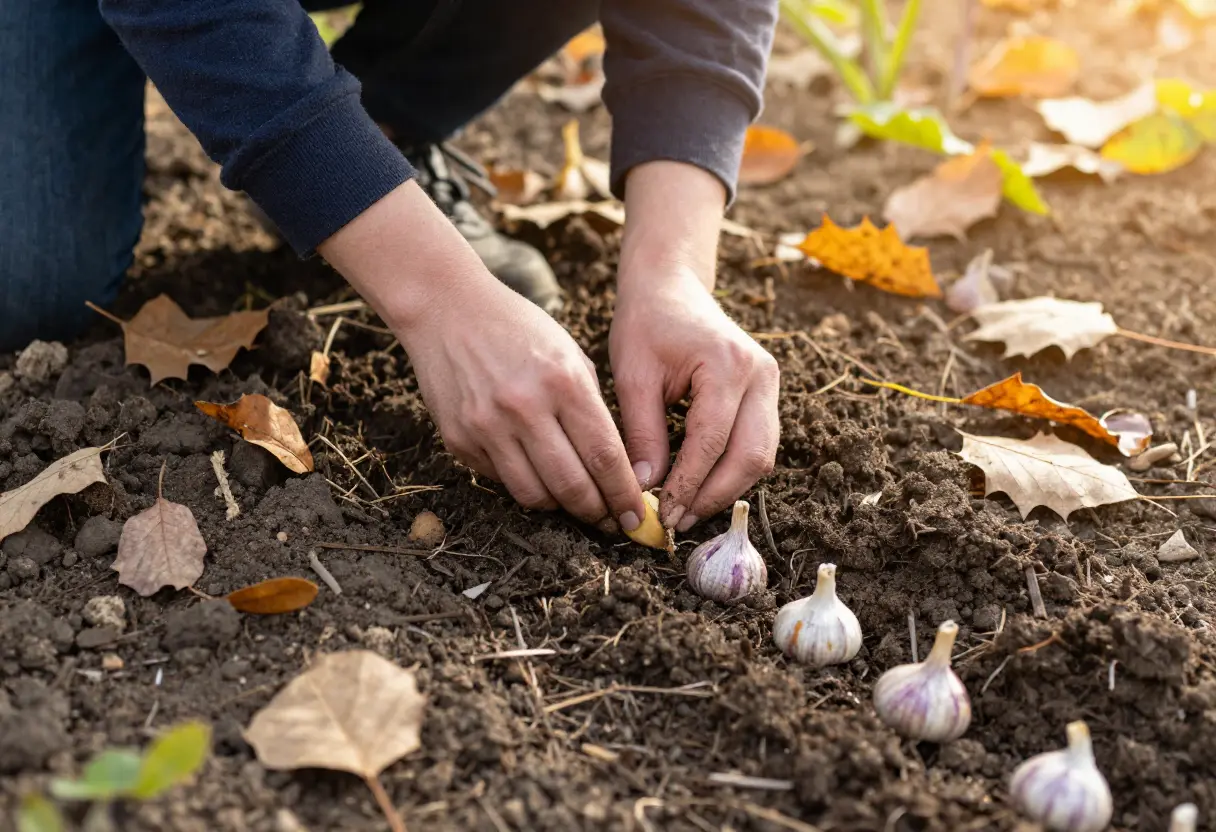
Space garlic cloves about 4 to 6 inches apart. This gives each clove room to grow. Plant cloves 2 inches deep in the soil. Too shallow, and they dry out. Too deep, and they may not sprout well.
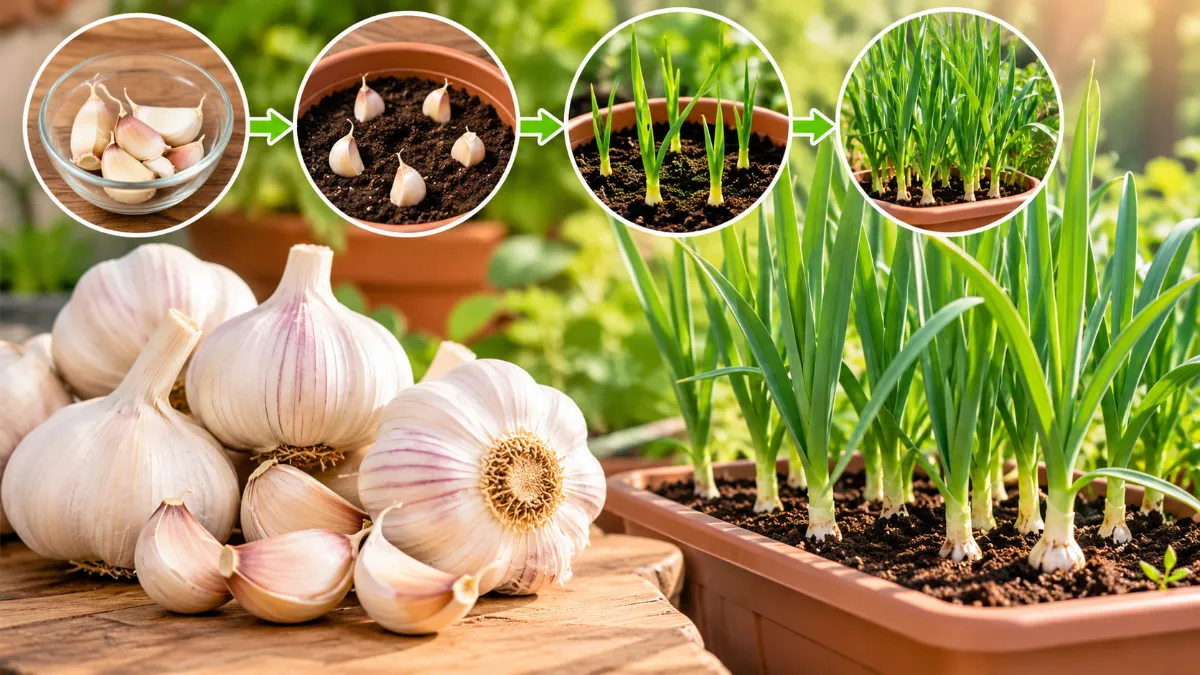
Choose the biggest and healthiest cloves for planting. Small or damaged cloves grow weak plants. Break the bulb carefully to keep the skin on each clove. This protects the garlic and helps it grow better.
Cover garlic beds with mulch after planting. Use straw, leaves, or grass clippings. Mulch keeps soil moist and stops weeds. It also protects garlic from cold weather during winter.
Proper watering and care are key for growing healthy garlic. Garlic needs steady moisture but not too much water. Good care helps bulbs grow big and strong.
Water garlic deeply once a week. Keep soil moist but not soggy. Stop watering two weeks before harvest. Too much water causes bulbs to rot. Use drip irrigation or water at soil level.
Weeds steal nutrients and water from garlic. Remove weeds regularly by hand or hoe. Mulch around garlic to prevent weed growth. Mulch also keeps soil moist and cool.
Check garlic plants often for pests like onion maggots and thrips. Use natural remedies or insecticidal soap if needed. Avoid wetting leaves to prevent fungal diseases. Rotate garlic planting spots each year to reduce disease risk.
Harvest timing is key to getting the best garlic bulbs. Picking garlic too early or too late affects its size and flavor. Knowing the right signs helps you harvest at the perfect time.
Watch the leaves closely. When the lower leaves turn brown but the upper leaves stay green, garlic is almost ready. Most gardeners harvest when about half the leaves are brown. The bulbs should feel firm and full under the soil.
Use a garden fork or shovel to loosen soil around the bulbs. Lift the garlic carefully to avoid bruising the cloves. Shake off excess dirt but do not wash the bulbs. Let the dirt dry naturally for better storage.
Hang garlic in a warm, dry, and airy place for two to four weeks. This curing process dries the skin and toughens the neck. Once cured, trim the roots and cut the stems. Store garlic in a cool, dark spot with good airflow.
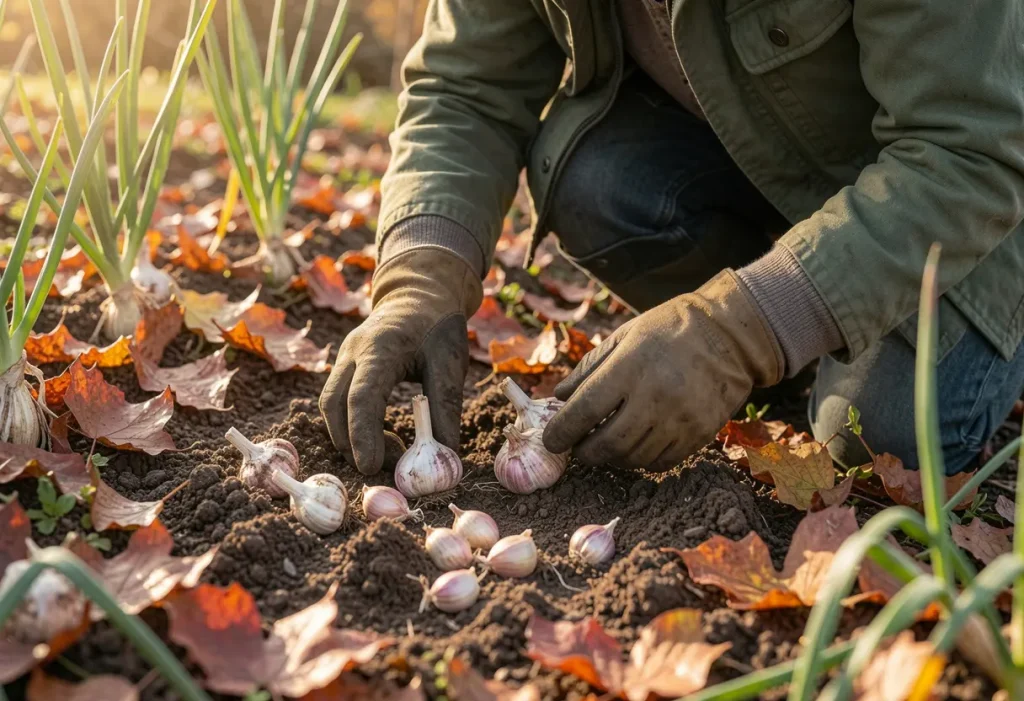
Plant garlic in early fall, about 4-6 weeks before the first frost date.
Spring planting is possible but may result in smaller bulbs than fall planting.
Garlic grows best when soil temperature is between 50-60°F at planting time.
Planting too early can cause sprouting; too late can reduce bulb size.
Garlic usually takes 6 to 8 months from planting to harvest time.
Plant garlic in the right season for best growth. Choose fall for cooler climates and early spring for warmer areas. Prepare soil well and plant cloves deep enough. Water regularly but avoid soaking the soil. Healthy garlic needs time to grow strong bulbs.
Watch your plants and protect from pests. Patience pays off with fresh, tasty garlic. Start planting now to enjoy a rich harvest later. Simple steps lead to great results in garlic gardening.