Gardening Made Simple.
Are you curious about the difference between soft neck garlic and hardneck garlic? Whether you’re growing garlic in your garden or choosing the best type for cooking, knowing how these two varieties differ can make a big difference. Understanding Soft Neck Garlic Vs Hardneck Garlic will help you pick the right type for better flavor, storage, and growing success.
Soft neck garlic and hardneck garlic each have unique flavors, growing needs, and uses that might surprise you. By the end of this article, you’ll feel confident picking the right garlic for your kitchen or garden. Ready to discover which garlic suits your taste and lifestyle best?
Let’s dive in!
Softneck garlic is popular among gardeners and chefs for many reasons. It grows well in mild climates and stores longer than other types. Many people choose softneck garlic for its easy peeling and mild taste.
Understanding softneck garlic features helps in picking the right type for cooking or planting. Below are key aspects of softneck garlic to know.
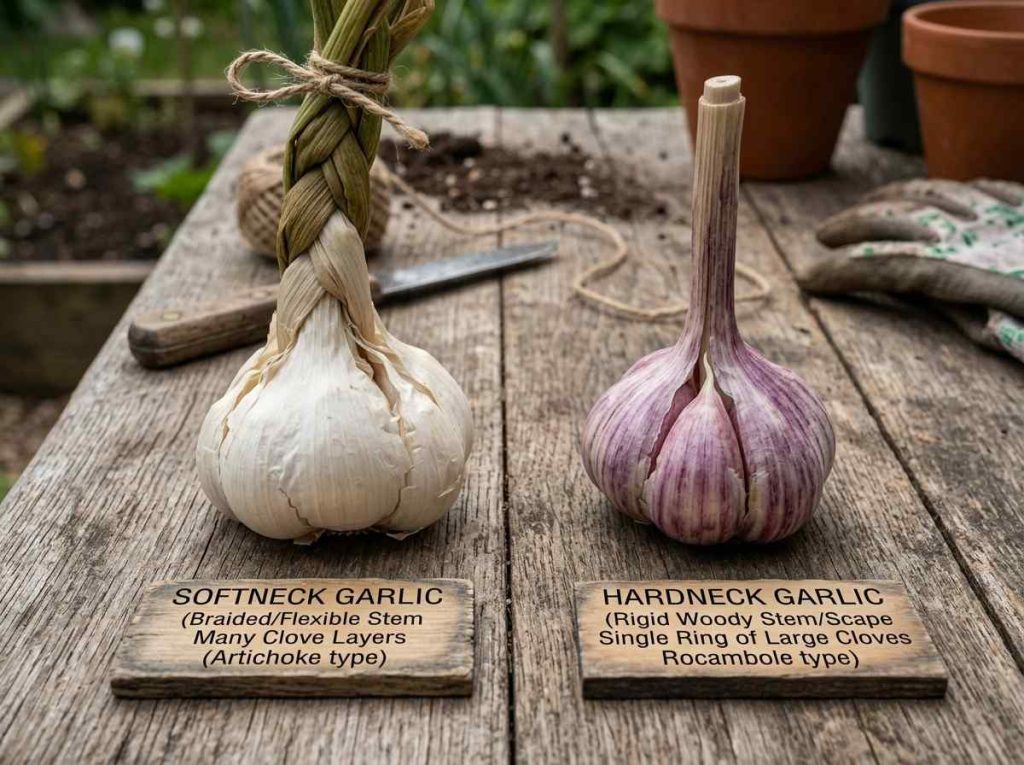
Softneck garlic has a soft, flexible neck. This neck is easy to braid or twist. Its cloves are usually many and smaller than hardneck types. The bulbs are round and covered in white or light purple skin. The soft neck makes it easy to store and handle.
The flavor of softneck garlic is milder and less sharp. It has a smooth, sweet taste. This garlic works well in sauces, dressings, and raw dishes. It does not overpower other ingredients. Its gentle flavor suits many cooking styles.
Softneck garlic includes popular types like Artichoke and Silverskin. Artichoke garlic has large bulbs with many cloves. Silverskin garlic stores very well and lasts for months. These varieties are common in grocery stores worldwide.
Softneck garlic grows best in mild winters and warm summers. It does not need cold weather to develop bulbs. This type grows well in many garden soils. It requires moderate water and full sun for best growth.
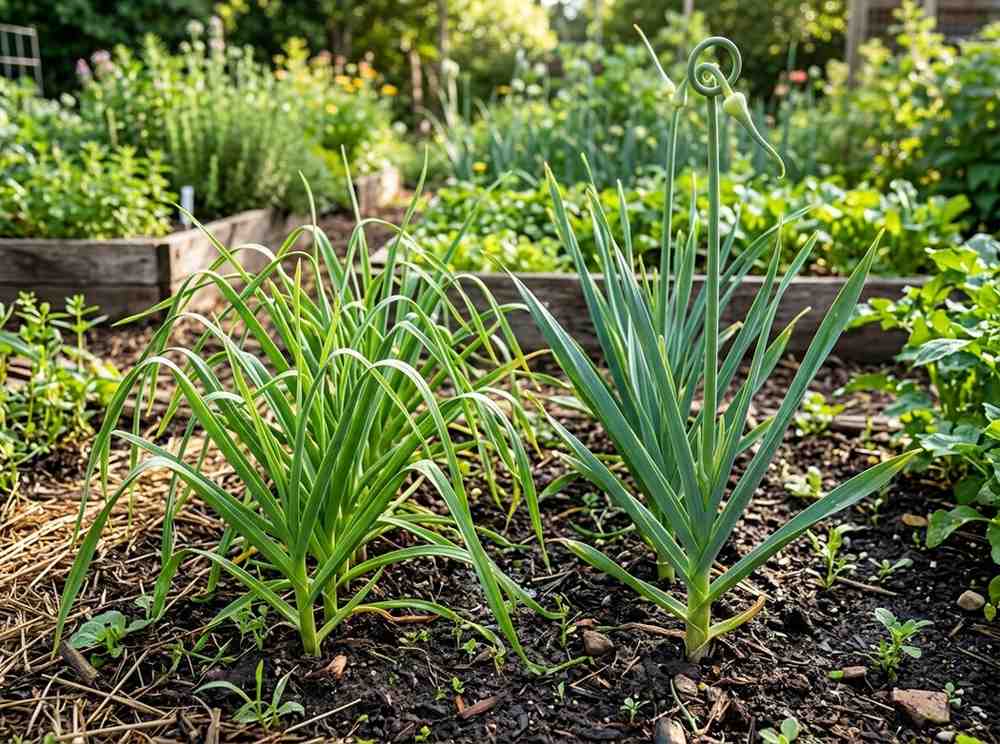
Hardneck garlic stands out with unique traits. It grows well in cold climates. Many gardeners prefer it for its strong flavor and easy peeling. This garlic type has a stiff central stalk. It gives the plant a solid structure and helps with storage. Hardneck garlic also produces flower stalks called scapes. These scapes are edible and add variety to meals.
Hardneck garlic has a tall, straight central stalk. Around it, cloves form in a single ring. The cloves are large and easy to separate. The skin is thin but tough. Bulbs are usually medium to large in size. The garlic plant grows to about 18 inches tall. Its scapes curl and can be harvested early.
Hardneck garlic has a bold, spicy taste. It offers more heat than softneck varieties. The flavor can be sharp and complex. Cooking softens its strong bite. It adds depth to soups, sauces, and roasted dishes. Many chefs choose hardneck for its rich aroma.
Popular hardneck types include Rocambole, Porcelain, and Purple Stripe. Rocambole is known for rich, deep flavor. Porcelain bulbs are large and white. Purple Stripe varieties show beautiful purple streaks. Each variety has unique taste and storage life. They all share the hard central stalk feature.
Hardneck garlic prefers cooler climates. It needs cold winters to grow well. The plant requires well-drained, fertile soil. It grows best in full sun exposure. Gardeners plant it in fall for spring harvest. Hardneck garlic handles cold better than softneck types.
Soft neck and hardneck garlic have distinct flavors that affect cooking choices. Each type offers unique taste qualities. Understanding these differences helps select the right garlic for dishes. Let's explore their flavor profiles in detail.
Soft neck garlic has a milder, less sharp taste. It offers a smooth and gentle garlic flavor. This type suits recipes needing subtle garlic notes.
Hardneck garlic delivers a stronger, more pungent flavor. It has complex layers with spicy, sometimes fruity hints. This garlic stands out in bold dishes.
Soft neck garlic works well in raw or lightly cooked foods. Try it in salads, dressings, or sauces where mild flavor is key.
Hardneck garlic fits roasting, grilling, and hearty meals. Its strong taste enhances stews, roasts, and stir-fries. Use it where garlic is the star ingredient.
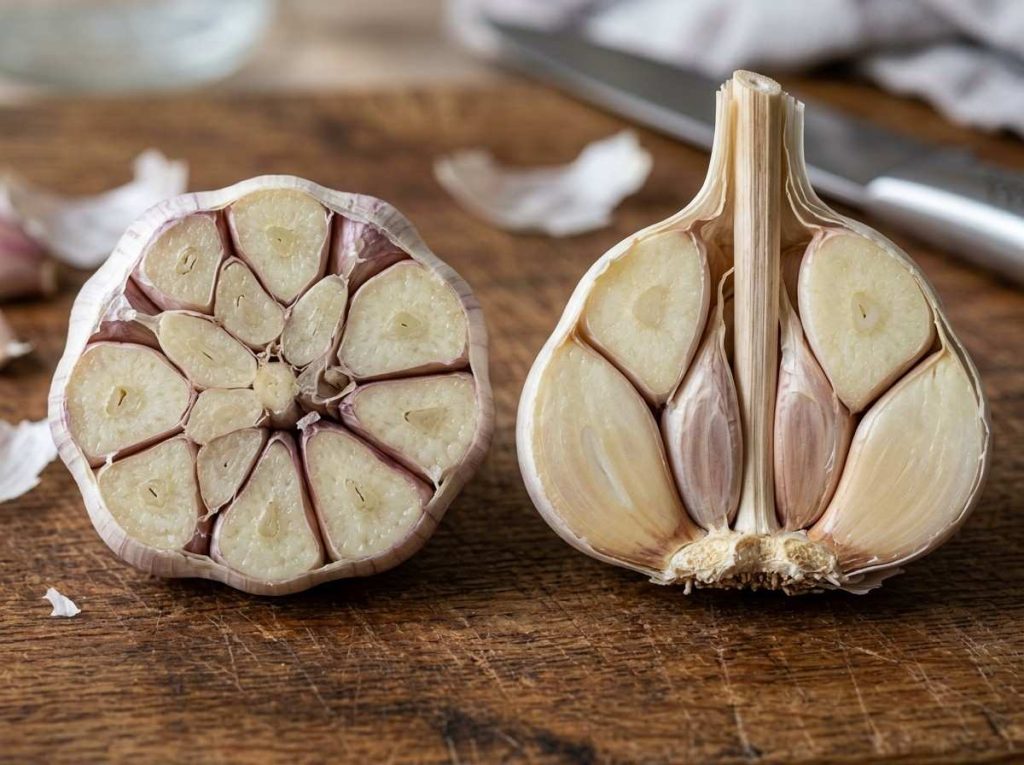
Understanding the growth and climate needs of soft neck garlic and hardneck garlic helps gardeners choose the right type. Both types have unique requirements that affect their success. Knowing these needs improves garlic yield and quality.
Soft neck garlic grows well in mild climates with warm winters. It likes well-drained soil with a pH between 6.0 and 7.0. Soft neck garlic does not need very cold weather to grow strong.
Hardneck garlic prefers cooler climates with cold winters. It requires a period of cold to develop cloves properly. This type grows best in loose, fertile soil that drains water well. The soil pH should be near neutral.
Plant soft neck garlic in fall before the first frost. Space the cloves about four inches apart. Harvest soft neck garlic in late spring to early summer when leaves turn yellow.
Hardneck garlic should be planted in late fall for best growth. Space the cloves six inches apart to allow bulb development. Harvest hardneck garlic in mid to late summer when leaves dry out.
Storage and shelf life play a big role in choosing garlic. Both softneck and hardneck garlic have unique traits. Knowing how each type stores helps keep garlic fresh longer. This section explores how to store them and their shelf life differences.
Softneck garlic stores well for many months. Its flexible neck allows easy braiding. Braids hang in cool, dry places. This keeps air flowing around bulbs. Good air circulation stops mold and rot.
Softneck garlic prefers temperatures around 60°F (15°C). It stays firm and flavorful for six to eight months. This makes it ideal for long-term kitchen use. Softneck garlic also resists sprouting better than hardneck.
Hardneck garlic has a stiff central stalk. This makes braiding difficult. Without braiding, storage space increases. Hardneck garlic likes cooler spots near 32-40°F (0-4°C). It lasts about three to five months.
Hardneck garlic may sprout earlier. It needs more careful handling to avoid drying out. High humidity causes soft spots and mold. Store it in mesh bags or open containers.
Choosing the right garlic is key to a successful garden and tasty meals. Soft neck and hardneck garlic each have unique traits. Understanding these can help you decide which fits your needs best.
Soft neck garlic grows well in mild climates. It stores longer and has many cloves per bulb. Ideal for cooking that requires mild garlic flavor. Hardneck garlic thrives in colder areas. It has fewer, larger cloves and a stronger taste. Good for those who like bold garlic flavors. Also, hardneck garlic produces flower stalks, called scapes, which you can eat.
Soft neck garlic is widely available in stores and markets. It tends to cost less due to easier growing conditions. Hardneck garlic may be pricier and less common. It often comes from specialty farms or seed catalogs. Growing hardneck garlic might require more care but offers unique flavors. Consider your budget and access when choosing garlic type.
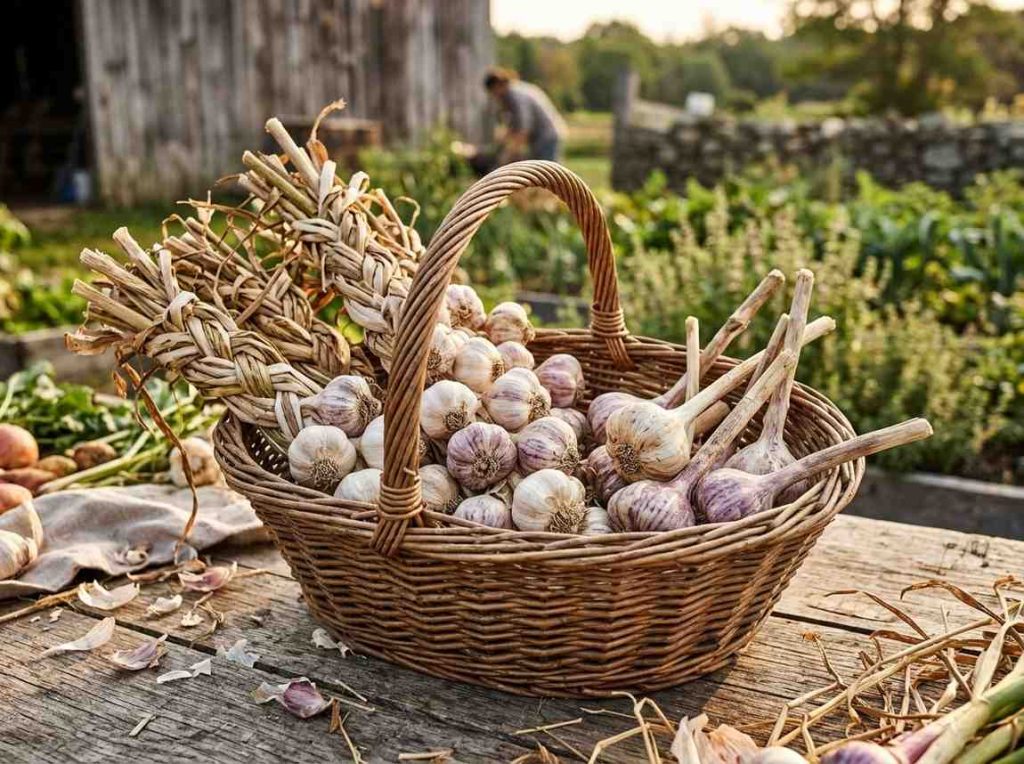
Soft neck garlic has soft stems and many cloves; hardneck garlic has a hard stem and fewer cloves.
Soft neck garlic stores longer, often lasting up to 8-9 months, unlike hardneck garlic.
Hardneck garlic usually has a stronger, more complex flavor than the milder soft neck garlic.
Hardneck garlic grows better in cold climates; soft neck garlic prefers warmer areas.
Hardneck garlic cloves are larger and easier to peel compared to the smaller cloves of soft neck garlic.
Soft neck and hardneck garlic each have unique qualities to consider. Soft neck garlic stores well and grows easily in warm climates. Hardneck garlic offers stronger flavor and works better in cold areas. Choosing between them depends on your taste and growing needs.
Both types add great flavor to meals and gardens. Try both to see which fits you best. Growing garlic can be simple and rewarding. Enjoy the process and fresh garlic taste!