Gardening Made Simple.
Are you wondering When to Harvest Carrots for the best taste and texture? Picking them at the right time can make all the difference between sweet, crunchy carrots and ones that turn tough or bitter.
Knowing exactly when to pull them from the soil isn’t always easy, but it’s key to enjoying your garden’s full reward. You’ll discover simple signs to watch for, helpful tips to get perfect carrots every time, and common mistakes to avoid.
Keep reading to make sure your carrots are ready just when you want them!
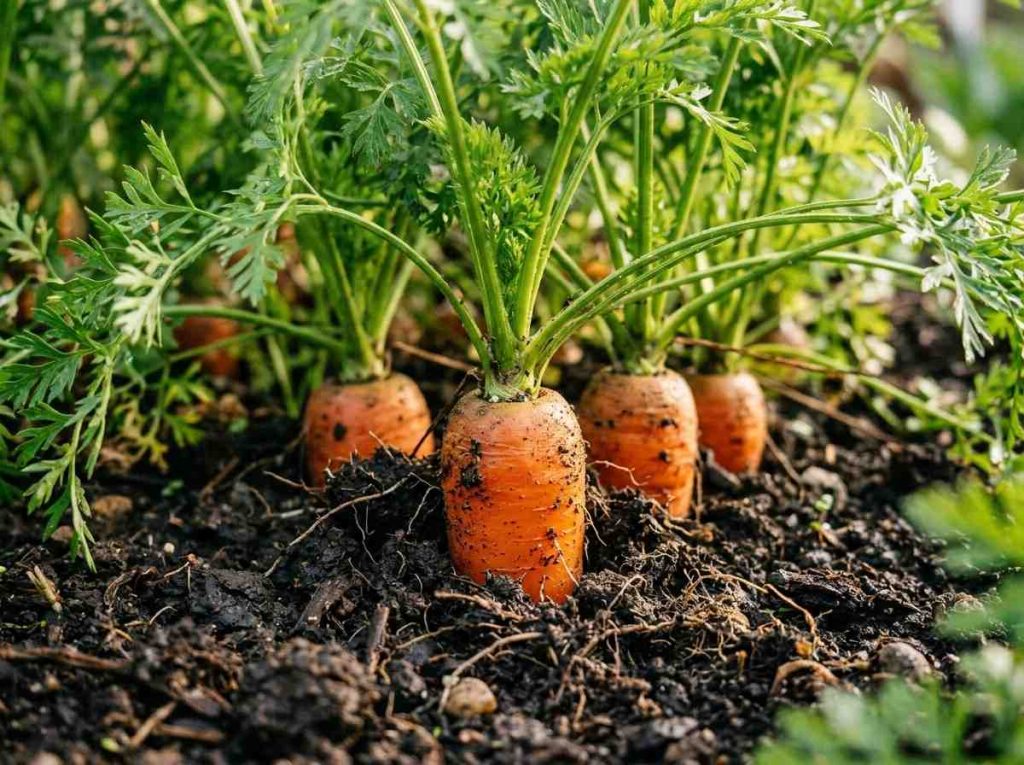
Knowing the signs of mature carrots helps you pick them at the right time. Harvesting too early or too late affects their taste and texture. Watch for clear signs that show your carrots are ready for the garden.
These signs include changes in color, size, and the condition of the leaves. Each sign tells you something important about the carrot’s growth stage. Recognizing these clues will improve your carrot harvest.
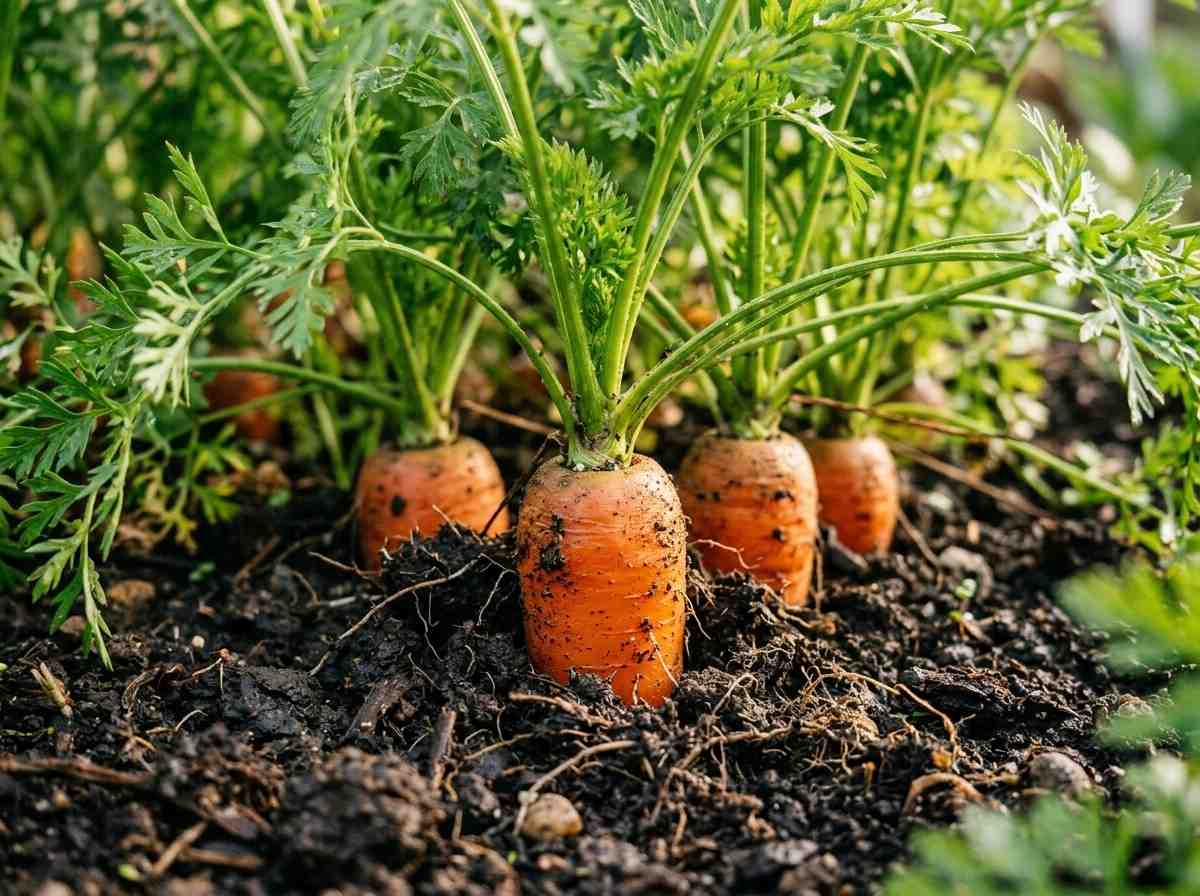
Carrots deepen in color as they mature. Bright orange is a good sign for many varieties. Some carrots turn purple, red, or yellow depending on their type. The color should be rich and even without pale spots.
Check the top of the carrot root where it meets the soil. This area shows color clearly and signals when to dig. A vibrant color means the carrot has stored enough nutrients.
Carrots grow longer and thicker with time. Most types reach about 6 to 8 inches in length. A sturdy, well-formed shape means the carrot is mature. Avoid carrots that are too thin or oddly shaped.
Use a ruler or your hand to estimate size. The carrot should feel firm when gently squeezed. Soft or small carrots need more time to grow.
Leaves reflect the carrot’s health and maturity. Mature carrots often show leaves that start to yellow or wilt. Healthy green leaves usually mean the carrot is still growing. Watch the leaf tips for signs of aging.
Leaves turning brown or drying out indicate the carrot is ready. Pull back some soil to check the root if leaves change color. This helps confirm the carrot’s maturity before harvesting.
Knowing the right time to harvest carrots helps get the best taste and texture. Carrots need enough time to grow fully but not too long to become woody. The ideal harvest time depends on several factors, including the carrot variety and growing conditions.
Paying attention to these details will ensure fresh, sweet carrots ready to enjoy.
Carrot varieties have different days to maturity. Most carrots take between 60 and 80 days to grow. Early varieties may mature in 50 days. Late varieties can take up to 90 days. Check seed packets for specific information. Harvest carrots close to their maturity date for the best flavor.
Carrots grow well in cool weather. Plant in early spring or late summer. Spring carrots usually harvest in summer. Fall carrots are ready before the first frost. Warmer seasons can speed up growth. Cooler seasons may slow it down. Adjust planting times based on your local climate.
Weather affects carrot size and quality. Hot weather can make carrots tough and bitter. Heavy rain can cause roots to split. Dry conditions may slow growth. Ideal weather is cool and moist. Harvest carrots before extreme heat or frost hits. Watch the weather to pick the best time.
Knowing when to harvest carrots is important for the best taste and texture. Checking readiness helps you pick carrots at the right time. Several simple techniques can show you if carrots are ready to be pulled from the soil. These methods protect your crop and improve your harvest.
Pull one carrot gently from the soil. Check its size and color. It should be firm and bright orange. If the carrot is small or pale, wait a little longer. This test helps you understand how the rest of the crop is growing.
Look at the soil around your carrots. The soil should be loose and dry on the surface. Hard or wet soil can stop roots from growing properly. If soil cracks or pulls away from the carrot top, it means the carrots are ready to harvest.
Insert a garden fork carefully near the carrot roots. Lift the soil gently to avoid damaging the carrots. This method loosens the soil and makes pulling easier. It also helps you see the size of the carrots below the surface.
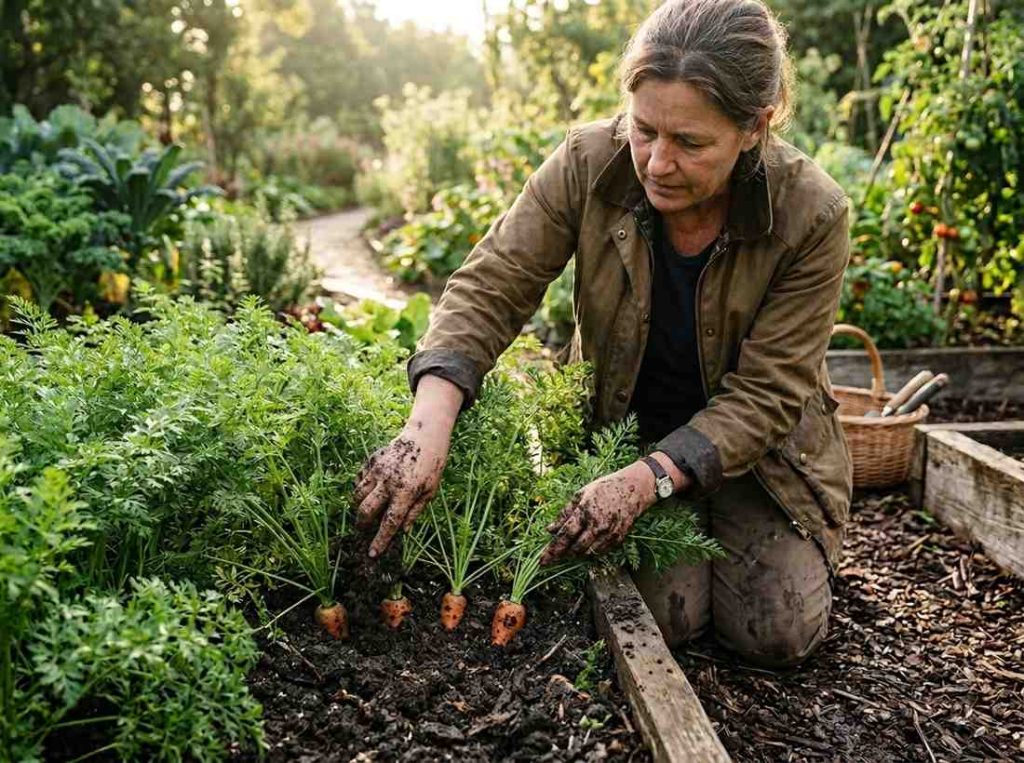
Harvesting carrots at the right time affects their quality a lot. Picking them too early or too late changes how they taste, feel, and last. Knowing these effects helps you choose the best moment to dig them up.
Early harvested carrots often taste sweeter and milder. Their texture is softer and more tender. Late harvested carrots have a stronger, earthier flavor. They tend to be crunchier but sometimes woody if left too long.
Carrots picked early do not store well for long periods. They can become soft or shriveled quickly. Late harvested carrots keep fresh longer. Their thicker skin and firm flesh resist spoilage better.
Carrots harvested early contain good vitamins but less sugar. Later harvesting increases sugar and some antioxidants. Vitamins like vitamin A stay stable whether early or late harvested.
Harvesting carrots at the right time helps keep them fresh and tasty. Using the right methods protects the carrots from damage. Simple steps make the process easier and more effective. Here are some tips for harvesting carrots.
Choose tools that help lift carrots gently from the soil. A garden fork or hand trowel works well. Avoid sharp tools that can cut or damage the roots. Use tools with clean blades to prevent disease. Soft soil makes pulling carrots easier without tools.
Hold the carrot by its tops, close to the soil. Pull straight up to avoid breaking the root. Handle carrots gently to prevent bruises and cracks. Do not drop or toss carrots after harvesting. Keep them cool and shaded to maintain freshness.
Brush off loose dirt carefully before storing carrots. Avoid washing carrots until just before use. Too much moisture can cause rot during storage. Use a soft brush or cloth for cleaning. Store carrots in a cool, dry place to keep them fresh longer.
Extending the growing season helps you enjoy fresh carrots longer. You can grow carrots beyond the normal harvest time. Simple methods protect your plants from cold and keep the soil warm. These techniques help you get more carrots from your garden. Here are some easy ways to extend the growing season for carrots.
Succession planting means sowing carrot seeds every few weeks. This gives you a steady supply of fresh carrots. Plant new seeds about two to three weeks apart. As one batch is ready, the next batch grows. This method spreads out the harvest over several months.
Row covers protect carrots from cold and frost. They trap heat and keep the soil warmer. Covers also shield plants from wind and pests. Use lightweight fabric that lets light and water through. Remove covers during warm days to prevent overheating.
Carrots can stay in the ground during light frosts. Cold weather makes carrots taste sweeter. Harvest them carefully to avoid damage. Use a garden fork to loosen the soil first. Pick carrots before the ground freezes hard.
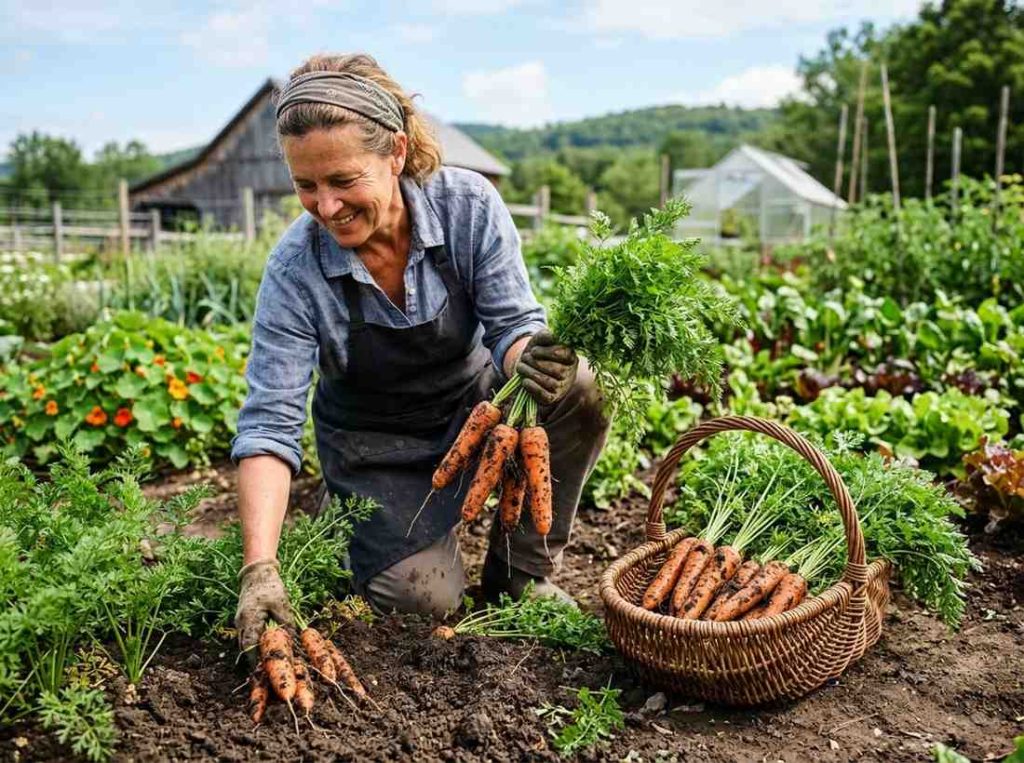
Carrots are ready when their tops reach 1/2 to 3/4 inch wide. Check color and size.
Yes, baby carrots can be picked when small, about 1 inch thick and tender.
Carrots usually take 60 to 80 days from planting to harvest, depending on variety.
Late harvesting can make carrots woody and less sweet, losing their best texture.
Pull carrots gently by the tops to avoid breaking or damaging the roots.
Harvest carrots when they reach the right size and color. Check them often to avoid overgrowth or woodiness. Pull carrots gently to keep them intact and fresh. Freshly harvested carrots taste sweeter and have better texture. Store carrots in a cool, dark place to keep them crisp.
Enjoy the fruits of your patience and care in your garden. Happy harvesting!