Gardening Made Simple.
Are you growing carrots and want to make sure they thrive? Choosing the right Companion Plants for Carrots can help boost your harvest, repel common pests, and improve the overall health of your garden naturally.
Imagine your carrots growing bigger, tastier, and healthier—all by planting a few simple friends nearby. You’ll discover the best companion plants for carrots that work like natural helpers in your garden. Keep reading to find out how you can give your carrots the support they need to grow strong and delicious.
Companion planting helps carrots grow stronger and healthier. Planting certain plants near carrots gives many benefits. It supports better growth, protects from pests, and improves the soil. These benefits make your carrot garden more productive and easier to care for.
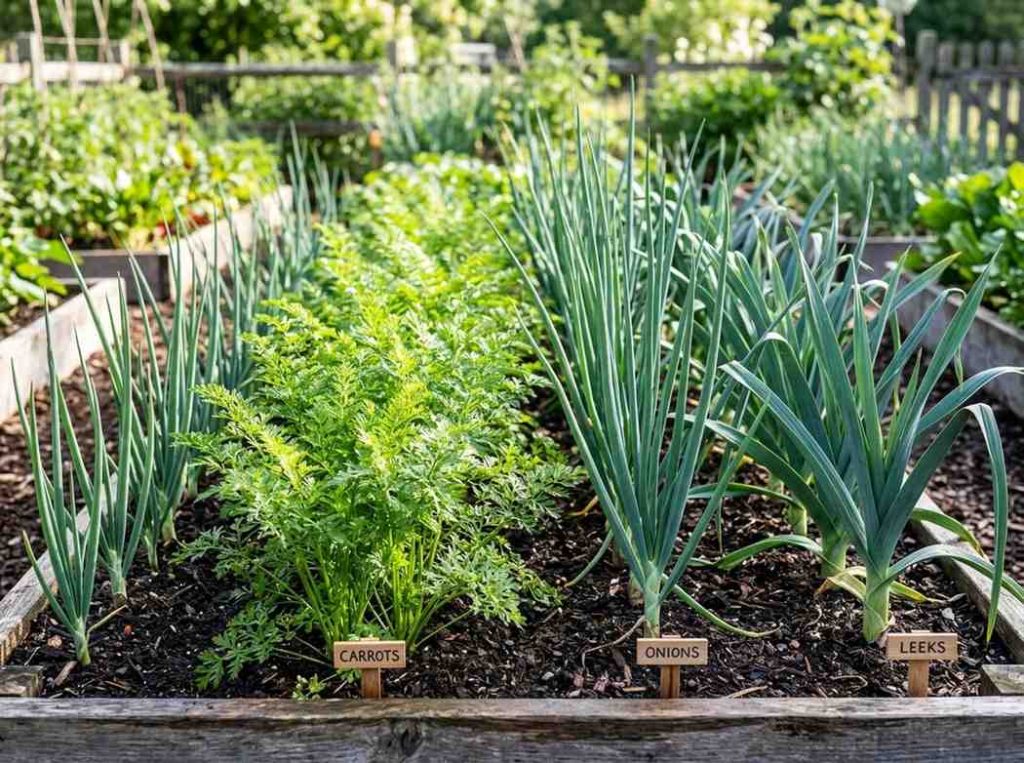
Some plants help carrots grow faster and bigger. They provide shade or improve air flow. This makes carrots less stressed and more productive. For example, onions and leeks are good neighbors. They help carrots use nutrients better and grow well.
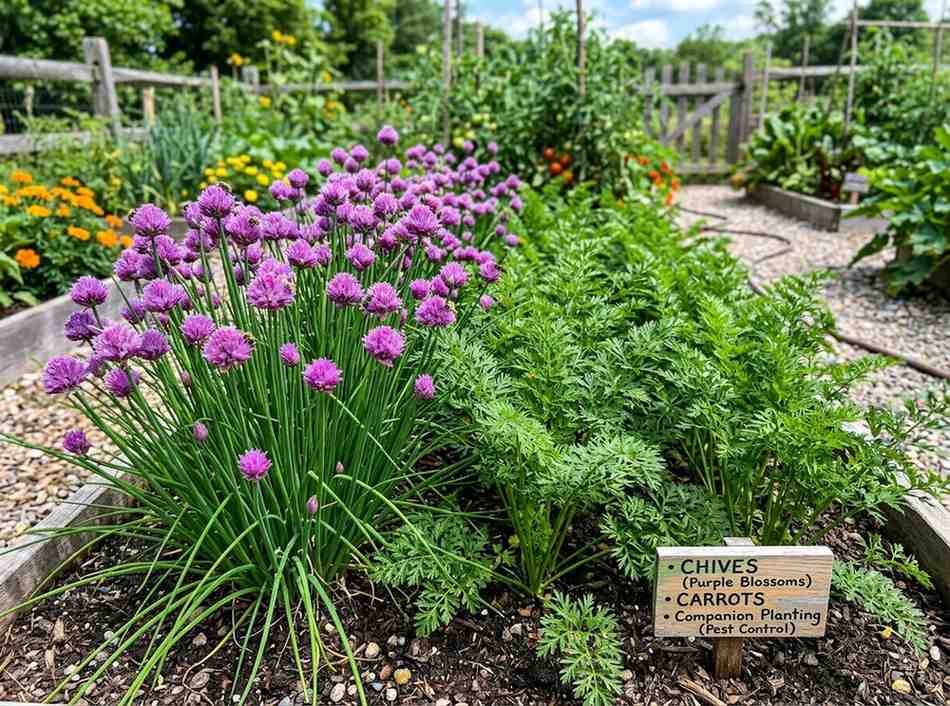
Companion plants can keep pests away from carrots. Strong smells from plants like garlic and chives confuse harmful insects. This reduces carrot damage without using chemicals. It also protects carrots from carrot flies and aphids naturally.
Some companion plants add nutrients to the soil. Beans and peas fix nitrogen, which carrots need to grow. Healthy soil makes carrots stronger and tastier. Rotating companion plants also stops diseases from building up in the soil.
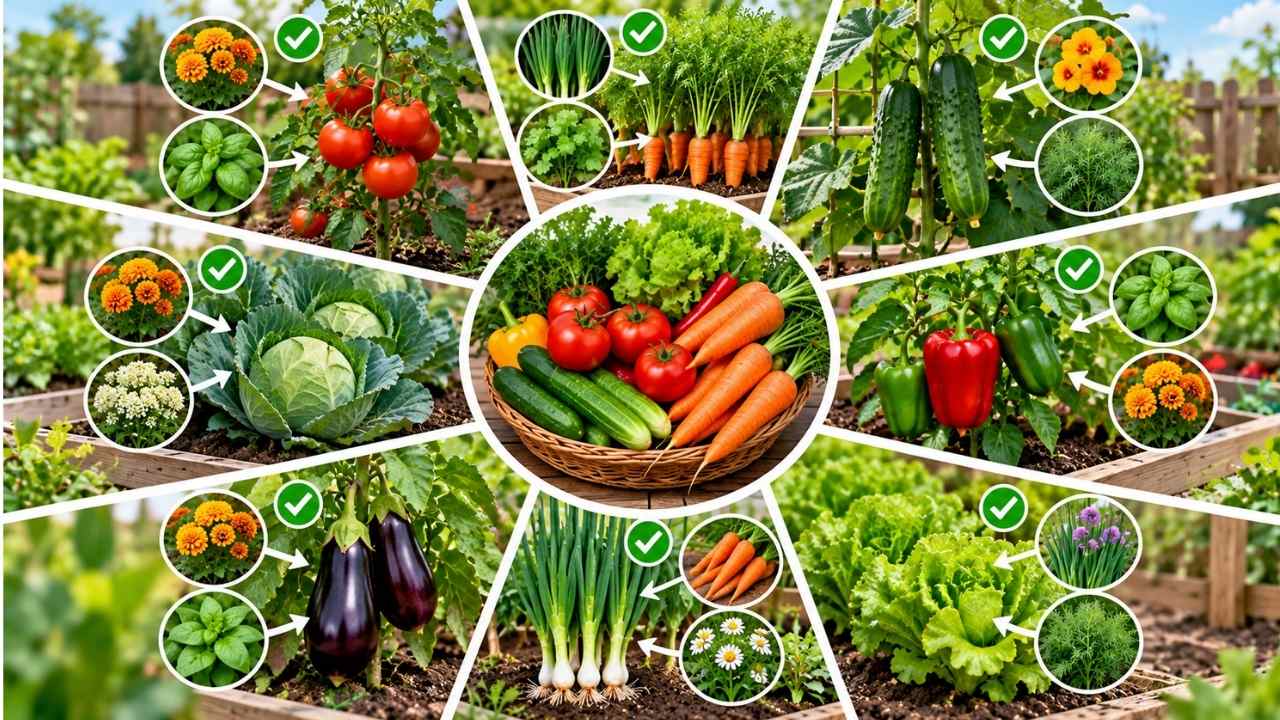
Choosing the right companion plants helps carrots grow better. These plants protect carrots from pests and improve soil health. Planting the right neighbors also saves space and boosts garden yield. Here are the top companion plants for carrots that work well.
Onions and leeks keep carrot flies away. Their strong smell confuses pests that harm carrots. Planting them near carrots reduces damage naturally. They also do not compete for nutrients or space.
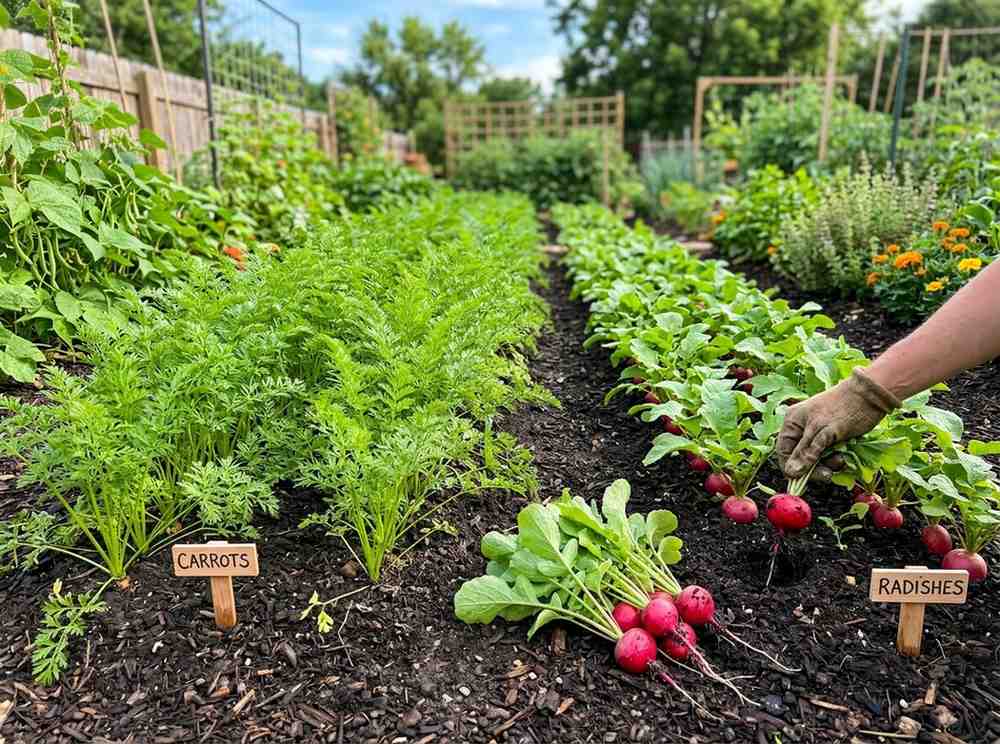
Radishes grow quickly and loosen soil for carrots. They help carrots by breaking hard soil layers. Radishes also attract pests away from carrots. This protects carrot roots and improves growth.
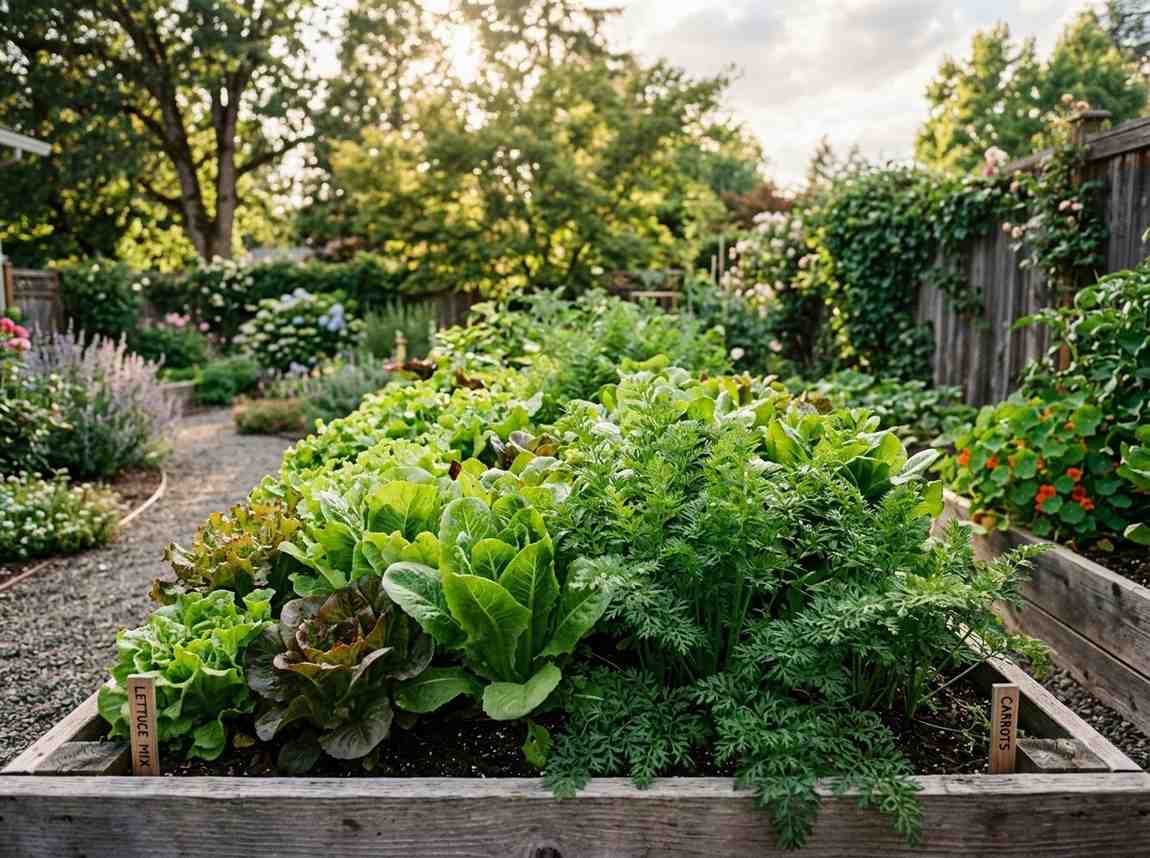
Lettuce grows well with carrots because it needs little root space. It shades the soil, keeping it cool and moist. This helps carrots stay healthy during hot days. Lettuce also helps control weeds near carrots.
Chives repel harmful insects like aphids and carrot flies. Their strong scent deters many pests. Planting chives close to carrots reduces pest problems. They also add flavor to meals when harvested.
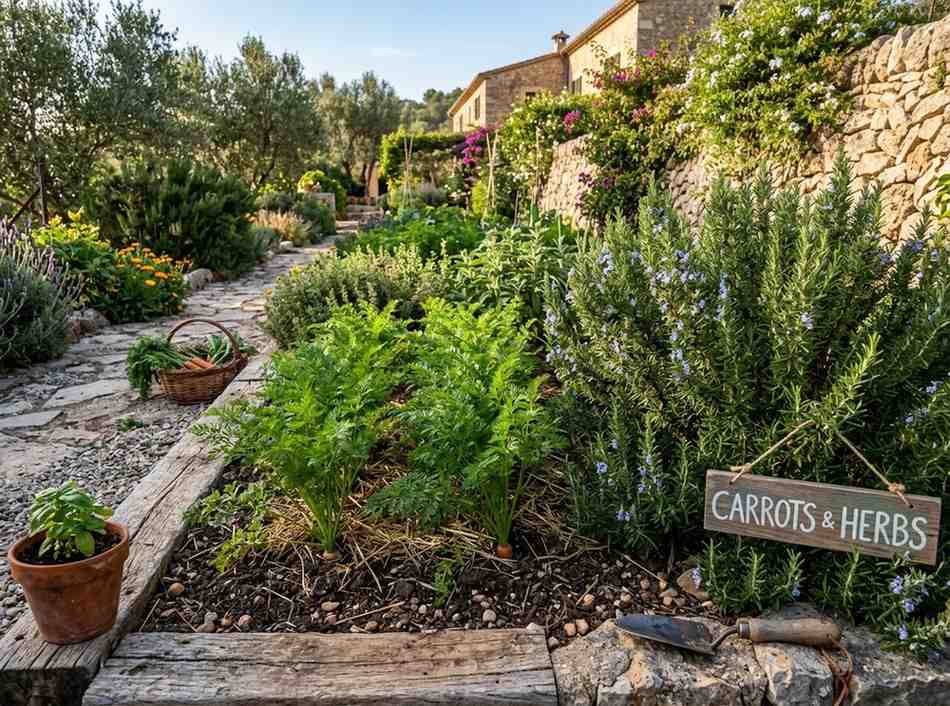
Rosemary is a good companion for carrots because it repels many pests. Its strong aroma keeps bugs away from carrots. Rosemary also attracts beneficial insects that help the garden. It grows well alongside carrots without crowding them.
Choosing the right plants to grow near carrots is important. Some plants do not grow well next to carrots. They can stop carrots from growing strong. Or they may attract pests that harm carrots. Avoid these plants to keep your carrot garden healthy.
Dill looks like a good companion at first. But it can slow down carrot growth. It takes too many nutrients from the soil. Dill also attracts pests that like to eat carrots. Keep dill away to help your carrots grow better.
Parsnips and carrots are similar plants. They share many pests and diseases. Planting them close can spread these problems fast. Carrots may get sick or grow poorly near parsnips. Give carrots their own space away from parsnips.
Fennel releases chemicals that stop nearby plants from growing. Carrots are very sensitive to these chemicals. Fennel can stunt carrot roots and reduce their yield. Avoid planting fennel near carrots for a healthy crop.
Planting companion plants with carrots can boost growth and reduce pests. Choosing the right companions helps carrots grow healthy and strong. Proper planting improves soil and uses space well.
Keep carrots 2 to 3 inches apart for good root space. Plant companion herbs like rosemary or thyme nearby but not too close. Leave 6 to 12 inches between carrots and taller plants like onions. Arrange plants in rows or clusters to allow air flow. Avoid crowding to stop disease and give each plant light.
Start planting carrots early in spring for cooler soil. Plant companions like lettuce or radishes at the same time or slightly later. Some plants, such as onions, can be planted before carrots. Ensure companions grow at the same speed for balanced growth. Harvest quick-growing companions early to give carrots space.
Carrots like loose, sandy soil for easy root growth. Remove stones and clumps to prevent misshapen roots. Mix compost into soil to add nutrients and improve texture. Avoid fresh manure as it can cause forked roots. Water soil well before planting to keep it moist but not wet.
Companion planting helps carrots grow better and stay healthy. But mistakes can harm your plants or reduce your harvest. Avoid these common errors to get the best results.
Planting too many companions close to carrots blocks sunlight. It also stops air from moving well around plants. Overcrowding causes weak growth and more disease problems. Give each plant enough space to grow strong roots and leaves.
Some plants attract pests that harm carrots. Others help keep bugs away. Not knowing pest habits can lead to more bugs on your carrots. Choose companion plants that protect carrots from common pests in your area.
Carrots need loose, well-drained soil. Some companion plants prefer different soil types or nutrients. Planting companions with conflicting soil needs can hurt carrot growth. Match plants that like similar soil conditions to keep carrots healthy.
Carrots need more than just good soil and companion plants. Healthy growth depends on several care steps. These extra tips help you grow strong, tasty carrots.
Follow these simple practices for better carrot roots and leaves. They keep your garden thriving and your carrots happy.
Carrots need steady moisture. Water deeply once or twice a week. Avoid shallow watering that dries out quickly. Wet soil helps roots grow long and straight. Too much water can cause rot. Keep soil damp but not soggy. Early morning watering reduces disease risk. Watch the weather and adjust watering times.
Mulch keeps soil cool and moist. Use straw, leaves, or grass clippings around carrots. Mulch stops weeds that steal nutrients. It also prevents soil from drying fast. Mulching creates a better soil environment. This helps carrots grow evenly. Replace mulch as it breaks down over time.
Carrots need balanced nutrients. Use fertilizer low in nitrogen but rich in phosphorus and potassium. Too much nitrogen causes leafy tops and small roots. Compost or aged manure works well. Apply fertilizer before planting and once more during growth. Avoid over-fertilizing to prevent poor root development. Healthy soil means healthy carrots.
Onions, leeks, and radishes grow well with carrots and help keep pests away.
Yes, some plants improve soil and protect carrots from bugs, helping them grow better.
Rosemary, sage, and chives are great herbs to plant near carrots for pest control.
Marigolds and nasturtiums attract helpful insects and keep harmful bugs away from carrots.
Avoid planting dill and parsnips near carrots as they can stunt carrot growth.
Companion plants help carrots grow strong and healthy. They keep pests away and improve soil quality. Planting onions, lettuce, or rosemary near carrots works well. These plants save space and support each other naturally. Your garden will become more balanced and productive.
Try different combinations to find what suits your garden best. Growing carrots with companions makes gardening easier and more fun. Start planting today and enjoy a better carrot harvest soon.