Gardening Made Simple.
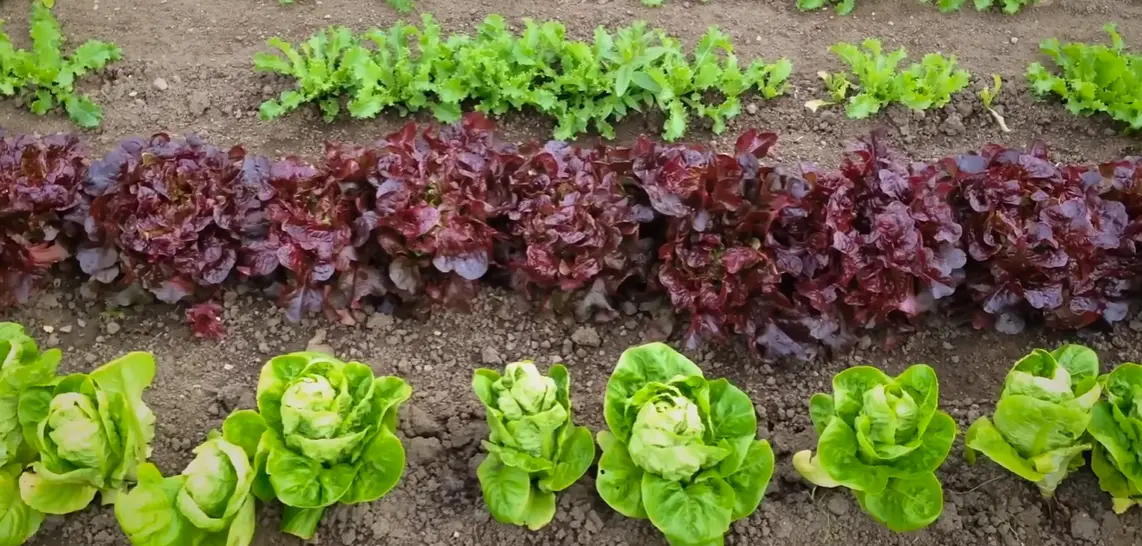
Are you ready to grow fresh, crisp lettuce right in your own garden? Knowing the best time to plant lettuce can make all the difference between a thriving crop and disappointing results.
Imagine biting into crunchy, homegrown lettuce that you nurtured from seed to harvest. You’ll discover exactly when to plant your lettuce for the healthiest, most flavorful leaves. Keep reading, and you’ll unlock simple tips to boost your gardening success and enjoy a continuous supply of this delicious green.
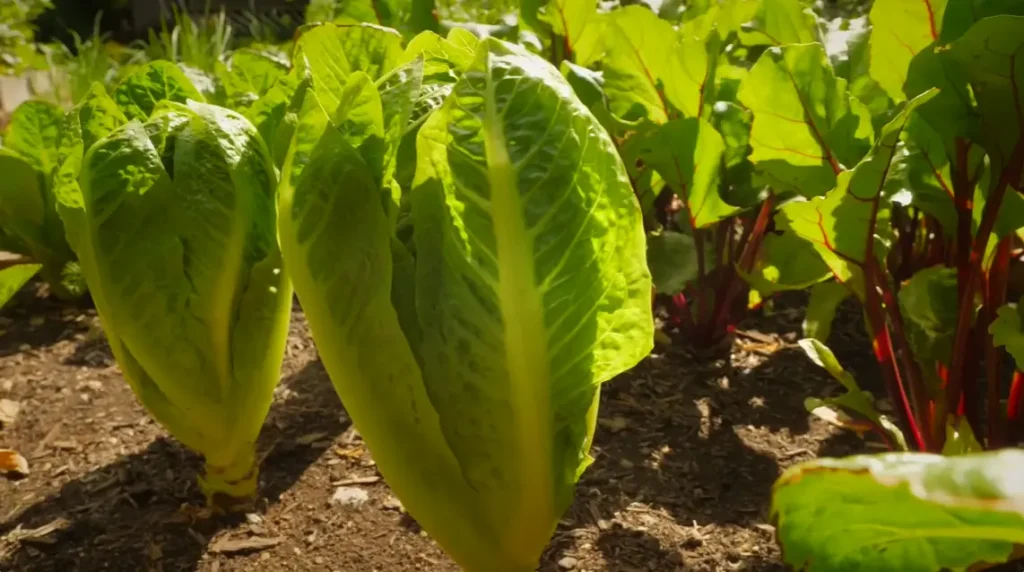
Choosing the right lettuce variety is key to a healthy garden. Different types grow best in different seasons. Knowing these types helps you pick the best one for your climate and taste.
Lettuce grows well in cool weather. Cool-season types thrive in spring and fall. They resist heat better and stay crisp longer. Warm-season types handle mild heat but may bolt fast in hot weather. Choose cool-season varieties for early spring or late fall planting. Warm-season types suit mild summer areas.
Leaf lettuce is easy to grow and harvest. You can pick leaves as needed without cutting the whole plant. Romaine lettuce forms tall, crunchy heads. It grows well in cooler temperatures. Head lettuce, like butterhead or iceberg, forms tight, round heads. These need more space and time to mature. Each type offers different flavors and textures for salads.
Lettuce grows best in cool weather. Choosing the right planting season helps the leaves stay fresh and tender. Planting at the right time avoids problems like bitter taste or slow growth.
Understanding the ideal seasons for planting lettuce can improve your harvest. Lettuce thrives in early spring and fall. These seasons offer cooler temperatures and steady moisture.
Start planting lettuce as soon as the soil can be worked. Soil temperature should be around 45°F to 65°F for good germination. Use light soil that drains well. Water regularly to keep soil moist but not wet. Thin seedlings early to avoid overcrowding and ensure healthy growth.
Fall is perfect for growing lettuce because temperatures cool down. Plants grow slower but develop better flavor. Fall lettuce faces fewer pests and diseases. Use mulch to keep soil moist and protect roots from cold. Plant early enough to harvest before frost arrives.
Lettuce does not like hot weather. Heat causes lettuce to bolt, making leaves bitter. Avoid planting during mid-summer months. Use shade cloth to protect plants if heat is unavoidable. Water often to reduce heat stress and keep leaves crisp.
Good soil is the secret to healthy lettuce plants. Preparing the soil properly helps lettuce grow fast and stay fresh. Lettuce needs loose, rich soil that drains well. Preparing soil means checking its type and nutrients. This makes sure lettuce gets what it needs to grow strong.
Lettuce prefers light, sandy loam soil. This type holds water but does not stay wet. Good drainage stops roots from rotting. The soil pH should be between 6.0 and 7.0. This range is slightly acidic to neutral. Testing soil pH before planting is important. Adjust soil with lime if pH is too low. Use sulfur to lower pH if it is too high. Proper pH helps lettuce absorb nutrients better.
Healthy lettuce needs soil rich in nutrients. Adding compost or aged manure improves soil quality. These materials add nitrogen, phosphorus, and potassium. Spread organic matter evenly over soil surface. Work it into top 6 inches of soil. Avoid fresh manure as it can burn roots. Use balanced fertilizers for extra nutrients. Side dress plants with fertilizer during growth. Mulching helps keep nutrients in soil and retains moisture. Nutrient-rich soil leads to bigger, tastier lettuce heads.
Choosing the right sowing method and spacing is key to growing healthy lettuce. Proper planting helps lettuce grow strong and gives leaves room to spread. It also reduces disease risk and improves air flow around the plants. Understanding the differences between direct seeding and transplanting helps gardeners pick the best approach. Spacing seeds correctly ensures each lettuce plant has enough space to grow well.
Direct seeding means planting seeds straight into the garden soil. This method is simple and saves time. Lettuce seeds sprout quickly in cool weather. Transplanting involves starting seeds indoors or in a greenhouse. Seedlings grow strong before moving outside. This method helps control temperature and soil conditions early on. Transplanting also allows an earlier start in spring. Both methods can produce good lettuce, but choice depends on your climate and garden setup.
Space lettuce seeds about 1 inch apart for direct sowing. Thin seedlings to 6 to 12 inches apart as they grow. This gives each plant room to develop full heads or loose leaves. For transplanting, space seedlings 8 to 12 inches apart. Crowding plants can cause small heads and slow growth. Proper spacing improves sunlight and air circulation. It also reduces pests and disease problems. Good spacing leads to bigger, healthier lettuce plants.
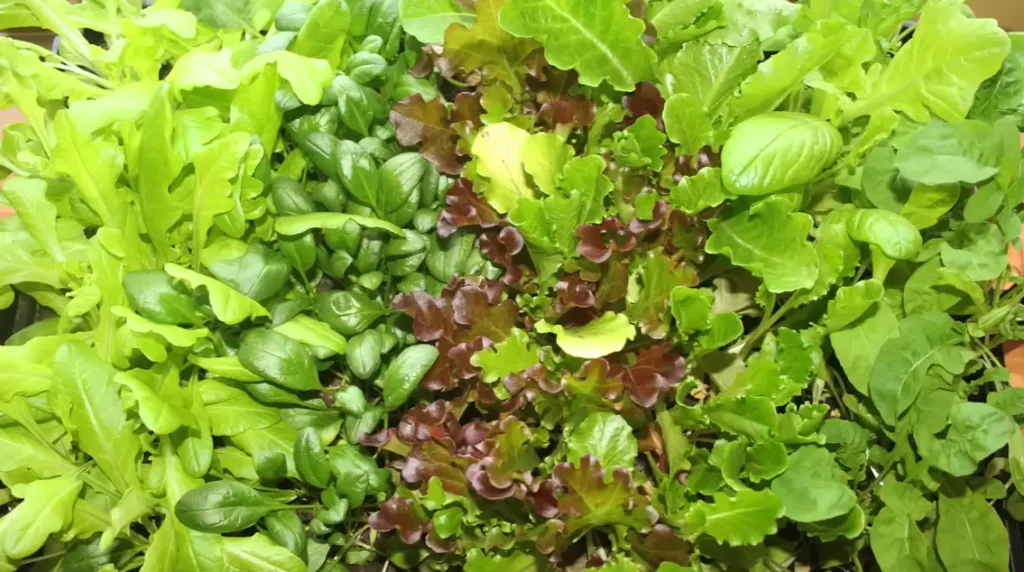
Climate and weather play a big role in growing healthy lettuce. Lettuce grows best in cool conditions. Warm or cold extremes can stop growth or damage the leaves. Understanding weather patterns helps pick the best planting time. This section covers the key climate factors for lettuce growth.
Lettuce grows well between 45°F and 75°F (7°C to 24°C). This range allows steady leaf development. Temperatures below 40°F (4°C) slow growth and may cause damage. Above 80°F (27°C), lettuce tends to bolt or become bitter. Ideal soil temperature is around 60°F (15°C) for seed germination.
Lettuce tolerates light frost but not hard freezes. Frost can kill young seedlings or damage mature plants. Protect lettuce with covers during cold nights. Heat stress causes leaves to wilt or turn bitter. Shade cloth or morning planting can reduce heat damage. Choose varieties suited for your climate to improve tolerance.
Watering and maintenance play a key role in growing healthy lettuce. Lettuce needs consistent moisture without waterlogging. Proper care keeps leaves tender and crisp. Neglecting water or maintenance can cause bitter or tough lettuce. Knowing how to water and maintain helps gardeners get the best results.
Water lettuce early in the morning. This gives leaves time to dry. Avoid wetting leaves in the evening. Wet leaves can lead to disease. Use drip irrigation or soaker hoses. These methods deliver water directly to roots. Water deeply but less often. Shallow watering causes weak roots. Check soil moisture regularly. Soil should stay moist but not soggy.
Mulch helps keep soil moist longer. Use straw, grass clippings, or shredded leaves. Spread mulch around lettuce plants, not on leaves. Mulch reduces water evaporation from soil. It also helps control weeds. Weeds compete with lettuce for water. Mulching keeps soil temperature stable. This protects roots from heat stress. Replace mulch if it breaks down quickly.
Managing pests and diseases is key to growing healthy lettuce. Pests can damage leaves and spread infections. Diseases can stunt growth and reduce harvest. Early care helps keep plants strong and productive.
Aphids are small insects that suck plant juices. They cluster on new leaves and cause curling. Slugs and snails chew holes in leaves, leaving slimy trails. Leaf miners tunnel inside leaves, causing white trails. Cutworms eat young seedlings at the soil line. Thrips feed on leaves and spread viruses.
Plant lettuce in well-drained soil and space plants properly. Water early in the day to reduce moisture at night. Remove weeds that harbor pests and diseases. Use insecticidal soap to control aphids and thrips. Handpick slugs and snails or use traps. Rotate crops to prevent disease build-up in soil. Apply neem oil to reduce pest populations safely.
Harvest timing and techniques play a key role in growing healthy lettuce. Picking lettuce at the right time ensures fresh taste and good texture. Using the right methods can help you enjoy lettuce longer and get more from your plants. Understanding when lettuce is ready and how to harvest it properly can make your garden more productive.
Lettuce is ready to harvest when the leaves look full and bright green. The head should feel firm but not hard. Leaves that are too large may taste bitter. Watch for a slight loosening of the head in some varieties. The best time to pick is before the plant starts to bolt or flower. Early morning harvest keeps leaves crisp and fresh.
Pick outer leaves first to allow inner leaves to keep growing. Use clean scissors or garden shears to avoid damage. Avoid pulling the whole plant unless you want to harvest all at once. Regular picking encourages new leaf growth and extends your harvest period. Water the plant after harvesting to help it recover faster.
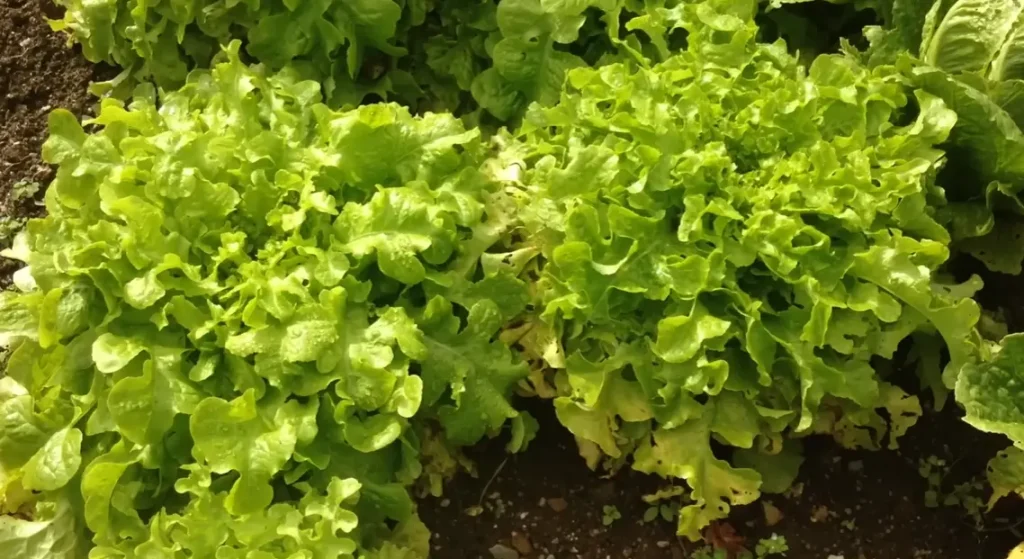
Lettuce grows best in cool weather, usually in spring and fall. Avoid hot summer months because lettuce can turn bitter.
Lettuce typically takes about 30 to 60 days to be ready for harvest. The exact time depends on the variety and growing conditions.
Yes, lettuce can grow indoors with enough light and proper care. Use containers and place them near a sunny window or under grow lights.
Lettuce needs consistent moisture but not waterlogged soil. Water it regularly, keeping the soil damp but not soaking wet.
Lettuce prefers loose, well-drained soil rich in organic matter. A soil pH between 6. 0 and 7. 0 helps it grow healthy.
Plant lettuce in cool weather for the best growth. Early spring and late summer work well. Soil should be moist and rich in nutrients. Avoid planting during hot, dry times. Watch the temperature to prevent lettuce from bolting. Regular watering helps leaves stay tender and fresh.
Harvest leaves when they reach a good size. Fresh lettuce adds crunch and flavor to meals. Timing matters for a healthy, tasty garden. Start planting at the right time and enjoy your harvest soon.