Gardening Made Simple.
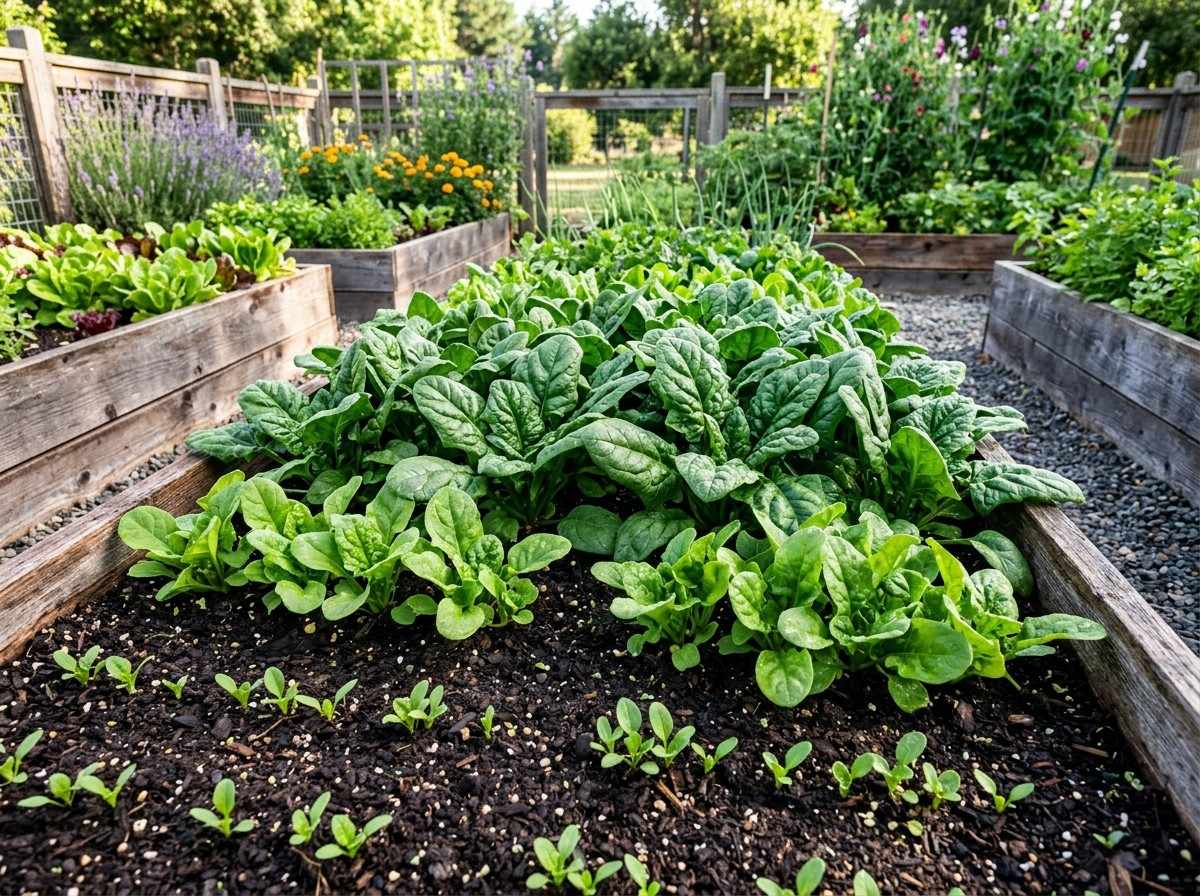
How Long Does Spinach Take to Grow is one of the most common questions new and experienced gardeners ask before planting. If you're curious about how long does spinach take to grow, understanding the typical growth timeline can help you plan for a successful harvest.
Whether you’re starting a garden for the first time or looking to improve your gardening skills, knowing when spinach germinates, matures, and is ready to pick will save you time and frustration. This guide covers everything you need to know, from seed to harvest, so you can enjoy fresh, homegrown spinach at its best.
Imagine biting into fresh, homegrown spinach just weeks after planting—sounds rewarding, right? You’ll discover exactly how long spinach needs to grow, plus tips to help your plants thrive and give you the best yield. Keep reading to unlock the secrets of growing spinach quickly and successfully!
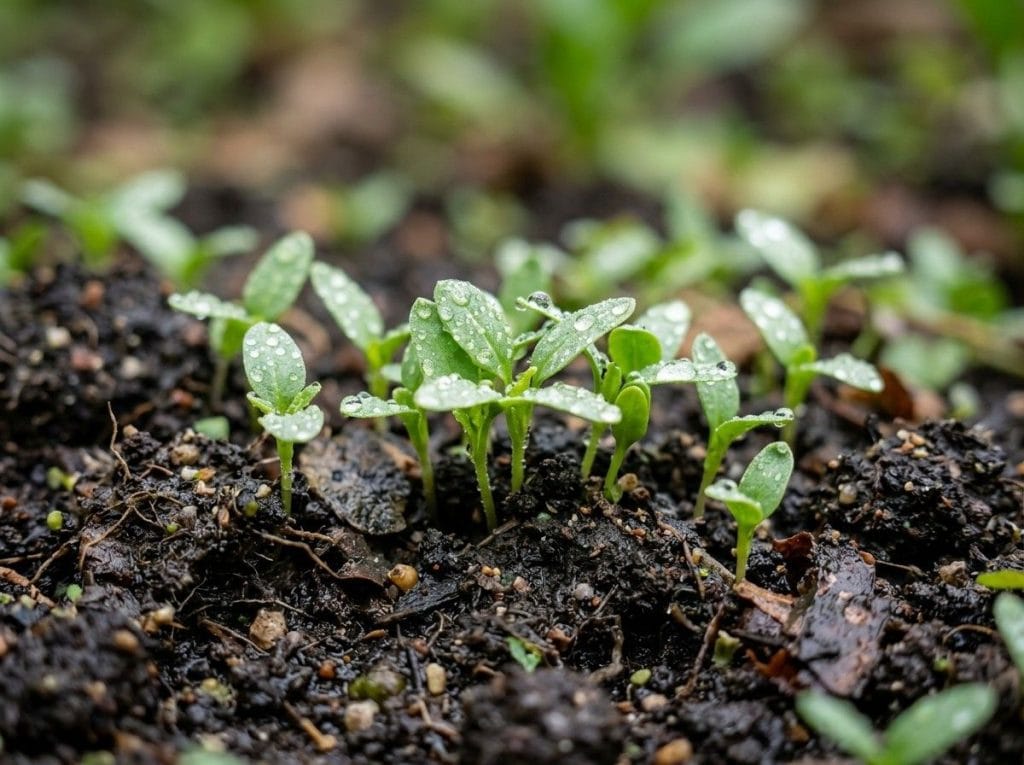
Spinach grows fast and is easy to care for. It thrives in cooler weather and moist soil. Understanding the basics of spinach growth helps you get a good harvest. Knowing what spinach needs and the types available makes growing it simple and fun.
Spinach grows best in cool temperatures between 50°F and 70°F. It needs well-drained soil rich in organic matter. Keep the soil moist but not soggy. Spinach prefers a slightly acidic to neutral pH, around 6.0 to 7.0. Plant seeds where they get full or partial sunlight. Too much heat causes spinach to bolt and become bitter.
There are several types of spinach to choose from. Smooth-leaf spinach has tender leaves and grows quickly. Savoy spinach has curly, crinkled leaves and a strong flavor. Semi-savoy varieties combine smooth and curly leaves. Baby spinach is harvested early for a mild taste. Choose a variety that fits your climate and taste.
The germination period is the first step in growing healthy spinach plants. It is the time when seeds begin to sprout roots and shoots. This stage is very important because it determines how strong the plants will grow later. Understanding the germination period helps gardeners plan their planting schedule well.
Choose fresh spinach seeds for better growth. Soak the seeds in warm water for 6 to 8 hours. This softens the seed coat and helps water enter quickly. Avoid soaking for too long to prevent seed damage. Use clean soil that drains well to plant the seeds. Keep the soil moist but not wet during germination. Warm soil temperature around 50°F to 75°F speeds up sprouting.
Spinach seeds usually sprout in 7 to 14 days. Some seeds may take a few days longer in cooler soil. Watch for tiny green shoots breaking through the soil surface. Seedlings will grow stronger if they get enough light and water. Germination is faster in warm, moist conditions. If seeds do not sprout after two weeks, they may be old or not viable.
The seedling stage is the first important step in growing spinach. It starts right after the seeds sprout. During this time, the young plants are small and fragile. They need the right care to grow strong. This stage usually lasts about 2 to 3 weeks. Healthy seedlings lead to healthy spinach plants later.
Spinach seedlings first grow tiny leaves called cotyledons. These leaves help the plant get energy from sunlight. Soon, real leaves start to appear. These true leaves are larger and have the classic spinach shape. Early leaf growth shows the plant is healthy and ready to grow bigger. Watch the leaves closely for any signs of problems.
Seedlings need regular water but not too much. The soil should be moist but not wet. Overwatering can cause root problems. Spinach seedlings also need good light. They grow best with 10 to 12 hours of sunlight each day. If you grow them indoors, use a bright window or a grow light. Proper water and light help seedlings grow fast and strong.
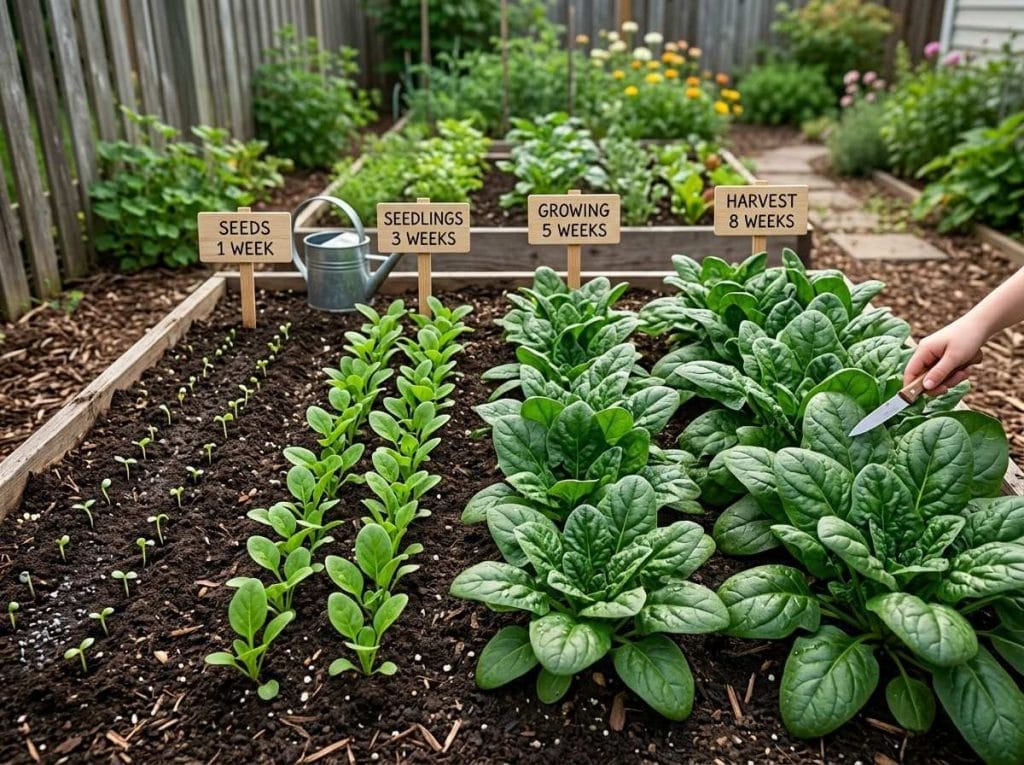
The vegetative growth phase is a key stage in spinach development. During this time, the plant focuses on growing leaves and roots. This phase sets the stage for a healthy and productive spinach crop. The length of this phase affects how soon you can harvest fresh leaves.
Spinach leaves start small and grow quickly during the vegetative phase. New leaves appear every few days. Typically, spinach takes about 20 to 30 days to reach full leaf size. Leaf growth is fastest in the first two weeks. After that, growth slows as the plant matures. Proper watering helps leaves stay healthy and green.
Spinach needs plenty of nutrients to grow well. Nitrogen is crucial for leaf development. It makes leaves lush and green. Phosphorus supports strong root growth. Potassium helps the plant resist disease and stress. Use a balanced fertilizer to provide these nutrients. Feeding spinach regularly keeps growth steady and vigorous.
Harvest timing is key to enjoying fresh, tender spinach. Picking leaves too early means less flavor. Waiting too long leads to tough, bitter leaves. Understanding the signs and the best harvest window helps get the best taste and texture.
Spinach leaves look dark green and healthy when ready. Leaves should be about 3 to 4 inches long. The edges stay smooth, not curled or yellow. Young leaves near the center stay tender and mild. Avoid leaves with holes or spots from pests.
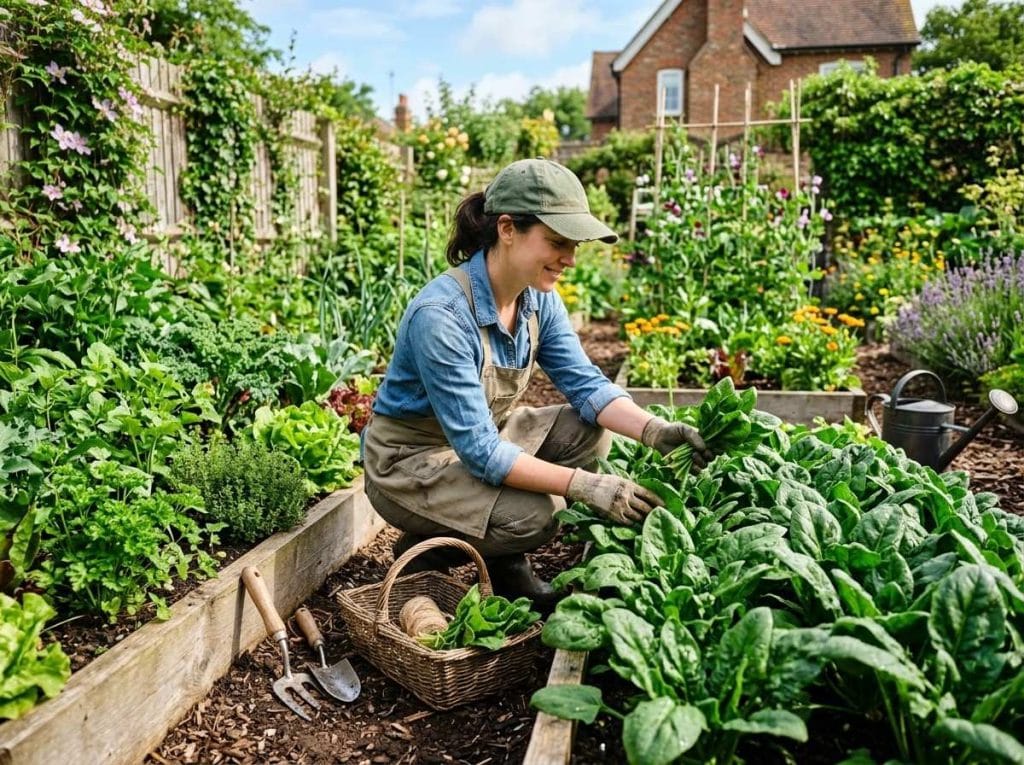
Spinach usually takes 37 to 45 days to grow fully. Harvest leaves anytime after 3 to 4 weeks for baby spinach. For full-size leaves, wait closer to 6 weeks. Pick leaves in the morning for best flavor and freshness. Regular harvesting encourages new leaf growth and extends the season.
Spinach growth speed depends on several key factors. These affect how fast the plant develops from seed to harvest. Understanding these elements helps gardeners plan better and get healthy spinach faster.
Each factor works differently but all influence growth. Some factors speed up growth, while others slow it down. Knowing what affects spinach growth improves your chances of success.
Spinach grows best in cool weather. Ideal temperatures range between 50°F and 70°F. Too hot or too cold slows growth. Heat can cause spinach to bolt and stop growing. Cold slows seed germination and leaf development. Maintaining the right temperature boosts fast, healthy growth.
Rich, well-drained soil helps spinach grow quickly. Soil must have enough nutrients, especially nitrogen. Poor soil with low nutrients delays growth. Soil pH between 6.0 and 7.0 is best. Heavy or compacted soil restricts root growth. Good soil improves water retention and root health.
Pests like aphids and leaf miners damage spinach leaves. This slows the plant’s ability to grow. Diseases such as downy mildew cause leaf spots and decay. Infected plants grow weak and slow. Controlling pests and diseases keeps spinach healthy and growing fast.
Speeding up spinach growth helps you enjoy fresh leaves sooner. Small changes make a big difference. Focus on soil, space, and care. These tips improve growth and keep plants healthy.
Spinach grows faster with the right fertilizer. Use a balanced fertilizer with nitrogen. Nitrogen helps leaves grow green and strong. Apply fertilizer every two weeks for best results. Avoid over-fertilizing to prevent leaf burn.
Give spinach plants enough space to grow. Plant seeds 2 to 4 inches apart. Crowded plants compete for sunlight and nutrients. Proper spacing improves air flow and reduces disease. Healthy plants grow quicker and produce more leaves.
Mulch keeps soil moist and cool for spinach roots. Use straw, grass clippings, or leaves as mulch. Mulching reduces weeds that steal nutrients. It also protects plants from temperature changes. This helps spinach grow steady and strong.
Spinach seeds usually sprout within 5 to 10 days after planting in moist soil.
Baby spinach leaves are ready to pick in about 20 to 30 days after planting.
Mature spinach typically takes 40 to 50 days to grow fully before harvesting.
Yes, spinach grows best in cool weather between 50°F and 70°F, speeding growth.
Spinach needs consistent moisture; water it about 1 inch per week for best growth.
Spinach grows fairly quickly, usually ready in about 4 to 6 weeks. Young leaves can be harvested earlier for salads. Growing conditions like sunlight, water, and soil affect growth speed. Regular care helps spinach stay healthy and tasty. Planting spinach at the right time ensures good results.
Watching your plants closely helps catch any problems early. With patience and simple steps, fresh spinach can be on your table soon. Keep growing and enjoy the benefits of homegrown greens.