Gardening Made Simple.
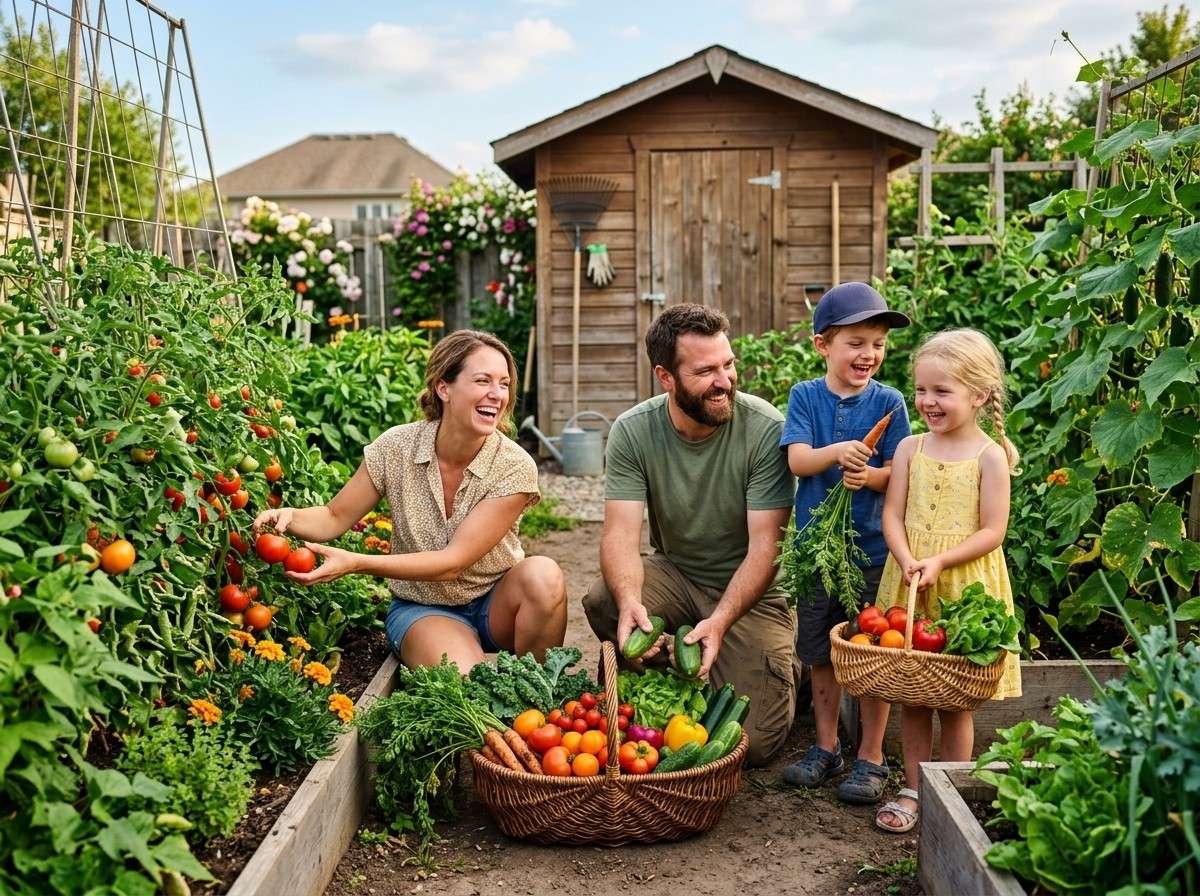
Backyard Vegetable Garden Ideas can help you transform any outdoor space into a productive and beautiful place to grow fresh food. A backyard vegetable garden is not just a source of healthy vegetables—it’s also a space for relaxation, learning, and enjoyment.
Whether you have a large yard or a small patch behind your house, the right backyard vegetable garden ideas can maximize your space and make gardening more rewarding. In this guide, you'll discover creative, practical ideas to design a thriving vegetable garden that fits your needs and lifestyle.
In this article, you’ll find practical ideas to start or improve your backyard vegetable garden, no matter your experience level. You’ll learn about layouts, creative space-saving tips, choosing the right vegetables, and how to make your garden both productive and beautiful.
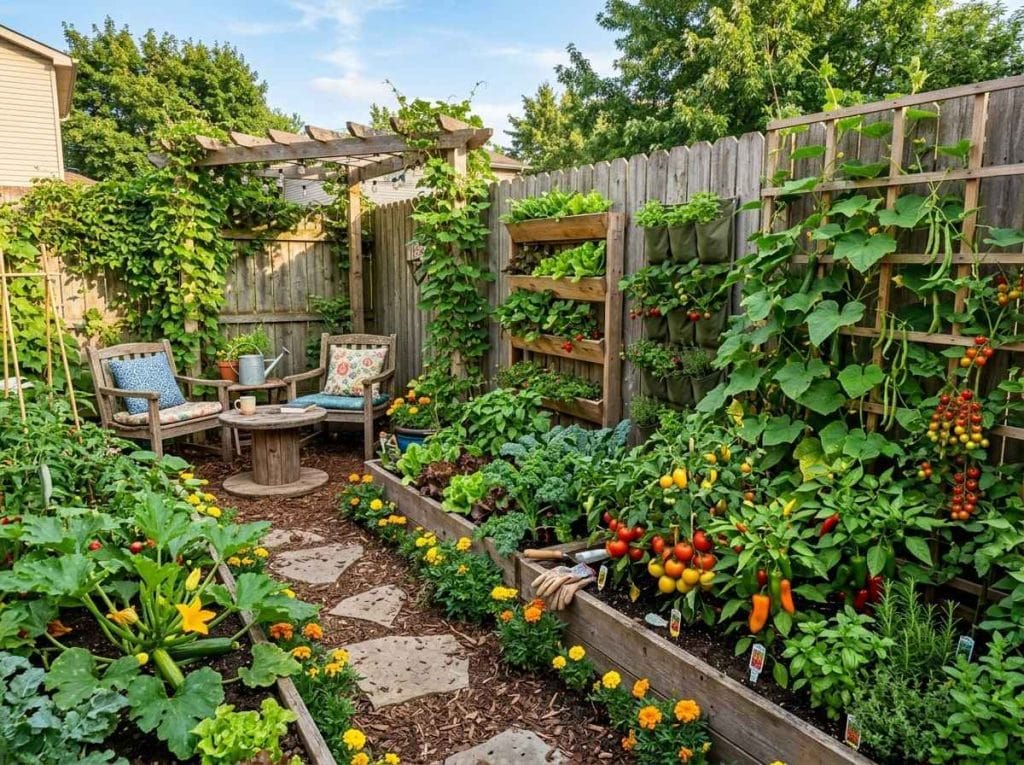
If you think you need a big space or a lot of time, think again. Some of the most successful gardens start small and grow step by step. Even a few pots can give you fresh salad greens for months.
Plus, gardening brings extra benefits—less stress, exercise, and a chance to connect with nature. Let’s explore how you can create a backyard vegetable garden that matches your space, time, and taste.
Good planning is the first step toward a successful vegetable garden. Before you buy seeds or dig the soil, take some time to think and measure.
Most vegetables need at least 6–8 hours of sun each day. Start by watching your backyard for a few days. Notice where the sun shines longest and where shadows fall. Write down which parts get morning sun, afternoon light, or are shaded.
Measure your available space. Even a small corner can fit a productive garden. Mark the size with string or sticks so you can see what you’re working with.
There are many ways to organize a backyard garden. Some popular styles include:
Choose a style that matches your space, skills, and the amount of work you want to do.
Draw a rough map of your garden area. Include paths, beds, containers, and water sources. Plan space for walking so you don’t step on your plants. This sketch will help you avoid crowding and make the garden easy to manage.
Start small, especially if you’re new. You can always expand next season. Decide what vegetables your family eats most, and focus on those. Trying too many crops can lead to disappointment.
Non-obvious insight: Many beginners plant too much at first. A small, well-tended garden often gives better results than a big, messy one.
Picking the right vegetables is key to a happy, productive garden. Some plants are easier for beginners, while others need more care.
Check your USDA Hardiness Zone or local climate. Some vegetables grow best in cool weather, like lettuce and peas. Others love the heat, such as tomatoes and peppers. Planting at the right time helps you avoid pests and diseases.
If you’re just starting, consider these reliable choices:
Some vegetables grow better together. For example, basil planted next to tomatoes can repel pests and improve flavor. Marigolds deter insects and look pretty. Mixing flowers and herbs with your vegetables can reduce the need for chemicals.
It’s tempting to try exotic plants, but focus on what you enjoy. If your family loves salads, grow leafy greens. If you cook a lot of soups, consider onions and carrots. Personal taste makes gardening more rewarding.
Non-obvious insight: Some vegetables, like lettuce and spinach, can be planted several times a year for a constant harvest.
How you arrange your garden can affect both how it looks and how well it works. Here are some popular layout ideas for backyard vegetable gardens.
Rows are classic for larger gardens. You plant vegetables in straight lines with paths in between. This method is easy for weeding and watering but takes more space.
Raised beds are popular because they warm up early in spring and drain well. You can fill them with quality soil and compost. Beds are usually 3–4 feet wide, so you can reach the middle easily without stepping on the soil.
This method divides a bed into one-foot squares. Each square holds a set number of plants. For example, one tomato or nine onions per square. Square foot gardening makes good use of space and reduces weeds.
If your backyard is paved or very small, use large pots, buckets, or even old bins. Group containers together for a lush look. Make sure each has drainage holes. Herbs, peppers, and salad greens all do well in containers.
Growing up instead of out saves space and adds visual interest. Use trellises, shelves, or wall planters for cucumbers, beans, or even strawberries. Vertical gardens are perfect for fences or narrow spaces.
Combine vegetables, herbs, and flowers for a cottage-style look. This approach attracts pollinators and confuses pests. Mix tall and short plants to use every inch of space.
Here’s a quick comparison of three common backyard garden layouts:
| Layout Type | Best For | Space Needed | Maintenance Level |
|---|---|---|---|
| Row Garden | Large backyards | High | Medium |
| Raised Bed | Most yards | Medium | Low |
| Container Garden | Small spaces, patios | Low | Low |
Not everyone has a big backyard. With some creativity, you can grow a lot of food in a small space.
Use vertical space by hanging planters on fences or walls. Attach shelves or use pocket planters for herbs and leafy greens. A simple trellis can hold beans, peas, or small squash.
Try growing cherry tomatoes or strawberries in hanging baskets. They look pretty and keep fruit away from pests.
Mix fast-growing crops with slower ones. For example, plant radishes and carrots together. The radishes grow quickly and are harvested before the carrots need space.
Plant new seeds every few weeks instead of all at once. This way, you’ll have a steady supply of vegetables instead of everything ripening at the same time.
Fabric grow bags are light and portable. They’re perfect for potatoes, tomatoes, or salad greens. You can move them to chase the sun or protect plants from storms.
Don’t ignore small edges, corners, or even steps. These spots can hold pots of herbs, lettuce, or dwarf peppers. Every bit of space adds up.
Practical tip: Place the tallest plants on the north side of your garden so they don’t shade the shorter ones.
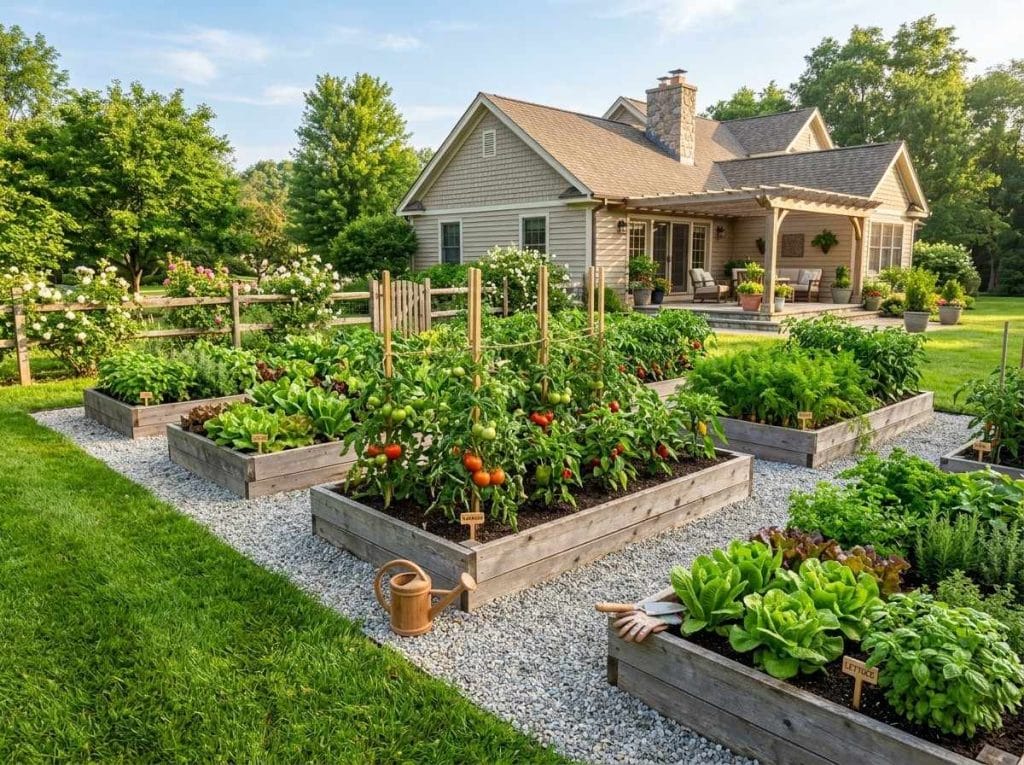
Good soil is the foundation of a healthy vegetable garden. Without it, even the best seeds will struggle.
You can buy a simple soil test kit at most garden centers. Check for pH, and levels of key nutrients like nitrogen, phosphorus, and potassium. Most vegetables prefer a soil pH of 6.0–7.0.
Compost improves soil texture and adds nutrients. Spread a 2–3 inch layer of compost over your beds before planting. Homemade compost from kitchen scraps and leaves works well.
If your soil is heavy clay, mix in sand or organic matter. For sandy soil, add compost to help hold water. Raised beds are a good solution if you have poor drainage.
A layer of mulch—like straw, leaves, or wood chips—keeps soil moist, reduces weeds, and adds nutrients as it breaks down.
Change where you plant each type of vegetable every year. This reduces the risk of soil-borne diseases and pests.
Here’s a brief look at common soil amendments and their main benefits:
| Amendment | Main Benefit | Best For |
|---|---|---|
| Compost | Feeds plants, improves texture | All soils |
| Sand | Improves drainage | Clay soils |
| Manure (well-rotted) | Adds nutrients | Fruit crops |
| Peat moss | Holds moisture | Sandy soils |
Non-obvious insight: If you start with poor soil, use raised beds or containers the first year while you improve your ground soil.
Vegetable gardens need consistent water, but not all at once. Overwatering can be as harmful as under-watering.
Most vegetables need about 1 inch of water per week. Rain counts, so check the weather before you water. Stick your finger in the soil—if the top inch is dry, it’s time to water.
Water early in the morning. This allows leaves to dry and reduces fungal problems.
Collecting rainwater saves money and is better for your plants. Use a barrel under your downspout and a watering can to distribute it.
A thick layer of mulch keeps soil moist longer and reduces evaporation.
Practical tip: Group plants with similar water needs together. This way, you won’t overwater or underwater certain crops.
A healthy backyard garden can still attract pests and diseases. The key is to spot problems early and use safe, effective solutions.
Look for yellowing leaves, holes, or sticky residue. Act early—small problems are easier to fix.
Non-obvious insight: Planting a few flowers, like nasturtiums or calendula, attracts beneficial insects that keep pests in check naturally.
A vegetable garden can be both practical and beautiful. With a few design touches, your backyard can become a place you’re proud to show off.
Choose vegetables in different colors. Purple carrots, yellow tomatoes, and red lettuce add interest to your garden beds.
Interplanting flowers like zinnias or sunflowers with your vegetables attracts pollinators and adds beauty. Herbs like basil and thyme create a pleasant aroma and can help repel pests.
Define your beds with bricks, stones, or woven willow. Edging keeps soil in place and gives a neat appearance.
Lay stepping stones or mulch paths between beds. Add an arch or trellis at the entrance for climbing beans or peas. This makes your garden inviting and practical.
Add a bench, birdbath, or small fountain. Even simple homemade signs or painted rocks can give your garden personality.
Practical tip: Use recycled materials for unique garden features. Old ladders, pallets, or tires can become trellises or planters.
Vegetable gardening is not just for spring. Each season brings its own tasks and crops.
This quick guide shows which vegetables to plant by season in most temperate US zones:
| Season | Vegetables to Plant |
|---|---|
| Spring | Lettuce, peas, carrots, radishes, beets |
| Summer | Tomatoes, beans, peppers, squash, cucumbers |
| Fall | Spinach, broccoli, kale, garlic, turnips |
| Winter | Plan and prepare for next season |
Non-obvious insight: Some leafy greens, like kale and collards, taste sweeter after a light frost.
A good harvest is the reward for your hard work. Knowing when and how to pick vegetables helps you get the best taste and nutrition.
Don’t wait too long—most vegetables are sweeter and more tender when young.
Use clean, sharp scissors or garden shears. This reduces damage to plants and keeps them producing longer.
If you grow more than you can eat, share with neighbors or local food banks. You can also preserve vegetables by canning, freezing, or pickling.
Practical tip: Keep a small notebook to track harvest dates and yields. This helps you plan for next season.
Gardening can help the planet as well as your family. With a few smart choices, your backyard vegetable garden can support local wildlife and reduce waste.
Avoid chemical fertilizers and pesticides. Use compost, mulch, and natural pest controls. Your food will be healthier, and so will your soil.
Plant flowers like borage, marigold, and sunflower to bring bees and butterflies. These insects help your vegetables produce more.
Let some plants, like lettuce or beans, go to seed. Collect and dry the seeds for next year. This saves money and helps you grow strong, adapted plants.
Use drip irrigation, mulch, and drought-tolerant crops. Collect rainwater if possible.
Turn kitchen scraps into compost. Use old containers, wood, or bricks for garden projects. This keeps waste out of landfills.
Practical tip: Plant a mix of crops each year. This diversity supports soil health and wildlife, and reduces pest problems.
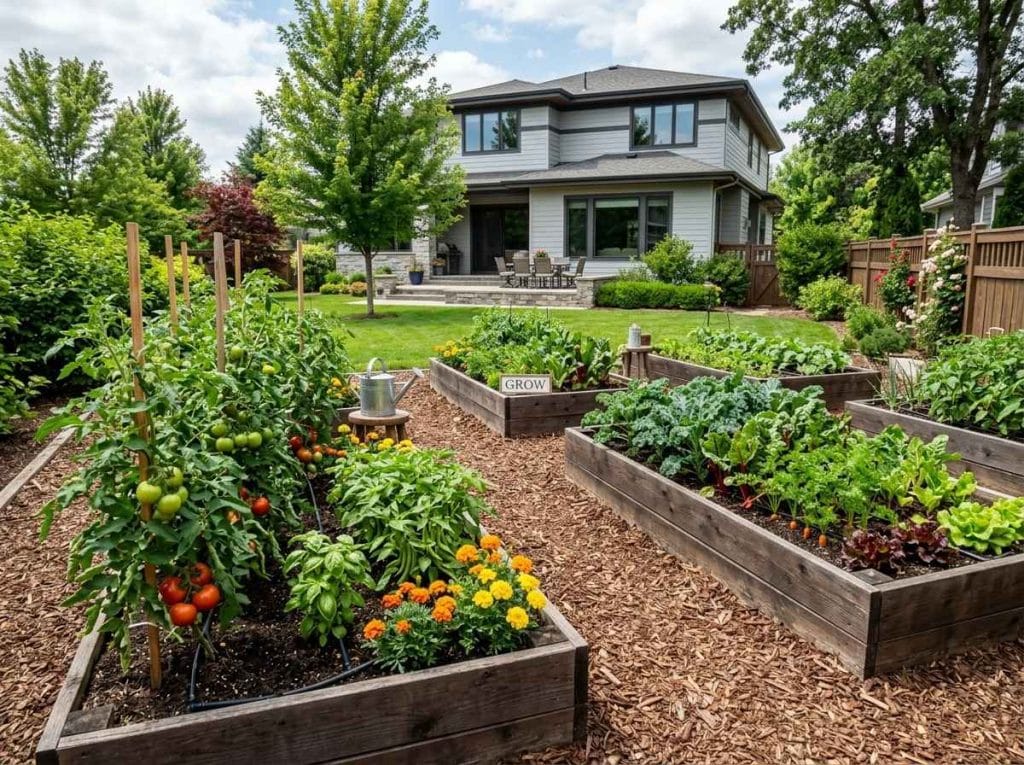
Some of the easiest vegetables for beginners include lettuce, radishes, green beans, zucchini, and tomatoes. These plants usually grow quickly, don’t need much special care, and give good harvests even in small spaces.
Most vegetables need at least 6 to 8 hours of direct sunlight each day. Leafy greens can grow with a little less, but fruiting plants like tomatoes or peppers need full sun to produce well.
Yes! Many vegetables grow well in containers, raised beds, or even vertical planters. Salad greens, herbs, peppers, and cherry tomatoes are especially good for small spaces. Use your creativity—almost any sunny spot can become a garden.
You can use companion planting, encourage beneficial insects like ladybugs, and use organic sprays such as neem oil. Hand-picking pests and keeping your garden clean also help prevent problems.
The National Gardening Association offers tips, guides, and community support for gardeners of all levels. Visit their site at garden.org for more resources.
Growing a backyard vegetable garden is rewarding in many ways. You’ll enjoy fresh, healthy food, save money, and spend quality time outdoors. With careful planning, a little effort, and these creative ideas, you can build a garden that fits your life—and brings joy season after season.