Gardening Made Simple.

Are you a fan of spinach but unsure which kind to choose for your meals? You might be surprised to learn that spinach comes in several varieties, each with its own unique taste, texture, and health benefits.
Knowing the differences can help you pick the perfect type to boost your dishes and your nutrition. Keep reading to discover the different kinds of spinach and how they can make your meals more exciting and nutritious. Your taste buds—and your body—will thank you!
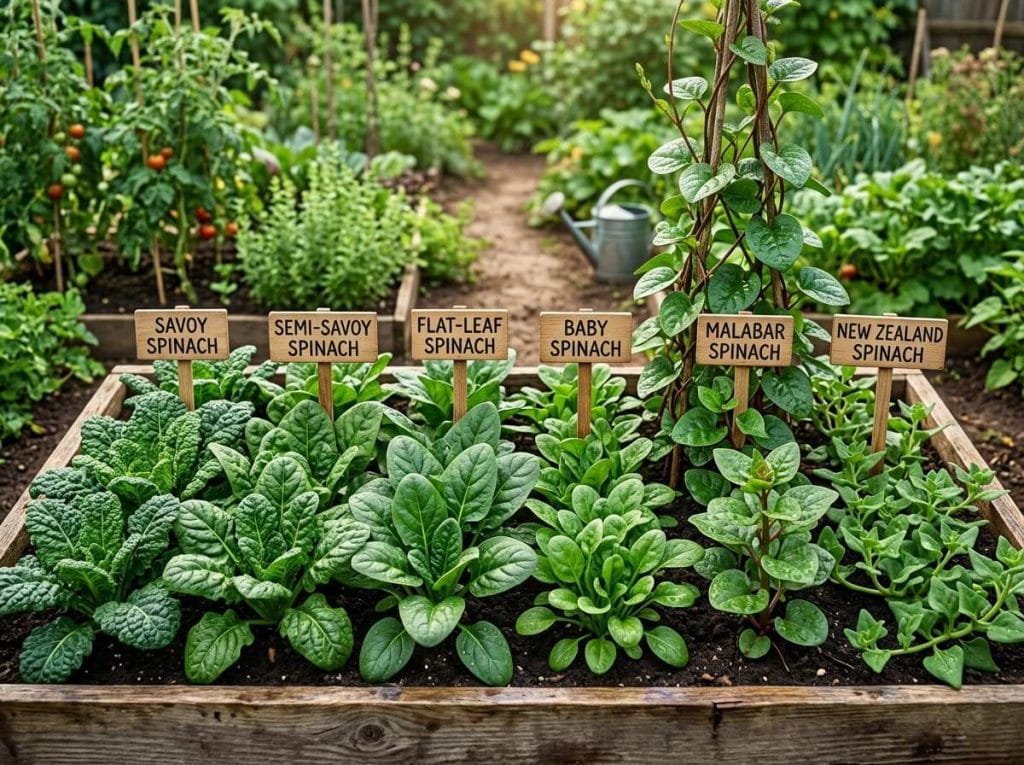
Spinach comes in many varieties. Each type has a unique look and taste. Knowing the differences helps you pick the right one for meals. Some types are better for cooking, while others are great fresh in salads.
Here are the main kinds of spinach you might find at the market or grow in your garden.
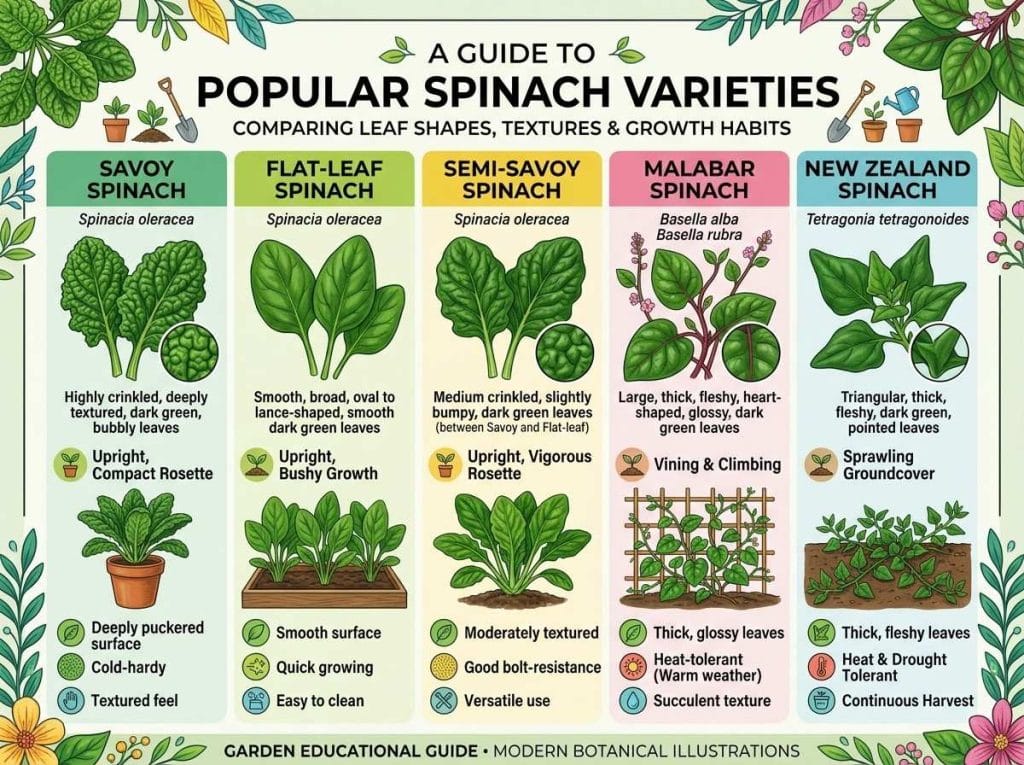
Savoy spinach has dark green, curly leaves. The texture is crinkled and bumpy. It holds well when cooked, making it ideal for hot dishes. Its flavor is mild and slightly sweet.
Flat-leaf spinach has smooth, flat leaves. It is easier to clean than savoy. This type is common in salads and sandwiches. The taste is fresh and tender.
Semi-savoy spinach combines traits from savoy and flat-leaf. Leaves are slightly crinkled but smoother than savoy. It is easier to wash and cooks well. The flavor is rich and mild.
New Zealand spinach is not true spinach but similar. It grows well in hot weather. Leaves are thick and slightly succulent. It tastes a bit more bitter than common spinach.
Malabar spinach is a climbing vine with thick, shiny leaves. It grows in warm climates. The leaves have a mild, slightly tangy flavor. Use it fresh or cooked like spinach.
Spinach offers a variety of flavors that suit different dishes and tastes. Understanding these flavor profiles helps you choose the right type for your meal. Some spinach types taste mild and sweet, while others have a strong, earthy flavor. Leaf texture also plays a role in flavor perception. Let’s explore the main flavor profiles of spinach.
These spinach types have a gentle, pleasant taste. Baby spinach is a popular mild variety. Its leaves are tender and soft, perfect for salads. The sweetness balances out other ingredients well. These types work great in smoothies and light dishes.
Robust spinach has a stronger, earthier flavor. Mature spinach leaves often taste this way. This flavor stands out in cooked dishes like soups and stews. It adds depth and richness to meals. These types can handle bold spices and flavors.
Tender leaves usually have a sweeter, milder taste. They come from young spinach plants. Bitter leaves develop as the plant grows older. These leaves can add a sharp taste to dishes. Cooking bitter spinach softens the flavor and texture. Choose leaves based on how you want your dish to taste.
Spinach is more than a leafy green. It offers many nutrients that support good health. Eating spinach regularly helps provide essential vitamins and minerals. These nutrients keep the body strong and active.
Each type of spinach has a rich nutritional profile. The benefits go beyond just vitamins. Spinach also contains antioxidants and other healthy compounds. These work together to improve overall well-being.
Spinach is full of vitamins like A, C, and K. Vitamin A supports eye health. Vitamin C helps the immune system. Vitamin K is important for blood clotting and bone health. Spinach also provides minerals such as iron, calcium, and magnesium. Iron boosts energy by helping blood carry oxygen. Calcium and magnesium strengthen bones and muscles.
Spinach contains antioxidants that protect the body’s cells. These include lutein, zeaxanthin, and beta-carotene. Antioxidants fight harmful molecules called free radicals. This helps reduce cell damage and lowers the risk of diseases. Spinach’s antioxidants also support healthy skin and eyes.
Eating spinach can improve heart health. It helps reduce blood pressure and cholesterol levels. Spinach supports brain function and may lower the risk of dementia. The fiber in spinach aids digestion and keeps the gut healthy. Spinach also helps maintain healthy bones and muscles. It is a natural way to boost overall health every day.
Spinach is a versatile green that fits many cooking styles. Its mild taste and tender leaves make it easy to use in various dishes. Different kinds of spinach offer unique textures and flavors. These differences affect how you cook and enjoy them.
Spinach works well both raw and cooked. Each cooking method brings out distinct qualities. You can eat it fresh, warm it up, or bake it. Each way adds nutrition and taste to your meals.
Fresh spinach leaves make a great salad base. Baby spinach is soft and mild, perfect for raw use. It blends well with other greens and vegetables. Use larger leaves from savoy or flat-leaf spinach for a crunchy bite. Raw spinach adds a fresh, green flavor to any salad.
Sautéing spinach softens the leaves quickly. Use olive oil or butter for a simple side dish. Savoy spinach works well because it holds its shape. Stir-frying spinach with garlic or ginger adds a tasty twist. Spinach cooks fast, so watch it closely to avoid overcooking.
Spinach adds color and nutrients to soups. Flat-leaf spinach is ideal because it wilts smoothly. Add spinach near the end of cooking to keep its flavor. It brightens broths and thick stews alike. Spinach also pairs well with beans, lentils, and tomatoes.
Spinach enhances casseroles with its soft texture. Use chopped leaves in lasagna, quiches, or gratins. Frozen spinach is good for baked dishes as it blends well. It adds moisture and a mild green taste. Spinach also pairs nicely with cheese and creamy sauces.
Growing spinach varieties offers fresh flavors and nutrition right from your garden. Different types of spinach have unique needs to thrive. Understanding these needs helps you choose the best variety for your space. This section breaks down key factors to grow spinach successfully.
Spinach grows best in cool weather. It prefers temperatures between 50 and 70 degrees Fahrenheit. Hot weather makes spinach bolt, or go to seed quickly. Some varieties tolerate cold better than others. Choose varieties based on your local climate for best results.
Spinach needs rich, well-drained soil with plenty of organic matter. The soil should be loose to help roots grow deep. Keep the soil moist but not soggy. Consistent watering prevents leaves from becoming tough or bitter. Avoid letting the soil dry out completely.
Harvest spinach leaves when they reach 3 to 6 inches tall. Pick outer leaves first to allow new growth. Use clean scissors or hands to avoid damaging the plant. Regular harvesting encourages the plant to produce more leaves. Harvest in the morning for best flavor and freshness.
Proper storage and preservation of spinach keep it fresh and tasty longer. Different types of spinach need careful handling to stay healthy and crisp. This section explains easy ways to store spinach at home.
Keep spinach dry before storing. Moisture speeds up spoilage. Wrap the leaves in paper towels to absorb extra water. Place the wrapped spinach in a plastic bag or airtight container. Store it in the refrigerator’s crisper drawer. Use fresh spinach within 3 to 5 days for best taste and nutrition.
Freezing spinach saves it for months. First, wash the leaves well. Blanch the spinach by boiling for 1-2 minutes. Then, cool it quickly in ice water. Drain and dry the leaves. Pack the spinach into freezer bags, removing as much air as possible. Label the bags with the date. Frozen spinach works well for cooking but loses some crunch.
Drying spinach is a good option for long-term storage. Rinse the leaves and pat them dry. Spread spinach on a dehydrator tray or baking sheet. Dry at low heat until the leaves become crisp and brittle. Store dried spinach in airtight containers. Use it in soups, stews, or smoothies. Dried spinach keeps nutrients and flavor for many months.
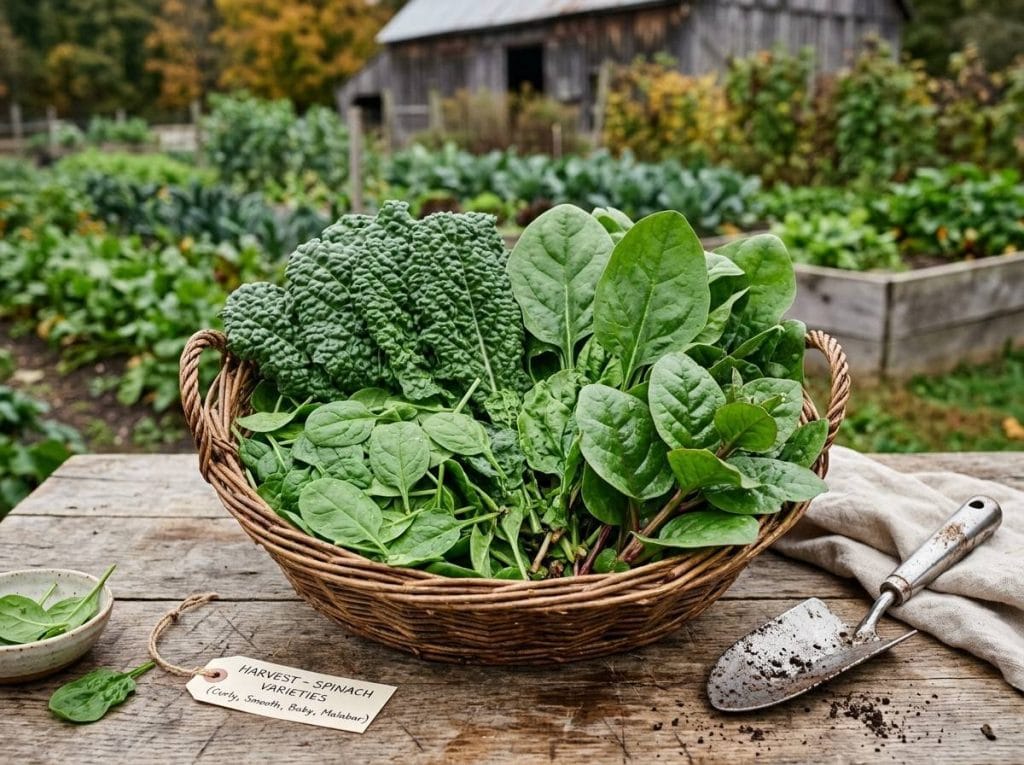
Spinach mainly includes Savoy, Flat-leaf, and Baby spinach, each with different textures and uses.
Savoy has curly, dark green leaves, while Flat-leaf spinach has smooth, broad leaves.
Baby spinach is tender and mild, making it perfect for fresh salads.
Yes, but Savoy holds up better when cooked, while Baby spinach wilts quickly.
All types offer vitamins A, C, K, iron, and antioxidants, but amounts may vary slightly.
Spinach comes in many types, each with its own taste and use. Some are tender and mild, perfect for salads. Others are stronger and better for cooking. Knowing these kinds helps you choose the best for your meals. Spinach is healthy and easy to add to dishes.
Try different kinds to find your favorite. Eating spinach often supports good health. Simple, fresh, and full of nutrients. A smart choice for any kitchen.