Gardening Made Simple.
Are you tired of your carrots turning soft, bitter, or spoiled too quickly? Knowing the best way to store carrots can save you money and keep your veggies fresh and tasty for longer.
Imagine reaching into your fridge and always finding crisp, vibrant carrots ready for your meals. You’ll discover simple, effective tips that anyone can use to make sure your carrots stay fresh and delicious. Keep reading, and you’ll never waste another carrot again!
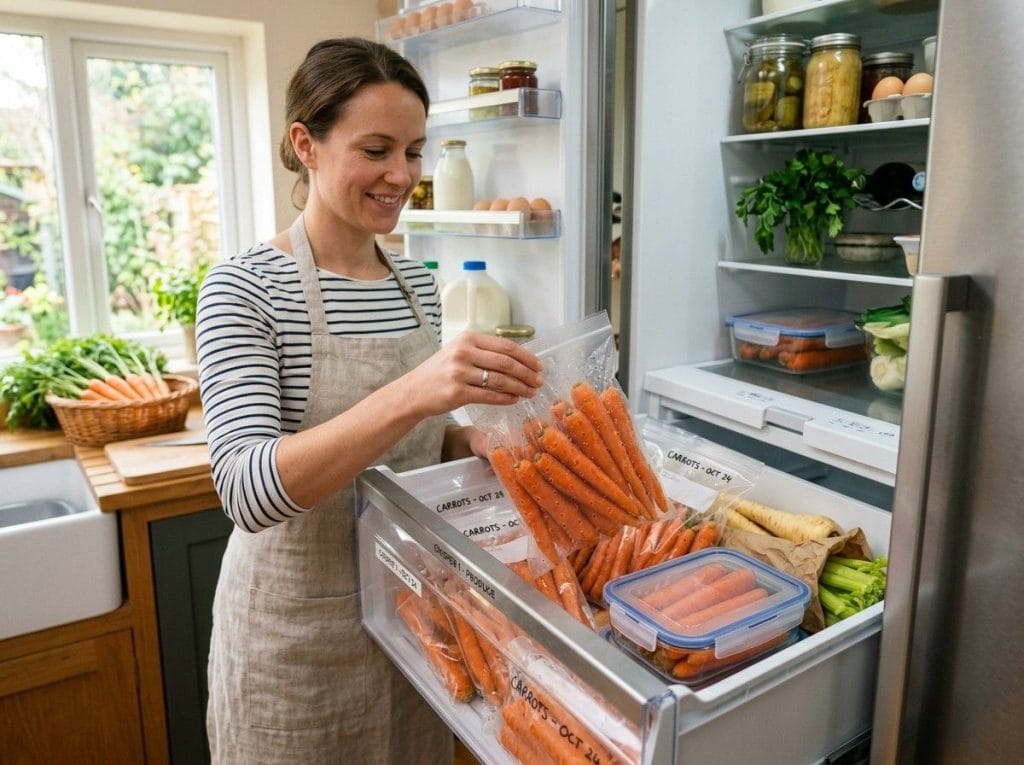
Choosing fresh carrots is the first step to keeping them tasty and crunchy. Fresh carrots last longer and hold more nutrients. Picking the right carrots means better flavor and less waste. Here is how to spot fresh carrots and decide between organic and conventional options.
Look for carrots with smooth skin and bright orange color. Avoid carrots with cracks, wrinkles, or dark spots. Fresh carrots feel firm and heavy for their size. The green tops should be vibrant, not wilted or yellow. Fresh carrots have a sweet, earthy smell. Soft or slimy carrots are old and should be skipped.
Organic carrots grow without synthetic pesticides or fertilizers. They may have a stronger, natural flavor. Conventional carrots often cost less and are widely available. Both types can be fresh and nutritious if picked well. Wash all carrots thoroughly before eating, no matter the type. Choose based on your budget and preference for chemicals.
Preparing carrots properly before storage helps keep them fresh longer. Taking time to clean and trim carrots reduces spoilage. It also maintains their flavor and texture. Proper preparation sets the stage for effective storage.
Rinse carrots under cool running water. Use your hands to rub off dirt gently. Avoid soaking carrots; too much water can cause rot. For stubborn soil, use a soft brush to clean. Dry carrots with a clean towel before storage.
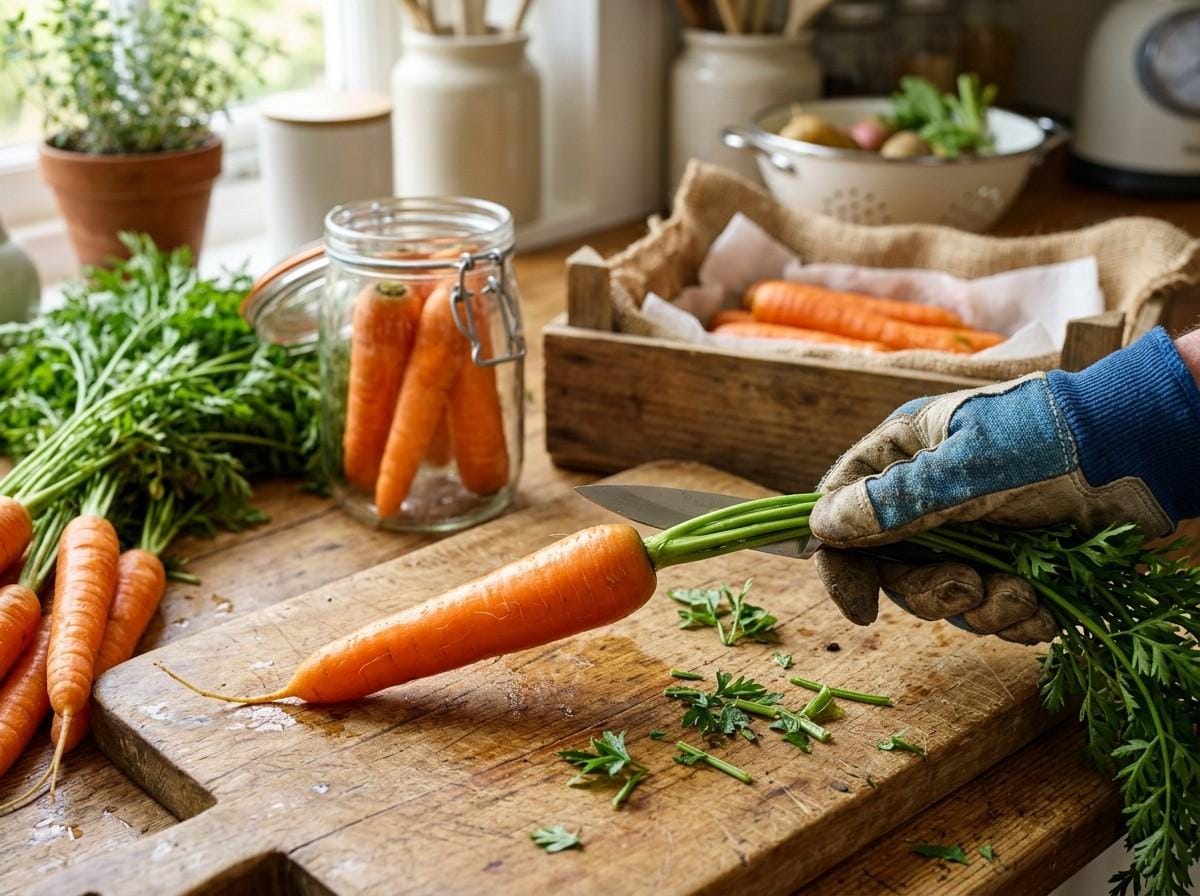
Cut off the green tops close to the carrot. Leaving greens can draw moisture away from the root. Peel carrots only if the skin looks tough or damaged. Peeling removes dirt and any bitter taste. Trim any bruised or soft spots to prevent spoilage.
Storing carrots properly keeps them fresh and crisp for longer. The right conditions slow down spoilage and preserve sweetness. Ideal storage balances cool temperature and moisture. This prevents carrots from drying out or becoming soft. Carrots need a cool place that is not too wet or dry. Avoid places with strong smells that affect carrot flavor.
Carrots stay fresh best at temperatures between 32°F and 40°F (0°C to 4°C). This range keeps carrots firm and stops decay. Humidity should be high, around 90% to 95%. High moisture prevents carrots from shriveling. Store carrots in a perforated plastic bag or a container that holds moisture. Avoid freezing temperatures or warm spots. Both can spoil carrots quickly.
Carrots are sensitive to ethylene gas from fruits like apples and bananas. Ethylene speeds up ripening and spoilage. Keep carrots away from ethylene-producing fruits. Store them in a separate drawer or container. This keeps carrots fresh and crunchy longer. Proper separation helps maintain their natural sweetness and texture.
Storing carrots at home helps keep them fresh and tasty for longer. Different methods work well depending on your space and how soon you want to use them. Choosing the right way can save money and reduce waste.
Here are some simple ways to store carrots at home that anyone can try.
Carrots stay fresh in the fridge for several weeks. Remove the green tops to keep carrots crisp. Store them in a plastic bag or container with a loose lid. This keeps moisture in without causing rot. Place them in the vegetable drawer for the best temperature.
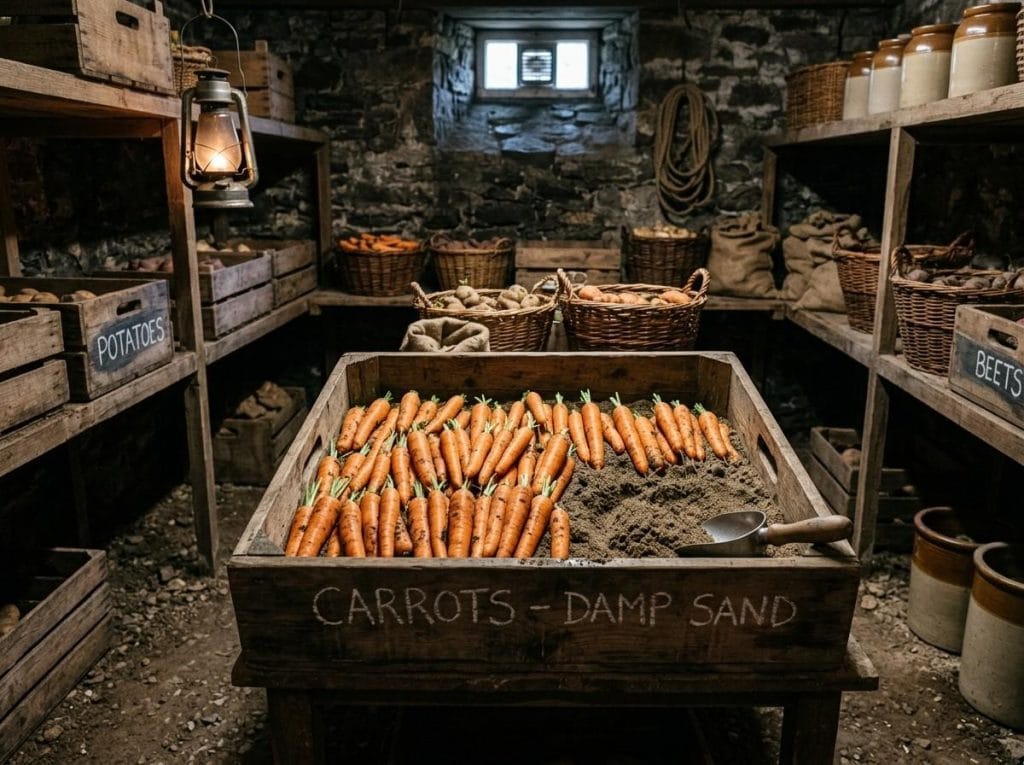
A root cellar or cool basement is ideal for long-term carrot storage. Keep carrots in damp sand or sawdust to maintain moisture. The temperature should be just above freezing, around 32–40°F (0–4°C). Check regularly for soft spots or mold and remove damaged carrots.
Freezing is a great way to store carrots for many months. Peel and cut them into slices or cubes. Blanch carrots in boiling water for 2-3 minutes, then cool quickly in ice water. Drain well and place in freezer bags. Label with the date and use within 12 months for best taste.
Proper packaging helps keep carrots fresh and crisp for a longer time. It controls moisture and air exposure. This slows down spoilage and maintains flavor. Choosing the right packaging method is key. It protects carrots from drying out or getting soft.
Airtight containers lock in moisture and keep air out. This stops carrots from wilting quickly. Use containers made of glass or plastic with tight lids. Before storing, wash and dry carrots well. Place them inside the container and seal it properly. Store in the fridge for best results. Check the carrots every few days. Remove any that look soft or spoiled to keep others fresh.
Plastic wrap traps moisture but can cause condensation. Too much moisture leads to rot and mold. Wrap carrots loosely in plastic to avoid sogginess. Paper towels absorb excess moisture and keep carrots dry. Wrap carrots in paper towels first, then place in a plastic bag. This method balances moisture and air circulation. Change paper towels if they become wet. This keeps carrots fresh and crunchy longer.
Storing carrots might seem easy, but many make common mistakes. These errors cause carrots to spoil faster or lose flavor. Knowing what to avoid helps keep carrots fresh longer. Below are two frequent mistakes to watch for.
Placing carrots near fruits is a common error. Fruits release ethylene gas, which speeds up carrot decay. This gas makes carrots soften and become bitter quickly. Keep carrots away from apples, bananas, and pears. Store them in a separate drawer or container.
Carrots need the right moisture level to stay fresh. Too much moisture causes mold and rot. Too little makes carrots dry and shriveled. Wrap carrots in a damp cloth or paper towel. Store them in a plastic bag with small holes for air. This balance helps maintain crispness and taste.
Knowing the signs of spoilage helps keep carrots fresh longer. Spoiled carrots lose their taste and nutrients. They might also cause stomach discomfort if eaten. Spotting spoilage early saves money and reduces waste.
Check carrots for dark spots or mold. White or black patches mean spoilage. Wrinkled or shriveled skin shows dehydration. A slimy surface also warns the carrot is bad. Bright orange color should look fresh and firm.
Fresh carrots feel firm and crisp. Soft or mushy carrots are spoiled. A sour or rotten smell comes from decay. Fresh carrots smell earthy and sweet. Any off smell signals to discard the carrot immediately.
Slightly wilted carrots can still be fresh and crunchy. Reviving them saves money and reduces food waste. It takes just a little water and time to bring them back to life.
Using water to rehydrate carrots helps restore their firmness. This simple step makes them perfect for snacking or cooking again. Below are two easy methods to try at home.
Fill a bowl with cold water. Cut the carrot ends to help water enter. Place carrots in the bowl and soak for 30 minutes. For best results, keep the bowl in the fridge. After soaking, dry carrots with a clean cloth before use.
Another way is to put carrots in a jar of water. Make sure carrots are fully covered. Leave the jar in the fridge for a few hours or overnight. This method keeps carrots fresh and crisp longer. Change the water every two days to avoid odors.
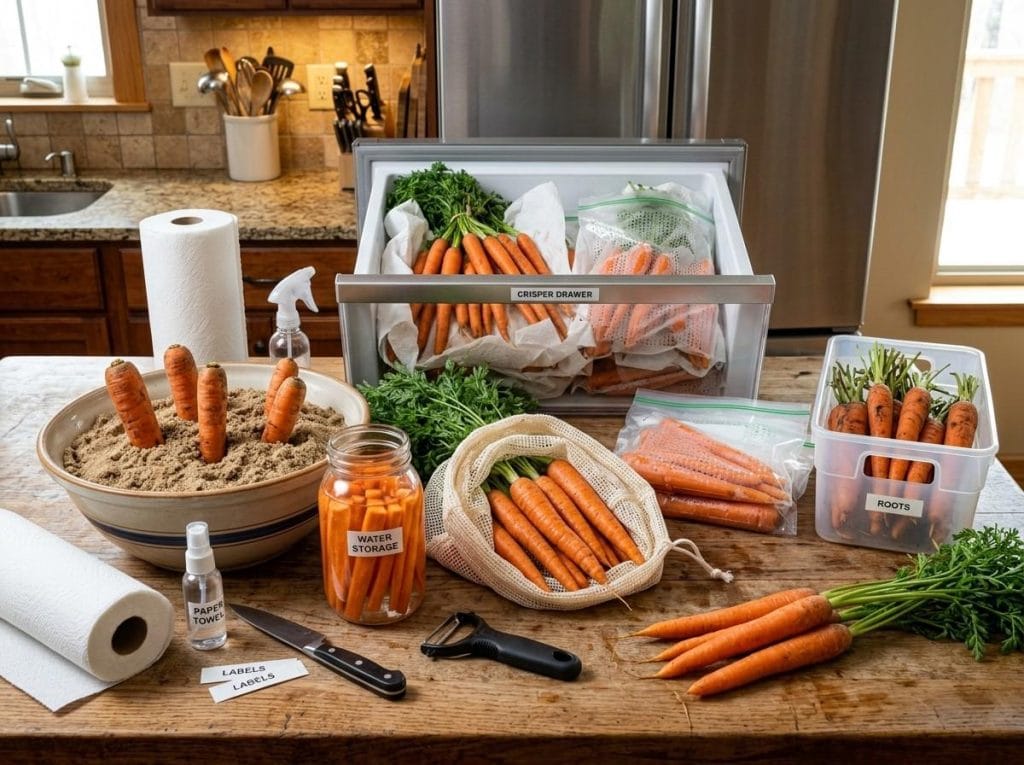
Store carrots in a cool, dark place like the refrigerator's crisper drawer. Keep them in a plastic bag.
Yes, carrots can stay fresh for a week if kept in a cool, dark, and dry place.
Do not wash carrots before storing. Moisture can cause them to spoil faster.
Fresh carrots last about 3 to 4 weeks in the refrigerator when stored properly.
Yes, peel and blanch carrots before freezing to keep them fresh and tasty longer.
Storing carrots the right way keeps them fresh and tasty longer. Keep them cool, moist, and away from air. Using a plastic bag or container helps. Remove carrot tops to stop moisture loss. Check carrots often to avoid spoilage. Simple steps make a big difference in freshness.
Enjoy crisp, sweet carrots anytime you want. Your kitchen will waste less food and save money too. Try these easy tips and see the results yourself. Fresh carrots are just a few steps away.