Gardening Made Simple.
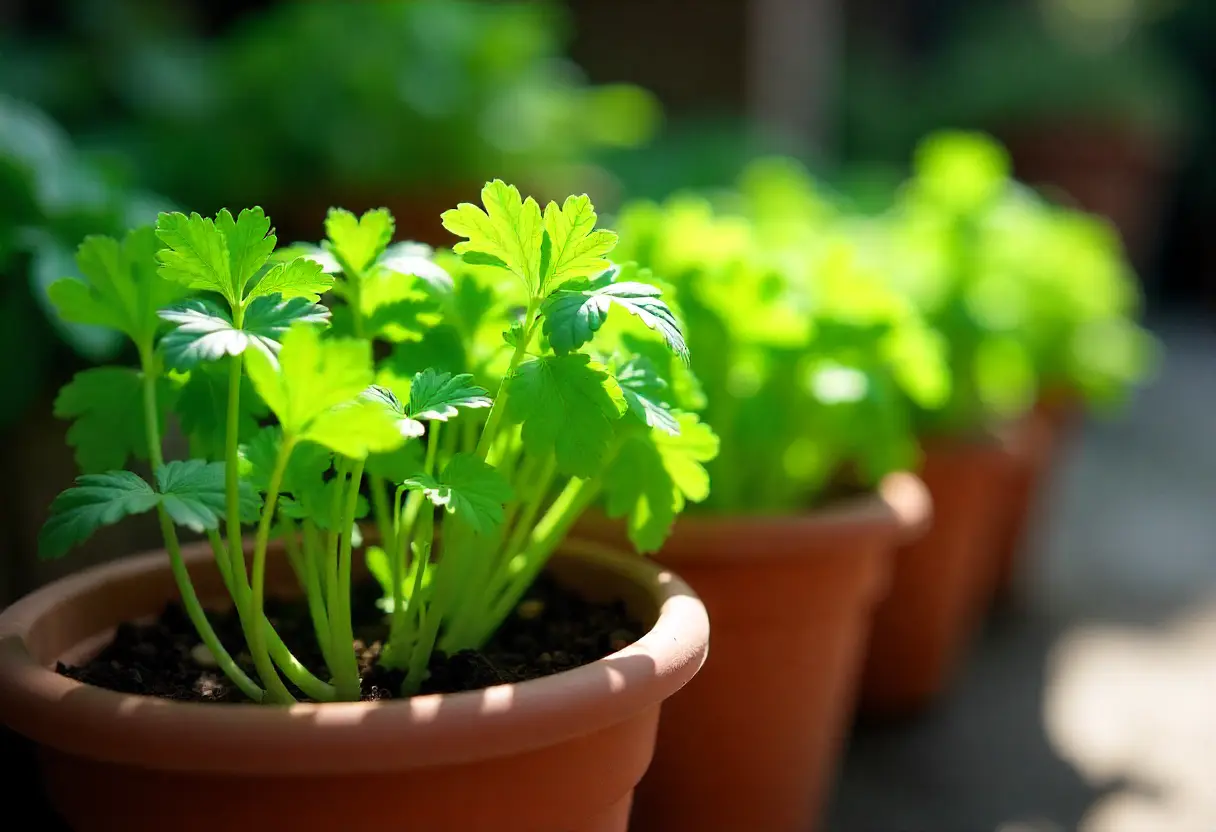
If you love fresh herbs but don’t have much space, learning how to grow cilantro in a pots is the perfect solution. Imagine stepping outside your door and snipping vibrant, fragrant leaves whenever you need them for cooking.
You’ll save money, enjoy fresher flavors, and add a touch of green to your home. This guide will show you exactly how to grow healthy cilantro plants in pots, even if you’re a beginner. Keep reading, and soon you’ll have your own little herb garden right at your fingertips.
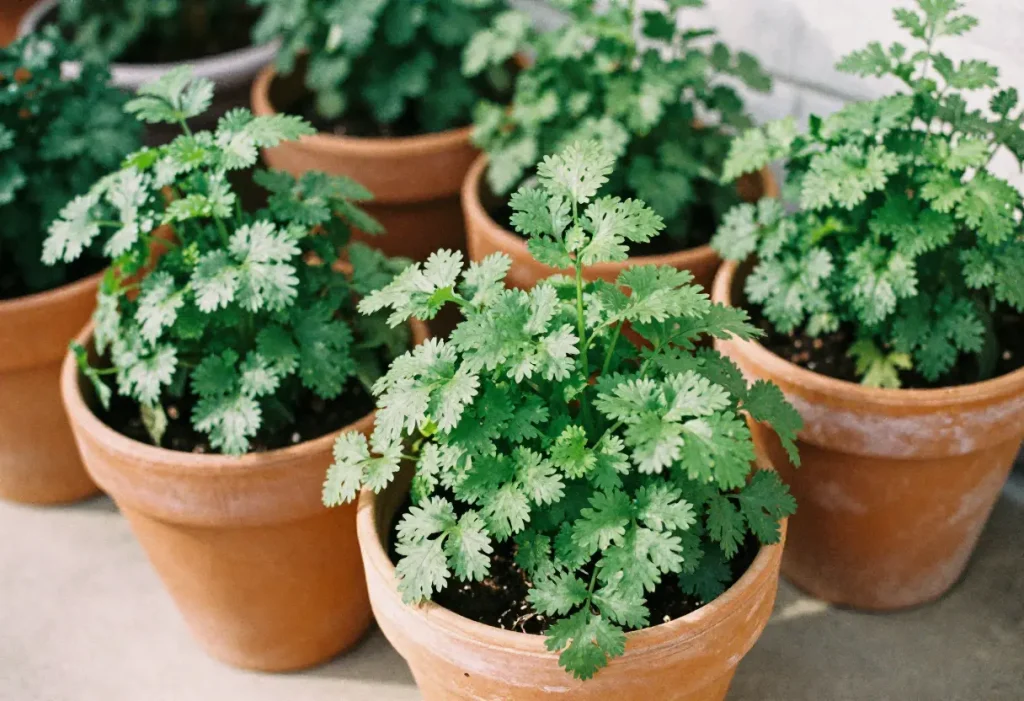
Choosing the right pot is a key step in growing healthy cilantro. The pot affects how the plant grows and how much water it gets. A good pot helps cilantro thrive, even in small spaces like balconies or windowsills.
Select a pot that is at least 8 to 10 inches deep. Cilantro has long roots that need space to spread. A wider pot helps the plant grow fuller leaves.
Choose materials like terracotta, ceramic, or plastic. Terracotta pots are porous and allow air to reach roots. Plastic pots hold moisture longer, which can help in dry areas. Pick a pot that fits your space and watering habits.
Drainage holes are essential for cilantro pots. They stop water from collecting at the bottom. Too much water can cause root rot and kill the plant.
Make sure the pot has several drainage holes. If your pot does not have holes, drill some before planting. Use a saucer to catch extra water but empty it often to prevent soggy soil.
Choosing the right soil is key to growing healthy cilantro in pots. Good soil helps cilantro roots grow strong and absorb nutrients well. It also keeps the plant moist without waterlogging. Selecting quality soil sets the foundation for a thriving cilantro plant.
Cilantro grows best in loose, well-draining soil. A mix of potting soil with sand or perlite works well. This blend allows air and water to reach the roots easily. Avoid heavy clay soil because it holds too much water. Light, airy soil helps prevent root rot and supports steady growth.
Cilantro needs nutrients to stay green and flavorful. Adding compost or organic fertilizer boosts soil health. Use slow-release fertilizer to feed the plant over time. Mix nutrients into the soil before planting. This approach gives cilantro a steady supply of food for best growth.
Planting cilantro seeds in pots is simple and rewarding. Starting with good seeds helps your cilantro grow healthy and strong. Proper seed care and planting depth make a big difference.
This guide explains how to prepare seeds and plant them at the right depth for best growth.
Choose fresh cilantro seeds for better sprouting. Soak seeds in water for 24 hours. This softens the seed coat and speeds up germination.
Drain the seeds before planting. You can also gently crush the seed hull to help sprouts emerge easier.
Plant cilantro seeds about ¼ to ½ inch deep in soil. Too deep planting can slow down sprouting. Too shallow planting can dry out seeds quickly.
Cover seeds lightly with soil and press down gently. Keep the soil moist but not soggy for best results.
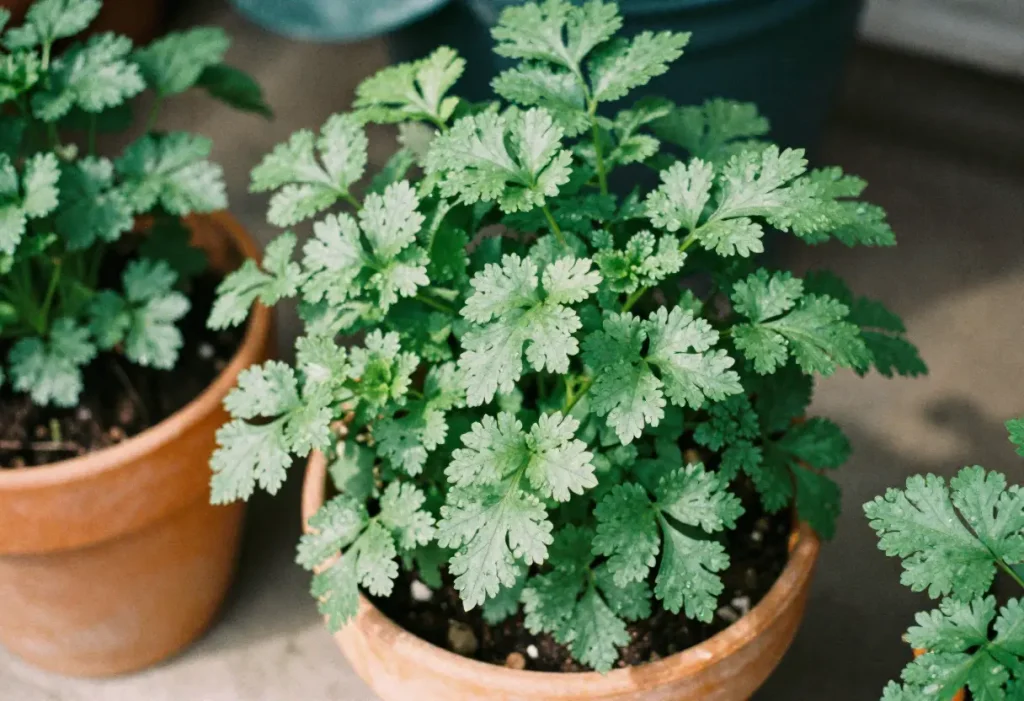
Watering is key to growing healthy cilantro in pots. Proper watering keeps the soil moist but not soaked. This helps the plant absorb nutrients well and prevents root problems. Understanding how often and how much to water will make your cilantro thrive.
Water cilantro pots every two to three days. Check the soil before watering. If the top inch feels dry, it is time to water. Pour enough water to moisten the soil fully. Avoid letting the soil dry out completely. Morning watering is best to reduce moisture loss.
Too much water causes root rot and weak plants. Ensure pots have drainage holes to let extra water escape. Remove excess water from saucers under pots. Water only when the soil feels dry on top. Overwatering can lead to yellow leaves and slow growth.
Sunlight and temperature play a big role in growing healthy cilantro in pots. Cilantro needs the right light and warmth to grow fresh and flavorful leaves. Too little or too much sun can slow growth or cause the plant to bolt. The temperature must also be in a good range for cilantro to thrive. Below are key points about light and temperature needs.
Cilantro grows best with 4 to 6 hours of sunlight each day. Morning sun is ideal because it is gentle and helps the plant dry off. Too much direct afternoon sun can cause leaves to wilt or burn. A spot with partial shade or filtered sunlight works well, especially in hot climates. Make sure the pot is placed where cilantro gets enough light but not harsh sun all day.
Cilantro prefers cooler temperatures between 50°F and 85°F (10°C to 29°C). It grows fastest when daytime temps stay below 75°F (24°C). Hot weather over 85°F (29°C) makes cilantro bolt quickly. Cold temperatures below 40°F (4°C) can damage the plant. Keep cilantro away from drafts or places that get very hot or cold. Maintain a steady, mild temperature for steady growth.
Fertilizing cilantro in pots helps the plant grow strong and healthy. Proper nutrients improve leaf flavor and color. Use the right fertilizer type and apply it at the right time. This keeps cilantro thriving in limited space.
Use a balanced, water-soluble fertilizer with equal N-P-K values like 10-10-10. This supports leaf growth and root health. Organic options like compost tea or fish emulsion work well too. Avoid high nitrogen fertilizers that cause weak stems. Choose fertilizers made for herbs or vegetables.
Feed cilantro every 2 to 3 weeks during the growing season. Start fertilizing two weeks after planting seeds or transplanting seedlings. Apply the fertilizer in the morning or evening to prevent leaf burn. Stop fertilizing a few weeks before harvesting to improve flavor. Always water the plant after fertilizing to avoid root damage.
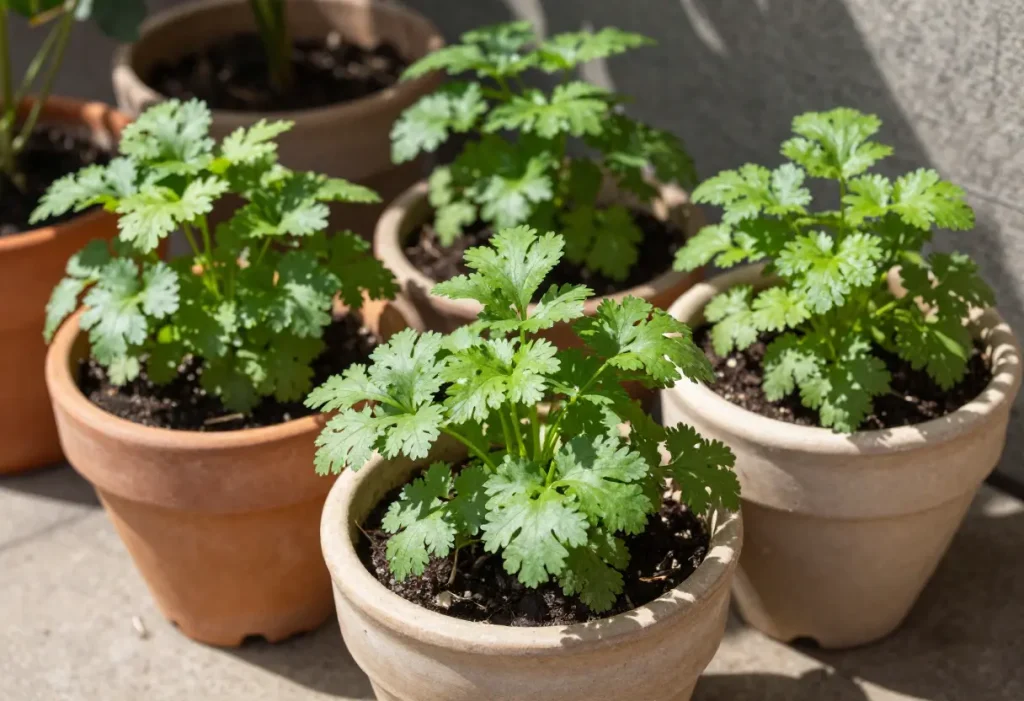
Growing cilantro in pots is simple, but pests and diseases can cause trouble. Managing these problems early keeps plants healthy and strong. Watch your plants daily to spot any issues fast. Clean pots and fresh soil help prevent many problems. Good air flow around the plant reduces disease risk.
Aphids often attack cilantro leaves, causing curling and yellow spots. Whiteflies also suck plant juices, leading to weak growth. Fungal diseases like powdery mildew create white patches on leaves. Root rot happens if soil stays too wet for too long. Spider mites leave tiny webs and cause leaf damage.
Spray plants with water to wash off aphids and whiteflies. Introduce ladybugs to eat harmful insects naturally. Use neem oil as a safe spray against pests and fungi. Mix baking soda with water to treat powdery mildew. Avoid overwatering to prevent root rot. Wipe leaves gently to remove spider mites and webs.
Harvesting cilantro at the right time and in the right way helps keep your plant healthy. It also ensures fresh leaves for your meals. Cilantro grows fast in pots, so regular harvesting is key. Knowing when and how to pick the leaves makes a big difference.
Harvest cilantro leaves when they are 4 to 6 inches tall. The leaves taste best before the plant flowers. Pick leaves early in the morning for the freshest flavor. Avoid harvesting more than one-third of the plant at once. This gives the plant time to grow back strong.
Use clean scissors or garden shears to cut the leaves. Cut the outer leaves first, near the base of the stem. Leave the inner leaves to keep growing. Avoid pulling the plant by the roots. This can damage the cilantro and stop new growth. After harvesting, water the plant lightly to help it recover.
Extending cilantro growth in pots helps you enjoy fresh leaves longer. Cilantro tends to bolt and go to seed quickly. By using smart techniques, you can keep your plants healthy. This means more harvests and less waste.
Pruning encourages new leaf growth and delays flowering. Pinch off the top leaves regularly. This stops the plant from going to seed too soon. Remove any yellow or damaged leaves. Keep the plant bushy and strong by cutting stems above a leaf node.
Succession planting means sowing seeds at intervals. Plant new seeds every two weeks in separate pots. This creates a steady supply of fresh cilantro. It also reduces the risk of all plants bolting at once. Rotate pots to give each plant enough sunlight and space.
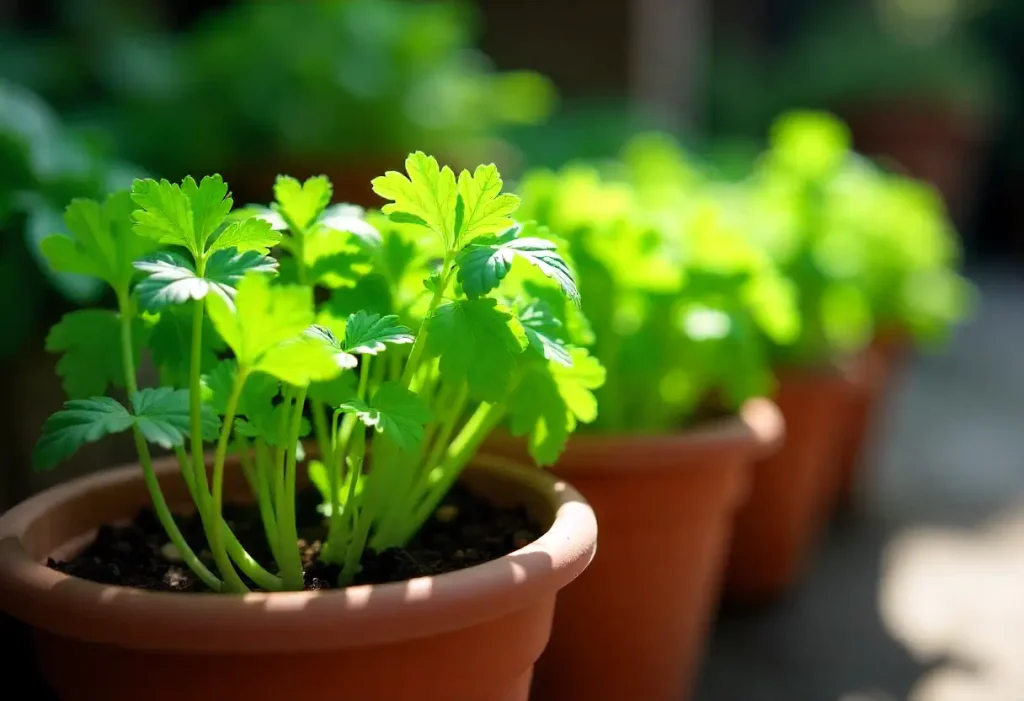
Cilantro needs about 4 to 6 hours of sunlight daily. Morning sun with afternoon shade works best to keep it fresh.
Use well-draining, fertile soil with good organic matter. A mix of potting soil and compost helps cilantro grow strong.
Water cilantro when the top inch of soil feels dry. Keep the soil moist but not soggy to avoid root rot.
Yes, cilantro grows well indoors if placed near a sunny window. Good airflow and proper watering help indoor growth.
Cilantro usually takes 3 to 4 weeks to grow leaves. Harvest leaves regularly to encourage new growth and prevent bolting.
Growing cilantro in pots is simple and rewarding. Choose a pot with good drainage and use fresh soil. Water the plant regularly but avoid overwatering. Place the pot where sunlight reaches for at least four hours daily. Trim leaves often to encourage growth.
Watch for pests and remove them quickly. Enjoy fresh cilantro right from your home. With care, your potted cilantro will thrive and add flavor to many dishes. Keep these tips in mind, and you will have a healthy herb garden.
Easy and fun!