Gardening Made Simple.
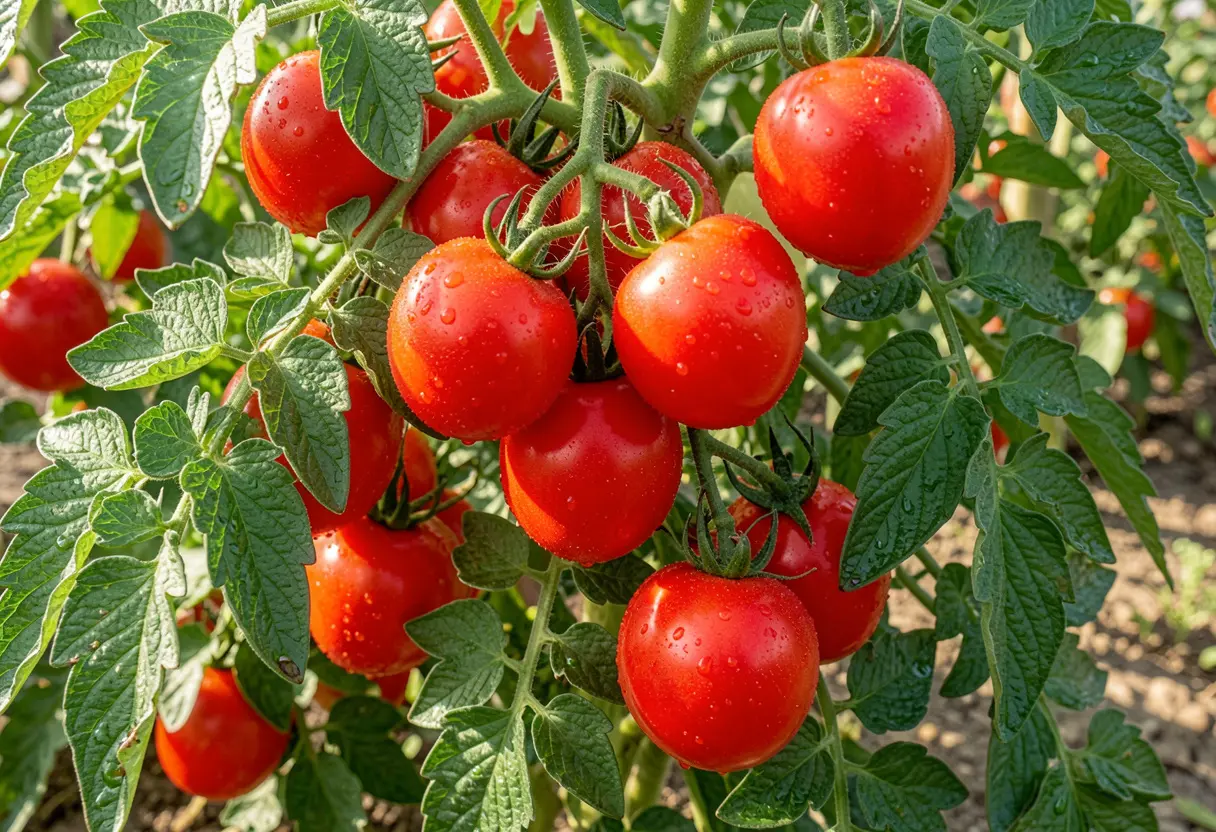
Are you curious about how many kilos of tomatoes you can get from each plant in your garden? Knowing this can help you plan better, whether you want to grow just enough for your family or dream of a big harvest. Understanding How Many Kilos of Tomatoes Per Plant will help you set realistic expectations and maximize your yield.
Imagine picking juicy, ripe tomatoes right from your own backyard and knowing exactly what to expect. You’ll discover the factors that affect tomato yield and realistic numbers you can count on. By the end, you’ll have clear insights to boost your tomato-growing success.
Keep reading to unlock the secrets behind a fruitful tomato plant!
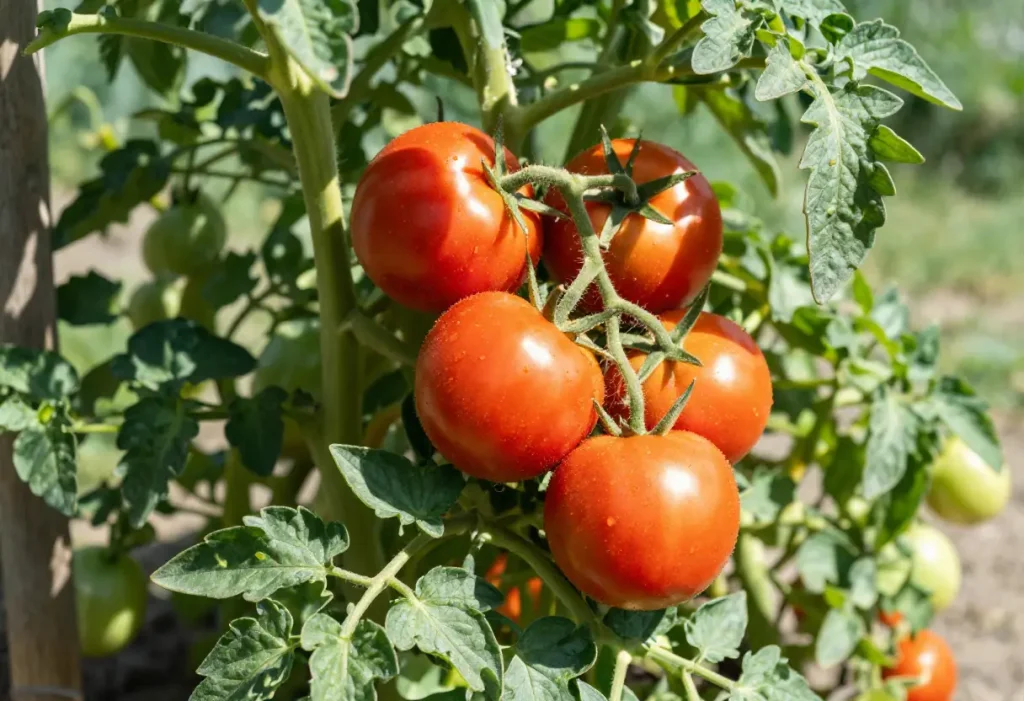
Tomato yield depends on many factors. Each factor can change how many kilos a plant produces. Understanding these helps gardeners grow better crops.
Some factors relate to the plant itself. Others depend on the environment and care given. Paying attention to these increases the harvest.
Different tomato varieties produce different amounts of fruit. Some are bred for high yield. Others focus on taste or size. Choosing the right variety suits your goals.
Good soil is rich in nutrients and drains well. Preparing soil by adding compost improves plant growth. Poor soil limits the plant’s ability to produce fruit. Healthy root systems play a major role in tomato production. Deeper roots can access more water and nutrients, helping plants support larger harvests throughout the growing season.
Tomatoes grow best in warm, sunny weather. Too much heat or cold can reduce yield. Consistent temperatures and sunlight help plants thrive.
Regular watering keeps plants healthy and productive. Both overwatering and underwatering cause problems. Water at the base to avoid diseases.
Plants need nutrients to grow fruit. Using the right fertilizer at the right time boosts yield. Over-fertilizing can harm the plant.
Pests and diseases lower tomato production. Watching plants closely helps catch problems early. Using natural or chemical controls protects the crop.
Tomato plants produce fruit in different amounts. The average yield per plant depends on many factors. These include the variety, care, and growing conditions. Knowing how many kilos of tomatoes to expect helps gardeners plan better. It also helps in deciding which variety to grow.
Most tomato plants produce between 3 to 5 kilos of tomatoes. Some smaller or less cared-for plants might give only 1 to 2 kilos. On the other hand, healthy plants under good conditions can yield up to 7 kilos. The average yield varies widely by plant size and type.
Certain tomato types are bred to produce more fruit. These high-yield varieties can give 6 to 10 kilos per plant. Examples include beefsteak and cherry tomatoes. These plants often have more flowers and bigger fruit clusters. Growing these can increase your harvest significantly.
Tomato yields change with the growing method used. Plants grown in greenhouses often produce more than outdoor plants. Hydroponic systems can increase yields by providing constant nutrients. Raised beds and good soil care also boost production. Choosing the right method can improve your tomato harvest.
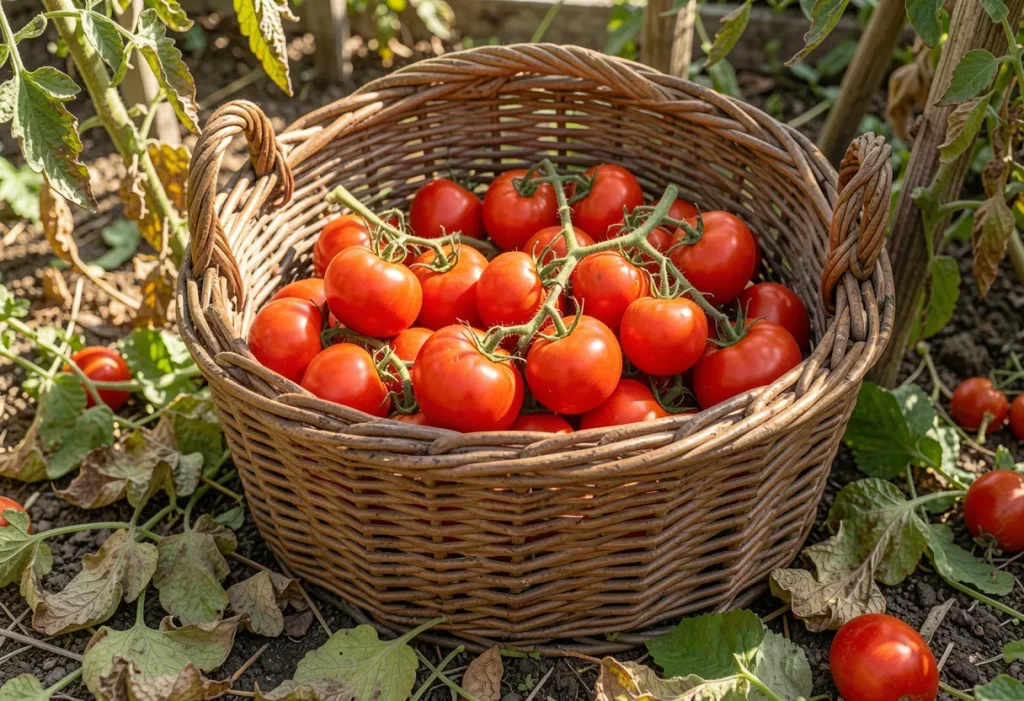
Maximizing tomato harvest depends on smart growing techniques. Good care improves both the quantity and quality of tomatoes. Small changes in how you grow plants can boost yields significantly.
Focus on plant health and growth conditions. This helps each tomato plant produce more fruit. Use practical methods to get the best results from your garden.
Space tomato plants at least 45-60 cm apart. This allows air to circulate and reduces disease risk. Crowded plants compete for nutrients and sunlight.
Proper spacing prevents overcrowding and allows each plant to receive enough sunlight and airflow for maximum production.
Prune lower leaves and side shoots regularly. This directs energy to fruit production. Removing dead or yellow leaves keeps plants healthy.
Tomatoes need 6-8 hours of direct sunlight daily. Most horticulture experts recommend full sun exposure to achieve the highest tomato yields and improve fruit quality. Place plants where they get full sun. Sunlight helps plants grow strong and produce more fruit.
Turn pots or containers to expose all sides to the sun. Avoid shaded areas to prevent weak growth and fewer tomatoes.
Use stakes, cages, or trellises to support tomato plants. This keeps fruit off the ground and reduces rot. Supports also improve air flow around the plant.
Secure stems gently to avoid damage. Proper support helps plants grow upright and healthy, leading to higher yields.
Water tomato plants deeply but less often. Deep watering encourages stronger root systems and helps plants tolerate heat stress during peak summer production. This encourages strong roots. Avoid wetting leaves to reduce disease risk.
Use drip irrigation or soaker hoses for even watering. Mulch helps keep soil moist and prevents weeds.
Feed tomatoes with balanced fertilizer every 2-3 weeks. Use nutrients high in potassium and phosphorus for fruit growth.
Apply compost or organic matter to improve soil quality. Healthy soil supports strong plants and bigger harvests.
Harvest timing and handling play a key role in getting the best yield from tomato plants. Picking tomatoes at the right time ensures better taste and longer storage life. Proper handling after harvest keeps the fruits fresh and reduces damage.
Tomatoes are ripe when they show full color, either red, pink, or yellow. The fruit feels firm but slightly soft to touch. A sweet, fresh smell near the stem also signals ripeness. Avoid tomatoes with green spots or hard skin.
Use clean scissors or pruners to cut tomatoes from the vine. Hold the fruit gently to avoid bruising. Pick tomatoes in the cool morning hours to keep them fresh. Regular harvesting encourages the plant to produce more fruit. Harvesting tomatoes at the correct stage of ripeness helps maximize flavor and reduces the risk of fruit cracking or spoilage.
Handle tomatoes with care to avoid scratches and bruises. Store them in a cool, shaded place away from direct sunlight. Avoid stacking tomatoes too high to prevent crushing. Use ventilated containers to keep air flowing around the fruit.
Growing tomatoes can bring many rewards, but it also has its challenges. Plants face pests, diseases, and environmental stress. These problems can reduce the number of tomatoes each plant produces. Knowing how to handle these issues helps keep plants healthy. Healthy plants give more tomatoes, which means more kilos per plant.
Tomato plants attract pests like aphids, whiteflies, and tomato hornworms. These insects eat leaves and fruits. They weaken the plant and lower harvests. Check plants often for pest signs. Use natural predators like ladybugs to control pests. Spray plants with soapy water to remove insects. Avoid harmful chemicals that can damage plants and the environment.
Tomatoes are prone to diseases such as blight, wilt, and leaf spot. These diseases cause yellowing, wilting, or rotting. Remove and destroy infected leaves or plants fast. Use disease-resistant tomato varieties to reduce risks. Keep plants spaced well to improve air flow. Water plants at the base to keep leaves dry. Clean tools and hands before touching plants.
Tomato plants suffer from heat, cold, and drought stress. Extreme weather can stop fruit growth or cause drop. Mulch around plants to keep soil moist and cool. Water consistently, especially during hot, dry days. Use shade cloth on very sunny days. Protect plants from frost with covers or move pots indoors. Stress management helps plants grow strong and yield more tomatoes.
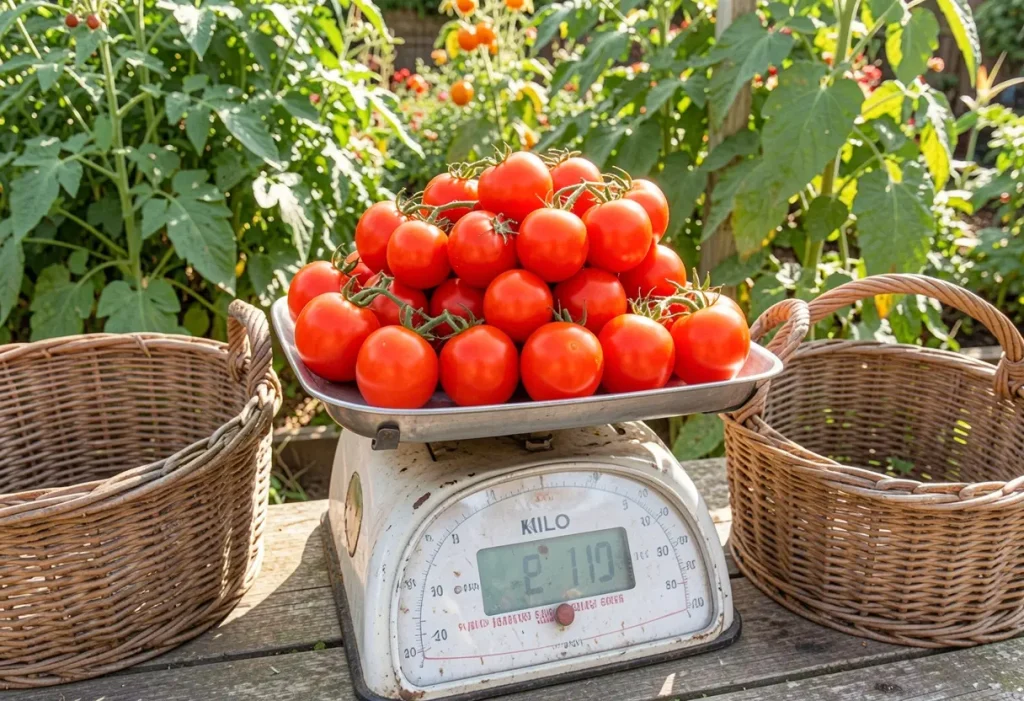
One tomato plant can produce about 4 to 10 kilos of tomatoes, depending on care and variety.
Sunlight, water, soil quality, and pruning all affect how many tomatoes a plant produces.
Heirloom and cherry tomato varieties often yield more fruit per plant than larger types.
Use good soil, water regularly, prune dead leaves, and give plants enough sunlight.
Tomato plants produce most fruit in warm weather, usually 60 to 85 days after planting.
A healthy Roma tomato plant can produce between 4 and 8 kilograms of tomatoes during the growing season.
Most tomato plants continue producing fruit throughout the season until frost or extreme temperatures stop growth.
Most tomato plants begin producing fruit within 60 to 85 days after planting, depending on the variety.
Container-grown tomatoes can produce excellent yields when provided with enough sunlight, water, nutrients, and adequate container size.
Tomato plants can produce different amounts of fruit. Usually, a healthy plant gives about 4 to 6 kilos of tomatoes. Growing conditions like soil, water, and sun affect this number. Good care helps plants grow better and yield more fruit.
Watching your plants closely helps catch problems early. Keep learning and adjusting your care. This way, you can enjoy fresh tomatoes from your garden every season. Simple steps lead to great results.