Gardening Made Simple.
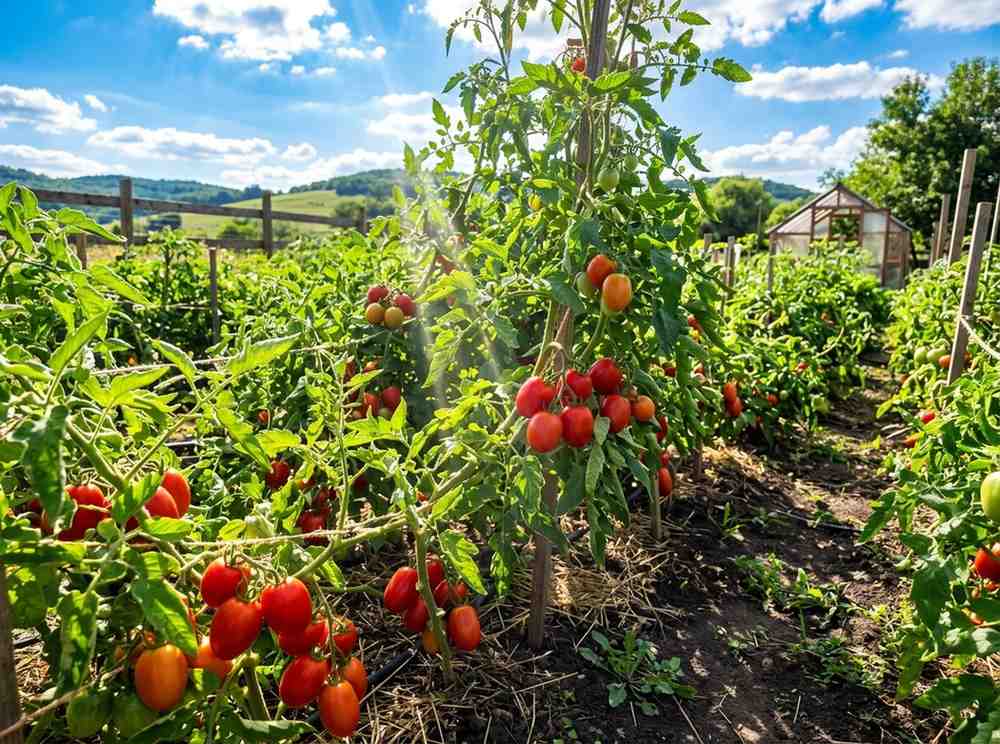
Imagine biting into a ripe, juicy tomato straight from your garden. That burst of flavor comes from more than good soil or water—it starts with sunlight, the powerhouse that drives growth, boosts yields, and fights off diseases. Understanding the Sunlight Requirements for Tomatoes is essential, because without enough rays, your plants suffer, and so does your harvest.
Tomatoes crave the sun like nothing else. They need precise amounts of light to produce those sweet, plump fruits you dream about. This guide digs into sunlight requirements for tomatoes. We'll cover what "full sun" really means, why skimping on light hurts, and smart ways to give your plants the glow they need. Get ready to turn your garden into a tomato paradise.
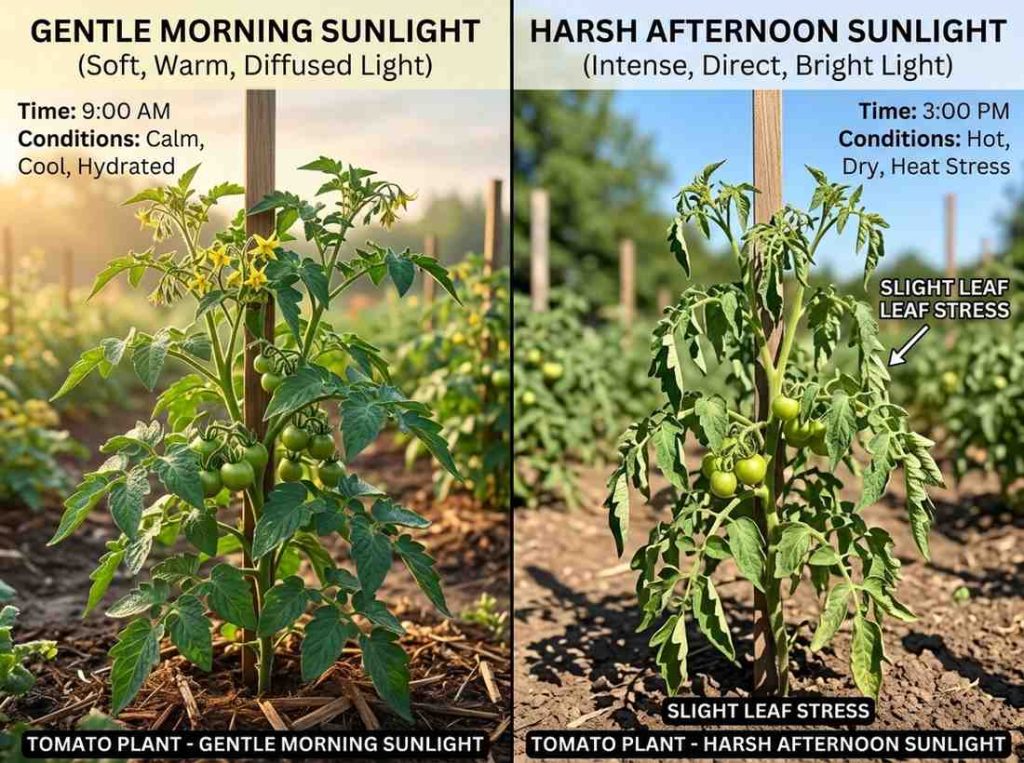
Garden books often say tomatoes need full sun, which means at least six hours of direct light each day. This sets a basic bar, but it's just the start. Many plants barely scrape by on that amount, leading to smaller fruits and weaker stems.
Think of it like this: six hours keeps your tomato alive, but it won't let it shine. In real gardens, shadows from fences or clouds can cut that time short. Home growers often end up with okay crops instead of bumper ones because they stick to this minimum without pushing further.
Experts agree that this rule comes from broad plant care advice. For tomatoes, though, it's too vague. You want more to unlock their full potential.
Aim for eight to ten hours of straight sun on your tomato leaves. This sweet spot helps most varieties pump out energy for big, tasty fruits. Heirloom types especially love this steady bath of light without breaks.
Unbroken exposure matters most. Dappled shade from tree leaves won't cut it—tomatoes need the full force. Place them where the sun hits hard from morning till late afternoon.
In practice, this means picking spots that avoid midday dips. Your plants will reward you with thicker vines and heavier yields. Track the sun in your yard to nail this down.
Light isn't just about hours; it's about strength too. Photosynthetically Active Radiation, or PAR, measures the wavelengths plants like tomatoes actually use. Weak sun, even for long stretches, starves them of real fuel.
Daily Light Integral, or DLI, adds it all up—intensity times time. Tomatoes thrive on a DLI of 20 to 30 moles per square meter per day. In sunny spots, you hit this easy; in foggy areas, you might need tricks to boost it.
Northern gardeners face shorter days in spring. Here, focus on clear, bright light over total hours. Tools like light meters help you check if your setup delivers.
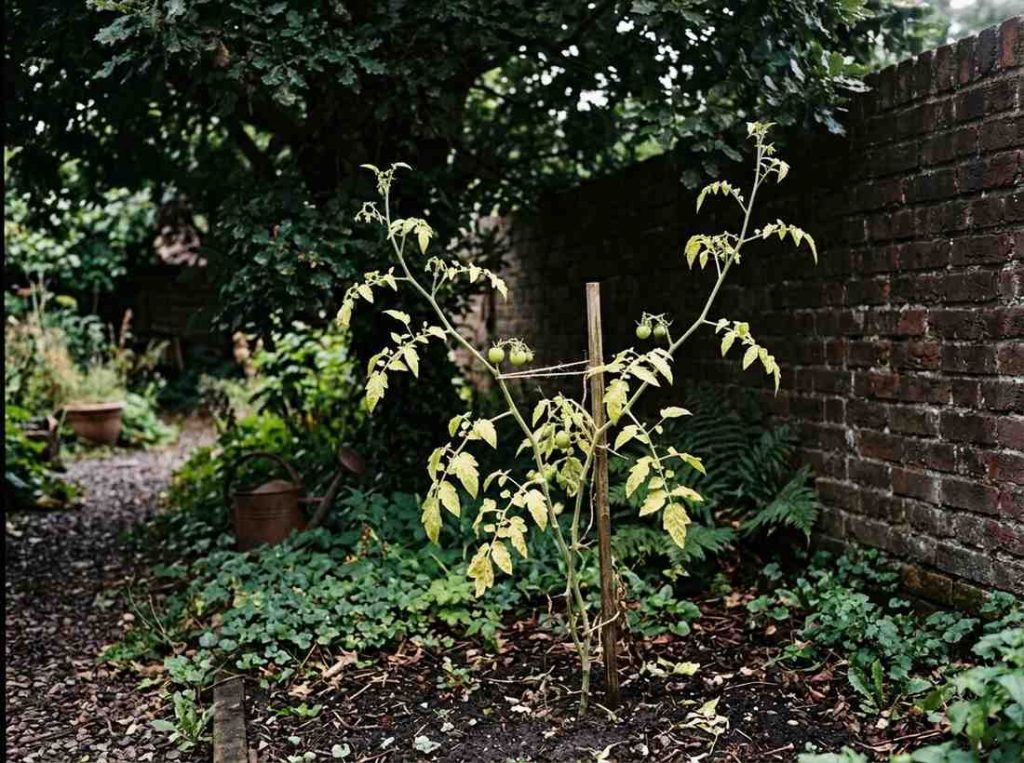
When tomatoes don't get enough sun, they stretch tall and thin. This etiolation makes stems spindly and weak, like a kid growing too fast without strength. They bend or snap under their own fruit weight.
You might need extra stakes to prop them up. Without light, plants reach for rays, ignoring strong roots. Wind can topple these fragile towers in a gust.
Spot this early: look for pale leaves and long gaps between them. Fix it by moving plants to brighter spots right away. Healthy light builds sturdy frames from the start.
Sun powers photosynthesis, turning light into sugars for growth. Low light means less food, so plants can't support flowers. Blossoms drop off before they turn into fruit—a big yield killer.
In shady corners, energy dips low. Tomatoes prioritize leaves over reproduction. You end up with green bushes but no reds.
This hits hard in partial shade. Studies show up to 50% fewer fruits from just two hours less sun daily. Keep light steady to watch flowers stick and swell.
Bland tomatoes? Blame the shade. Sun builds sugars and lycopene, the stuff that makes them sweet and red. Without it, fruits taste watery and dull.
Dense shade traps moisture on leaves. This invites fungi like early blight, which thrives in damp, dark spots. Your crop rots before it ripens.
Bright light dries things out and strengthens defenses. Plants in full sun resist bugs and mold better. Taste the difference in every bite from a sunny vine.
Pick the perfect spot by watching the sun all day. Start at 9 a.m. and note shadows every two hours until 5 p.m. Mark hot zones on paper or with flags.
Do this over a week to catch changes from clouds or seasons. In April, like now in 2026, spring light shifts fast. Your map reveals true full-sun areas for tomatoes.
Use apps or stakes to track paths. This simple step saves headaches later. Place seedlings where the sun peaks longest.
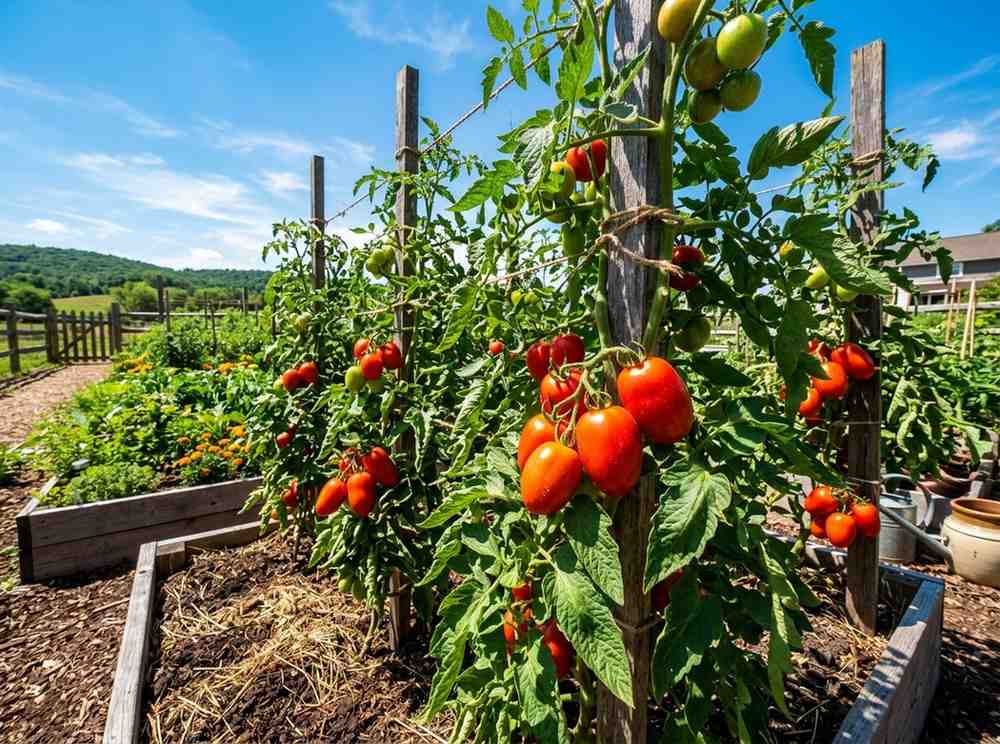
Tall trees block morning rays—prune low branches to let light in. Fences cast long shadows; paint them white to bounce light back. Buildings loom large, so grow on the south side if you can.
In city yards, space is tight. Use mirrors or foil to reflect sun onto plants. These fixes turn problem spots into winners.
Test changes with your sun map. Small tweaks add hours of exposure. Your tomatoes will thank you with better growth.
Pots let you chase the sun. Wheel them to sunny patios in the morning, then to open lawns later. This beats fixed beds in shady yards.
Move for seasons too—shift to warmer spots as days lengthen. Containers suit balconies or small spaces. Water stays put, but light follows.
This freedom boosts sunlight requirements for tomatoes in pots. Yields jump when you adapt on the fly.
Determinate tomatoes grow bushy and short. They handle a bit of shade better once set, needing steady but not max light. Fruits ripen all at once.
Indeterminate kinds vine forever. They demand intense sun non-stop for ongoing blooms. Shade slows their climb and cuts late-season hauls.
Pick based on your spot. Bushes fit partial light; climbers need prime real estate. Both love eight hours, but vines crave more.
In hot, dry places, full sun can scorch. Give afternoon shade with cloth to dodge sunscald—cracked fruits from too much heat. Morning light still rules.
Cool areas beg for every ray. Clouds steal intensity, so clear spots matter. Northern spots might need grow lights in dim months.
Adjust by zone. Southern growers temper peak hours; others maximize. Local weather shapes your sunlight strategy.
Old heirlooms pack flavor but fuss over light. Bred in mild climates, they wilt in weak sun. Give them uninterrupted rays for best taste.
Hybrids adapt wider, handling some shade. Heirlooms demand care—think Brandywine needing ten full hours. Poor light mutes their signature zing.
Source seeds from trusted spots. Track varieties' origins for light clues. Nurture them right, and you'll savor the rewards.
Trim suckers—those side shoots between stem and leaves. This opens the plant, letting sun hit fruits directly. Do it weekly for air flow too.
Remove bottom leaves touching soil. They block light and hold dampness. Focus cuts on crowded areas up top.
Good pruning ups light inside the canopy. Fruits ripen even and fast.
Pair tomatoes with low growers like basil. Skip tall corn or sunflowers—they steal afternoon sun. Space plants 24 inches apart minimum.
Overcrowding shades lower leaves. Pests love the hideouts. Keep rows open for wind and light.
Test combos in small plots first. Right neighbors boost, wrong ones block. Balance helps all thrive.
Lay silver or white mulch around bases. It bounces light up to undersides, adding effective hours. Cheap and easy for edge gardens.
Aluminum foil works in a pinch. It cuts weeds too. Studies show 20% more yield from this trick.
This hack meets sunlight requirements for tomatoes without moving them. Great for partial shade fixes.
Sunlight fuels your tomato success. Hit that 8-10 hour mark with strong PAR for top yields and flavor. Skimp, and you face weak plants and drops.
Map your space, prune smart, and pick varieties that fit. These steps turn average gardens into goldmines.
Now, grab a notebook and scout your yard today. Chase that sun, and watch your harvest explode. Your first ripe tomato waits—make it legendary.
Tomatoes need at least 6–8 hours of direct sunlight each day for healthy growth and maximum yield.
Yes, but with less than 6 hours of sun, plants may grow slowly and produce fewer, smaller fruits.
Excessive intense heat and sun can cause leaf scorch or sunscald on fruits, especially in very hot climates.
Morning sunlight is ideal because it’s gentler and helps dry moisture, reducing disease risk.
Plant them in an open area, avoid shade from buildings or trees, and use pruning to allow better light penetration.